

Georgian Claw Foot Table
A georgian claw foot table brings the substantial weight and carved detail of eighteenth-century and revival craftsmanship directly into a room.
Georgian Claw Foot Table
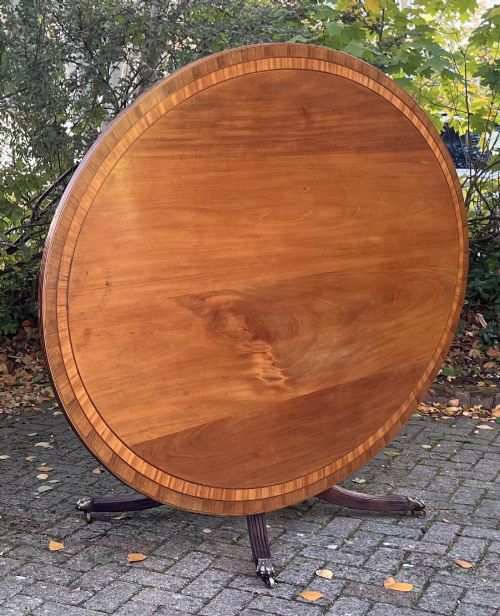
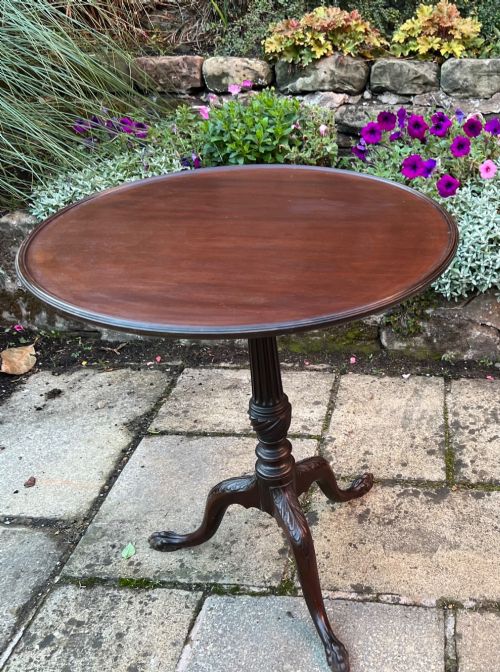
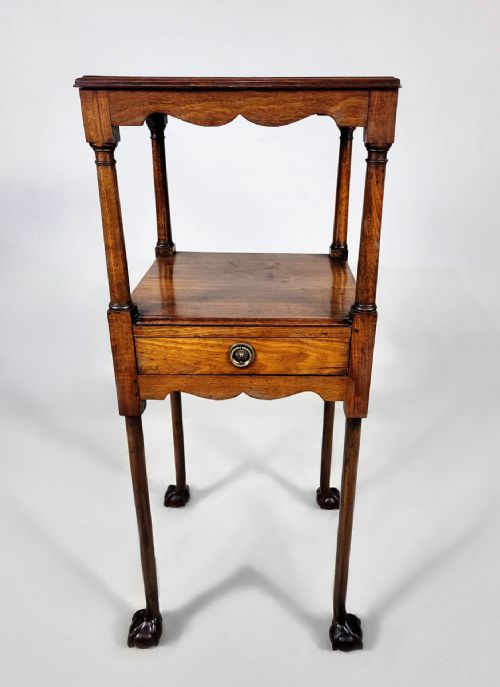
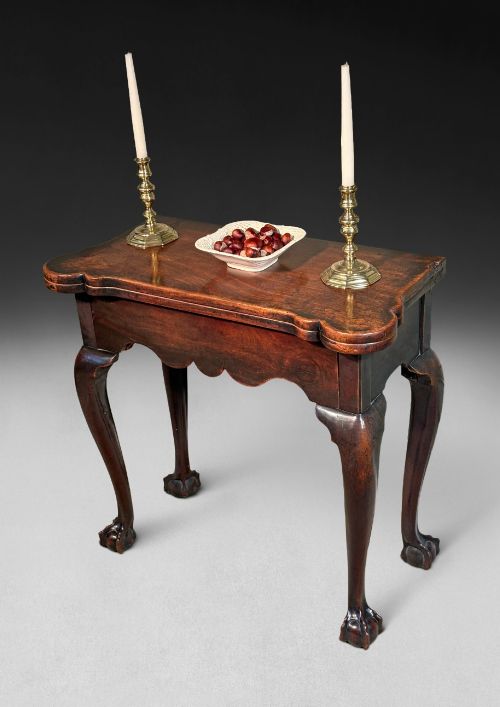
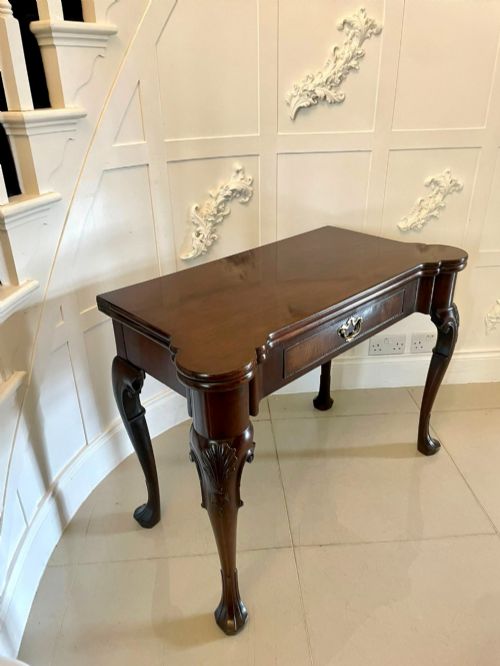
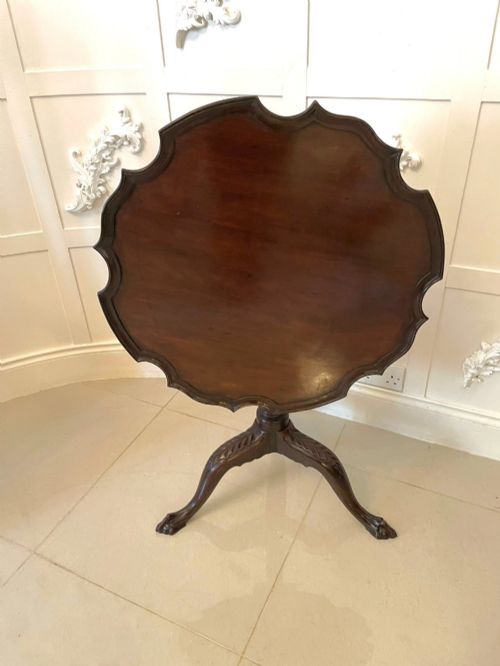
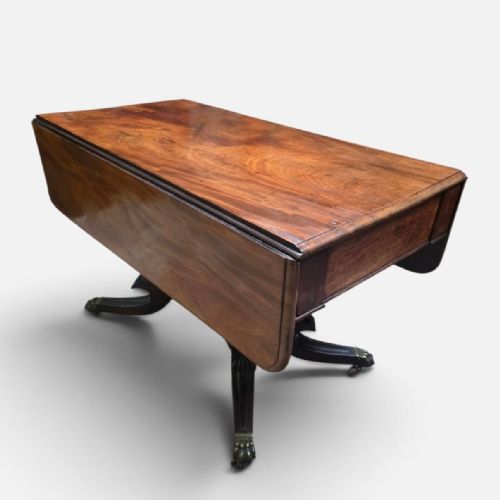
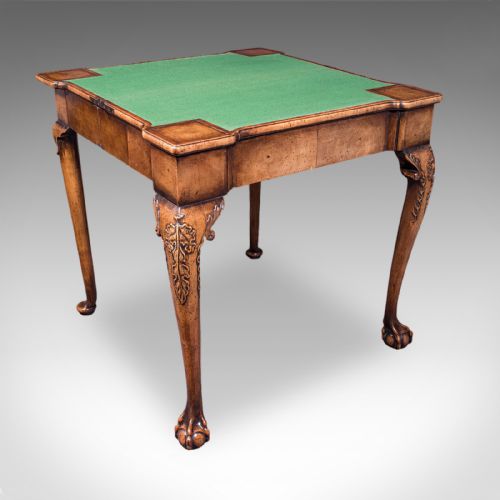
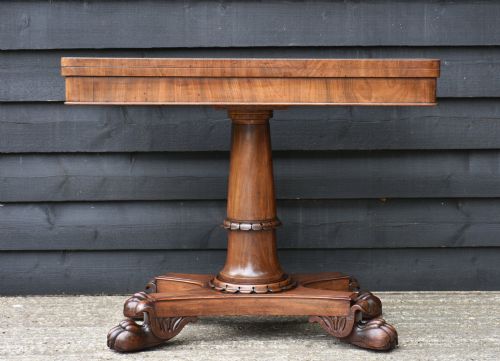
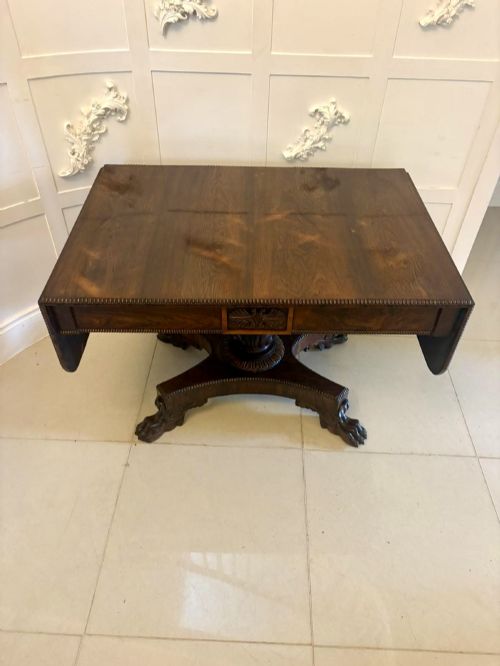
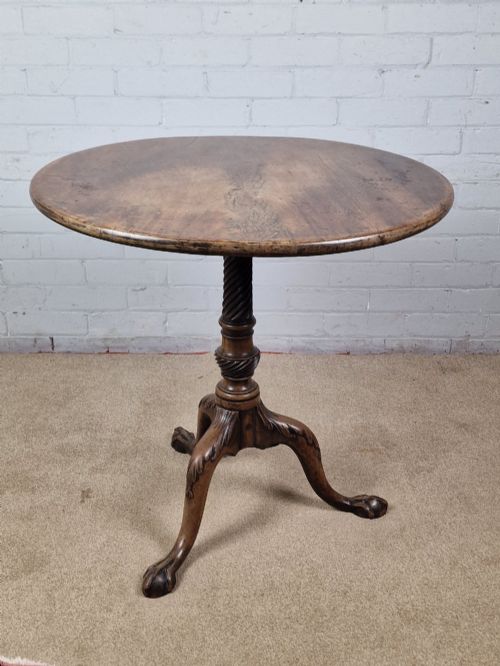
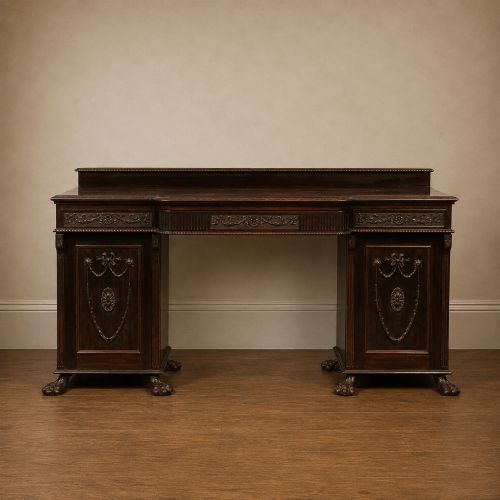
A georgian claw foot table covers a wide variety of domestic furniture, most commonly appearing on this page as card tables, drop-leaf dining tables, tea tables, and occasional tripod tables. These forms span multiple eras, including authentic eighteenth-century examples from the George II and George III periods alongside later nineteenth-century pieces and twentieth-century revivals.
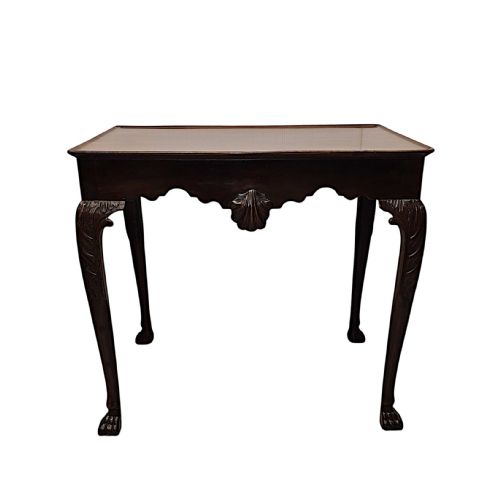
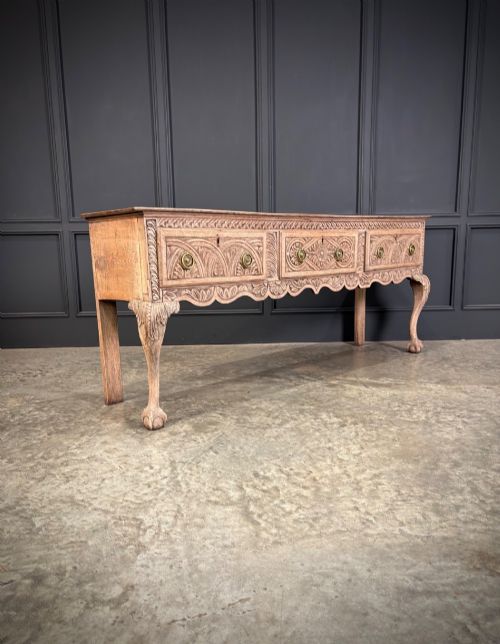
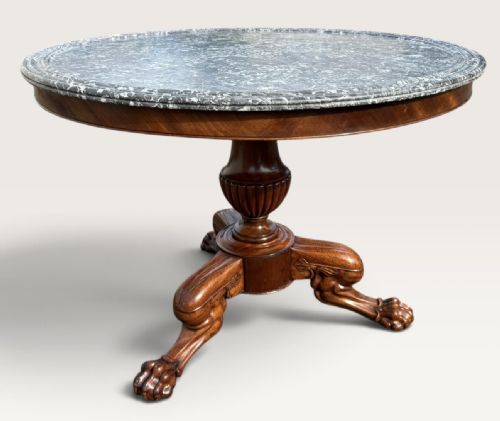
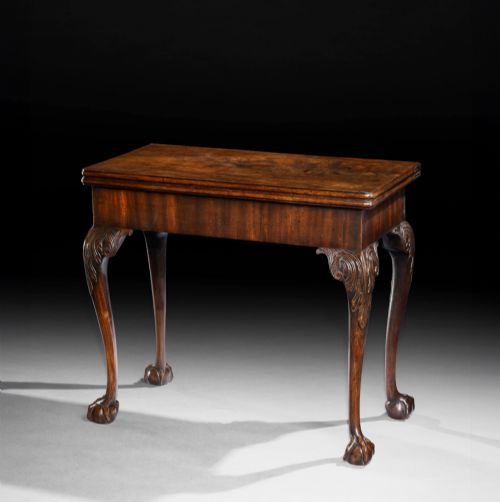
The defining characteristic across these listings is the presence of heavy carved supports terminating in paw or claw-and-ball feet, often paired with cabriole legs. Originating primarily in English and Irish workshops, these tables served practical daily functions for dining, gaming, and tea service before evolving into decorative centrepieces.
Buyers encountering this selection will find surfaces configured for specific uses, such as concertina action card tables, tilt-top mechanisms with birdcage supports, and drop-leaf formats. Woods such as mahogany, walnut, and rosewood dominate the surviving stock, reflecting the favored timbers of both the original makers and later revivalists.
How they were made
Construction relies heavily on dense hardwoods such as mahogany, walnut, and rosewood, frequently selected for figured grains, flame patterns, or burr surfaces. These timbers were joined using traditional cabinet-making methods, including mortise and tenon joints and dovetailed framing for drawers.
Carving defines the lower sections, where artisans shaped solid timber into cabriole legs terminating in detailed claw-and-ball or paw feet. Mechanisms like concertina actions for card tables and birdcage pivots for tilt-top tables required precise mechanical joinery using brass hinges and internal pivots.
Georgian Claw Foot Table Retail Price Guide 2026
Typical asking prices for georgian claw foot table among the pieces listed under this phrase on Sellingantiques today, from the lower quarter to the upper quarter. They describe what is for sale here now, not the wider market.
Several tables feature hidden compartments inside concertina frames or beneath tilt-top mechanisms once used for storing coins and playing cards.
What varies in quality
The refinement of the carving on the feet and knees dictates much of the visual distinction between examples, moving from simple rounded pads to deeply articulated talons gripping spheres. Crispness in the execution of acanthus leaves on cabriole legs separates standard production from superior workshops.
The choice of timber grain, such as heavily figured flame mahogany or selected walnut veneers, alters the optical depth of the piece. Superior construction also shows in the retention of original mechanisms, tight joints, and uncompromised internal framing.
Giles Grendey·Walker And Hall·Desbois And Wheeler·Muirhead Moffat And Co
The Georgian Claw Foot Table Glossary
- Cabriole leg
- A furniture leg that curves out in an arc and tapers inward toward the foot, mimicking animal limb shapes. This form became standard during the early eighteenth century.
- Claw-and-ball foot
- A carved furniture foot depicting a bird's talon clutching a spherical ball. It frequently terminates the bottom of a cabriole leg on tables from the Georgian period.
- Tilt-top mechanism
- A hinge and pivot arrangement allowing the table surface to rotate vertically and lock flat when not in use. This saved floor space in smaller eighteenth-century rooms.
- Concertina action
- An expanding table frame that opens like a bellows to support fold-over leaves on card tables. It provides uniform leg placement at all four corners when fully extended.
- Birdcage mechanism
- A rotating wooden framework beneath a table top that allows the surface to both tilt and spin. It uses small vertical spindles resembling a cage.
Georgian Claw Foot Table: Frequently Asked Questions
What is a tilt top table used for?
A tilt top table served as a versatile surface for dining, reading, or tea that could be folded flat and stored against a wall when floor space was needed. The pivoting mechanism allowed the heavy timber top to remain out of the way in smaller domestic settings.
Today, these pieces function effectively as accent furniture in living rooms or hallways where a decorative surface is required without a permanent footprint.
What wood was used for Georgian tables?
Mahogany was the primary timber used for high-status Georgian tables due to its strength and dark, rich grain. Walnut and oak also appear frequently, particularly in earlier examples from the first half of the eighteenth century.
Cabinet makers often selected figured veneers, such as flame mahogany or burr walnut, for the table tops to create decorative visual patterns.
Are these tables suitable for everyday dining?
Drop-leaf and pedestal dining tables from this era were built for functional daily use in period homes. Their solid hardwood construction and sturdy frame designs allow them to withstand regular seating arrangements.
Care should be taken with polished timber surfaces, using appropriate protection against moisture and heat just as one would with any antique wooden furniture.