


Georgian Ceramic Dishes
Georgian ceramic dishes bring the refined hand-painted botanical motifs and blue-and-white transfer prints of the eighteenth and early nineteenth centuries to the table.
Georgian Ceramic Dishes
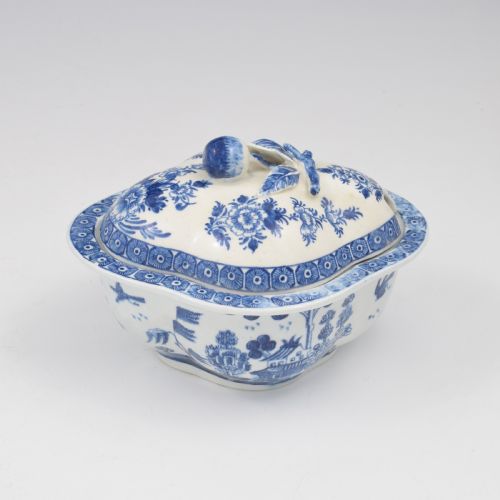
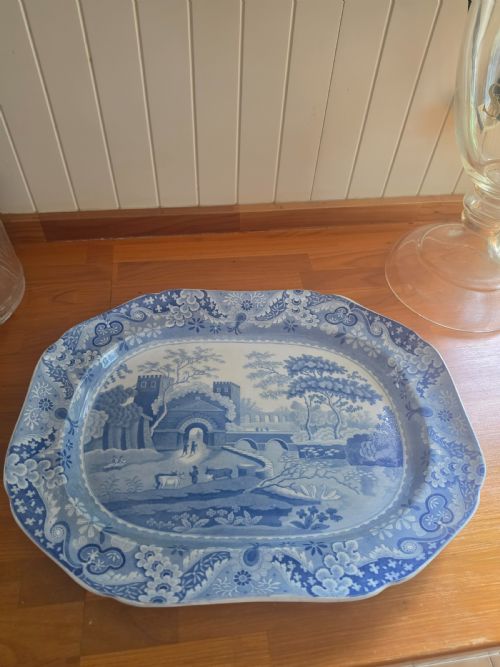
When searching for georgian ceramic dishes, buyers encounter a diverse range of serving platters, tureens, chargers, and dessert services originating from eighteenth and nineteenth-century English factories. The pieces reflect the domestic dining habits of the period, spanning from simple earthenware vessels to elaborate porcelain dessert dishes.
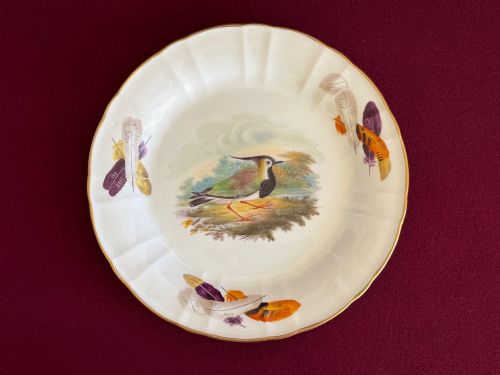
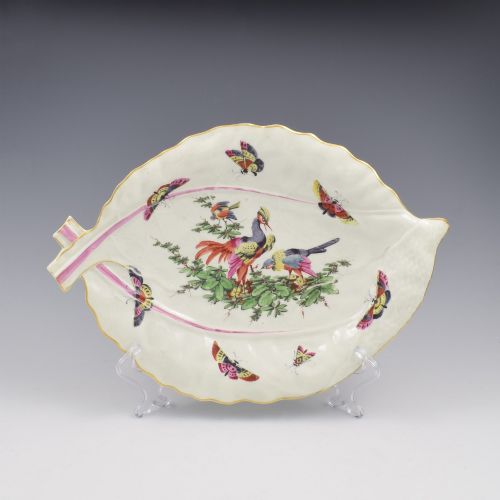
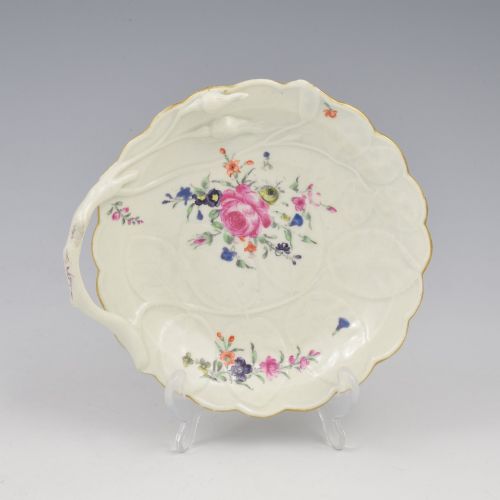
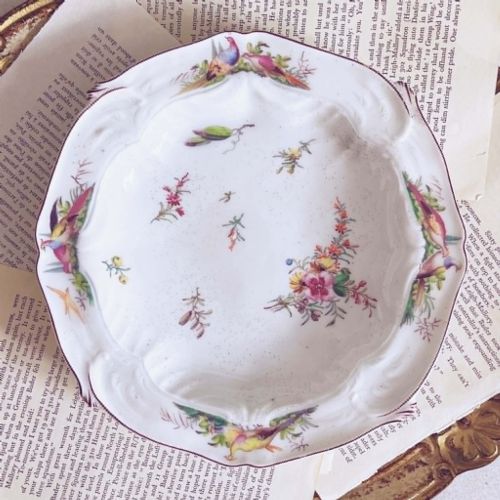
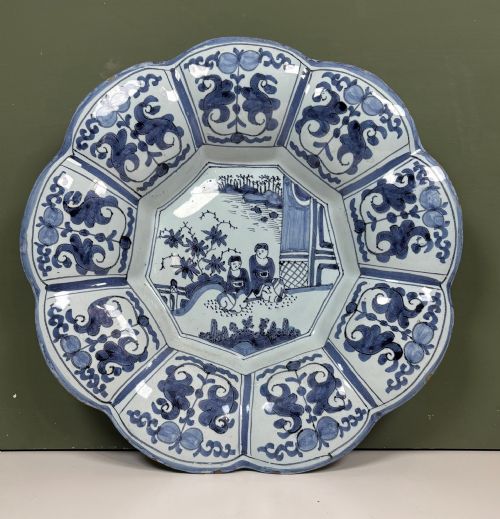
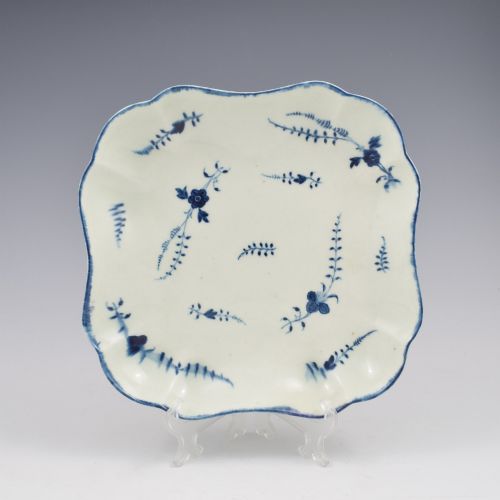
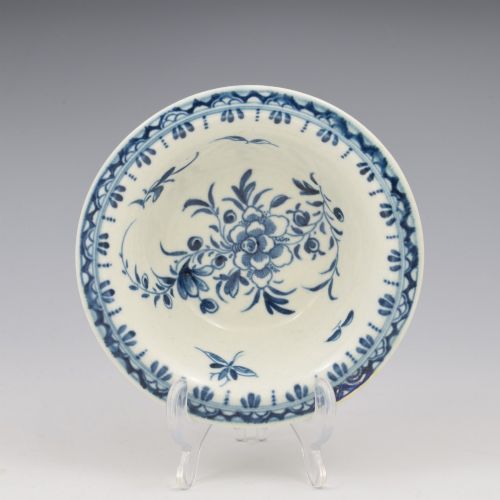
The selection here includes early tin-glazed Delftware chargers, creamware platters with armorial details, and bone china plates featuring hand-painted birds and floral patterns. Many items originate from notable factories of the eighteenth and nineteenth centuries, including Worcester, Spode, and Wedgwood.
How they were made
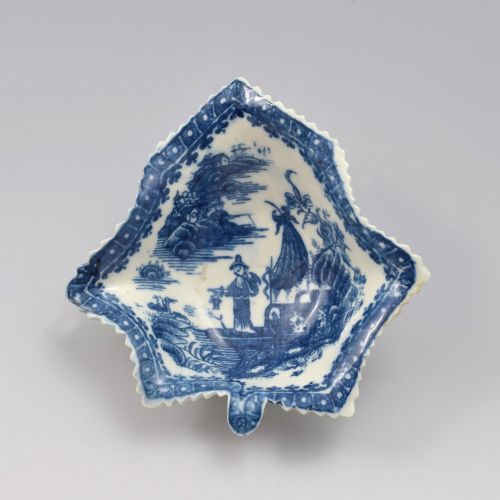
Potters shaped these wares using soft-paste porcelain, bone china, ironstone, and earthenware, often applying an opaque tin glaze or a translucent lead glaze before firing. Decoration relied heavily on hand-painted polychrome pigments, underglaze blue painting, and early transfer-printing techniques.
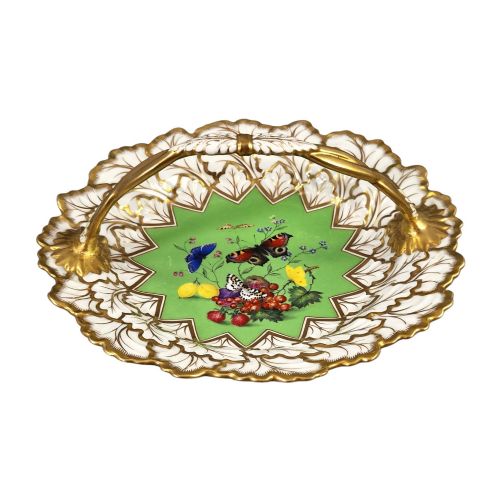
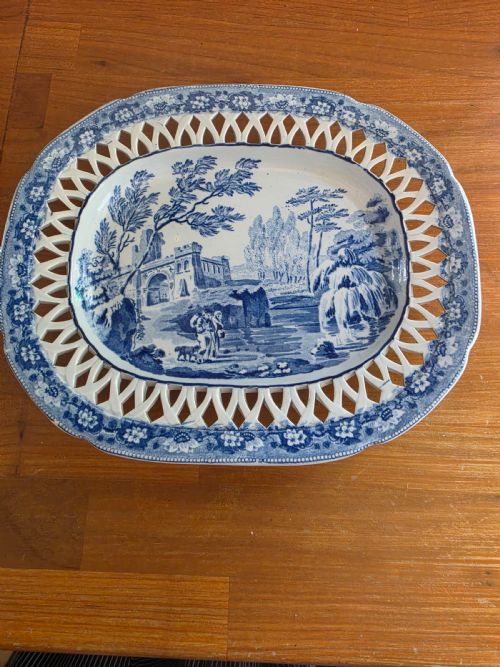
Specialised items such as saltglazed chargers and creamware baskets required precise moulding and piercing while the clay remained damp. Gilding with gold leaf was occasionally added as a final layer on finer porcelain dessert services.
The listings span earthenware, soft-paste porcelain, and ironstone across the eighteenth and nineteenth centuries.
What varies in quality
Quality in these wares is determined by the clarity of the transfer print, the precision of the hand-painted brushwork, and the crispness of the moulded relief. Early soft-paste porcelain pieces with hand-painted botanical or bird studies represent a higher level of artisan skill than mass-produced transfer-printed earthenware.
The refinement of the ceramic body and the smoothness of the glaze also separate standard utility wares from exhibition-quality cabinet pieces. Superior forms retain crisp factory marks and vibrant, well-preserved enamels without excessive kiln distortion.
Wedgwood·Caughley Porcelain·Derby Porcelain·Chelsea·Bow Porcelain·Flight, Barr And Barr·Davenport·Chamberlains Worcester·Spode·Hicks And Meigh·John Rogers And Son·J And R Clews
The Georgian Ceramic Dishes Glossary
- Charger
- A large decorative plate or platter, typically measuring over thirty centimetres, used for display or serving during the eighteenth century.
- Creamware
- A refined earthenware developed in Yorkshire and Staffordshire during the mid-eighteenth century, known for its warm ivory tone and lead glaze.
- Transfer-printing
- A decoration technique where an engraved copper plate transfers a design onto tissue paper and then onto the ceramic surface before firing.
- Soft-paste porcelain
- An artificial porcelain composition fired at lower temperatures than hard-paste, common in eighteenth-century English factories such as Bow and Chelsea.
- Kakiemon
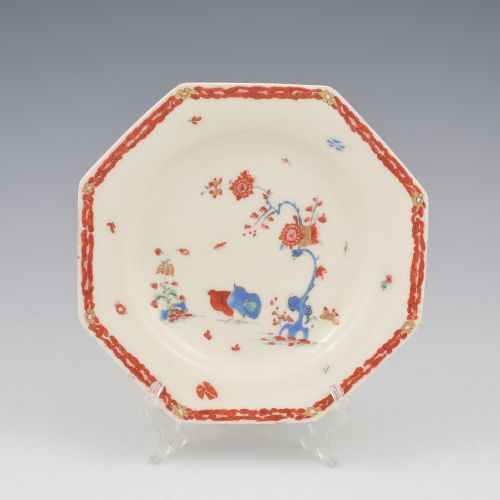
- A Japanese enamel style featuring asymmetric floral and bird motifs, widely copied by eighteenth-century English porcelain manufactories.
Georgian Ceramic Dishes: Frequently Asked Questions
How do I care for antique ceramic dishes?
Wash these pieces strictly by hand in lukewarm water using mild detergent, avoiding dishwashers and harsh scouring pads entirely.
Store them securely in plate racks or use felt dividers between stacked platters to protect the delicate glazes and hand-painted enamels.
Were these pieces used for dining?
Many of these vessels served practical functions at the Georgian table, holding meats, soups, sauces, and desserts during multi-course meals.
Larger chargers and decorative baskets were often reserved for display on sideboards or centrepieces rather than everyday dining.
How can I tell the difference between earthenware and porcelain?
Earthenware is an opaque, porous pottery body that feels heavier and thicker, whereas porcelain is vitrified, finer, and often translucent when held to the light.
Early soft-paste porcelain wares also show distinctive glaze pooling and unglazed footing areas known as kiln scars.
What is the difference between transfer-printed and hand-painted wares?
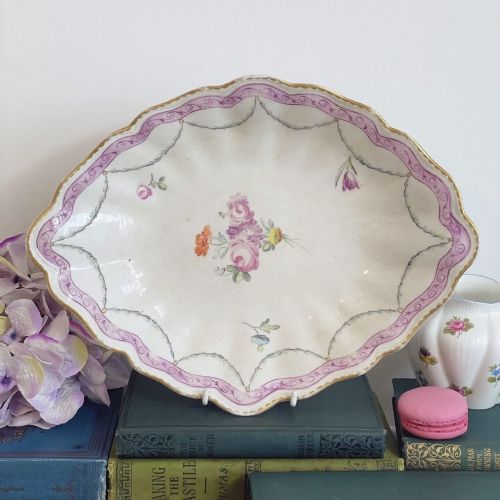
Hand-painted pieces display subtle brush strokes, slight variations in pigment depth, and the individual hand of the decorator across each vessel.
Transfer-printed items feature repeated, mechanically exact lines applied via copper plates, which became common in the nineteenth century.