


Georgian Carved Oak
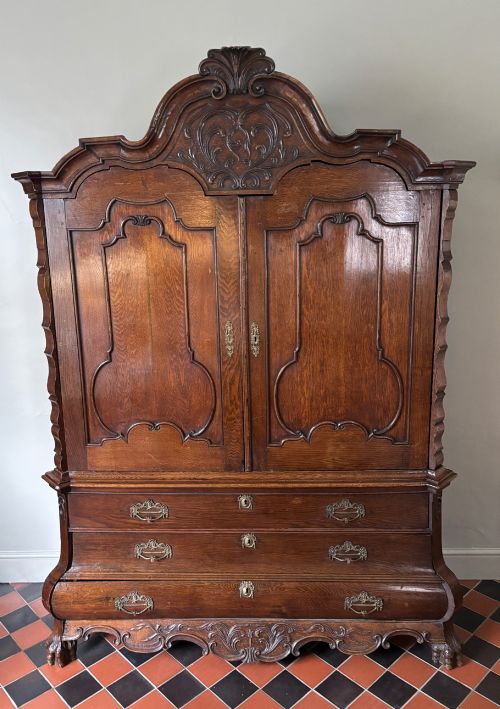
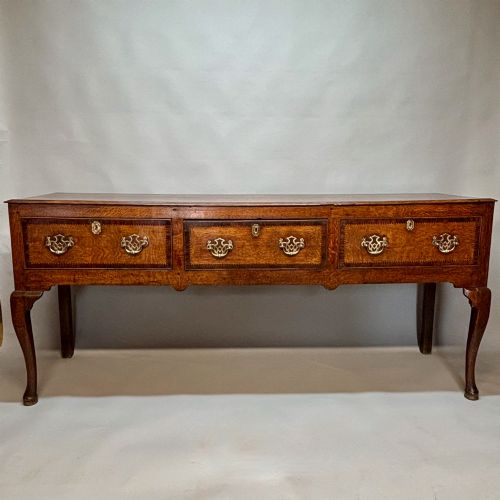
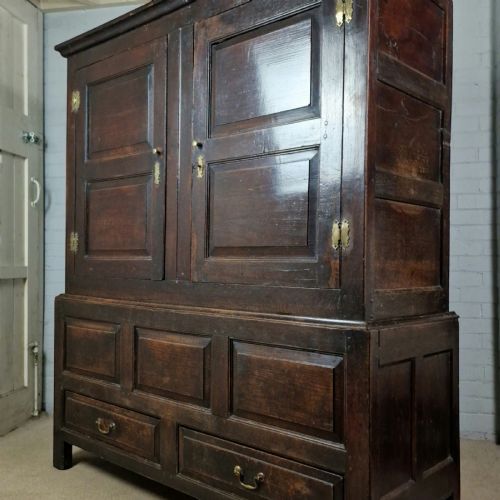
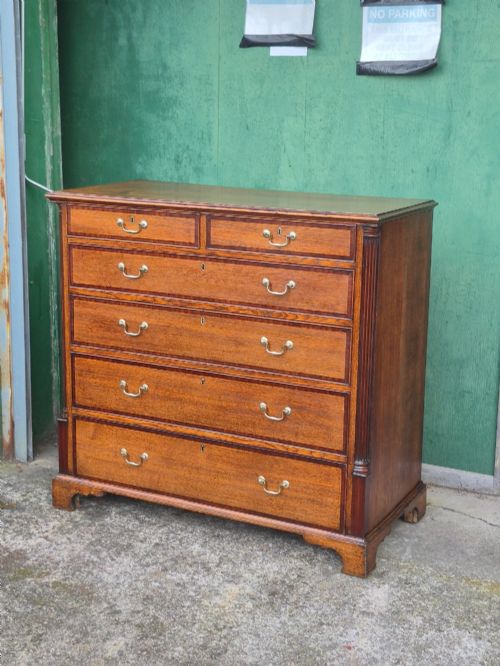
Georgian carved oak brings robust country craftsmanship and rich patination directly into domestic interiors.
Georgian Carved Oak
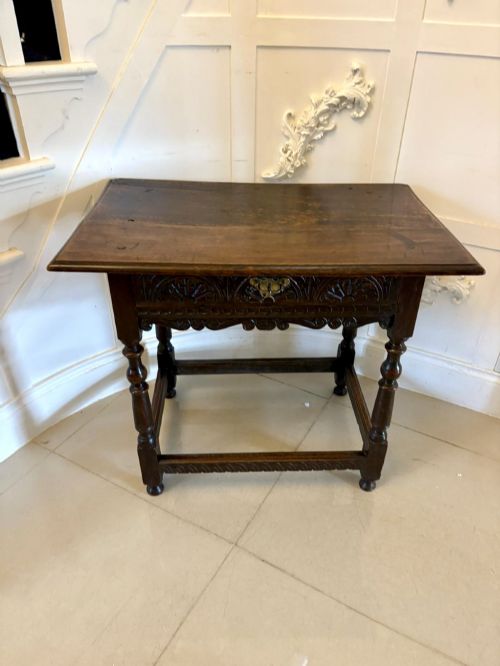
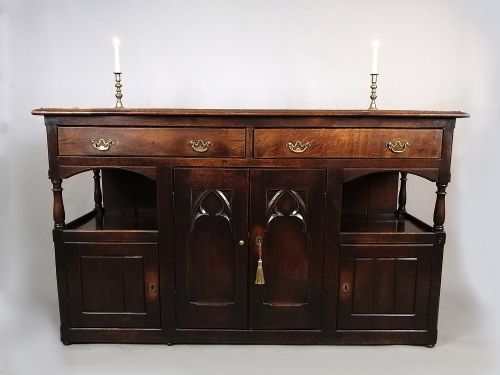
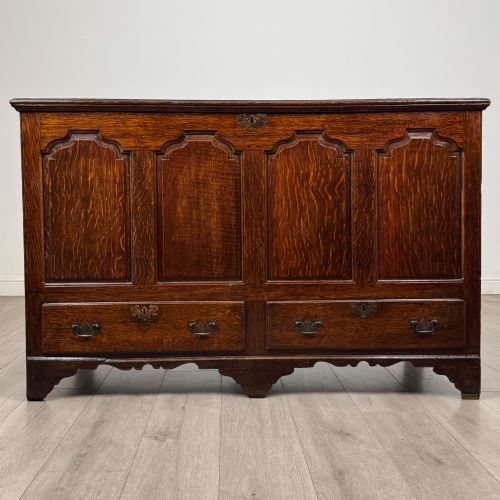
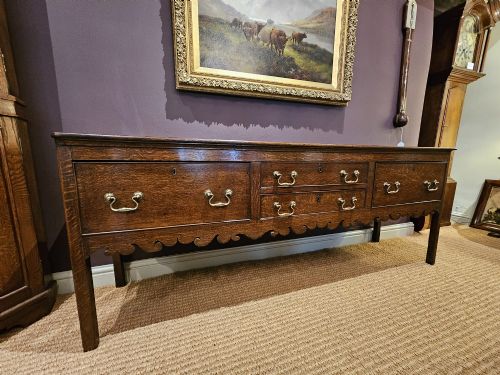
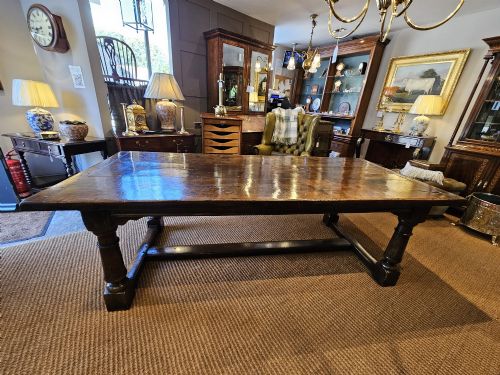
Georgian carved oak encompasses a durable domestic repertoire spanning seating, storage and dining furniture designed for functional everyday utility. Buyers searching for georgian carved oak regularly encounter large case pieces such as dressers, coffers and court cupboards alongside refectory tables and wainscot armchairs.
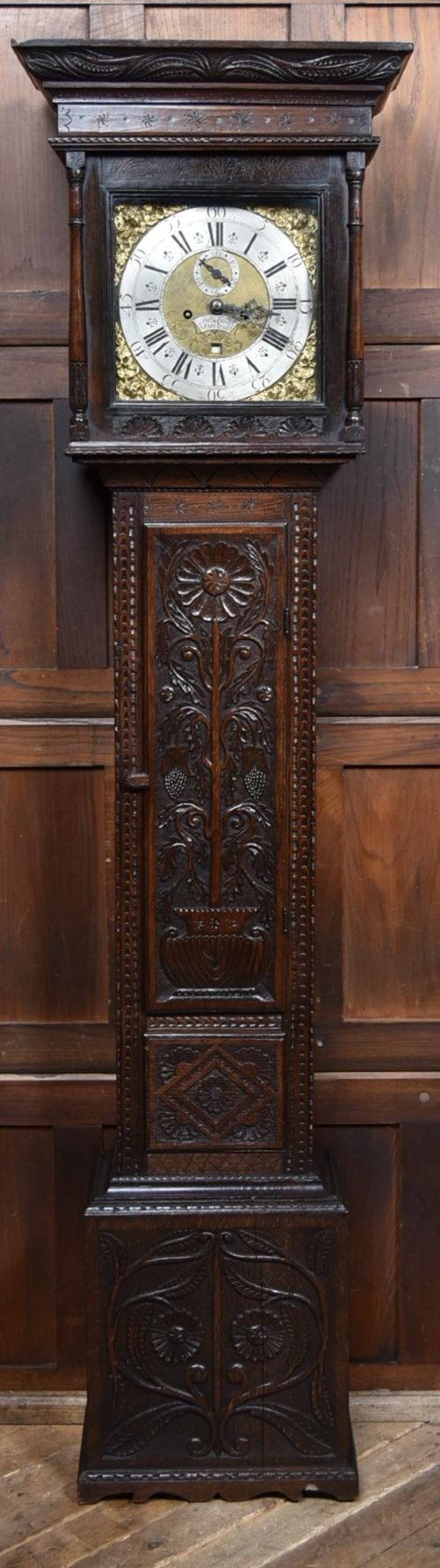
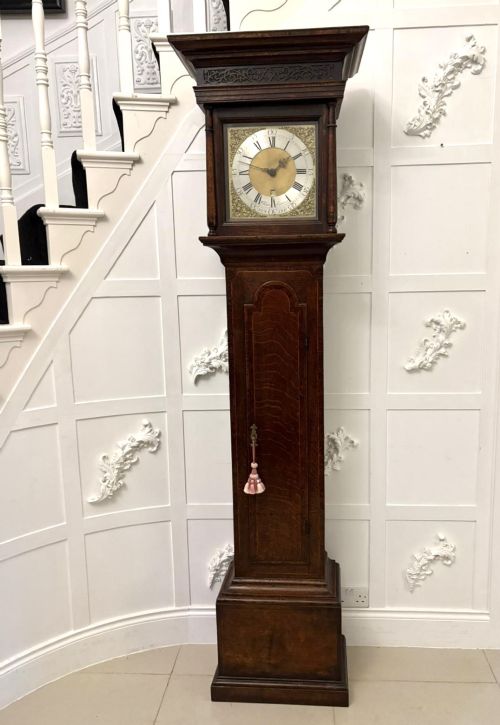
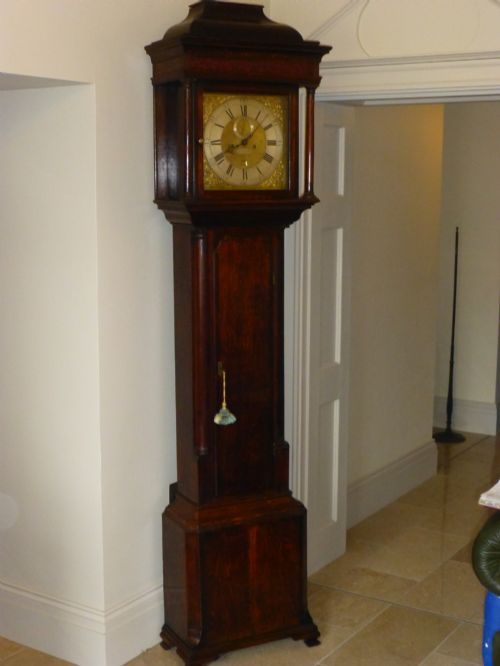
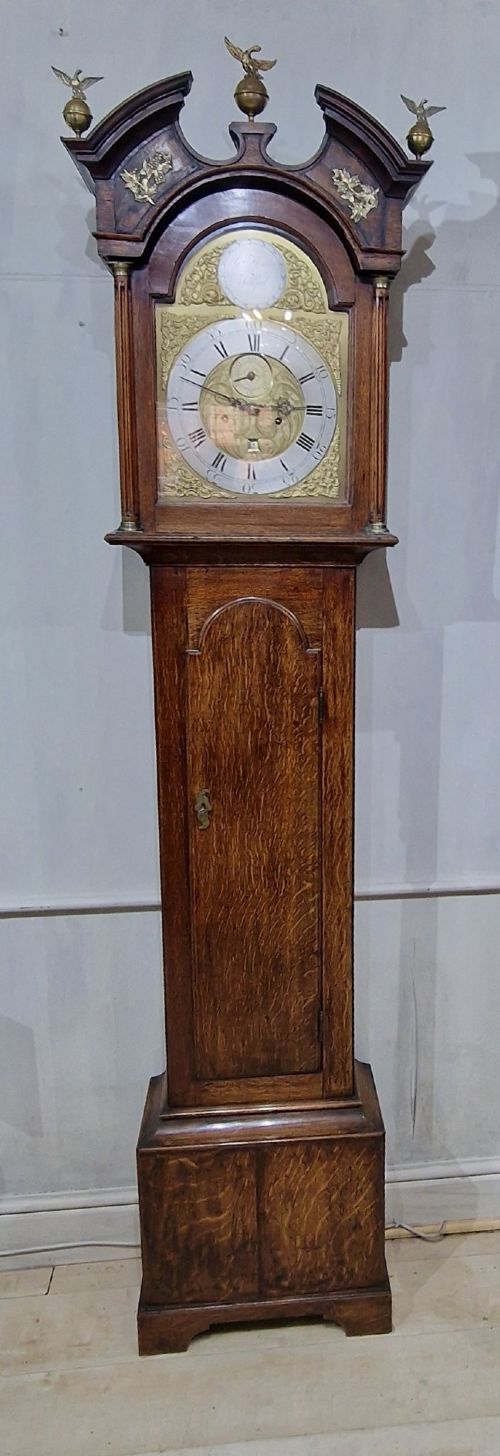
The material reflects regional English and Welsh vernacular traditions from the eighteenth century, often displaying geometric mouldings, panels and carved motifs. Examples range from simple lowboys and candle boxes to substantial longcase clocks and bureau bookcases.
Domestic interiors benefit from the sturdy character of these items, which bring grounding architectural presence and tactile grain to modern and traditional rooms alike. The survival of original brass hardware, locks and keys on many chests and cupboards further enhances their historical integrity.
Materials and construction
Makers utilised solid English and Welsh timber, frequently combining primary oak with secondary woods and occasionally incorporating burr oak, walnut or fruitwood for decorative contrast. Structural assembly relied on traditional joinery methods such as mortise and tenon joints secured with wooden pegs.
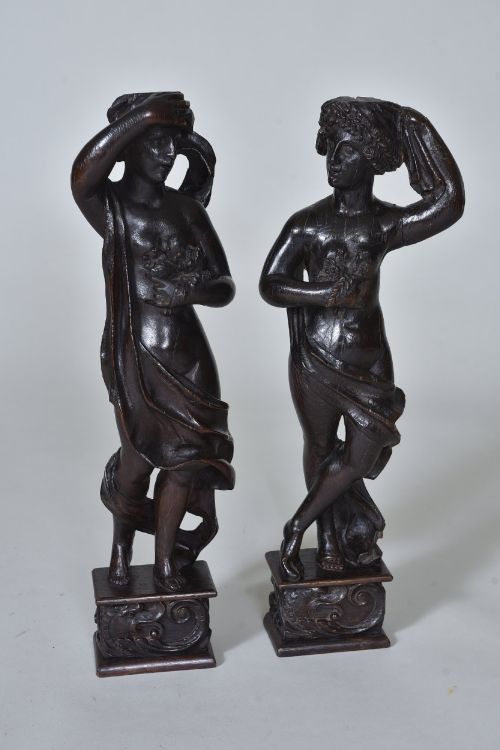
Surface enrichment involved hand carving, chip carving and bobbin turning executed with chisels and gouges directly into the dense grain. Iron and brass hardware including hinges, escutcheons and drawer pulls were hand-forged or cast to complement the heavy timber frames.
Craftmen carved whimsical winged hippocampi, griffins, wyverns and squirrels directly into sturdy seventeenth and eighteenth century panels.
The spectrum of quality
Quality in these items depends on the depth and crispness of the hand carving, the thickness of the timber boards, and the retention of original surface patination. Pieces that retain their early hardware, untouched polish and original bases command greater regard than those with extensive timber replacement.
Proportion and architectural balance separate standard vernacular furniture from exceptional cabinet work, particularly in complex forms like court cupboards and longcase clock cases. The integrity of the internal construction, including original drawer linings and backboards, dictates the enduring merit of the piece.
The Georgian Carved Oak Glossary
- Coffer
- A large wooden chest used for storage, typically featuring hinged lids and panelled construction. They often display intricate front carvings and serve as precursors to modern blanket boxes.
- Lowboy
- A small side table with drawers, raised on four legs and frequently serving as a dressing table or serving surface. These items showcase fine joinery and compact proportions.
- Wainscot armchair
- A heavy wooden chair constructed with panelled backs and solid wooden seats, typical of earlier vernacular domestic settings. They demonstrate robust joinery and architectural carving.
- Refectory table
- A long dining table designed for communal dining, constructed with sturdy legs connected by floor-level stretchers. They provide substantial surface area and prominent timber grain.
- Cwpwrdd Tridarn
- A traditional Welsh three-tier cupboard used for food storage and displaying household plate. These architectural pieces feature open tiers above enclosed cupboards.
Georgian Carved Oak: Frequently Asked Questions
How do I care for oak furniture?
Keep wooden pieces away from direct heat sources and sudden humidity shifts to prevent timber splitting. Apply traditional beeswax periodically to nourish the grain and maintain a soft sheen without building up heavy chemical residues.
Dust surfaces gently with a dry, soft cloth rather than using silicone-based polishes. Proper environmental control ensures the original patination continues to deepen naturally over time.
What is a coffer used for?
Historical households utilised coffers primarily for storing textiles, linen, valuables and dried foodstuffs away from damp floors. Their sturdy construction allowed them to double as seating benches or tables inside busy rooms.
Today, these chests provide practical storage solutions at the foot of beds or inside hallways. Their flat tops also offer convenient display space for lamps and decorative objects.
How do I identify a Welsh dresser?
Welsh dressers combine a lower base of drawers and cupboards with open shelving tiers above for displaying pottery and pewter. Regional variations often incorporate projecting cornices and distinctive panel layouts unique to local cabinet makers.
Examining the internal drawer construction and timber species helps confirm regional provenance. Many examples utilise local oak boards paired with secondary woods for internal partitions.
What defines vernacular furniture?
Vernacular furniture refers to utilitarian pieces made by regional craftsmen for local use rather than high-fashion items produced for urban elites. These objects prioritise functional utility, sturdy construction and local material availability over strict adherence to academic design rules.
Such items display charming regional eccentricities in their carving styles and assembly techniques. This localized approach gives each piece a distinct personality rooted in its geographical origin.