




Carved Oak Wall Accent
A carved oak wall accent brings rich grain and deep relief directly into a room, offering both history and texture for interior display.
Carved Oak Wall Accent
A carved oak wall accent encompasses functional mirrors, architectural salvage, and decorative elements mounted directly to surfaces. These items range from pre-sixteenth century architectural fragments to late nineteenth century revival pieces.
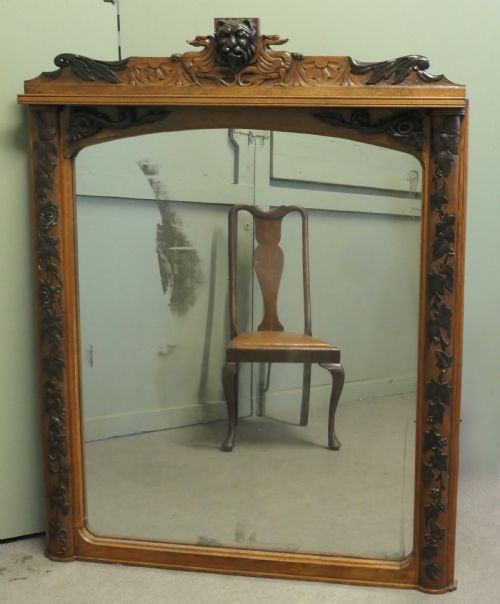
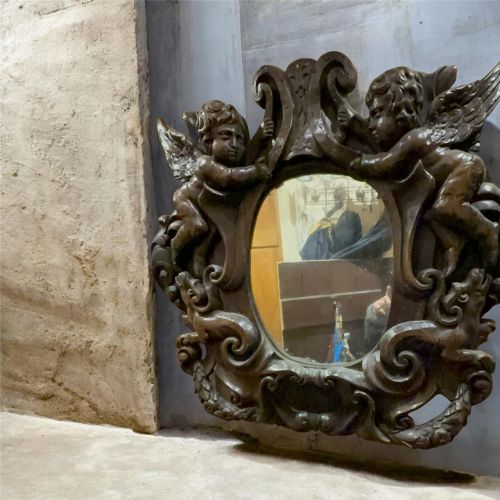
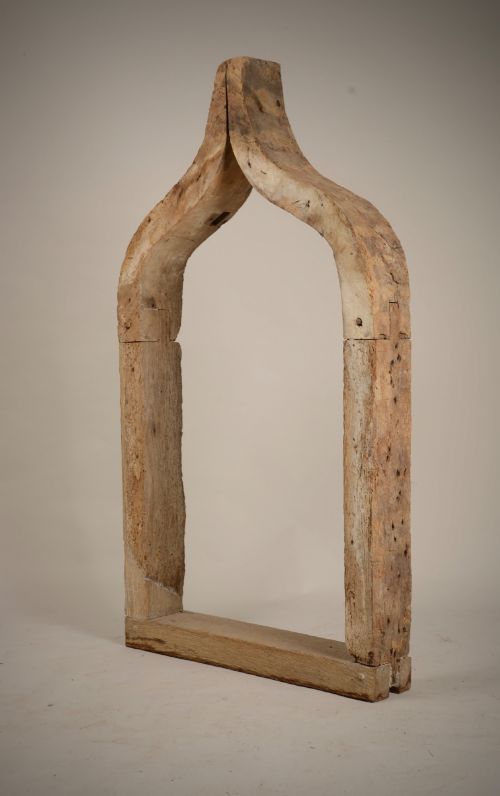
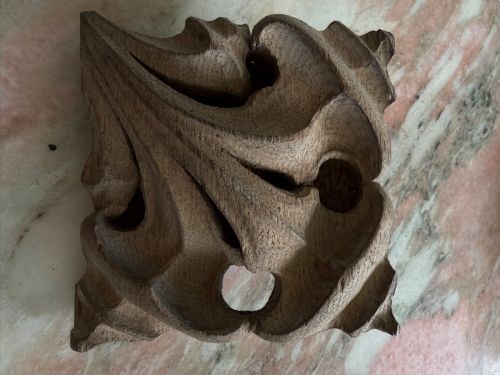
The version most commonly met on this page is the carved oak wall mirror, often framed in heavy timber with Dutch Baroque, Victorian, or Gothic influence. Buyers also encounter pierced ceiling bosses and historic window frames alongside occasional console tables and taxidermy.
Originating across diverse European periods from the medieval era through the Art Deco epoch, these items utilise robust woods to anchor interior spaces. The inventory spans eighteenth century Georgian forms up to nineteen-thirties modernist expressions.
How they were made
Makers shaped these items primarily from solid timber and carved oak, utilising hand tools to achieve deep relief work and pierced details. Joinery techniques relied on traditional methods suited to heavy wood construction.
Secondary ornamentation frequently incorporates gesso and gold leaf, particularly on French Rococo Revival and Victorian pieces where metallic highlights contrast against the dark wood. Mirrored glass and clear window glass are integrated into frames designed for wall hanging.
Materials recorded across the inventory include oak, walnut, mirrored glass, gesso, and gold leaf.
What varies in quality
The distinction between tiers rests upon the crispness of the hand carving and the depth of the relief work. Superior examples display confident chisel marks and balanced proportions, whereas simpler items show softer details and mechanical uniformity.
Material selection and surface preservation dictate the upper range, with original patinated timber and intact gilding commanding greater appreciation. Altered frames and stripped surfaces place items further down the scale of historical integrity.
The Carved Oak Wall Accent Glossary
- Ceiling boss
- A projecting block of stone or carved timber set at the intersection of ribs in a ceiling. These architectural elements often feature intricate leaf or botanical motifs.
- Gesso
- A plaster-like mixture applied to wood as a base for paint or gold leaf application. It allows artisans to model fine decorative relief before gilding.
- Rococo Revival
- A nineteenth century design movement reviving the asymmetrical scrolls, C-curves, and naturalistic shell motifs of the eighteenth century. It appears frequently in ornate mirror frames.
- Architectural salvage
- Building components rescued from demolition or renovation for decorative reuse. Pieces range from medieval window frames to timber panels.
- Pierced work
- Openwork ornamentation created by cutting completely through the substance of the material. This technique provides lightness and intricate shadow play on heavy wood.
Carved Oak Wall Accent: Frequently Asked Questions
What is architectural salvage?
Architectural salvage consists of rescued building elements such as timber frames, ceiling bosses, and decorative mouldings taken from historic structures. These pieces retain their original craftsmanship and material character.
They are repurposed as wall accents to introduce genuine historic depth into modern interior schemes.
How do I clean carved oak?
Dust carved oak surfaces gently using a soft, dry brush to reach into the recesses of the relief carving without abrading the timber. Avoid liquid cleaners and silicone-based polishes that build up in the grain over time.
Occasional application of a microcrystalline wax helps protect the wood and preserves the natural patina without adding artificial shine.
How do I date a carved oak frame?
Dating relies on stylistic markers such as the asymmetry of Rococo Revival curves or the geometric precision of Art Deco alongside tool marks left on the wood. Examination of the assembly methods and backing materials also provides clear clues to the period of origin.
Comparing the decorative motifs against documented historical periods helps narrow the decade of production.