



Pierced Oak Carving
Pierced oak carving delivers architectural depth and openwork texture, spanning centuries from domestic panels to grand seating.
Pierced Oak Carving
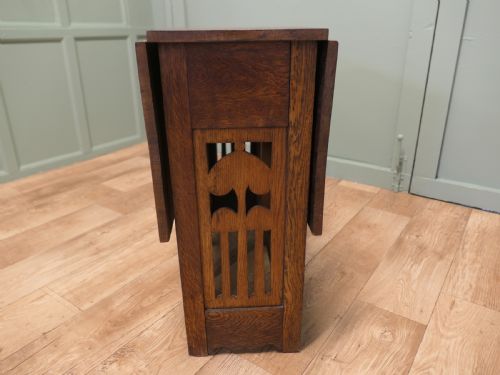
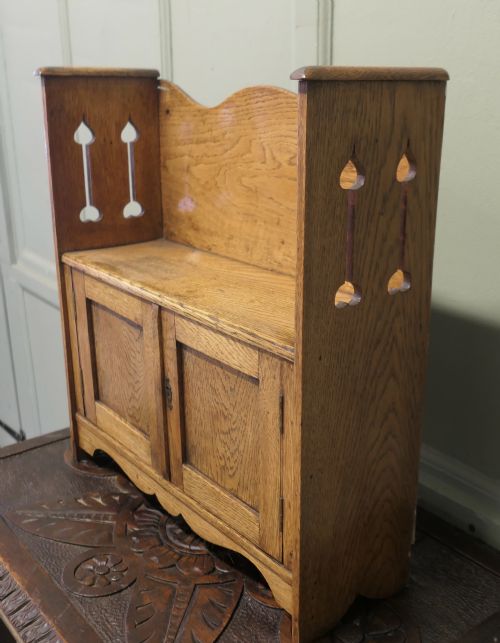
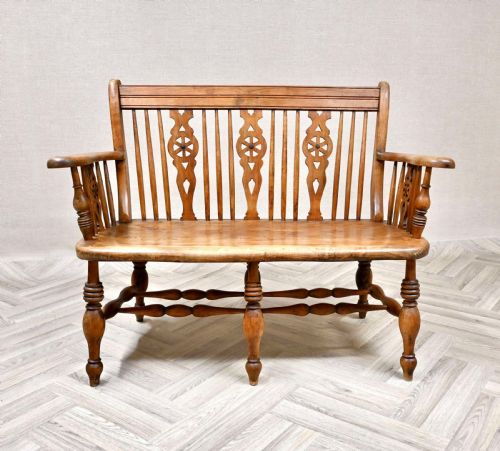
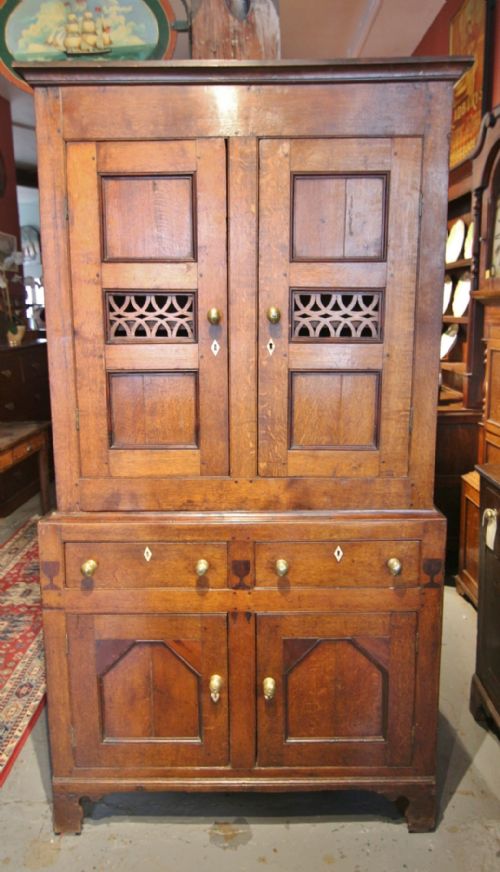
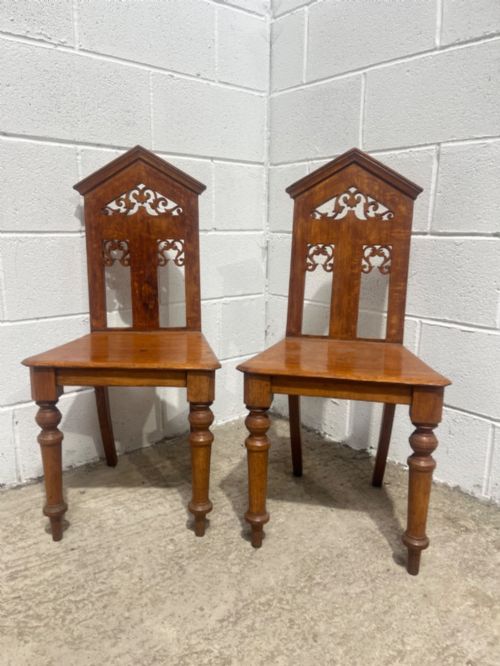
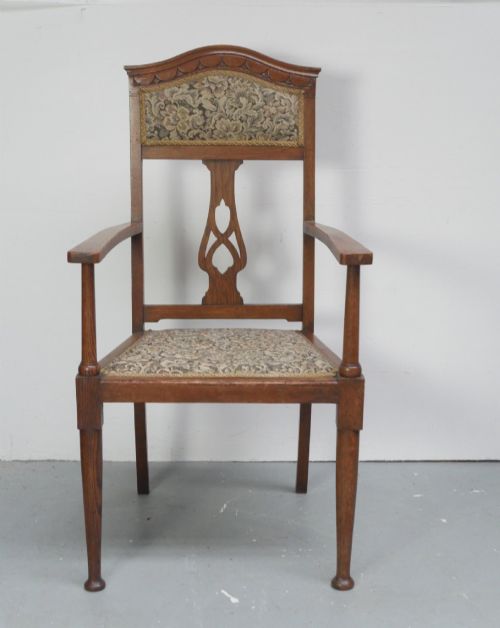
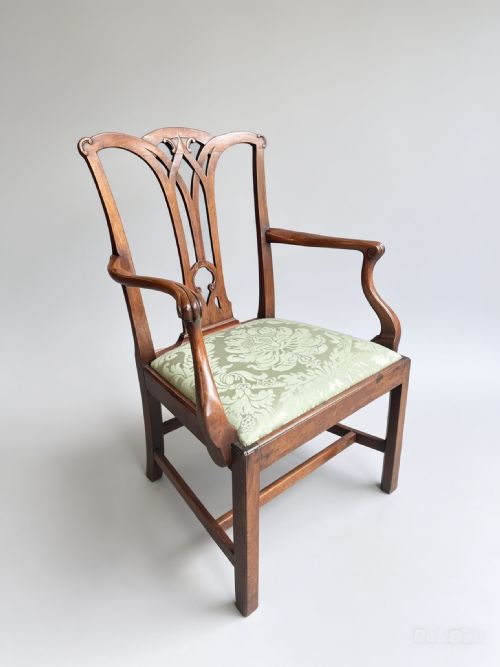
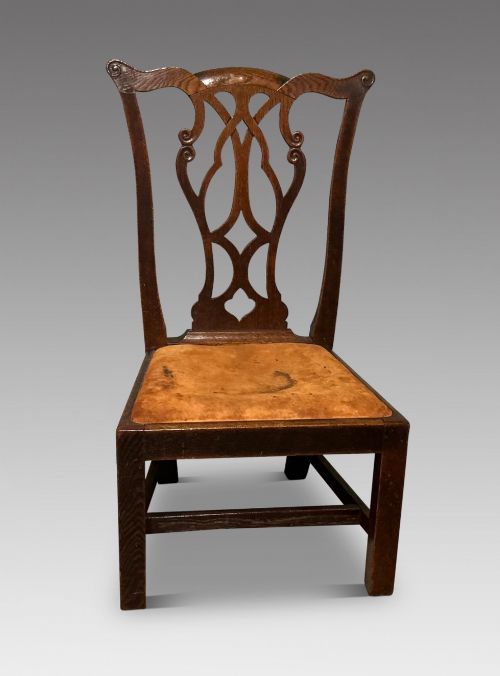
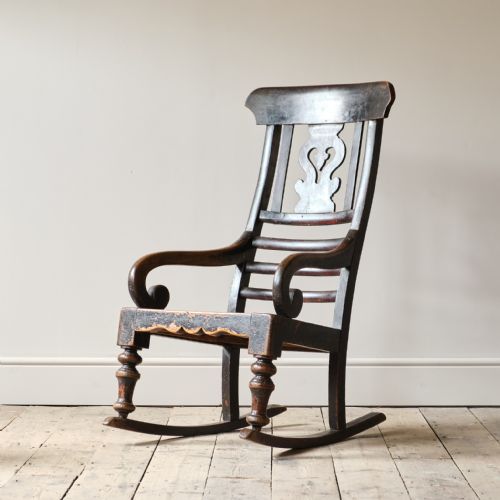
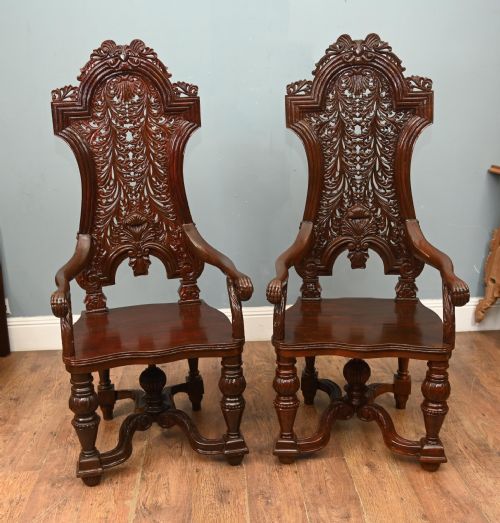
Pierced oak carving brings together architectural elements, seating, and storage shaped by openwork techniques. A buyer examining this phrase meets architectural salvage, ceiling bosses, overdoor panels, and wall mirrors alongside seating like hall chairs, armchairs, and stools.
The pieces emerge predominantly from seventeenth-century panels through to nineteenth-century revival work and twentieth-century Arts and Crafts items. Oak serves as the foundational timber across these forms, often paired with secondary materials like elm, ash, and brass fittings.
How they were made
Makers utilised solid oak boards, framing timber with traditional joinery before applying hand-cut openwork, fret-cutting, and chip carving. Surfaces received finishing touches ranging from simple wax to partial paint, highlighting the natural grain of the timber.
Structural elements incorporated auxiliary woods such as elm and ash where required for seating components, while mirrors and cabinets integrated glass and brass hardware to complete the functional design.
Oak dominates the material record, accompanied by elm, ash, brass, glass, and leather across tables, chairs, and mirrors.
What varies in quality
Quality rests upon the crispness of the openwork and the depth of the carving relative to the thickness of the oak board. Relief work that retains sharp contours and deliberate undercutting separates superior panels and furniture from softer, mechanically smoothed interpretations.
The integrity of the timber selection dictates longevity, with tight-grained oak showing greater stability in pierced designs than weaker stock prone to splitting along the cutouts.
Edward Pearce·Goodyers of London
The Pierced Oak Carving Glossary
- Pierced carving
- Woodwork cut entirely through the board to create open spaces and negative shapes. This technique allows light to pass through panels, brackets, and furniture splats.
- Fret-cut
- A method of cutting thin patterns or negative spaces using a fine saw. It produces flat decorative elements found on bookshelves and mirrors.
- Ceiling boss
- A projecting block of carved wood placed at the intersection of ceiling ribs. These architectural ornaments often feature foliage or heraldic motifs.
- Chip carving
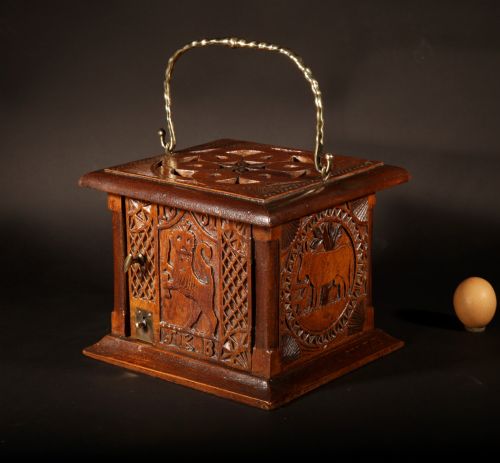
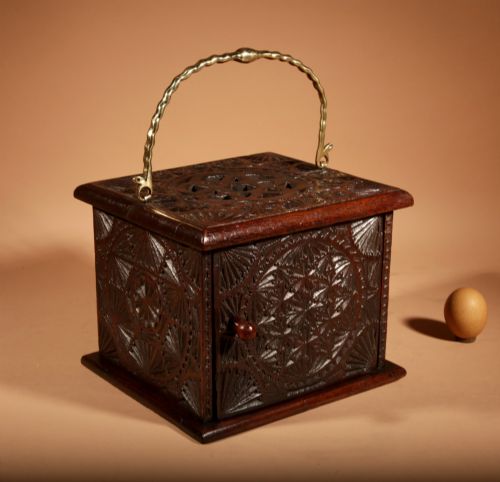
- A style of ornamentation created by removing small triangular chips from a wooden surface with a knife or chisel. It produces geometric patterns on small items like foot stoves.
- Acanthus
- A classical leaf ornament carved in repeating scrolls. This motif frequently appears on seventeenth-century baroque panels and revival furniture.
Pierced Oak Carving: Frequently Asked Questions
What is a pierced oak panel?
A pierced oak panel is a section of timber carved with openwork designs that pass completely through the board. These elements originated as architectural components for ceilings, overdoors, and wall schemes.
Craftsmen utilised the technique to introduce light and shadow into heavy timber interiors. Surviving examples now serve as standalone wall decorations or integrated furniture elements.
How do I date carved oak furniture?
Dating relies upon tool marks, construction methods, and stylistic motifs specific to periods like the seventeenth or nineteenth century. Examining the back of a panel or the underside of a seat reveals assembly clues.
Revival pieces from the Victorian and Edwardian eras often imitate earlier seventeenth-century styles. Comparing the crispness of the carving helps distinguish original work from later interpretations.
Where were ceiling bosses placed?
Ceiling bosses were fitted at the intersection of timber beams or ribwork in substantial buildings. They served as structural covers and decorative focal points overhead.
When removed, these carved wooden bosses function as sculptural wall art. Their deep leaf and botanical motifs reflect the architectural tastes of their period.
How do I care for antique oak?
Antique oak requires stable humidity levels and protection from direct sunlight to prevent timber movement. Applying a traditional beeswax polish maintains the surface sheen without building up heavy residues.
Avoiding synthetic cleaners preserves the historic patina developed over centuries of handling. Regular dusting with a soft, dry cloth keeps openwork carvings clear.