


Georgian Carved Oak Box
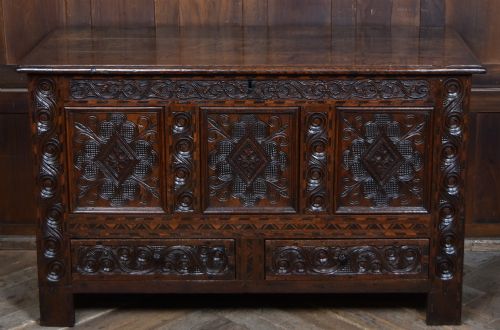
A georgian carved oak box brings tactile warmth and centuries of utilitarian history straight into a room.
Georgian Carved Oak Box
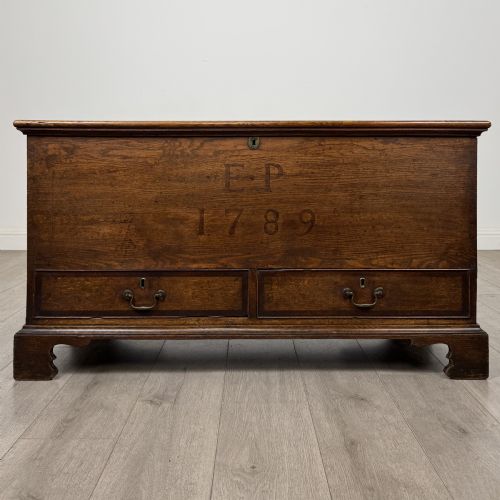
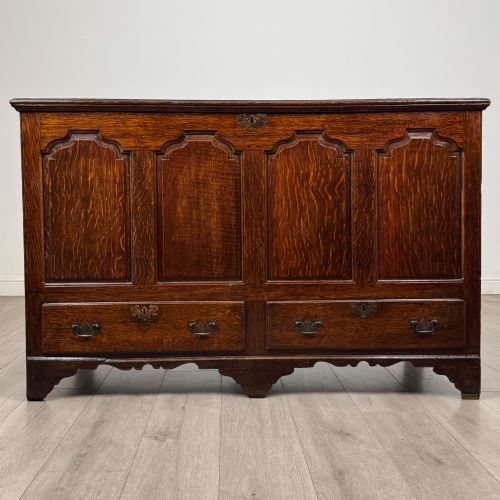
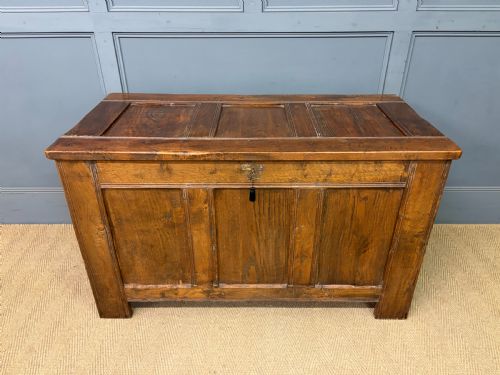
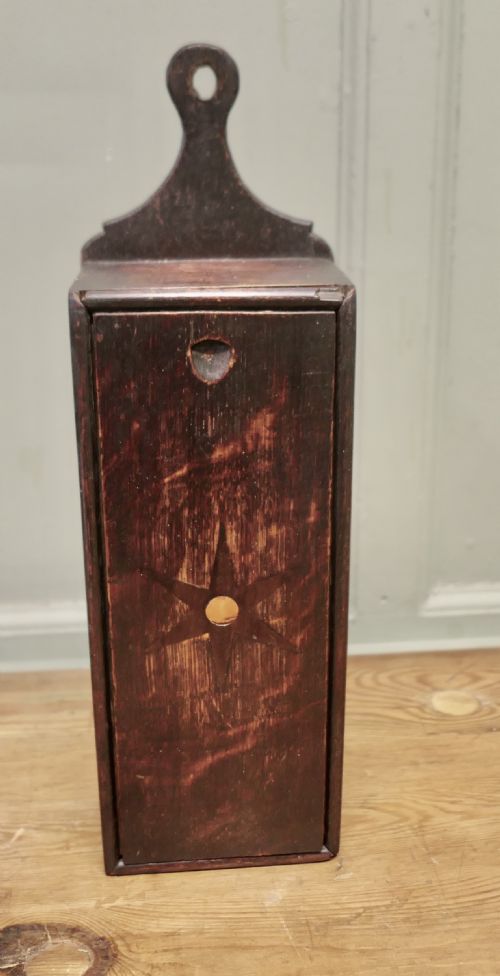
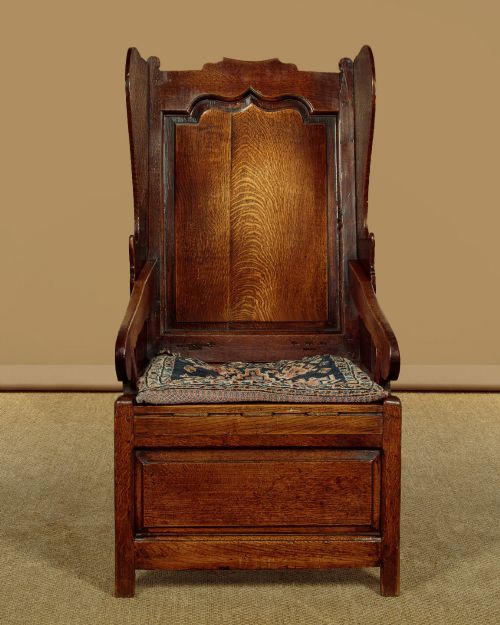
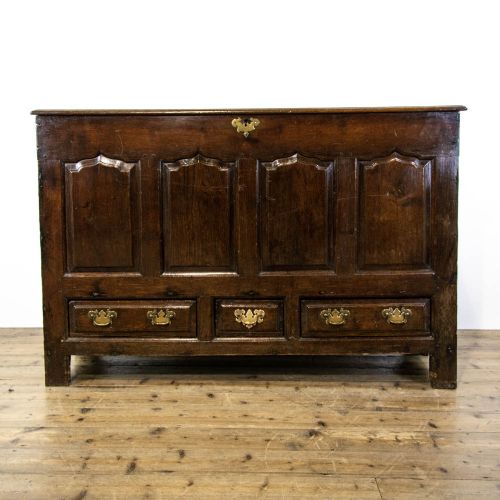
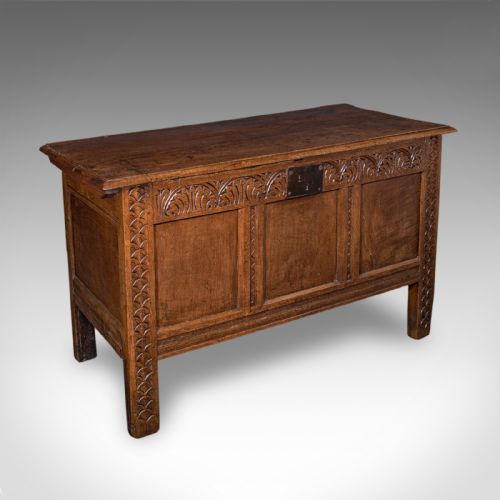
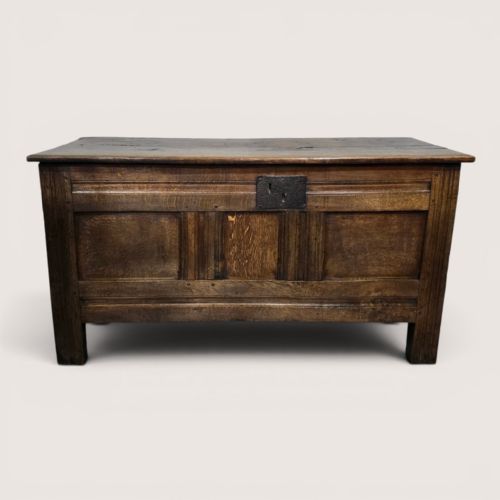
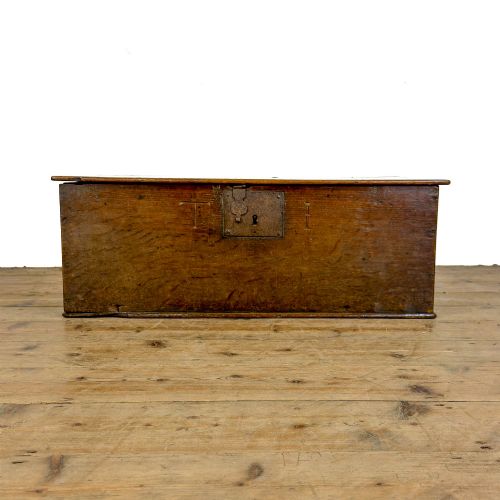
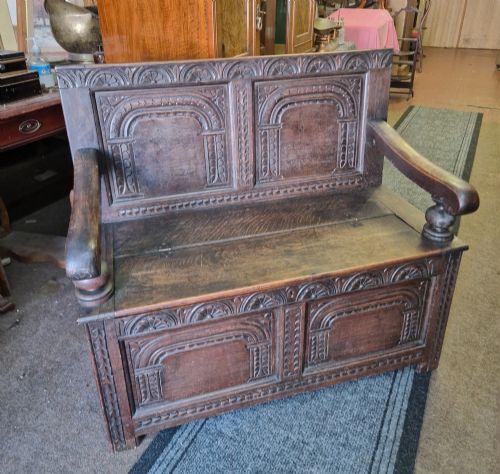
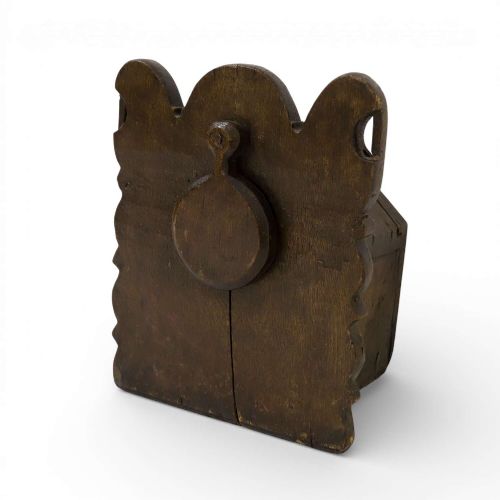
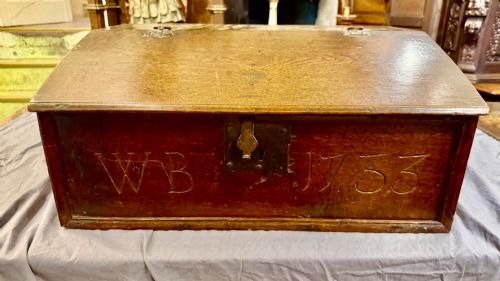
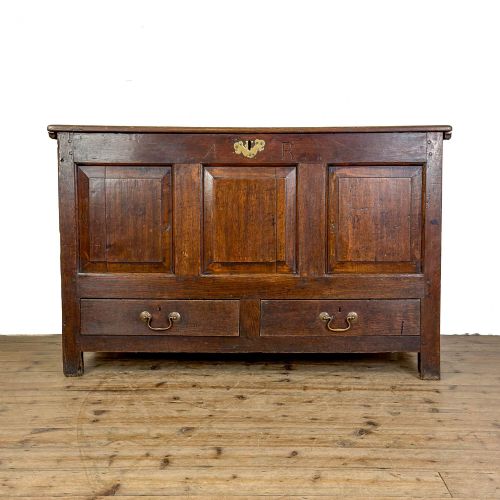
A georgian carved oak box encompasses smaller lidded receptacles such as bible boxes, deed boxes, and wall-hanging candle boxes alongside larger coffers, mule chests, and box settles.
The material record spans the seventeenth, eighteenth, and nineteenth centuries, with the georgian carved oak box most commonly appearing in 18th-century forms shaped by regional British and Welsh vernacular traditions.
Makers fashioned these timber containers for domestic storage, holding everything from household documents and salt to candles and textiles before they transitioned into decorative interior furnishings.
How they were made
Joiners constructed these pieces primarily from solid oak, sometimes incorporating burr elm, burr wood inlay, or secondary woods to enrich the surface texture.
Hardware played an essential functional role, utilising original iron hinges, locks, and brass details alongside traces of early paint and traditional panel construction techniques.
What varies in quality
Quality rests upon the crispness and depth of the timber carving, the integrity of the original joints, and the survival of authentic hardware like locks and hinges.
Purity of surface finishes separates standard utilitarian examples from superior pieces, particularly where original ironwork, internal candle boxes, and untouched patination remain intact.
The Georgian Carved Oak Box Glossary
- Cofer
- A large chest with a lid, traditionally used for storing valuables and clothes.
- Mule chest
- A storage chest featuring one or more drawers beneath the main lidded compartment.
- Bible box
- A small, slant-lidded or flat-topped desk box designed to hold sacred texts and writing implements.
- Coffor bach
- A small Welsh miniature coffer traditionally made as a love token or presentation piece.
- Box settle
- A high-backed wooden bench incorporating a lidded storage compartment beneath the seat.
Georgian Carved Oak Box: Frequently Asked Questions
What were these boxes used for originally?
These boxes served vital domestic storage functions in homes before fitted closets and modern furniture became common.
Smaller receptacles held household documents, bibles, salt, or tallow candles, while larger coffers and mule chests stored textiles, blankets, and personal valuables.
How do I date an oak box?
Dating relies on observing construction methods, timber characteristics, and stylistic decorative motifs.
Early pieces display hand-riven boards, pegged mortise and tenon joints, and seventeenth-century geometric carving, whereas later georgian examples introduce refined mouldings, panel layouts, and integrated drawers.
Where were most of these boxes made?
The pieces originate primarily from British and Welsh regional workshops adhering to vernacular country traditions.
Local joiners utilised native oak and timber variations, resulting in distinct regional characteristics visible in the construction of Welsh mule chests and coffor bach variants.
How should I care for antique oak?
Maintaining these wooden boxes requires stable indoor environmental conditions away from direct heat sources and sudden humidity shifts.
Occasional treatment with traditional beeswax helps nourish the historic timber surface and preserve the natural patination built up over centuries.