


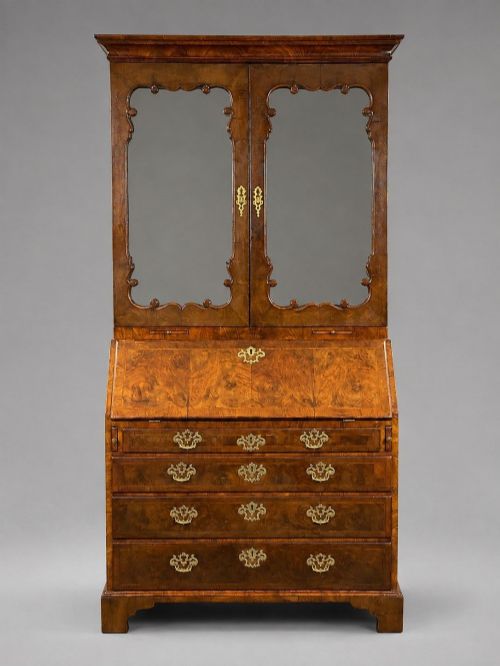
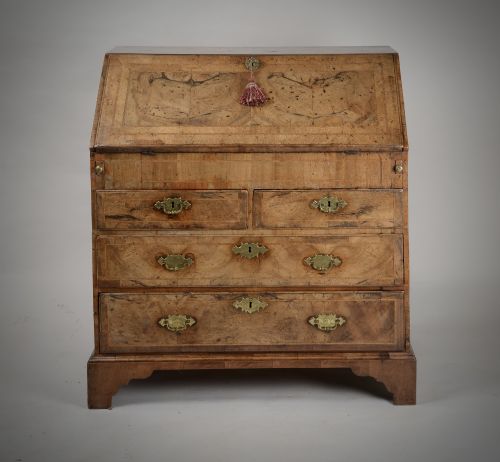
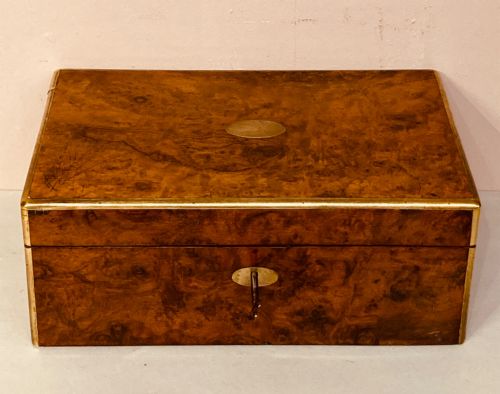
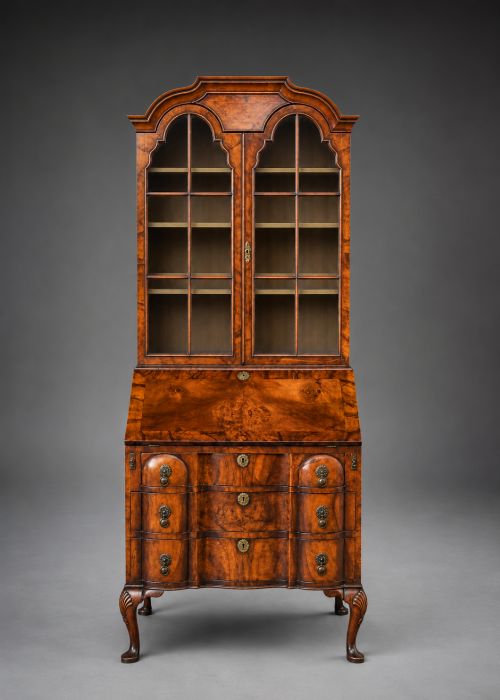
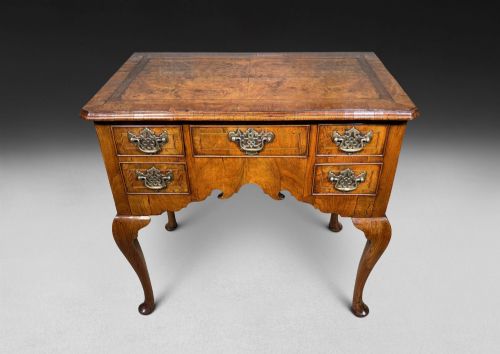
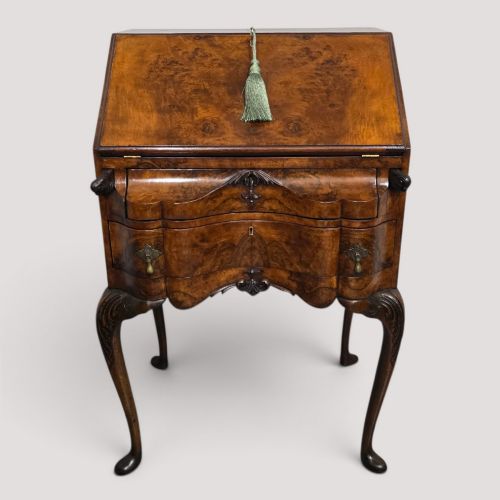
Georgian Burr Walnut Desk
A georgian burr walnut desk brings rich, intricate grain patterns and practical writing space into a room.
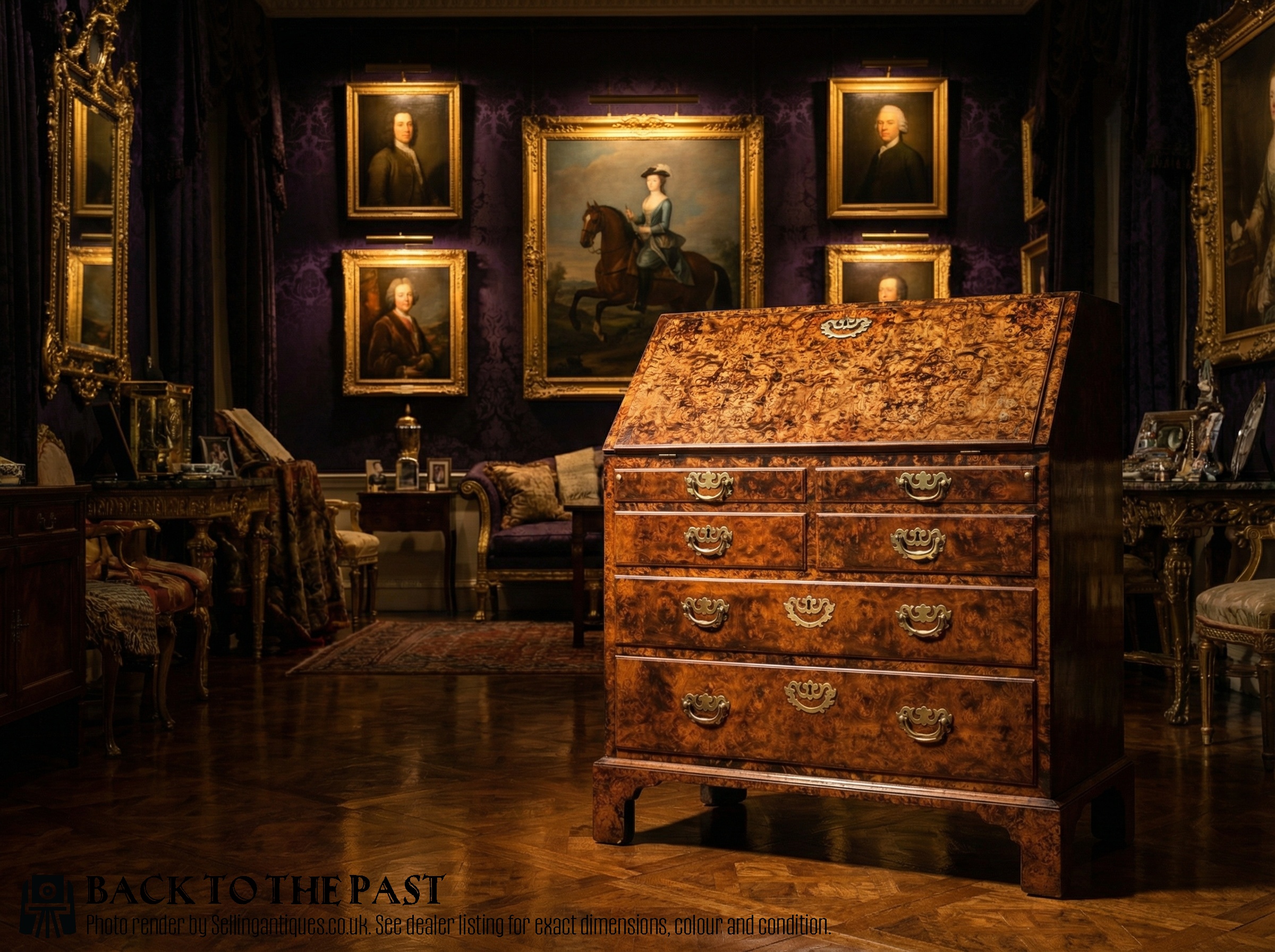
Georgian Burr Walnut Desk
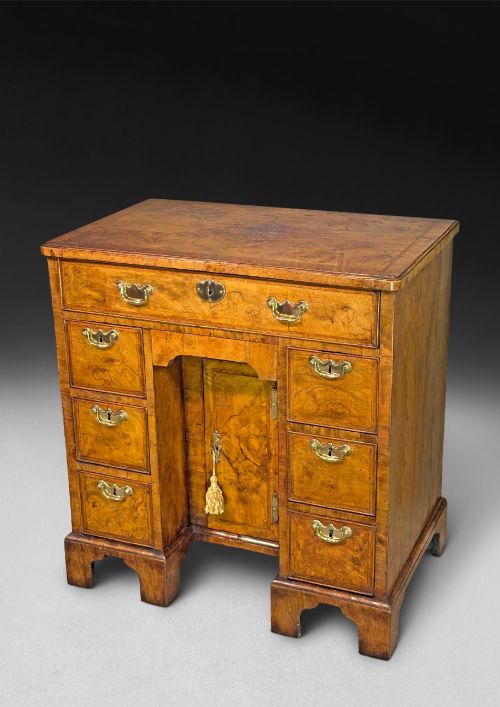
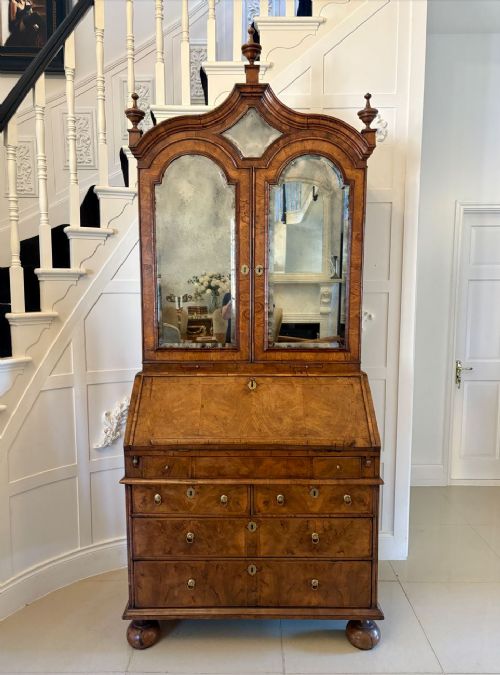
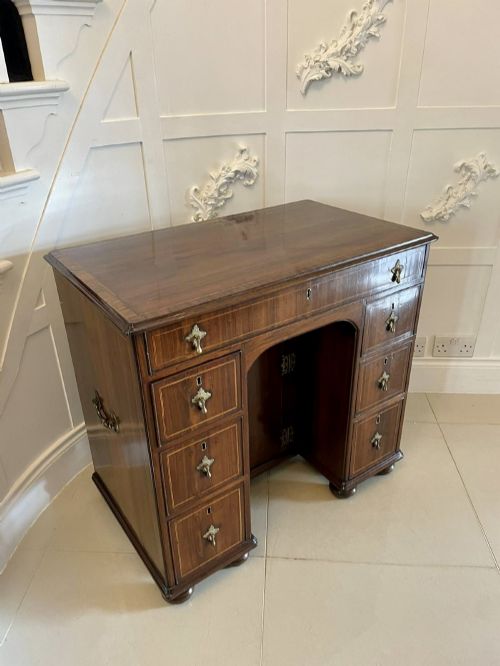
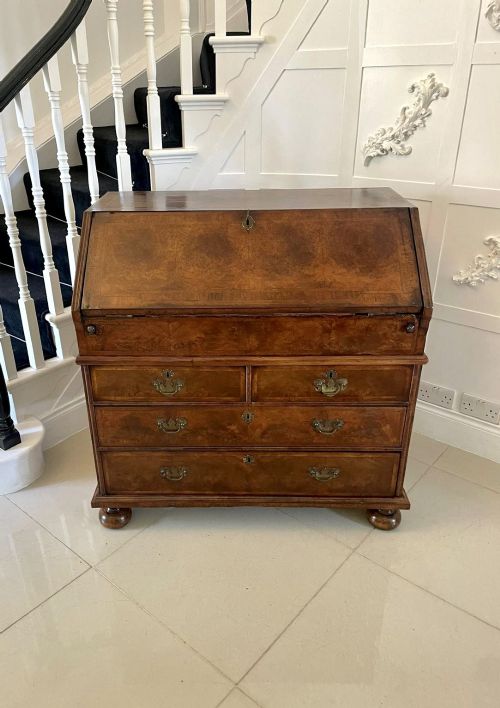
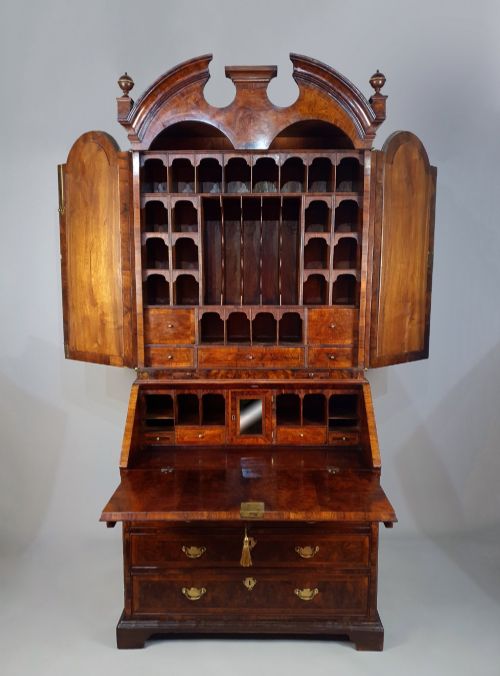
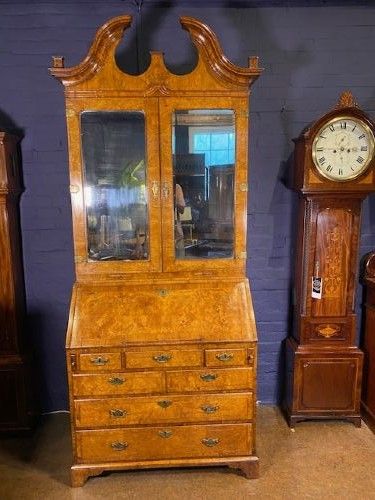
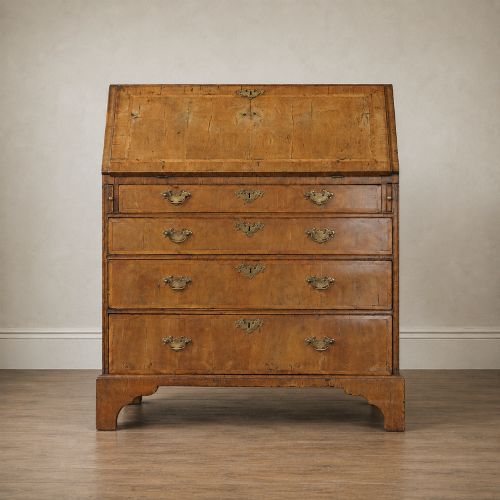
A georgian burr walnut desk encompasses a variety of forms designed for writing and storage, including kneehole desks, fall-front bureaux, and bureau bookcases. Many pieces date from the eighteenth century, showing the distinct influence of the Georgian, George I, George II, and Queen Anne periods.
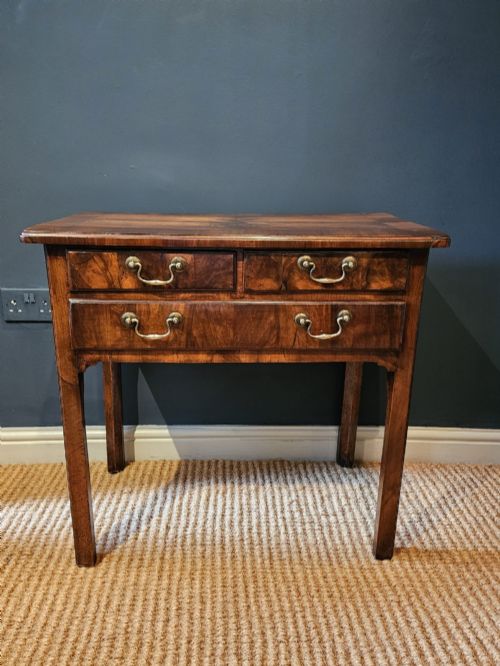
Buyers also encounter revival pieces from later decades such as the nineteen-twenties and nineteen-thirties, alongside nineteenth-century interpretations built in earlier styles. Forms range from compact lowboys and side tables to large pedestal desks and towering bureau bookcases fitted with glazed upper sections.
The selection reflects both authentic eighteenth-century craftsmanship and later revival work that emulates the proportions and decorative schemes of the early walnut era. Each form offers specific internal arrangements, from fitted drawers and pigeonholes to candle slides and leather writing surfaces.
Materials and construction
Cabinetmakers utilised figured walnut and burr walnut veneer applied over secondary timbers such as oak, creating striking geometric patterns across the exterior surfaces. Featherbanding, herringbone inlay, and crossbanding often border the drawer fronts and panels, adding linear contrast to the swirling burl grain.
Structural elements typically incorporate solid walnut and oak for drawer linings and internal dividers, while brass handles, escutcheons, and hinges provide functional hardware. Leather writing surfaces, sometimes tooled in green, appear on pedestal desks and writing tables alongside mirrored glass and clear glass in bookcase doors.
Georgian Burr Walnut Desk Retail Price Guide 2026
Typical asking prices for georgian burr walnut desk among the pieces listed under this phrase on Sellingantiques today, from the lower quarter to the upper quarter. They describe what is for sale here now, not the wider market.
Certain pieces include hidden candle slides designed to illuminate eighteenth-century paperwork.
Factors of quality
The visual impact of the wood sets the best examples apart, depending on the density, symmetry, and warmth of the burr walnut veneer. Crisp execution of featherbanding and herringbone inlay indicates a higher level of cabinetmaking skill.
Proportion and the integrity of the fitted interior also define superior pieces, where small drawers, pigeonholes, and secret compartments retain their original mechanisms. The harmony between the primary burr walnut surfaces and secondary timbers like oak reveals the care taken during construction.
The Georgian Burr Walnut Desk Glossary
- Burr walnut
- A type of wood veneer taken from the burl growth of a walnut tree, prized for its swirling, highly figured patterns. It forms the primary decorative surface on high-status desks and cabinets.
- Featherbanding
- A delicate inlay technique using small strips of veneer laid diagonally to form a herringbone or chevron pattern around drawer edges. This detail frames the burr walnut panels.
- Kneehole desk
- A compact writing desk featuring a central recess for the knees, flanked by small drawers on either side. These desks often stand on short cabriole or bracket feet.
- Bureau bookcase
- A tall two-part furniture form combining a sloping fall-front writing desk below with a glazed shelving cabinet above. They frequently incorporate internal pigeonholes and candle slides.
- Lowboy
- A small side table with one or more rows of drawers, often used as a dressing table or writing desk. They typically feature elegant cabriole legs characteristic of the early eighteenth century.
Georgian Burr Walnut Desk: Frequently Asked Questions
What is a kneehole desk?
A kneehole desk is a compact writing table featuring a central recess for the user to sit comfortably, flanked by vertical columns of drawers. This form became popular during the early eighteenth century and offers substantial storage within a modest footprint.
Cabinetmakers finished these pieces with fine walnut veneers and brass hardware, making them suitable for placement against a wall or freestanding in a study.
How do I identify a bureau bookcase?
A bureau bookcase consists of two stacked sections, featuring a sloping fall-front desk at the bottom and a glass-doored cabinet for books at the top. The lower section opens to reveal a fitted interior with small drawers and pigeonholes.
These impressive pieces combine display and writing functions, often decorated with elaborate burr walnut veneers and herringbone inlay.
Where should I place a walnut desk?
A walnut desk suits studies, libraries, or living rooms where the rich brown tones of the wood complement traditional and contemporary interiors. Placing the desk away from direct sunlight preserves the delicate walnut veneer and leather writing surface.
Maintaining stable room humidity prevents the timber and veneer from drying out or warping over time.
How do I tell early pieces from later revivals?
Early pieces from the eighteenth century show construction methods, timber selections, and hand-cut dovetails characteristic of the period, alongside natural ageing in the walnut wood. Revival pieces from the twentieth century often use modern secondary woods or standardised fixings beneath the veneer.
Examining the drawer construction, backboards, and internal hardware helps distinguish original cabinetmaking from later interpretations.