


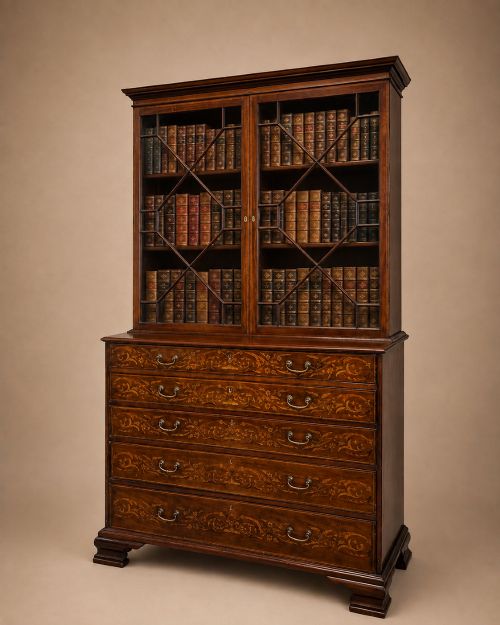
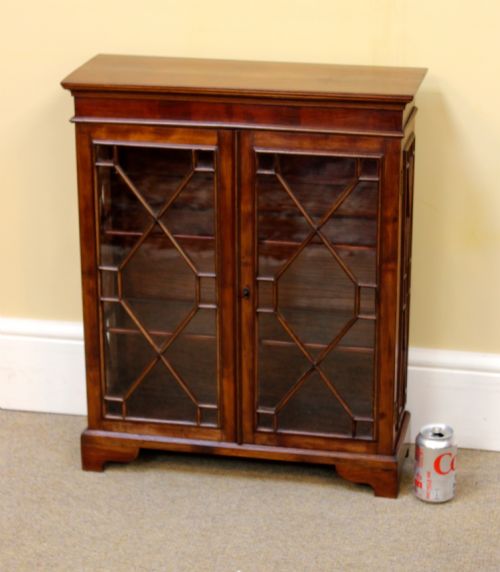
Georgian Astragal Glazed Cabinet
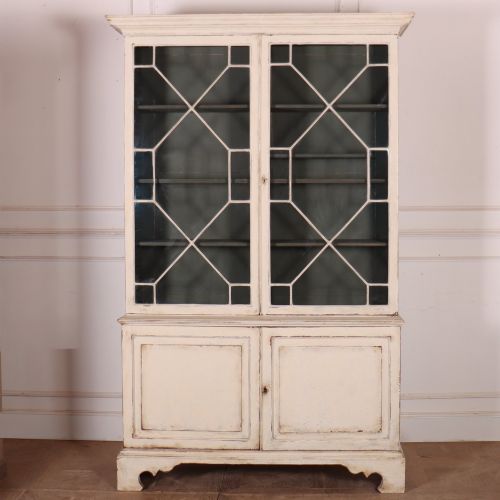
A georgian astragal glazed cabinet organises your volumes and keepsakes behind fine wooden framing, bringing proportion and genuine period light to a room.
Georgian Astragal Glazed Cabinet
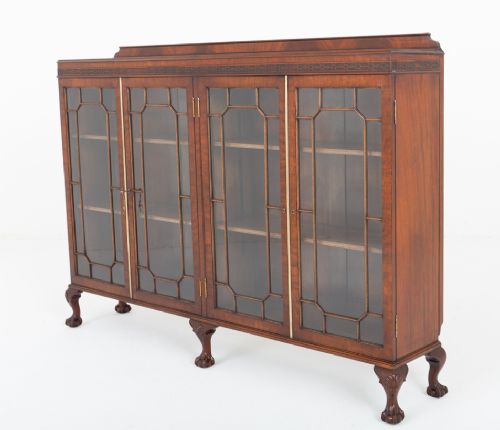
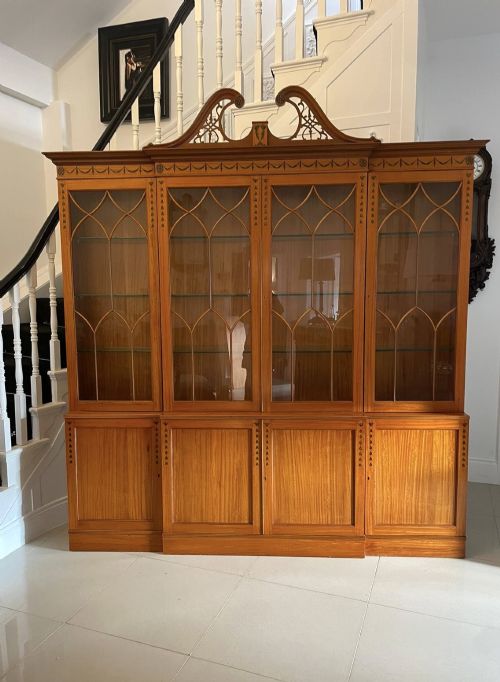
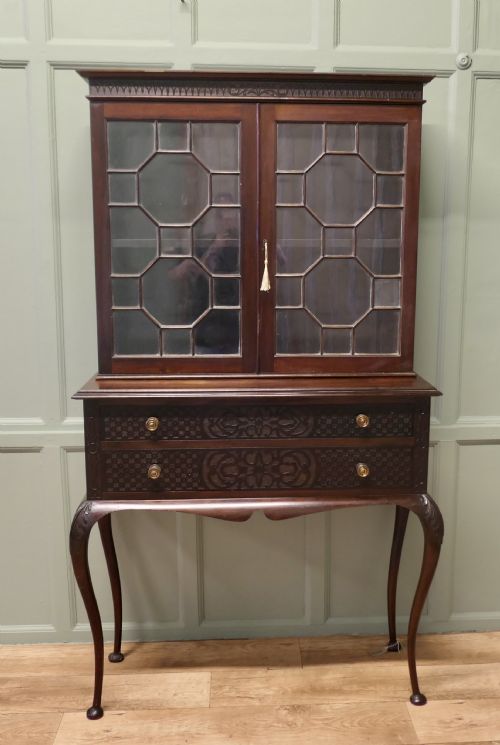
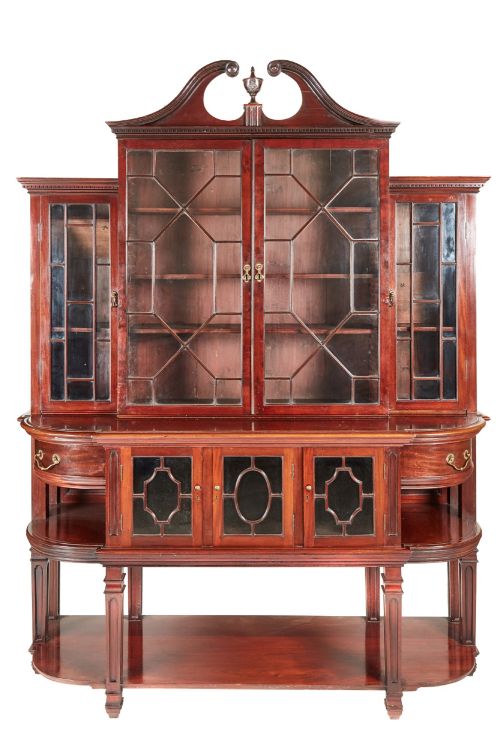
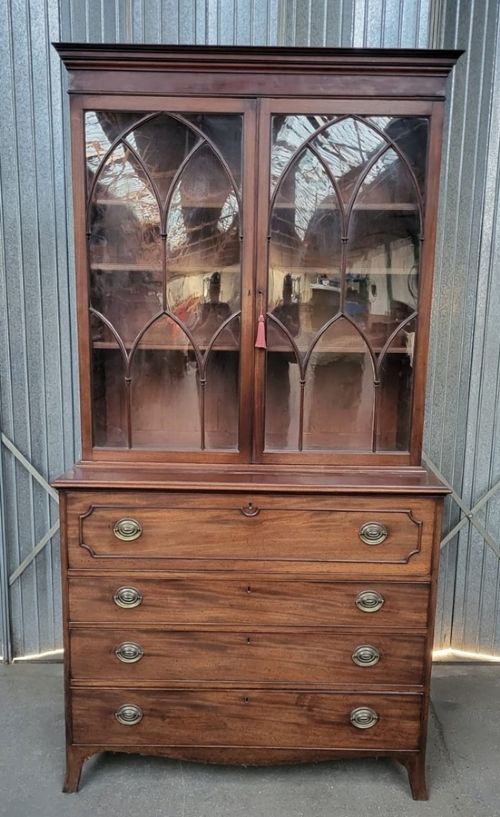
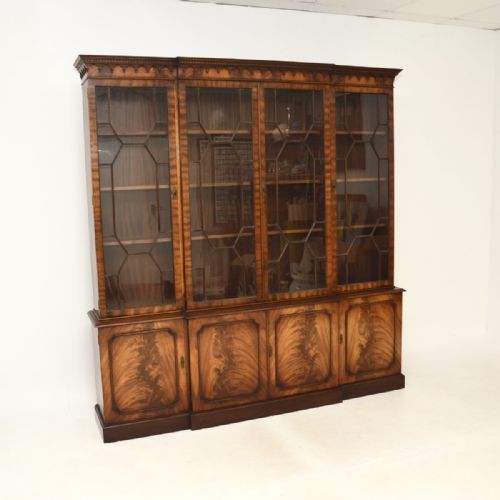
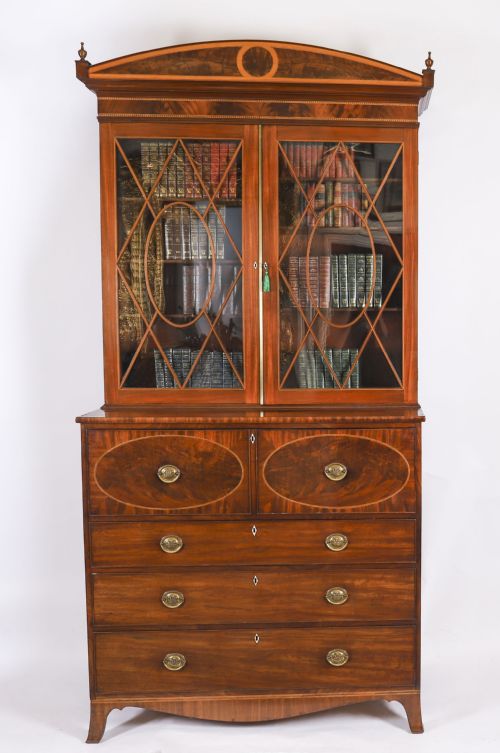
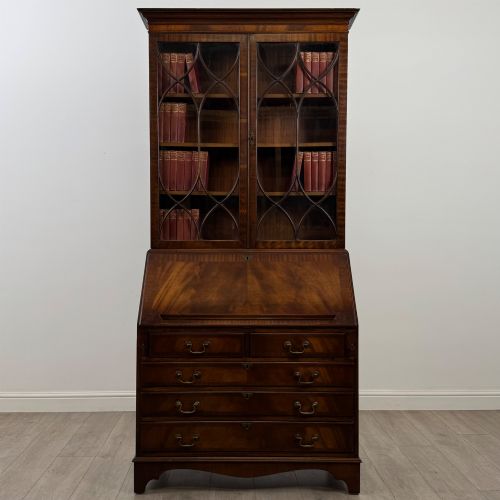
When you search for a georgian astragal glazed cabinet, you encounter substantial freestanding bookcases, bureau bookcases with fitted drop-front desks, and compact corner cupboards designed to utilise awkward angles. These pieces originate across the eighteenth, nineteenth, and early twentieth centuries, spanning genuine Georgian periods through later revival movements.
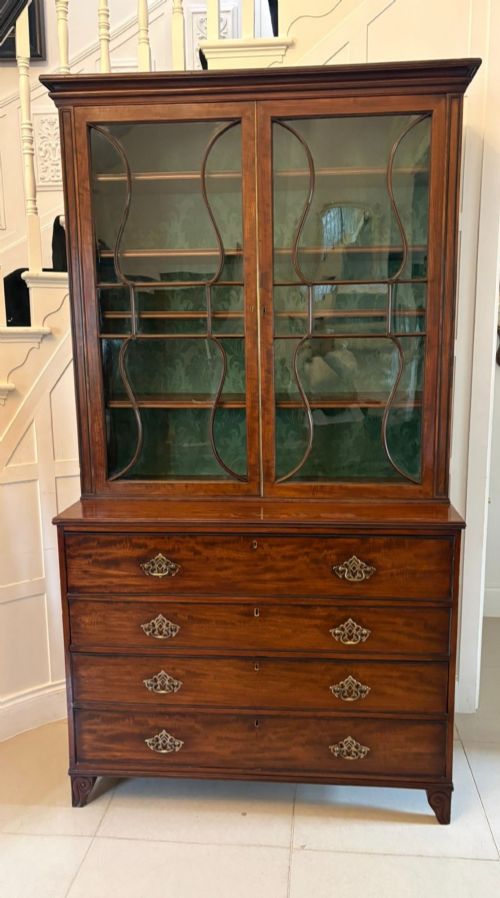
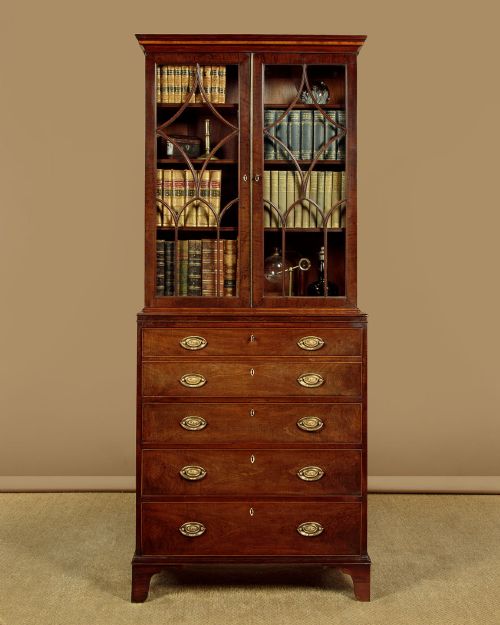
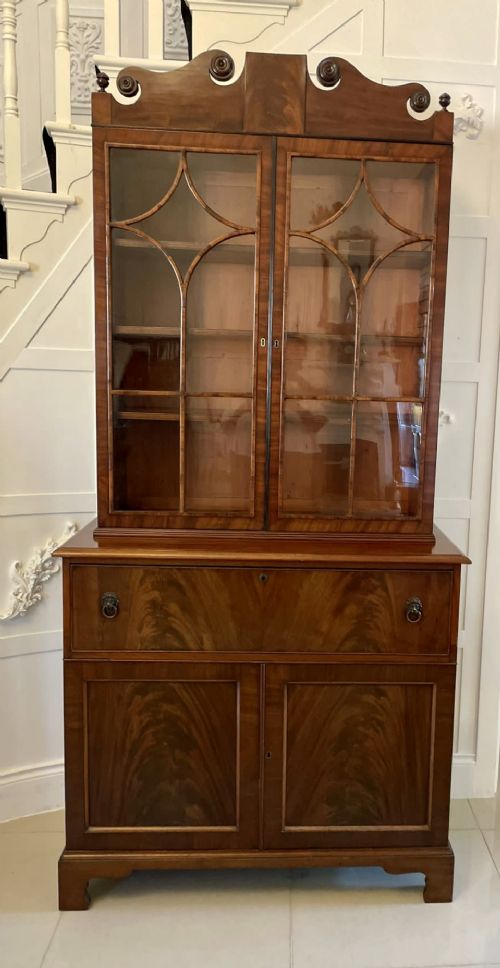
The version you are most likely to meet on this page is the mahogany floor-standing bookcase or corner cabinet featuring glazed doors divided by wooden glazing bars. Oak and walnut examples also appear, alongside satinwood and yew wood variants, reflecting the diverse material choices of period cabinetmakers.
Materials and construction
Makers built these cabinets primarily in solid and veneered mahogany, oak, and walnut, often employing satinwood inlay to create subtle decorative contrast along the cornices and drawer fronts. Glass panes were individually cut and held within slender timber astragal bars that required considerable joinery skill to assemble into geometric or intersecting patterns.
Brass hardware, including key escutcheons and drop handles, complemented the dark timbers, while internal fitted sections of secretaire bookcases utilised specialised pigeonholes and small drawers in secondary woods.
Many bureau bookcases conceal secret compartments behind miniature pigeonholes, built to keep love letters safe from curious household staff.
Distinctions in craftsmanship
The refinement of the astragal bars defines the visual standard of the piece, where slender, sharply profiled mouldings indicate superior cabinet work over heavy, thick timber framing. Timber selection also separates standard utility pieces from exceptional ones, with figured flame mahogany, rich grain patterns, and careful book-matching commanding greater visual presence.
Structural integrity relies on the original dovetailing of drawers and the stability of the timber panels over centuries of environmental changes, while original glass panes and functioning brass locks further elevate the standing of a cabinet.
Thomas Chippendale·Tudor & Burrey
The Georgian Astragal Glazed Cabinet Glossary
- Astragal
- A moulding profile used to create the individual glazing bars that divide glass panes within a cabinet door. These bars form the distinctive grid patterns characteristic of the period.
- Breakfront
- A cabinet design where the central section projects forward from the flanking wings. This configuration adds architectural depth and presence to large bookcases.
- Secretaire
- A desk form incorporated into a bookcase featuring a fitted drop-front writing drawer. It conceals small drawers and pigeonholes behind a writing surface.
- Vitrine
- A glass-sided display cabinet designed primarily for the exhibition of porcelain and ornaments. They often sit on slender stands or bracket feet.
- Escutcheon
- A protective brass plate surrounding a keyhole. It prevents the timber from wearing around the lock.
Georgian Astragal Glazed Cabinet: Frequently Asked Questions
How do I date a Georgian cabinet?
Dating relies on examining the timber species, construction methods such as hand-cut dovetails, and the specific styling of the cornice and astragal bars. Earlier eighteenth-century examples often display denser native mahogany and simpler architectural proportions.
Later nineteenth-century revivals incorporate different secondary woods and machine-processed components that distinguish them from original Georgian pieces.
What is a secretaire bookcase?
A secretaire bookcase combines a tall display cabinet with a pull-down desk drawer positioned at waist height. The drop front opens to reveal a fitted interior of small drawers and pigeonholes for correspondence.
This multi-functional design allowed owners to write letters and manage household accounts while keeping reference books stored directly above.
Where do corner cabinets fit best?
Corner cupboards and display cabinets utilise unused ninety-degree wall junctions, making them practical for rooms with limited floor space. Wall-hanging versions attach directly to plaster, while floor-standing variants anchor securely into the corner angle.
They draw the eye upward and soften boxy room dimensions by filling otherwise neglected wall areas.
How should I clean mahogany cabinets?
Maintenance requires regular dusting with a soft, dry cloth to prevent grit accumulation on the delicate astragal bars and polished timber surfaces. Traditional beeswax or microcrystalline wax applied sparingly preserves the moisture and sheen of the wood.
Harsh chemical sprays and modern silicone polishes must be avoided, as they damage historic finishes over time.