





Georgian Ale Tankard
A georgian ale tankard is a sturdy drinking vessel for beer, combining weight and craft to anchor any serious table.
Georgian Ale Tankard
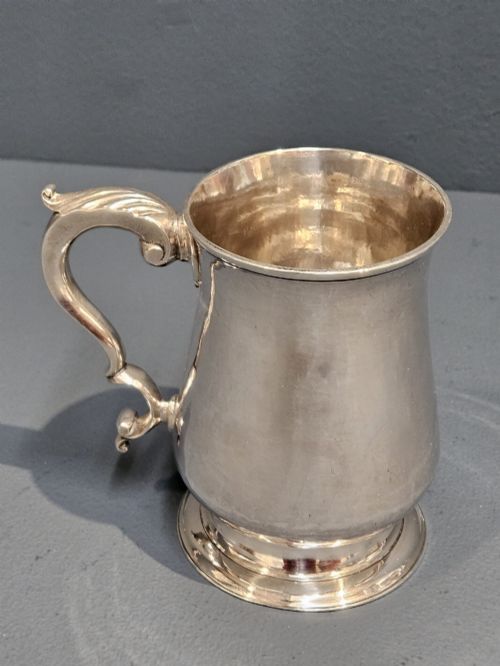
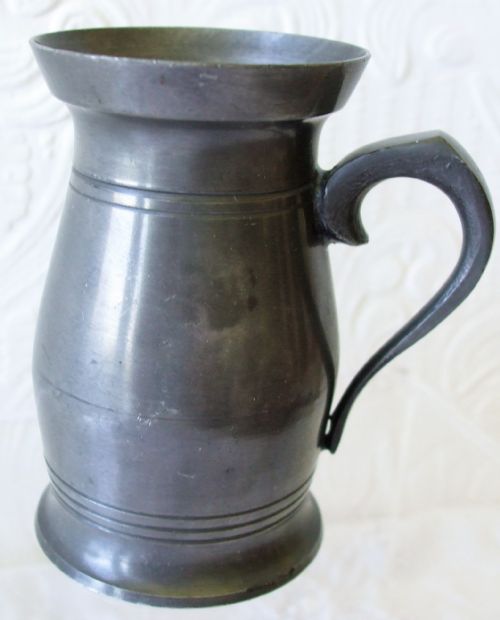
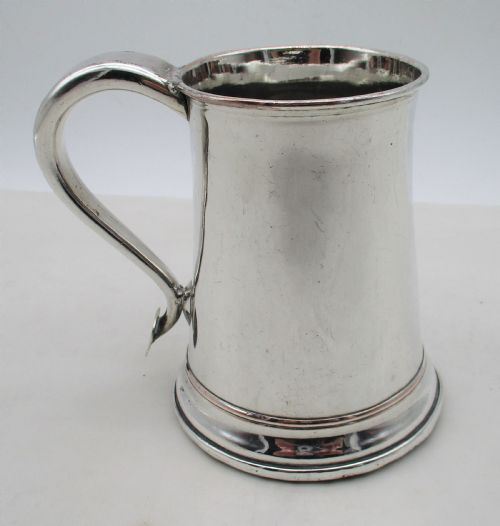
A georgian ale tankard is a robust drinking vessel designed for serving and consuming beer, appearing in forms ranging from simple pint mugs to large quart vessels. These pieces emerge predominantly from the eighteenth and nineteenth centuries, spanning eras from the reigns of George III through to later Victorian interpretations.
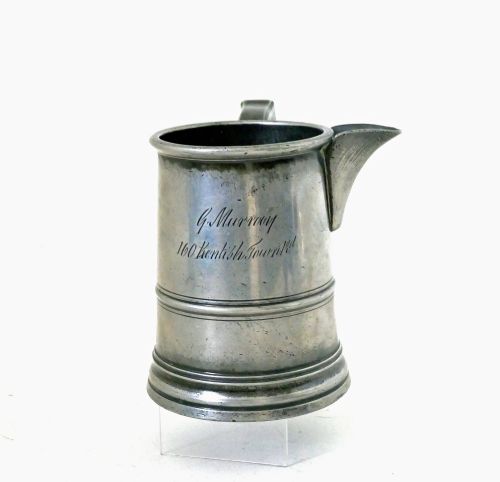
Buyers encounter solid silver specimens alongside utilitarian pewter measures and plated variants such as Old Sheffield Plate. Some examples incorporate clever interior details, including surprise frogs or spouted spires, showing that these vessels balanced everyday tavern utility with household amusement.
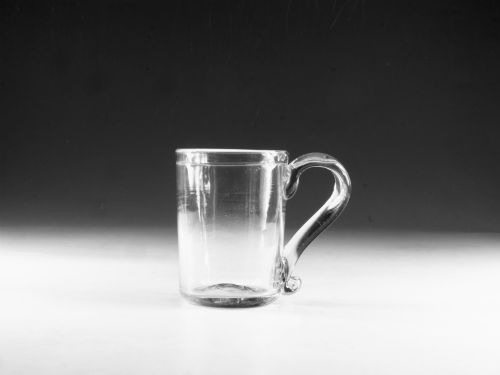
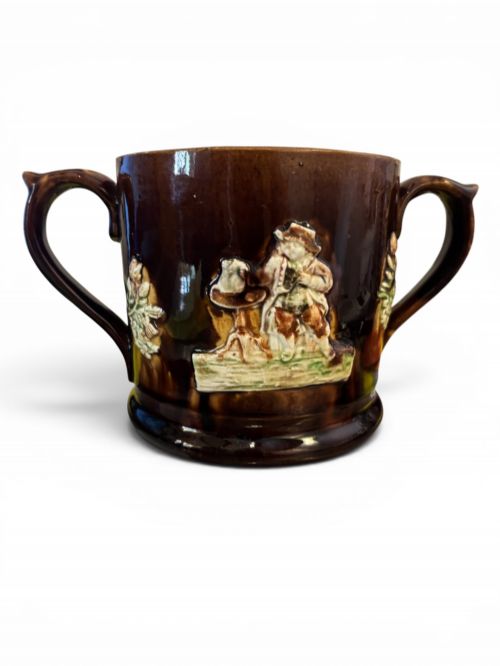
The selection on this page demonstrates that makers utilised a variety of metals and ceramics, including copper, nickel-plate, glass, and earthenware pitcher bodies fitted with metal lids. This diversity means a collector might find an Irish gill measure one day and a heavy English quart tankard the next.
Materials and Construction
Silversmiths hammered sheet silver or cast solid silver bodies to create enduring tavern and domestic drinking vessels, often adding crisp hallmarks for date and maker identification. Pewterers cast tin alloys into heavy moulds, producing thick walls that kept ale cool and withstood daily tavern knocks.
Old Sheffield Plate makers fused a thin layer of silver onto a copper core, achieving the rich appearance of solid silver at a lower cost. Potters threw clay bodies on the wheel, finishing pitchers with salt glaze before metalsmiths attached hinged pewter or silver-plated lids.
Georgian Ale Tankard Retail Price Guide 2026
Typical asking prices for georgian ale tankard among the pieces listed under this phrase on Sellingantiques today, from the lower quarter to the upper quarter. They describe what is for sale here now, not the wider market.
Some nineteenth-century drinkers faced a tiny ceramic frog peering up from the bottom of their ale mug.
Distinctions in Quality
The division between standard tavernware and superior pieces lies in the crispness of casting and the integrity of applied mounts. Heavy gauge metal and clean solder seams indicate a workshop dedicated to longevity rather than hurried production.
In plated wares, the preservation of the silver layer over the copper substrate dictates the visual success of the piece. Crisp engraving, distinct crests, and legible early marks elevate a utilitarian drinking vessel into an exceptional collector piece.
Richard Morton
The Georgian Ale Tankard Glossary
- Old Sheffield Plate
- A composite material formed by fusing a sheet of silver to a copper ingot, creating plated metal sheets used for eighteenth-century tankards and beer jugs. This technique predates electroplating.
- Tappit Hen
- A traditional Scottish pewter measure with a lid and distinctive knob, holding specific liquid volumes for ale and wine. These heavy vessels date primarily to the late eighteenth century.
- Quart
- A unit of liquid capacity equaling two pints, frequently stamped on large pewter and silver tankards intended for heavy tavern use. Quart vessels represent the substantial end of drinking vessel sizes.
- Spout
- A projecting tube or lip fitted to a flagon or jug to facilitate pouring ale smoothly into smaller cups. Spouted flagons appear on specific ecclesiastical and domestic drinkware.
- Gill
- A small unit of liquid measure, appearing in pewter tavern gear as a precise portion for spirits or strong ale. Gill measures often feature government verification stamps.
Georgian Ale Tankard: Frequently Asked Questions
How do I date a metal tankard?
Dating relies on examining hallmarks, touchmarks, manufacturing styles, and material types such as Old Sheffield Plate versus solid sterling silver. Makers often stamped their work with initials or town marks that help narrow the production era.
Changes in handle design, lid hinges, and capacity stamps also provide clues to whether a piece belongs to the eighteenth century or the Victorian period.
What were surprise frog mugs?
Surprise frog mugs are novelty drinking vessels featuring a small ceramic frog moulded inside the bottom of the tankard. As the drinker finished their ale, the hidden frog would appear as a playful tavern joke.
These ceramic and pottery pieces combine functional drinking forms with eighteenth-century humour.
How should I display pewter tankards?
Pewter tankards look best displayed on open wooden shelves or within glazed cabinets where their dull grey metallic lustre can catch the light. Grouping pieces by capacity or form highlights the variety of English and Scottish tavernware.
Keep them away from damp environments and handle them carefully to preserve the historic surface patina.