

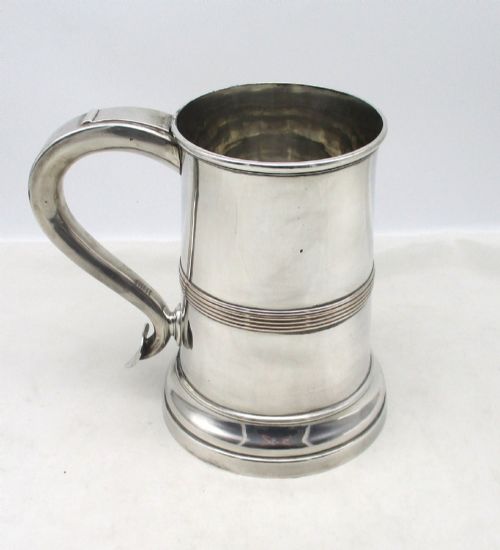
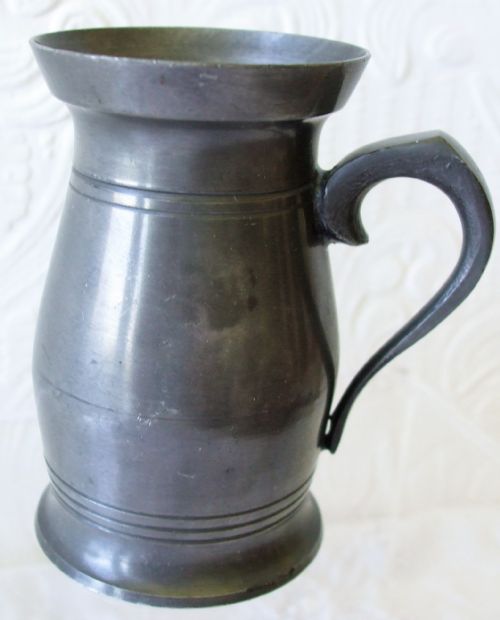


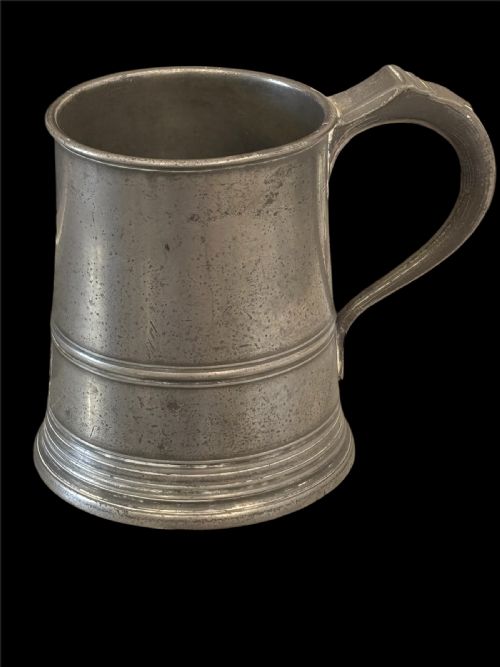
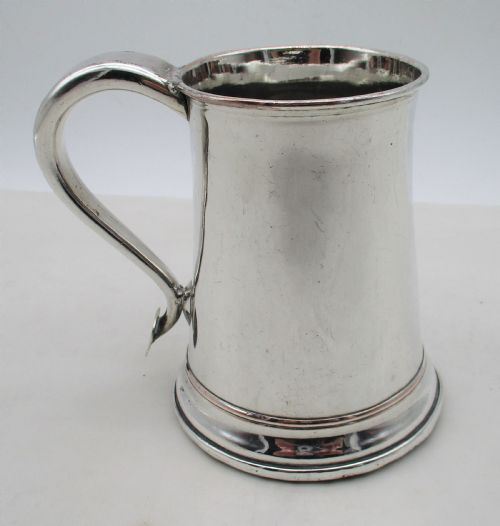


Georgian Pewter Mug
A georgian pewter mug brings heavy metal drinking vessels from the eighteenth and nineteenth centuries straight to your table.
Georgian Pewter Mug
When you search for a georgian pewter mug, you encounter robust drinkware formed mostly during the eighteenth and nineteenth centuries. These items include heavy quart and pint tankards, concave mugs, and gill measures designed for everyday tavern and domestic use.
The pieces appearing here span the Georgian and Regency periods, alongside an eighteenth-century German Westerwald example and several Old Sheffield Plated tankards. Most common are English pewter vessels bearing capacity measures and maker touchmarks.
How they were made
The primary material is pewter, a workable alloy shaped by casting into metal or stone moulds before being turned on a lathe to refine the surface. Makers also utilised copper, silver, salt-glazed stoneware, and old Sheffield plate to create similar barware forms.
Handles and lids were cast separately and soldered or pinned to the main body. Stamped maker marks, touchmarks, and capacity indicators were hammered into the metal using punches.
Georgian Pewter Mug Retail Price Guide 2026
Typical asking prices for georgian pewter mug among the pieces listed under this phrase on Sellingantiques today, from the lower quarter to the upper quarter. They describe what is for sale here now, not the wider market.
Listings for this phrase include items made from pewter, copper, old Sheffield plate, silver, and salt-glazed stoneware.
What varies in quality
Quality separates through the crispness of touchmarks, the weight of the metal, and the overall balance of the form. Thicker walls and heavy bases indicate sturdier vessels meant for prolonged tavern service.
Surfaces show varying degrees of original touchmark legibility and patination. Clear maker stamps and intact lids distinguish superior examples from heavily worn pieces.
Richard Morton·Thomas Phillips I·Burgum and Catcott·James Yates·Villers and Wilkes·Yates and Birch
The Georgian Pewter Mug Glossary
- Pewter
- A malleable metal alloy composed chiefly of tin, mixed with copper, lead, or antimony. It provides a dull grey lustre suited for historical drinking vessels.
- Tankard
- A tall drinking vessel with a single handle, sometimes fitted with a lid. They appear in pint and quart capacities across these listings.
- Gill measure
- A small liquid capacity measure used for serving alcohol. These items represent precise historical volumes.
- Touchmark
- An official stamp pressed into pewter by a maker or guild member to guarantee quality and origin. They help identify specific workshops and dates.
Georgian Pewter Mug: Frequently Asked Questions
Can I drink from these mugs?
Many historical pewter vessels contain lead, which can leach into acidic or alcoholic drinks. Modern usage requires checking the specific alloy composition.
Most collectors prefer to display these pieces rather than use them for daily consumption.
What is the difference between a mug and a tankard?
Tankards traditionally feature hinged lids and sturdy handles designed for heavy tavern use. Mugs are generally open-topped drinking vessels.
Both terms occasionally overlap in historical listings and touchmark records.
How do I date a pewter mug?
Maker touchmarks, capacity stamps, and stylistic changes in handles and rims provide chronological clues. Matching marks to recorded guild registers narrows the timeframe.
Weight and construction methods also point towards either the eighteenth or nineteenth century.