
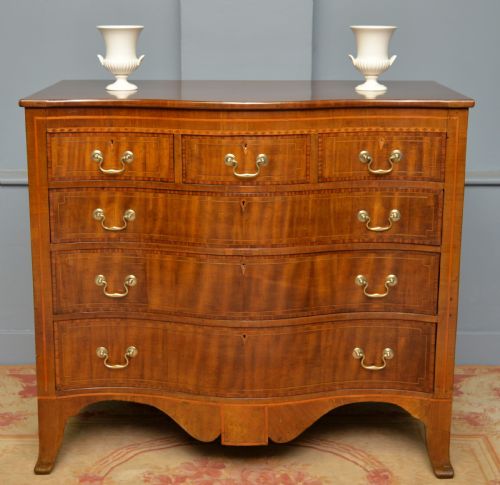
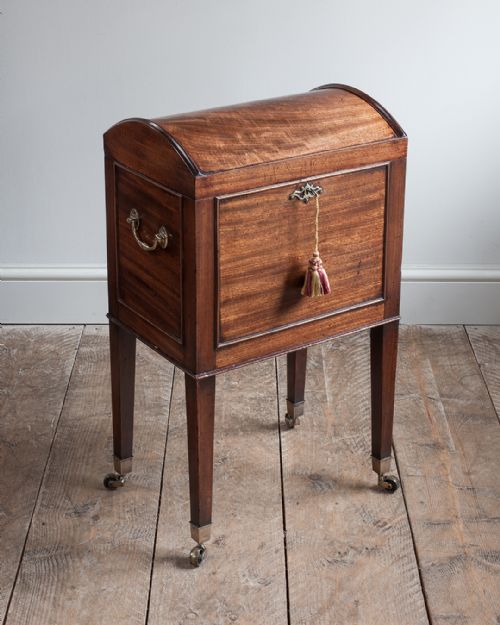


George III Storage Box
A george iii storage box brings fine period joinery and timber into daily use, offering everything from tea caddies to mule chests.
George III Storage Box
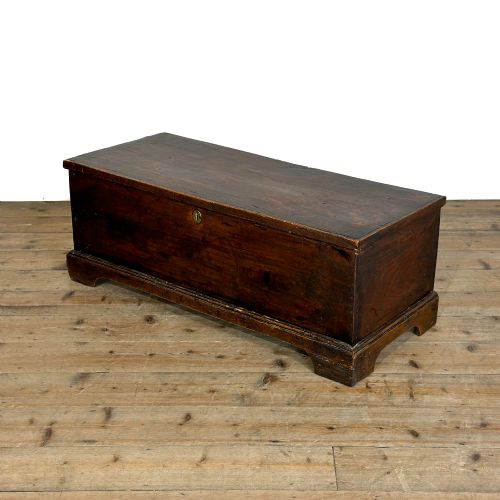
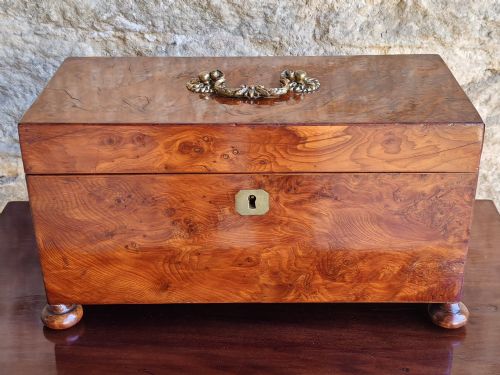
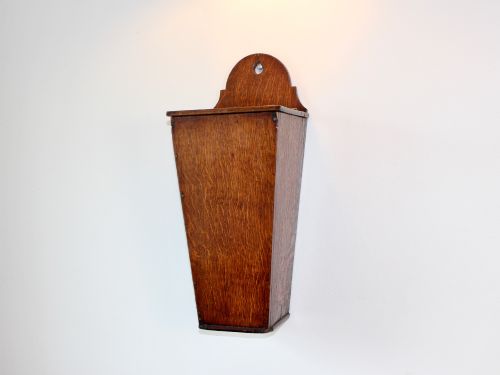
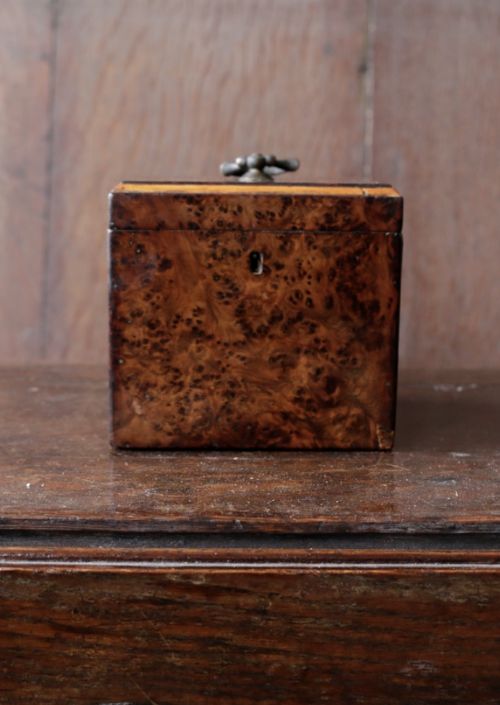
A george iii storage box encompasses a broad functional group of containers, chests, and caddies originating from the Georgian era. Buyers seeking this search phrase encounter diverse forms such as tea caddies, candle boxes, knife boxes, and large mule chests.
The pieces appearing on this page range widely in scale and purpose, from tabletop tortoiseshell and burr yew tea caddies to substantial oak, elm, and mahogany storage chests. Scandinavian country pieces and Scottish log bunkers also add regional variety to the selection.
Mahogany and oak dominate the offerings, frequently enhanced with boxwood stringing, wood inlay, or satinwood panels. Many domestic items incorporate thoughtful interior fittings, including secret drawers, compartments for precious leaves, or metal bindings for travel.
Materials and construction
Cabinetmakers utilised dense native and imported timbers, pairing solid oak, elm, and yew with figured mahogany veneers. Structural integrity relied on traditional joinery techniques suited to the specific function of the vessel, whether a dovetailed tea caddy or a heavy dowry chest.
Decorative surface work distinguished finer examples through contrasting wood inlay, boxwood stringing, and tortoiseshell panels. Hardware typically involved cast brass carrying handles, escutcheons, and hinges that secured the lids of travelling trunks and cellarets.
One extraordinary marriage chest arrived bearing a pine construction from Scandinavia, proving that storage needs crossed borders with rustic charm.
Markers of quality
Quality rests upon the selection and figure of the timber, where choice cuts of mahogany, burr yew, and satinwood elevate the visual presence of the box. Superior examples display crisp inlay work and well-matched grain patterns across all visible surfaces.
Internal fitting and hardware execution separate utilitarian containers from finer cabinetwork. Integrated secret drawers, original brasses, and intact linings reflect higher standards of craftsmanship during the period.
Seabrook of St Pauls London
The George III Storage Box Glossary
- Cellaret
- A lockable container designed for holding bottles of wine or spirits, often lined with lead or divided internally.
- Mule chest
- A storage chest featuring one or more drawers at the base beneath a hinged lid compartment.
- Stringing
- A narrow inlaid line of contrasting wood used to frame panels, drawers, or box lids.
- Serpentine
- A curved line that undulates gently inwards and outwards, frequently seen on the fronts of chests and knife boxes.
- Caddy
- A small container or box specifically built for storing loose tea leaves securely.
George III Storage Box: Frequently Asked Questions
What were tea caddies used for?
Tea was an expensive commodity during the Georgian period, requiring secure storage to protect the leaves from dampness and theft. These caddies often featured internal compartments and locks to safeguard the contents.
Wealthy households kept them in the parlour or dining room, sometimes entrusting the key solely to the mistress of the house. Smaller caddies held different varieties of tea, allowing hosts to blend flavours for their guests.
How do I tell a mule chest from a standard trunk?
A mule chest distinguishes itself by incorporating one or more functional drawers beneath the main storage compartment accessed via the lid. This hybrid design combined the deep storage of a traditional kist with the accessible drawer space of a modern chest.
Cabinetmakers built these pieces in oak, elm, or mahogany for domestic storage of linens, garments, and household goods. The addition of drawers marked an important evolution in furniture utility during the eighteenth century.
Are these boxes suitable for modern storage?
These historical boxes and chests adapt readily to contemporary interiors as functional storage for papers, accessories, or collectibles. Their durable timber construction and fitted interiors continue to serve practical household needs.
Placing them in living spaces or hallways adds period character while keeping everyday items neatly contained. Careful placement away from direct heat sources helps preserve the antique wood and finish.