
Antique Mahogany Storage Box
An antique mahogany storage box brings solid timber grain and polished brass hardware to everyday use, holding documents, tea or small treasures.
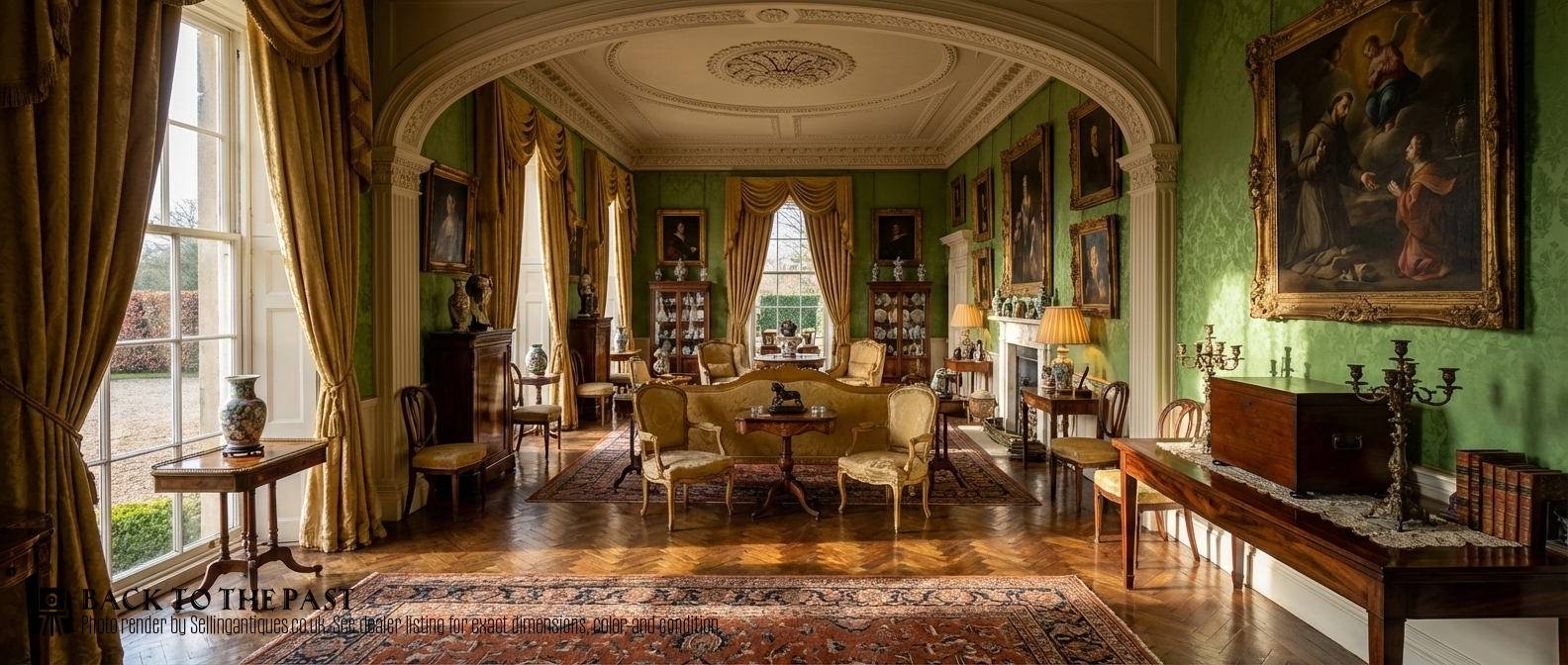
What these pieces are
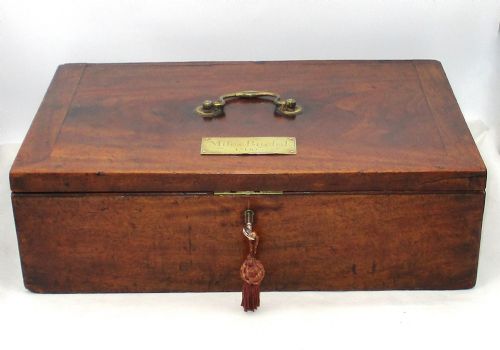
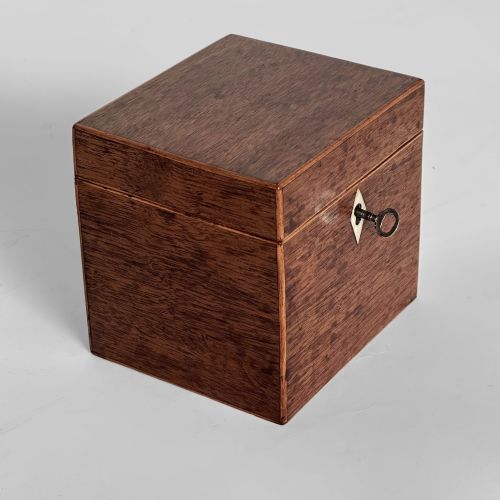
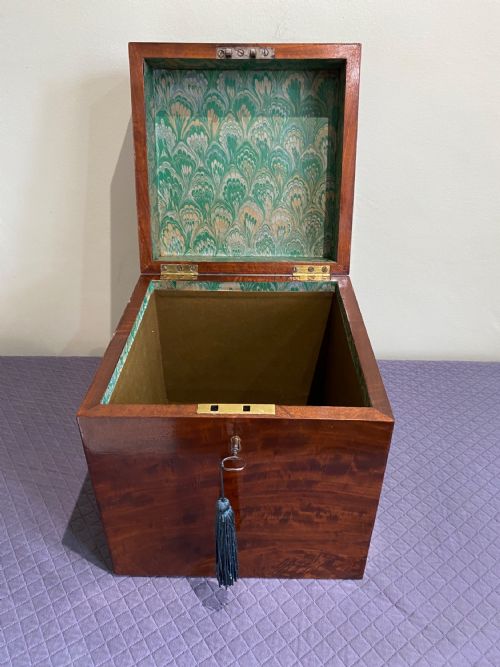
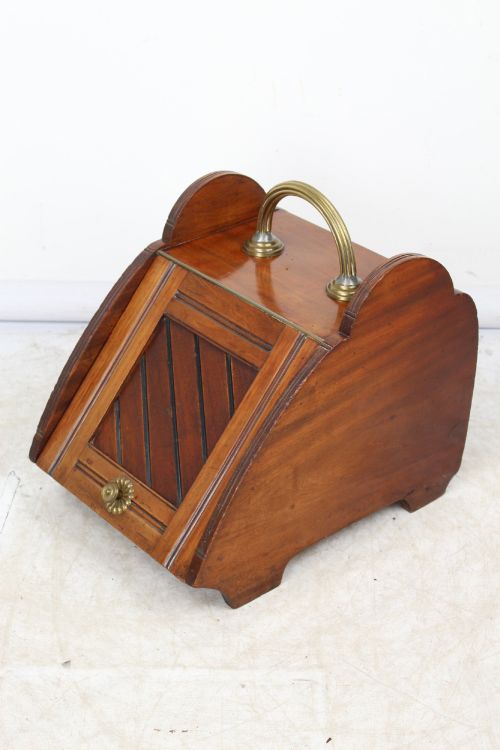
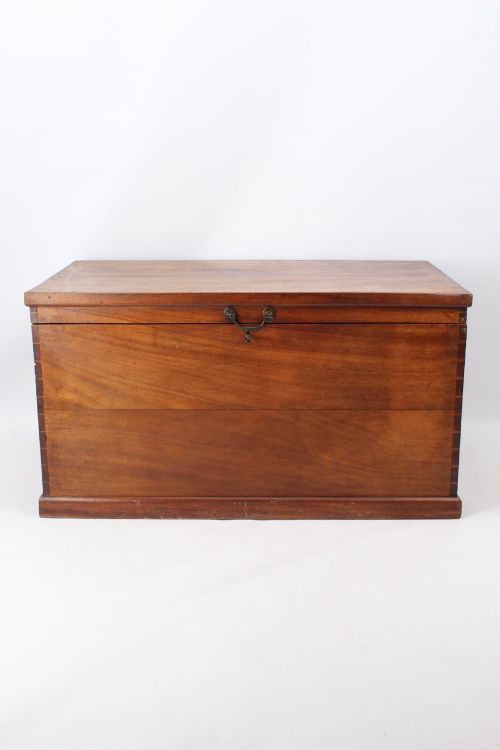
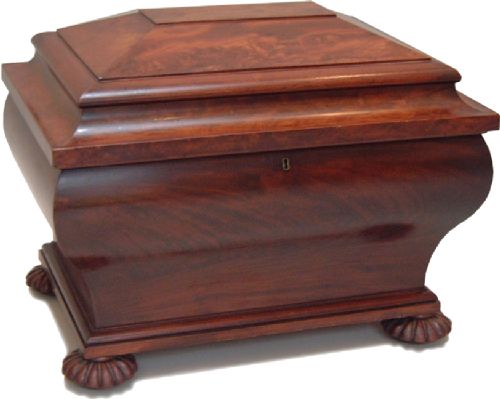
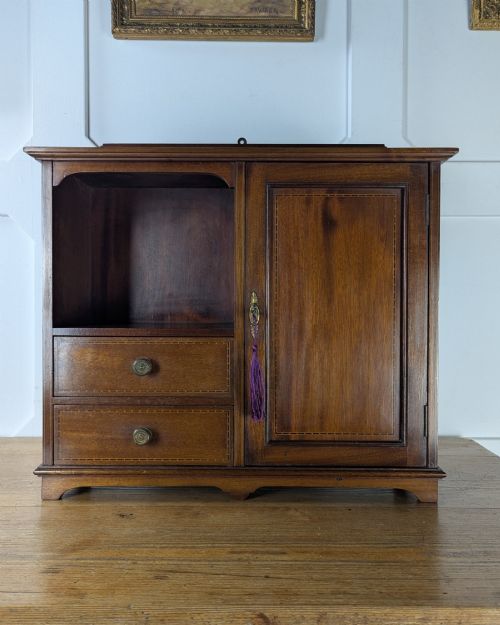
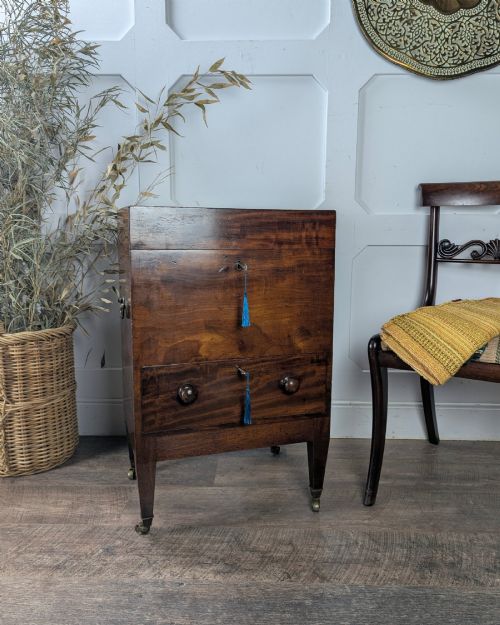
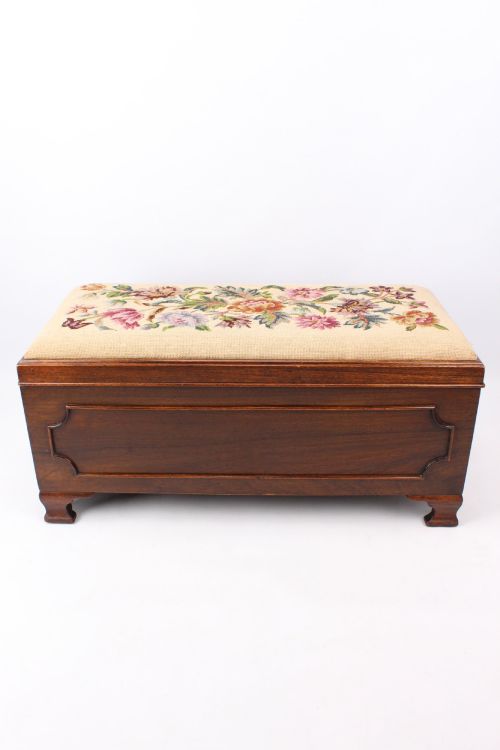
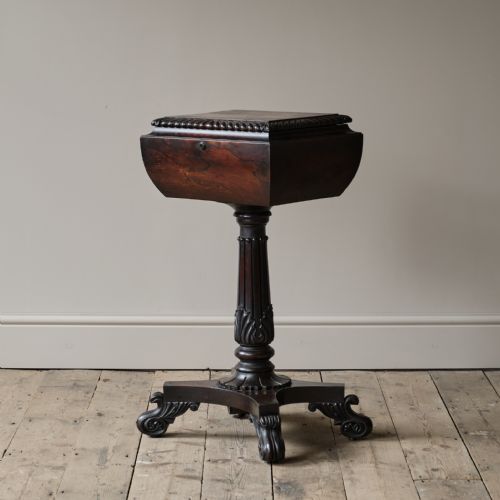
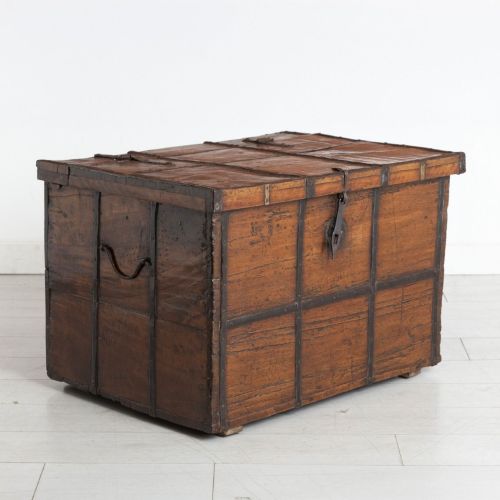
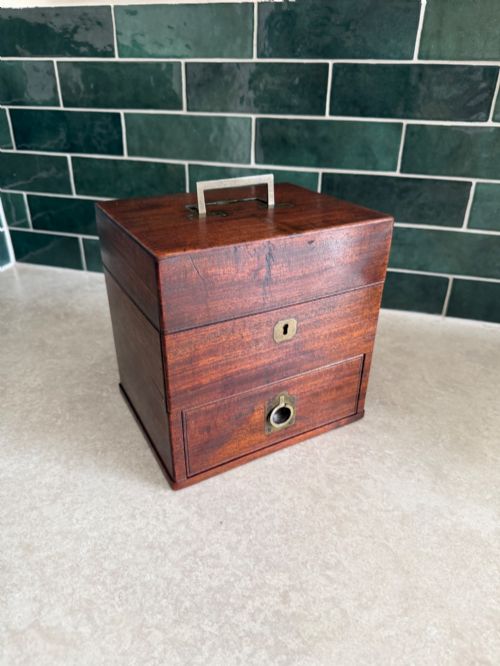
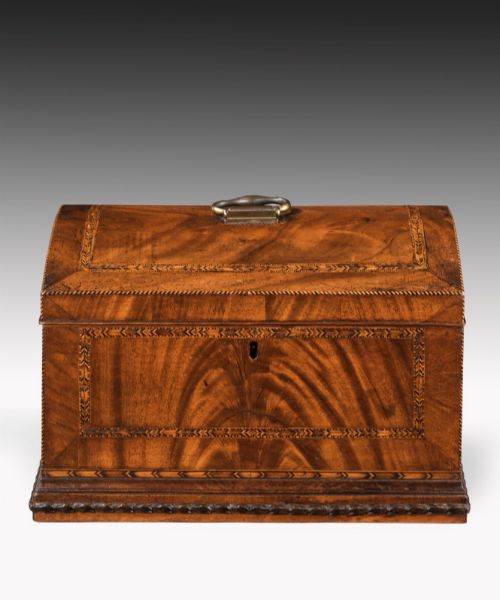
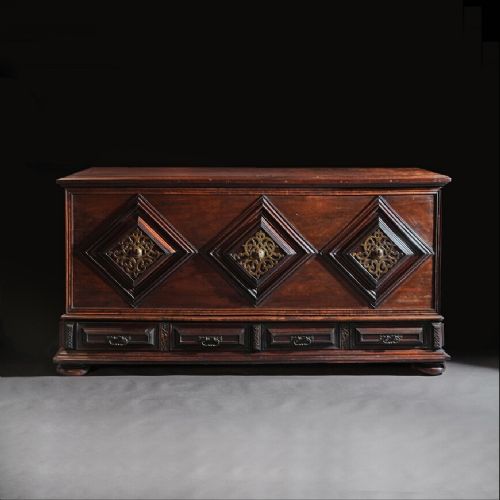
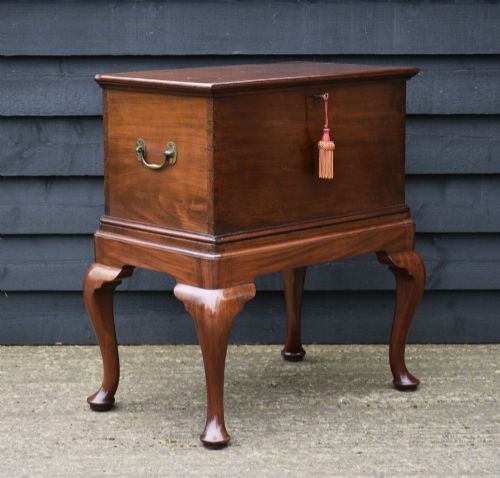
An antique mahogany storage box encompasses pieces originating from the Georgian, George II, George III, Regency, Victorian and Edwardian periods. These utilitarian and decorative containers take the form of document boxes, tea caddies, chest on stand designs, box tables, storage cabinets, officers chests and stools with hinged lids.
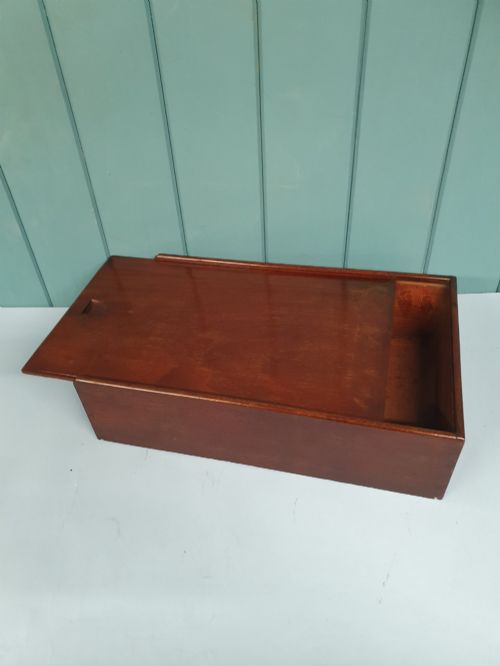
The version most frequently met on this page is the traditional mahogany box, often dating from the Georgian or Victorian eras. They utilise dense timber and frequently incorporate brass handles, key escutcheons or bone details, reflecting their original purpose for safekeeping valuables or papers.
Pieces span multiple centuries, capturing the shift from mid-eighteenth-century craftsmanship through to late-nineteenth-century utility. Every iteration demonstrates the enduring appeal of dark hardwood in domestic and professional settings.
How they were made
Cabinetmakers constructed these pieces primarily from solid mahogany or flame mahogany veneers applied to secondary timbers. The natural figures of the wood receive enhancement through traditional polishing techniques that highlight the grain.
Metalwork plays a key structural and decorative role, with fitted brass carrying handles, hinges and lock plates secured by small screws. Bone escutcheons or inlay details appear on select examples to contrast against the dark timber.
Retail Price Guide 2026
Typical UK retail prices for mahogany storage box, calculated from the Sellingantiques database of over a million retail prices indexed since 2003. This retail price guide relies exclusively on Sellingantiques data; no external sources or auction records are used, so the figures do not describe the wider market.
Materials appearing across these entries include solid mahogany, flame mahogany, brass fittings and bone.
What varies in quality
The standard of timber selection divides the everyday examples from the exceptional survivals, particularly where figured flame mahogany or carefully matched grain patterns are present. Superior construction involves tight dovetail joints and well-fitted internal compartments.
Hardware integrity and original components elevate a piece, distinguishing boxes retaining their authentic brass locks, hinges and escutcheons from those with later replacements. The crispness of carved details on George II and George III examples further dictates the tier of craftsmanship.
The Antique Mahogany Storage Box Glossary
- Mahogany
- A durable tropical hardwood known for its rich reddish-brown colour and stability. It forms the primary material for the majority of these storage pieces.
- Flame mahogany
- A veneer cut from the fork of the mahogany tree where the branch meets the trunk. This creates a dramatic, flickering grain pattern prized by cabinetmakers.
- Escutcheon
- A flat plate of brass or bone surrounding a keyhole. It protects the surrounding wood from wear and adds a decorative accent.
- Dovetail
- A traditional interlocking woodworking joint used at the corners of boxes. Its tight construction provides exceptional strength without metal fasteners.
Frequently Asked Questions
What were mahogany storage boxes used for?
These boxes served multiple domestic and professional purposes, from holding legal documents and deeds to containing valuable tea leaves.
Fitted interiors often included compartments or trays designed to keep specific items organised and secure under lock and key.
How do I date a mahogany box?
Dating relies on examining construction methods, timber choice, hardware style and overall design characteristics. Georgian pieces typically show hand-cut dovetails and restrained lines, while Victorian examples can incorporate heavier proportions or flame mahogany veneers.
Comparing the secondary woods and lock mechanisms against known period standards provides further chronological clues.
How do I care for antique mahogany?
Maintenance involves keeping the timber away from direct sunlight and rapid temperature fluctuations to prevent wood movement. Regular dusting with a soft, dry cloth preserves the polished surface.
Occasional application of appropriate wax feeds the grain without building up heavy residues.