


George III Cutlery Box
A george iii cutlery box brings the architectural symmetry of the late eighteenth century straight to the sideboard.
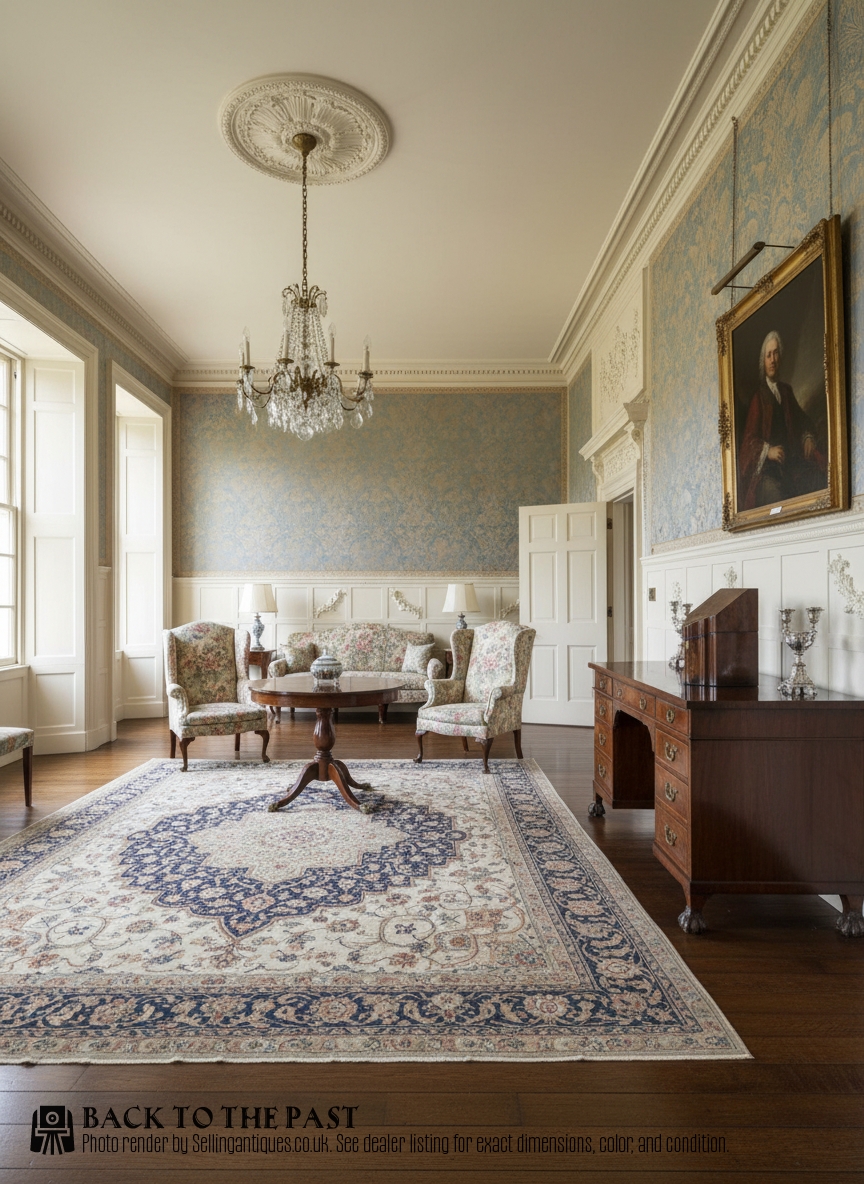
George III Cutlery Box
A george iii cutlery box is a specialised wooden receptacle designed to hold dining knives and forks, appearing in various upright forms on the evidence page. The pieces listed display distinctive silhouettes such as serpentine fronts, bow fronts, and slanted lids that characterise the period's dining room furniture.
Most examples found here are constructed as knife boxes or storage boxes from the eighteenth century, frequently featuring fitted interiors or dividers. Collectors primarily encounter mahogany structures that reflect the formal dining customs of Georgian households.
The objects span individual pieces and matched pairs, often accompanied by related items such as wine bottle carriers or teaspoons. These variations highlight the breadth of utilitarian dining accessories produced during the late eighteenth and early nineteenth centuries.
Materials and construction
Makers utilised solid and figured mahogany as the primary timber, often selecting flame grain or incorporating satinwood, boxwood, and general wood inlay to create decorative banding. These woods were shaped into sloped lids and curved fronts using traditional cabinet-making techniques.
Metal components such as brass carrying handles, escutcheons, and hinges were integrated into the wooden bodies for functional strength. Certain refined examples also incorporate solid silver mounts to accent the exterior profile.
George III Cutlery Box Retail Price Guide 2026
Typical asking prices for george iii cutlery box among the pieces listed under this phrase on Sellingantiques today, from the lower quarter to the upper quarter. They describe what is for sale here now, not the wider market.
Assessing quality and craftsmanship
The quality of a piece depends heavily on the choice of timber and the precision of the inlay work, with figured mahogany and sharp boxwood lines demonstrating superior workshop standards. Finer items exhibit balanced proportions and well-preserved surface patinas that develop over centuries.
Internal preservation also marks the distinction between standard examples and those of higher standing, particularly where original fitted compartments or velvet linings remain intact. The complexity of the exterior shape, such as a disciplined serpentine curve rather than a plain slope, indicates greater initial labour.
The George III Cutlery Box Glossary
- Serpentine front
- A furniture front featuring a concave centre flanked by two convex ends, creating a gentle undulating wave. This shape requires advanced woodworking skill to execute properly on a vertical box.
- Bow front
- A convex, outwardly curved surface that projects forward from the corners of the piece. It softens the strict geometric lines typical of earlier storage boxes.
- Cross-banding
- A narrow strip of veneer laid across the grain of the primary panel to form a decorative border. It frames the main timber surface of the lid or front.
- Patina
- The surface sheen and deep colour acquired by wood through age, handling, and polishing over generations. A desirable patina shows a soft, warm glow rather than a harsh modern finish.
- Escutcheon
- A protective plate surrounding a keyhole, usually made of brass. It prevents the wood from splitting around the lock.
George III Cutlery Box: Frequently Asked Questions
What were these boxes used for?
These boxes served to store and protect steel-bladed table knives and forks when not in use on the dining table. Keeping cutlery enclosed protected the polished steel blades from tarnishing in the damp air of large houses.
They stood upon sideboards or serving tables during formal meals. The slanted lids allowed servants quick access to the cutlery while keeping the contents orderly.
How do I clean a mahogany box?
Dust the exterior gently with a dry, soft cloth to remove everyday particles. Avoid modern silicone polishes that build up a film over the historic surface.
Apply a traditional beeswax sparingly if the wood appears dry, then buff to a soft finish. Keep the box away from direct sunlight and radiators to prevent the mahogany from splitting.
Are pairs common for these boxes?
Matched pairs frequently appear in the historical record because Georgian dining rooms balanced symmetry on either side of a sideboard. Servants placed one box at each end of the serving furniture to maintain visual equilibrium.
Finding a matched pair today indicates that two boxes survived together through generations of use. Single boxes remain equally authentic to period dining habits where space permitted only one.