


Rich Brown Mahogany Box
A rich brown mahogany box is a solid timber vessel built for tea, wine or letters, prized for its deep grain and enduring utility.
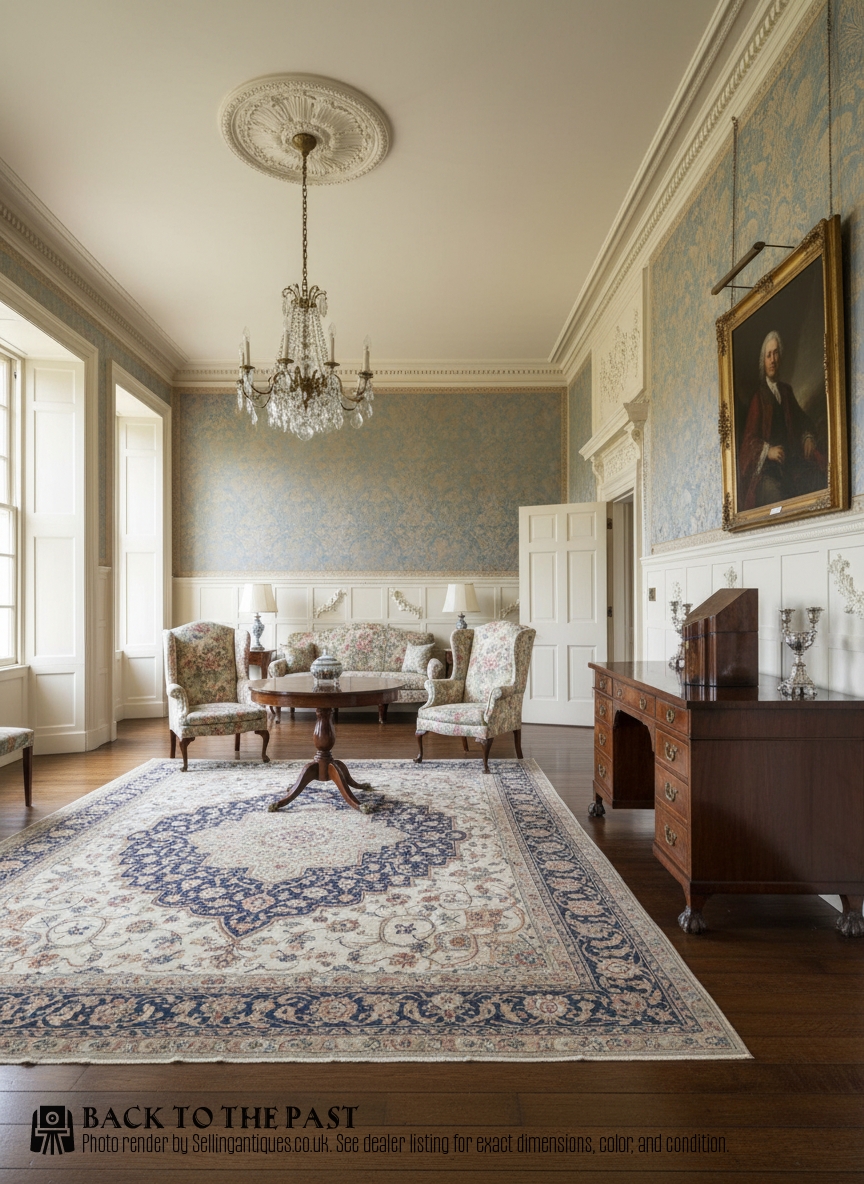
Rich Brown Mahogany Box
A rich brown mahogany box encompasses functional containers made across the Georgian, Regency and Victorian periods. The selection on this page centres on tea caddies, cellarettes, desks and specimen cabinets.
Buyers will most frequently encounter tea caddies and sarcophagus-shaped wine coolers in these listings. These forms display the dark timber tones characteristic of English cabinet work from the eighteenth and nineteenth centuries.
Origins span formal Georgian items to later Victorian examples. Each piece serves a specific domestic purpose, from storing dry leaf tea to holding bottled wine or collecting microscope slides.
How they were made
Cabinet makers utilised solid mahogany and flame mahogany veneer over a wood base to achieve rich, figured surfaces. They enhanced these dark timber grounds with contrasting stringing and banding in boxwood and satinwood.
Many containers incorporate cast brass carrying handles, escutcheons and internal glass or bone fittings. Joinery methods of the period ensured stability for heavy items like wine coolers and specimen cabinets.
Listings feature mahogany, flame mahogany veneer, satinwood, boxwood, brass, bone and glass across Georgian, Regency and Victorian periods.
What varies in quality
The standard of a rich brown mahogany box depends upon the selection of timber figures and the precision of any wood inlay. Flame mahogany veneer displays greater visual movement and depth on better examples.
Construction quality shows in the integration of brass hardware and the retention of original internal fittings such as mixing bowls or tea canisters. Superior pieces maintain crisp mouldings and well-fitted lids across the Georgian and Victorian eras.
The Rich Brown Mahogany Box Glossary
- Flame mahogany veneer
- A sheet of timber sliced from wood where the branch meets the trunk to create a distinctive flickering pattern. This veneer forms the decorative outer layer of many finer caddies and coolers.
- Cellarette
- A large storage container built to hold bottles of wine near the dining table. Regency examples often take a sarcophagus shape with heavy brass handles.
- Teapoy
- A small stand or box designed specifically for storing and blending loose tea leaves. These mounted containers often feature internal compartments for different tea varieties.
- Stringing
- A narrow line of contrasting timber inlaid into the surface of a box. Boxwood and satinwood are typical materials used for this delicate decorative work.
- Escutcheon
- A small plate of brass or bone surrounding a keyhole. It protects the surrounding wood from wear and adds a decorative accent to the front of the box.
Rich Brown Mahogany Box: Frequently Asked Questions
What is a rich brown mahogany box used for?
These boxes served specific domestic functions in period homes, such as keeping dry tea leaves secure or chilling wine bottles near the dining table. Some items were built as small desks or specialised cabinets for collectors.
Today they function effectively as decorative storage containers on tables or desks. Their sturdy construction makes them practical for holding modern everyday items while retaining historical character.
How do I date a mahogany box?
Dating relies on observing the overall form, construction methods and decorative details like inlay or brass hardware. Georgian and Regency pieces often feature distinct architectural proportions and flame mahogany veneers.
Comparing the object type against known period styles helps narrow down the decade of manufacture. Later Victorian pieces often incorporate different internal configurations and heavier mouldings.
Are these boxes made of solid wood?
Many examples combine solid timber framing with decorative veneers applied to the outer surfaces. Flame mahogany veneer was widely utilised by cabinet makers to create striking visual patterns on the lids and fronts.
Secondary woods and internal dividers may consist of contrasting timbers like satinwood or boxwood. This layered construction provided stability and allowed for elaborate surface decoration.
How should I clean a mahogany box?
Maintenance requires gentle dusting with a soft dry cloth to protect the polished timber surface. Avoid using harsh modern chemical polishes that can damage old wax and veneer.
Occasional application of appropriate furniture wax helps preserve the rich brown tone of the mahogany. Keeping the box away from direct sunlight prevents fading of the wood and veneer.