
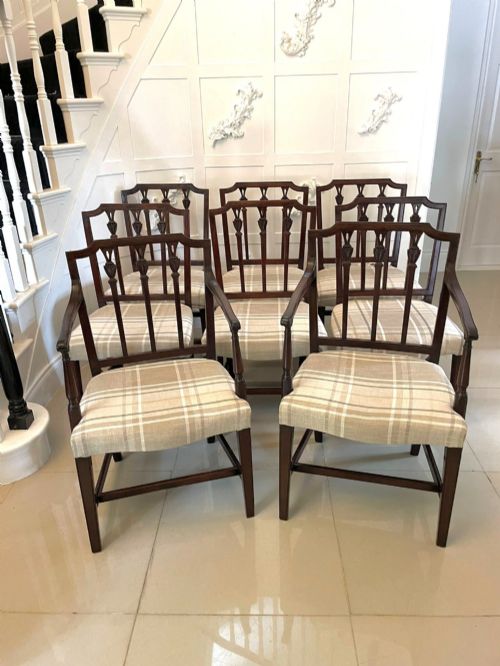
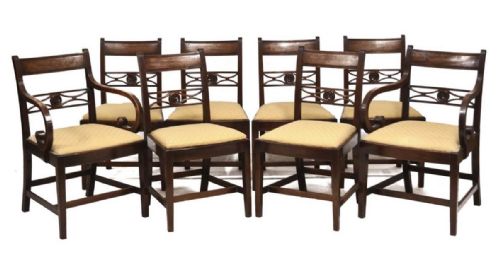
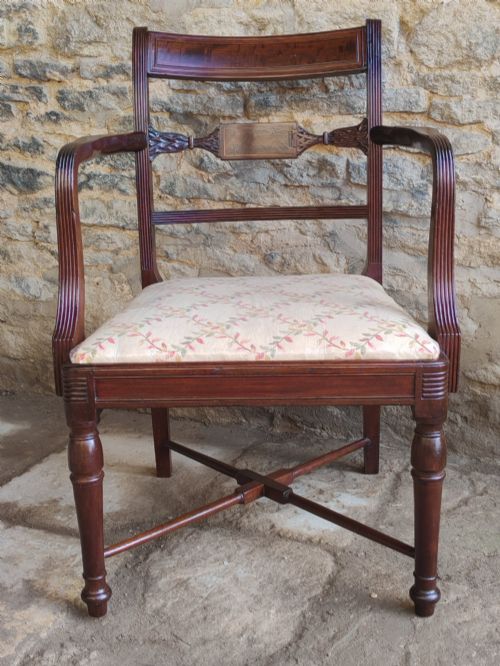
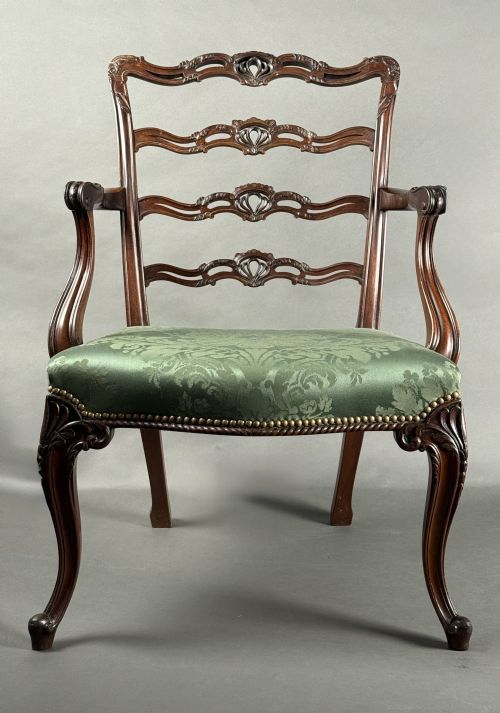

George III Dining Carver
These george iii dining carver pieces are sturdy seating made to anchor a traditional table.
George III Dining Carver
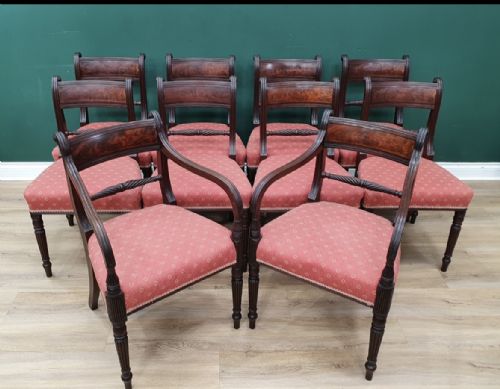
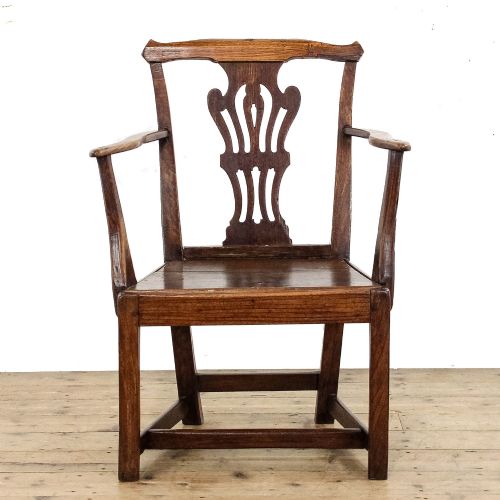
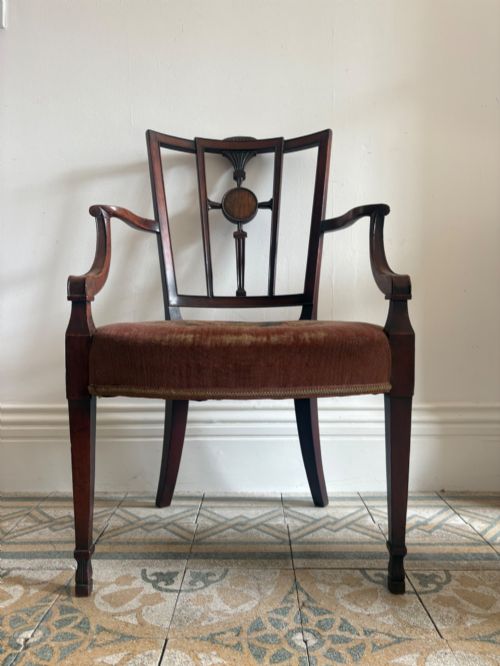
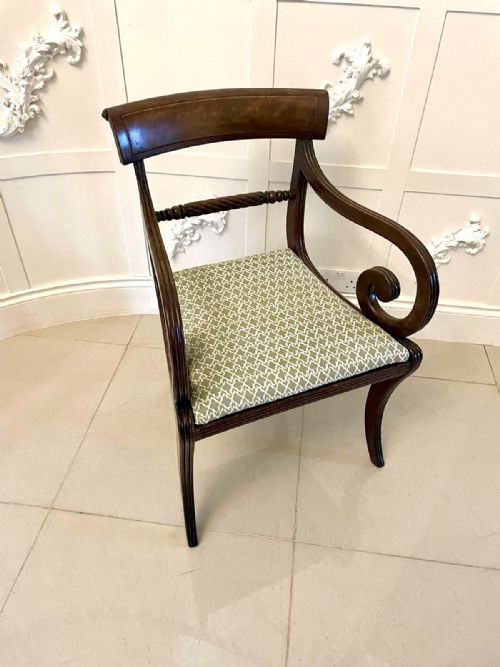
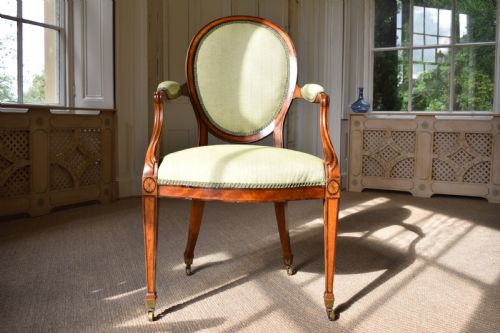
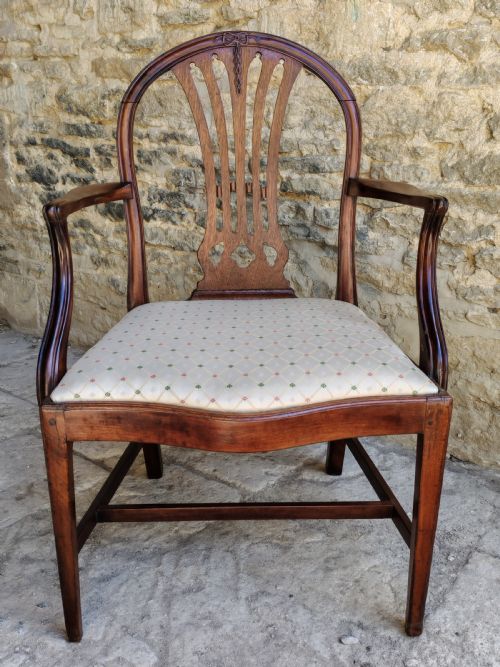
A george iii dining carver is a sturdy timber seat designed with armrests to sit at the head or foot of a dining table. When searching this phrase, you find eighteenth-century and early nineteenth-century forms alongside later interpretations. Most items on this page appear in mahogany, though elm and walnut also feature.
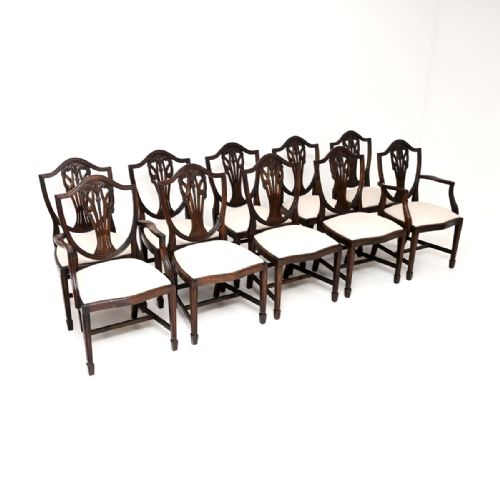
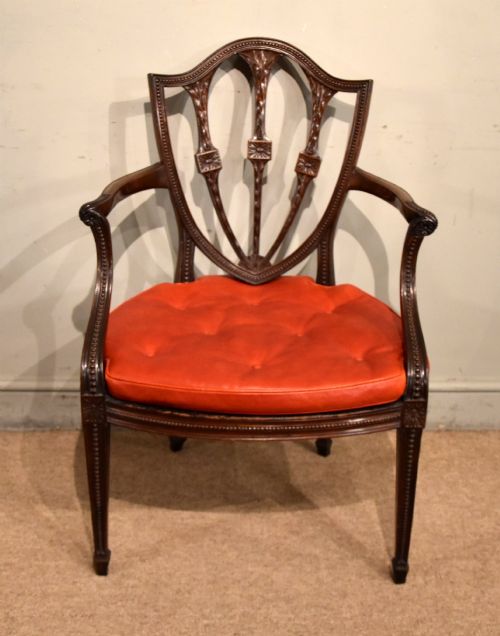
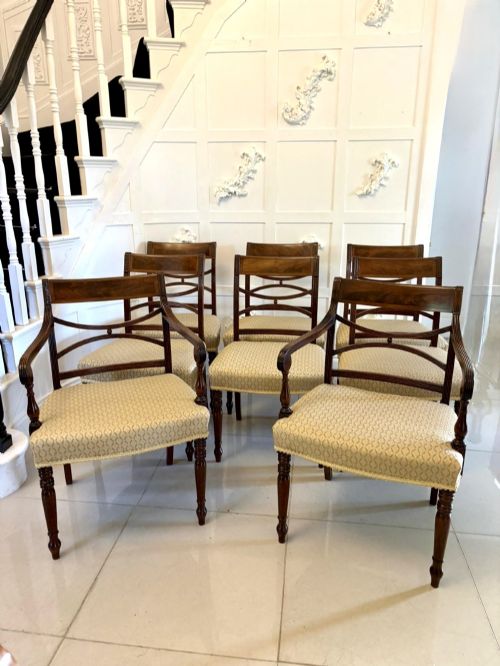
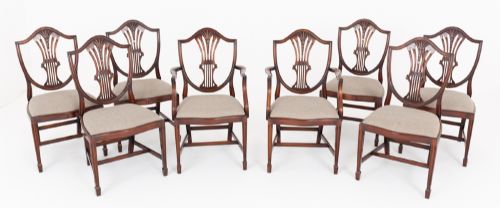
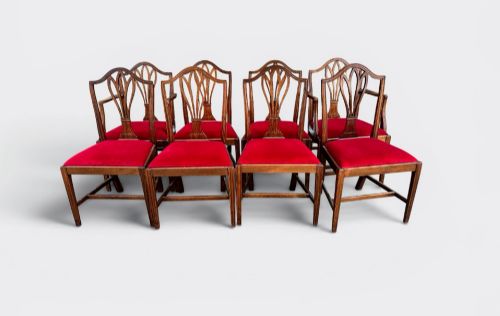
Makers and workshops constructed these chairs in sets, often pairing several single chairs with matching carvers for the hosts. You encounter shield-back shapes and open armchair designs reflecting the prevailing tastes of the period. The evidence shows styles spanning Hepplewhite, Chippendale, Sheraton, and regional vernacular traditions.
Originating predominantly from the Georgian era, these pieces serve both decorative and functional roles in a dining room. Scottish examples and stamped maker pieces demonstrate the regional variation available. Buyers select them for daily dining use or to complete a mixed set of period chairs.
Materials and Construction
Cabinetmakers relied heavily on solid mahogany for its tensile strength and fine grain, allowing for intricate carving on the top rails and splats. Alternative timbers like elm and fruitwood appear in country vernacular pieces, while satinwood and rosewood accents add detail. Frames often utilise mortise and tenon joints to withstand decades of regular use.
Upholstery forms an integral part of the construction, with drop-in seats traditionally padded over webbing. Materials used for covering include leather, velvet, brass-tacked fabric, and tapestry. Artisans shaped timber using hand saws, chisels, and planes, leaving subtle tool marks that confirm period manufacture.
Factors of Quality
The degree of carving finesse distinguishes standard examples from exceptional items. Crisp, deep relief work on the splats and arms indicates a master workshop, whereas shallow or flat detailing suggests lesser execution. Proportions and timber selection also drive value, with well-figured grain commanding greater appreciation.
Originality of components remains paramount. Pieces retaining their structural integrity without excessive timber replacement or reconstructed arms sit at the upper end of the scale. Makers' marks or stamps, such as those from Gillows, provide definitive provenance that elevates a piece.
Gillows·H Samuel London
The George III Dining Carver Glossary
- Carver
- An armchair designed specifically to match a set of single dining chairs, traditionally placed at the ends of the table.
- Shield Back
- A chair back shaped in the outline of a shield, popularised by George Hepplewhite during the late eighteenth century.
- Splat
- The vertical wooden strip down the centre of a chair back, often pierced and carved in various geometric or scroll patterns.
- Vernacular
- Furniture made by regional cabinetmakers for local use, often employing native timbers rather than imported mahogany.
- Elbow Chair
- A traditional term for an armchair, frequently used interchangeably with carver in period descriptions.
George III Dining Carver: Frequently Asked Questions
What is a george iii dining carver?
A george iii dining carver is an armchair made during the Georgian period to sit at the head of a dining table.
These pieces feature wooden frames, frequently in mahogany, and often match a larger set of single dining chairs.
How do I use a carver in a modern dining room?
Carvers work well placed at the head and foot of a rectangular dining table to anchor the seating arrangement.
You can also use a single carver as a desk chair or as an accent piece in a hallway or bedroom.
How can I tell the period of these chairs?
Period identification relies on timber choice, construction methods, and stylistic cues such as shield backs or tapered legs.
Eighty-century pieces generally show hand-cut joinery and dense mahogany, while later nineteenth-century interpretations display different proportions and machine-assisted touches.
What materials were used for upholstery?
Original and period-appropriate upholstery includes leather, velvet, brass-tacked fabric, and tapestry over traditional drop-in frames.
Many surviving chairs have been re-covered in modern upholstery fabrics to suit contemporary interiors while retaining their antique frames.