

Dark Mahogany Carver
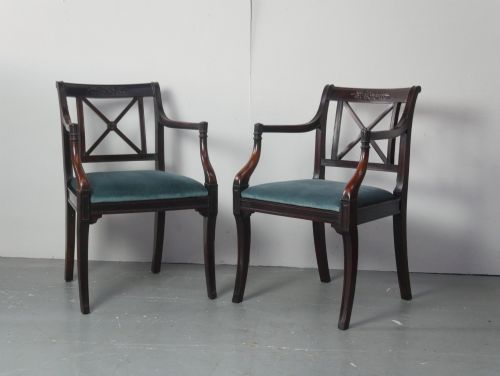
Dark mahogany carver chairs bring architectural timber and generous arm support to a dining table.
Dark Mahogany Carver
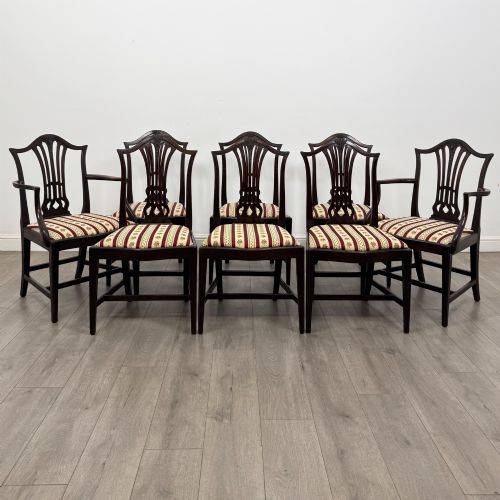
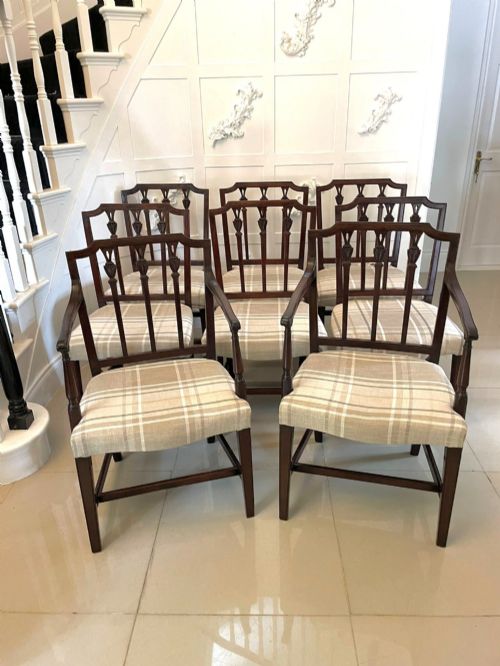
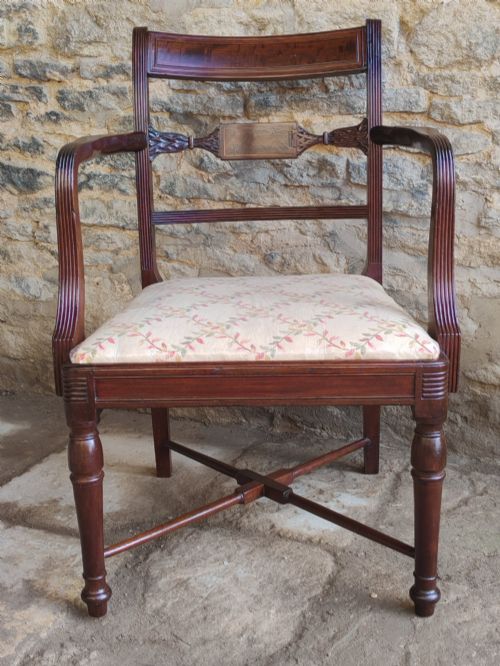
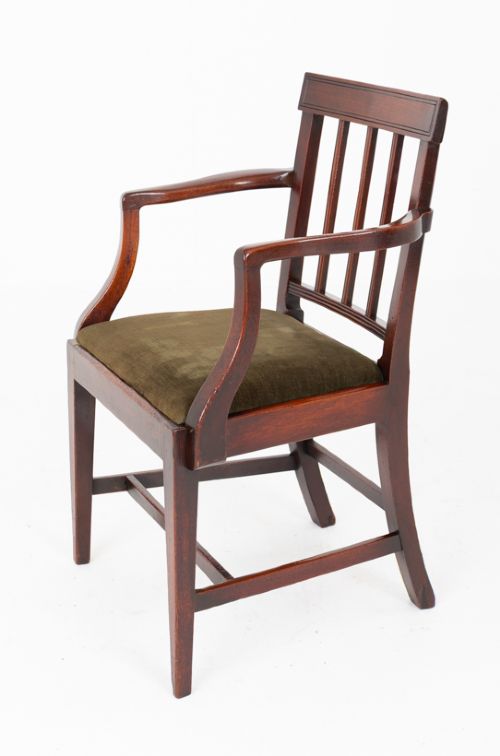
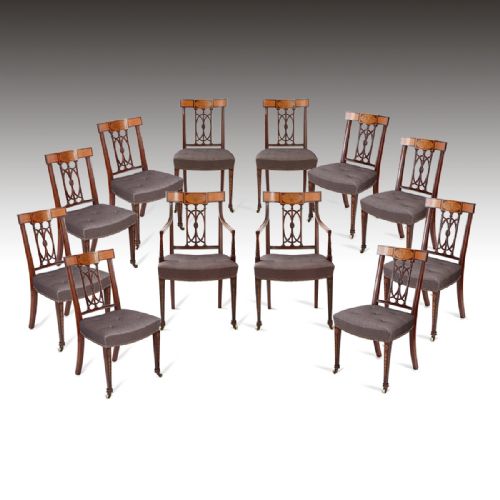
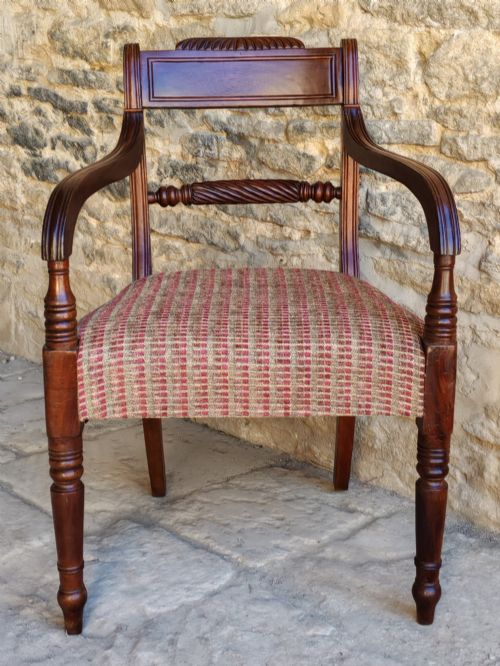
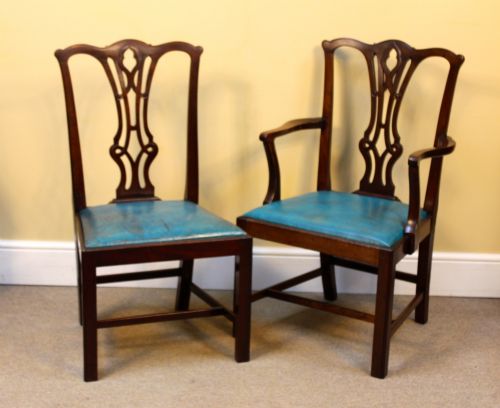
A dark mahogany carver is an armchair designed for the head of a dining table or for a desk, distinguished by its wooden armrests and sturdy timber frame. These seating pieces appear frequently in the listings as part of larger dining sets containing single chairs alongside the armed carvers.
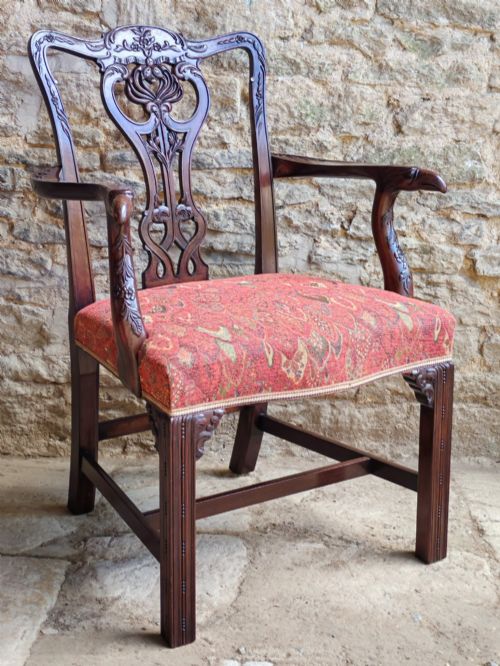
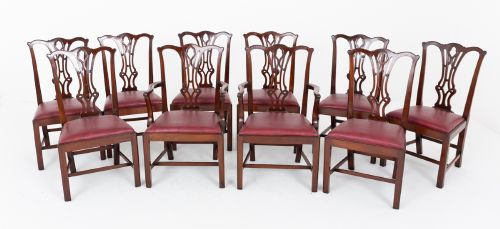
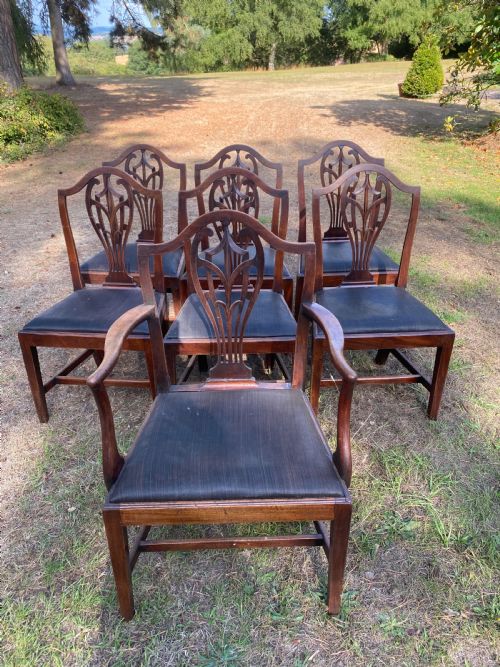
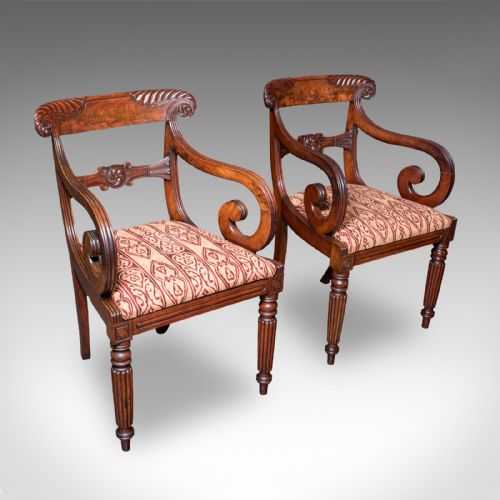
The materials and styles span several centuries, with pieces originating from the eighteenth century, the Regency period, and later revival movements such as Chippendale and Hepplewhite. Buyers encounter single armchairs, pairs of elbow chairs, and large suites intended for formal dining rooms.
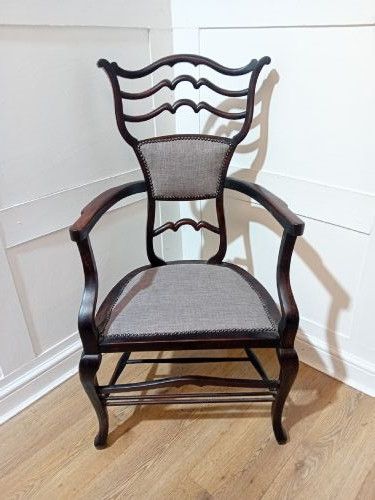
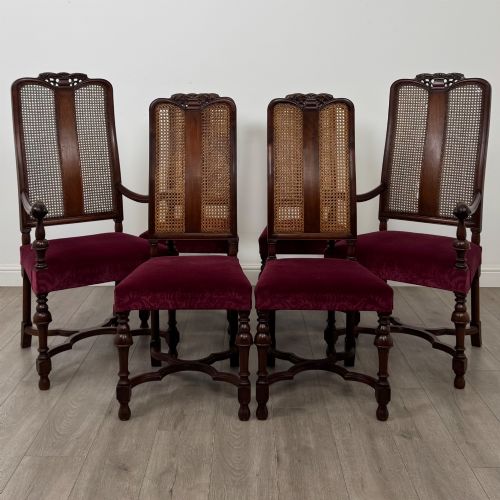
Forms range from shield back and ladder back designs to open armchair constructions with cane seats or upholstered pads. The darker tone of the timber defines the aesthetic, often showing the deep reddish-brown grain typical of period mahogany.
Materials and construction methods
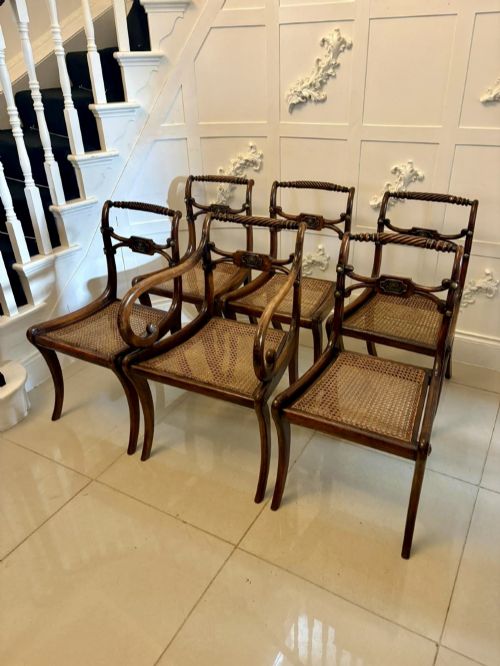
Construction relies heavily on solid mahogany timber, selected for its density and stability when carved into complex shapes like shield backs, ropebacks, and lyre backs. Workshops shaped the wood using traditional joinery methods to support the structural weight placed on the arms and legs.
Upholstery forms an integral part of many pieces, utilising fabric, velvet, leather, and sometimes cane webbing for the seats. Brass details occasionally appear as castors or structural accents on desk chairs and heavier armchairs from the Regency period.
Dark Mahogany Carver Retail Price Guide 2026
Typical asking prices for dark mahogany carver among the pieces listed under this phrase on Sellingantiques today, from the lower quarter to the upper quarter. They describe what is for sale here now, not the wider market.
Listings span the eighteenth, nineteenth, and early twentieth centuries, incorporating Georgian, Regency, Victorian, and Edwardian periods alongside revival styles.
Distinguishing quality in dark mahogany carvers
The crispness and depth of the wood carving dictate much of the distinction between standard production and finer examples. Pieces with sharply defined interlaced ribbons, acanthus leaves, or pierced splats demonstrate superior hand-tool work by skilled cabinetmakers.
The integrity of the timber and the retention of original components, such as arm supports and stretchers, separate well-preserved antiques from heavily restored items. The weight and grain selection of the mahogany also indicate the tier of the original commission.
Howard and Sons·Alfred Allen of Birmingham
The Dark Mahogany Carver Glossary
- Carver
- An armchair, typically designed to match a set of dining chairs and placed at the head of the table. The term distinguishes the armed seat from the matching single side chairs.
- Ropeback
- A chair back carved to resemble a twisted rope, appearing on dining chairs from the early nineteenth century. The carved pattern follows the curved top rail of the timber.
- Elbow chair
- An alternative term for an armchair, referencing the supportive wooden rests for the arms. These chairs were often used in morning rooms and reception spaces.
- Chippendale style
- Furniture designs inspired by the aesthetic of Thomas Chippendale, characterised by elaborate fretwork and carved cabriole legs. Revivals of this style appeared frequently during the Victorian and Edwardian eras.
Dark Mahogany Carver: Frequently Asked Questions
What is a dark mahogany carver?
A dark mahogany carver is an armed dining or desk chair made from dark timber. These pieces typically feature wooden armrests and stand out from standard dining chairs.
They appear singly, in pairs, or as part of larger dining sets where two carvers accompany several side chairs.
How do I spot a Regency carver?
Regency carvers often display classical influences, incorporating elements such as brass inlay, sabre legs, or ropeback top rails. The timber tends to have a rich, dark polish.
Looking underneath and at the joinery helps confirm the period construction methods used during the early nineteenth century.
Are these chairs suitable for daily use?
Period armchairs built from solid mahogany offer robust construction suitable for daily seating at a desk or dining table. The sturdy timber frames handle regular weight well.
Upholstered pads and cane seats may require occasional maintenance or reupholstering depending on the condition of the fabric and webbing.