
Victorian Mahogany Carver
A victorian mahogany carver brings substantial timber, generous proportions and authoritative arm support to a dining table or study.
Victorian Mahogany Carver
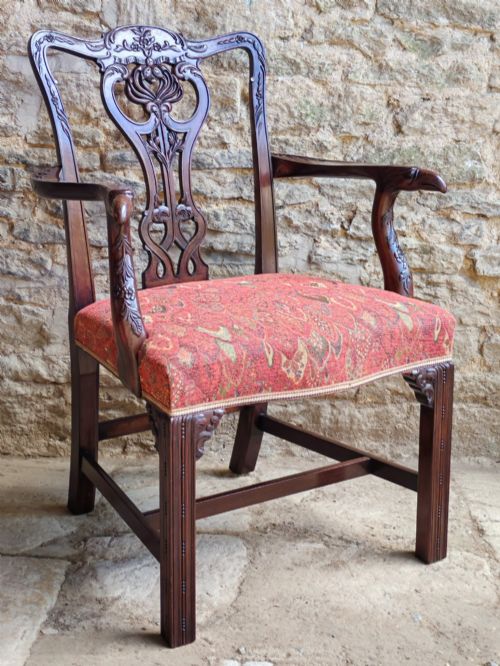
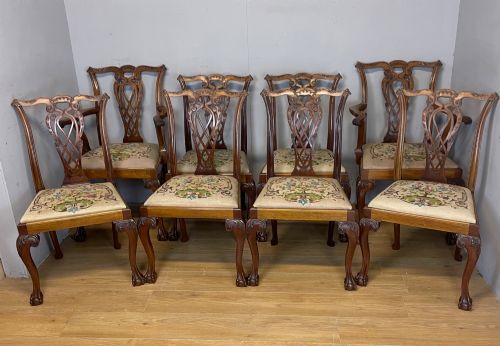
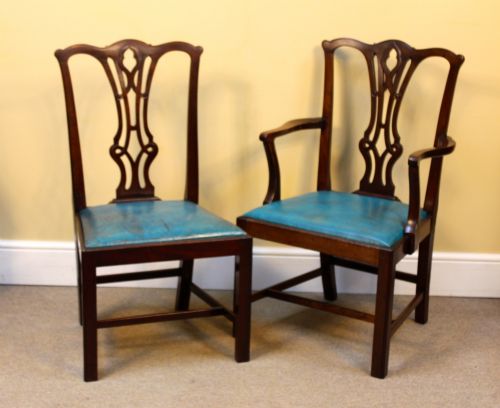
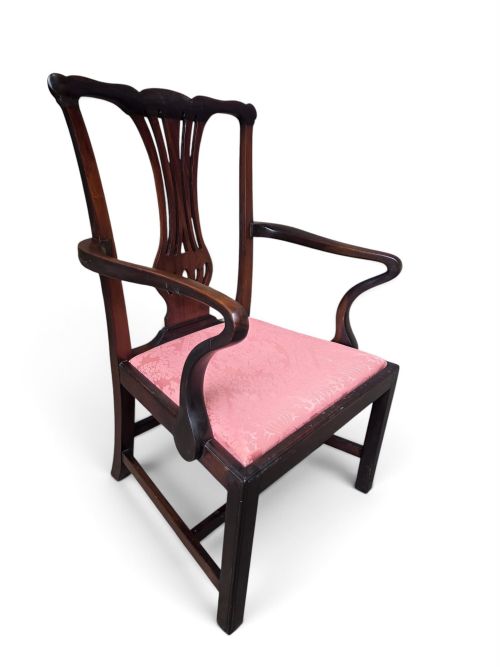
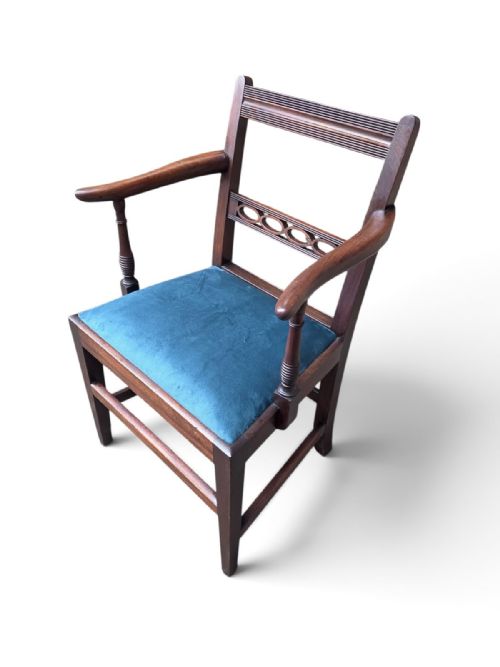
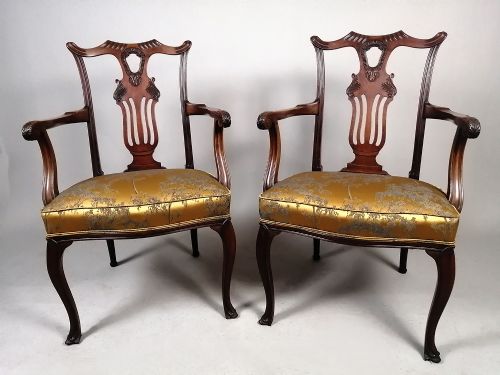
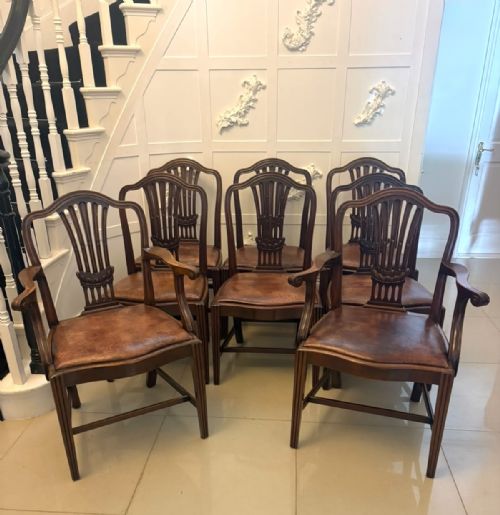
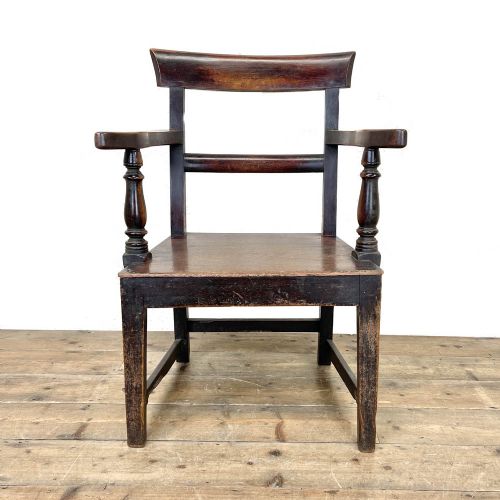
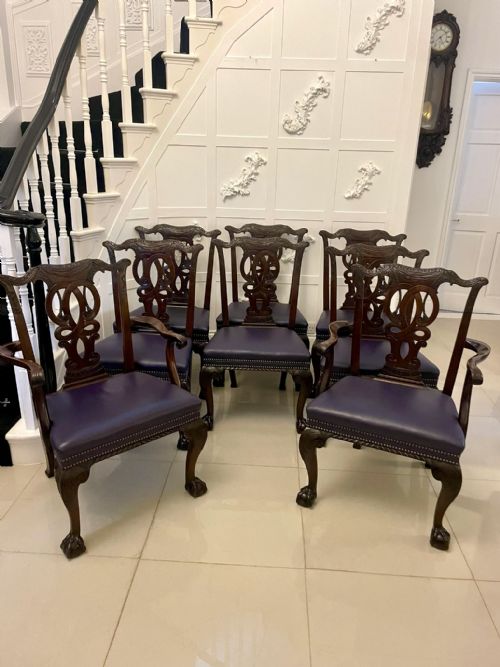
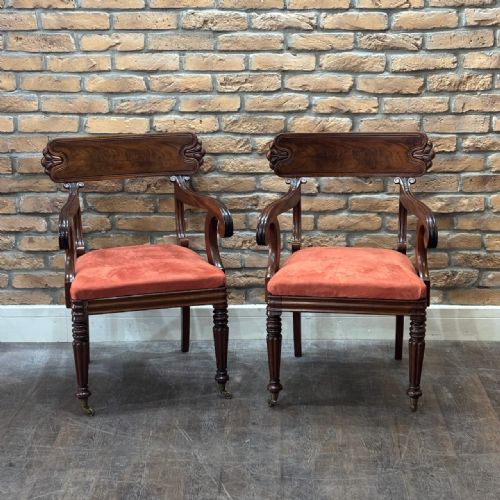
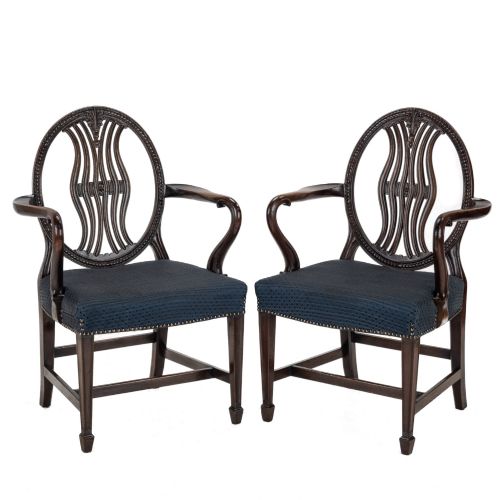
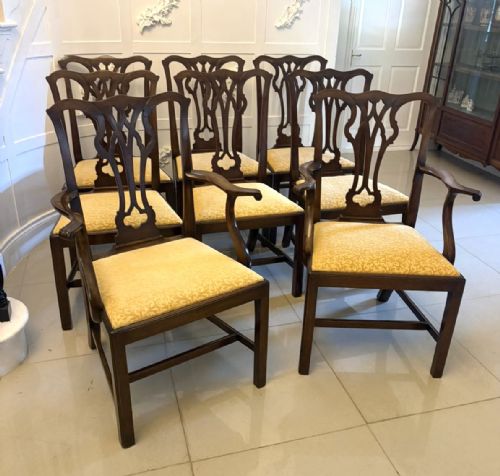
A victorian mahogany carver is an armchair designed to stand at the head of a dining table or function as a desk chair. These seating pieces appear frequently as single armchairs, in pairs, or accompanying larger sets of dining chairs.
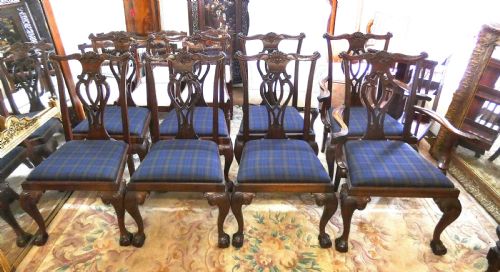
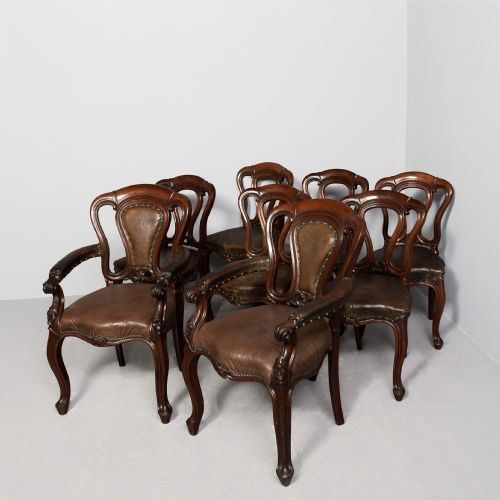
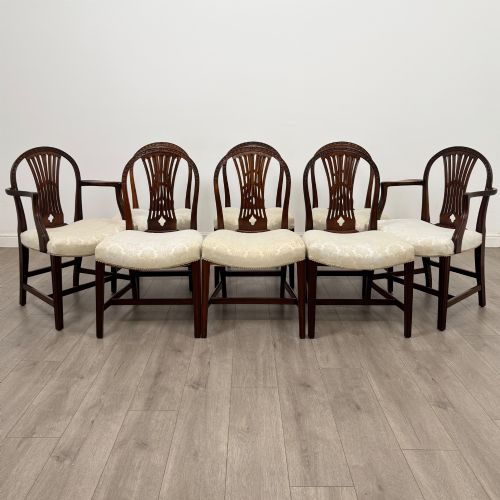
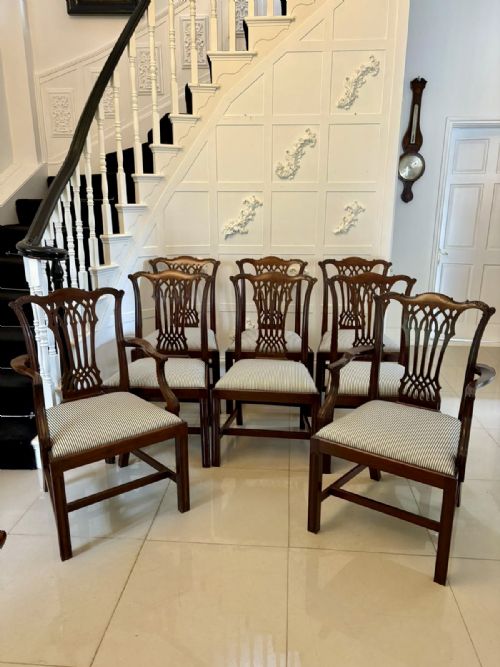
The form spans the nineteenth century, drawing heavily on earlier eighteenth-century revivals such as Chippendale and Hepplewhite alongside balloon back and scroll arm variations. Originating primarily from English, Irish and Scottish workshops, these chairs display robust wooden frames built for daily use.
How They Were Made
Cabinet makers utilised dense mahogany for the structural frames, often carving intricate details like ball and claw feet, pierced splats and scroll arms directly into the hardwood. Selected timbers ranged from deep reddish brown tones to richly figured grain patterns.
Traditional upholstery techniques secured webbing and padding beneath leather, fabric, velvet or tapestry seats. Brass tacks frequently finished the outer edges of the seat covers, while occasional pieces incorporated marquetry inlay or satinwood details.
Victorian Mahogany Carver Retail Price Guide 2026
Typical asking prices for victorian mahogany carver among the pieces listed under this phrase on Sellingantiques today, from the lower quarter to the upper quarter. They describe what is for sale here now, not the wider market.
Listings feature mahogany frames paired with leather, velvet, fabric and tapestry upholstery across the Victorian era.
What Varies in Quality
The depth and crispness of the carved ornamentation dictate the distinction between standard production and superior examples. Master carvers achieved clean lines on splats, knuckles and leg terminals that lesser workshops left soft or shallow.
Structural integrity depends on the original timber selection and joinery execution, where heavier scantlings and retained original slip seats command greater regard than later replacements or heavily repaired frames.
Howard and Sons·Warings·Gillows·Lamb of Manchester
The Victorian Mahogany Carver Glossary
- Carver
- An armchair designed with open sides to accommodate wider clothing, traditionally used at the head of a dining table.
- Chippendale Revival
- A nineteenth-century stylistic movement copying the mid-eighteenth-century designs associated with Thomas Chippendale, featuring cabriole legs and interlaced splats.
- Splat
- The vertical central strip of wood in the back of a chair, frequently shaped or pierced for decoration.
- Bar Back
- A chair back featuring a horizontal carved wooden rail shaped to support the sitter's lower back.
Victorian Mahogany Carver: Frequently Asked Questions
What is a carver chair?
A carver is an open-armed chair designed to sit at the head of a dining table. The arms provide extra support while allowing room for formal dress.
These pieces also function effectively as desk or library chairs due to their solid wooden construction and comfortable proportions.
How do I identify the style?
Stylistic clues appear in the back splat, legs and arm terminals. Chippendale revival pieces display carved ribbon backs and claw feet, while Hepplewhite versions often feature shield-shaped backs.
Balloon back and scroll arm variants reflect distinct Victorian aesthetic preferences that emerged across the nineteenth century.
Are they suitable for daily use?
Victorian carvers were built from sturdy mahogany to withstand heavy domestic routines. Their robust frames remain practical for modern dining rooms and studies.
Checking the stability of the joints ensures the chair handles everyday sitting safely.
What upholstery is authentic?
Original seating materials include leather, horsehair tapestry, velvet and woven fabric secured with brass tacks. Many surviving examples have been reupholstered to suit contemporary interiors while retaining their historic frames. Nailhead trim and traditional webbing methods indicate period appropriate restoration.