
George III Chest of Drawers
When buying a george iii chest of drawers, you are investing in a practical piece of period furniture valued for its exceptional cabinetwork and rich timber.
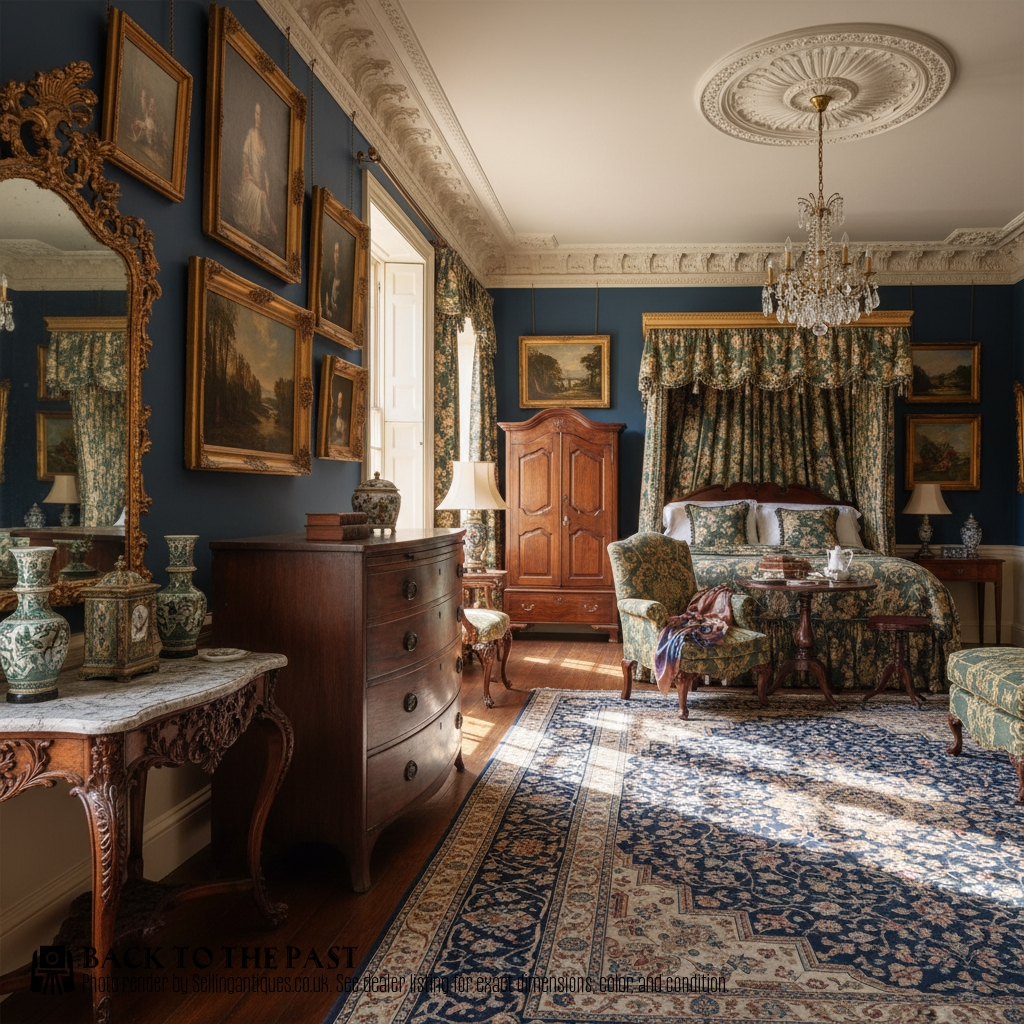
George III Chest of Drawers
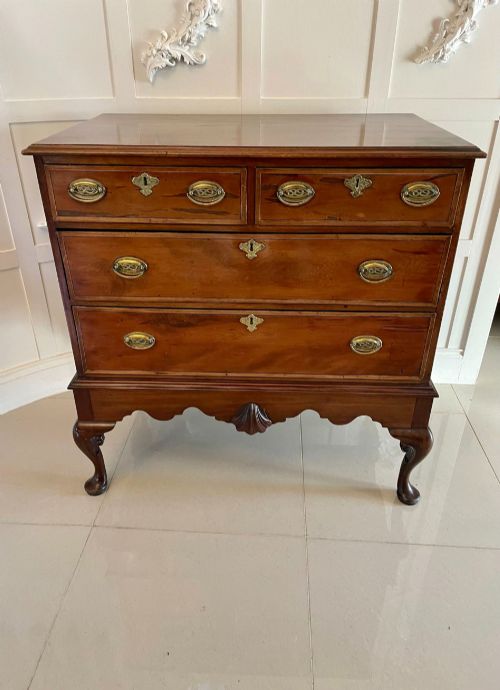
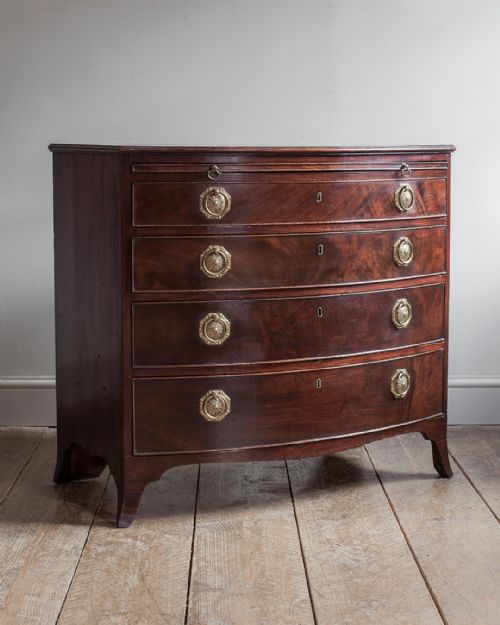
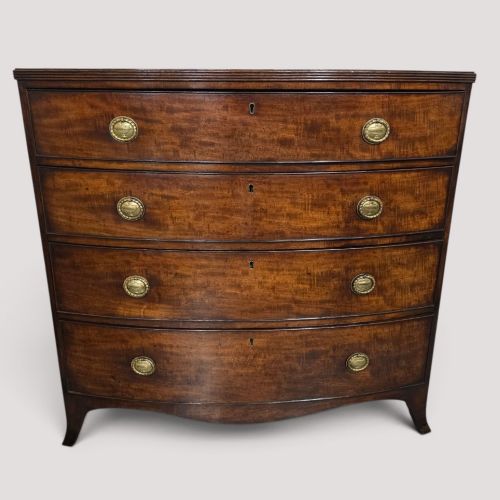
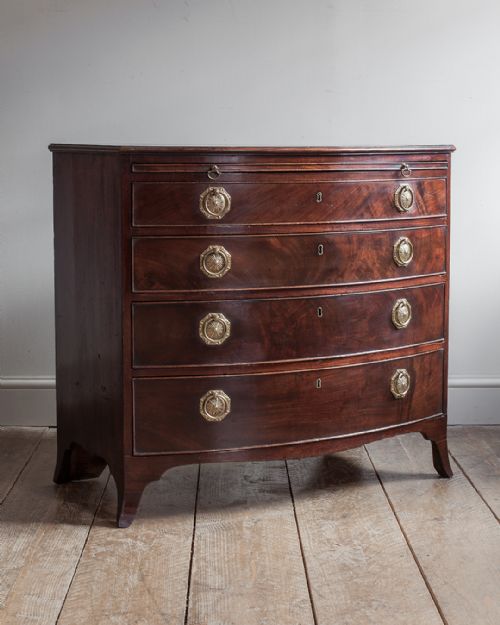
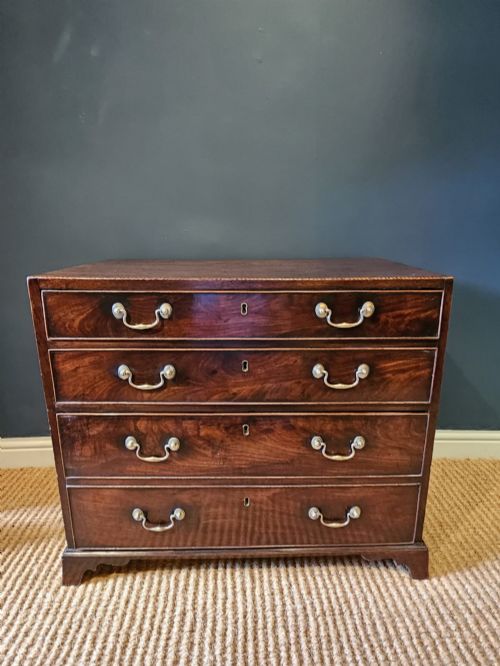
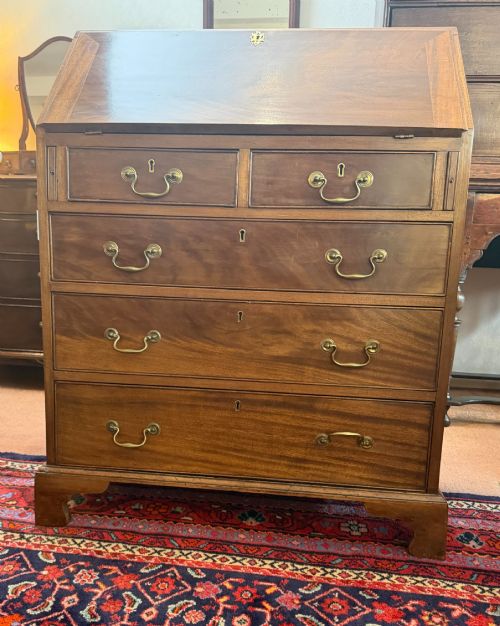
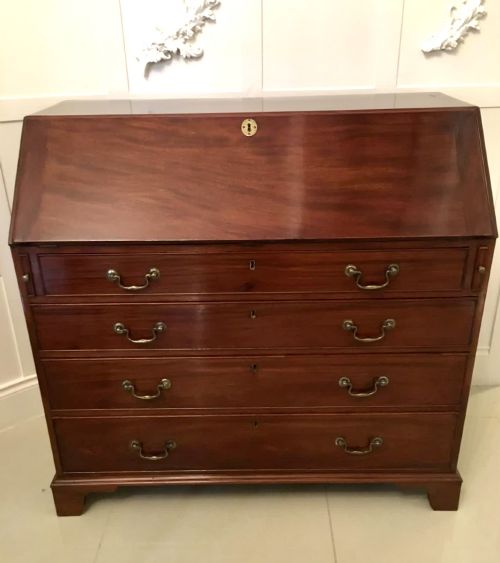
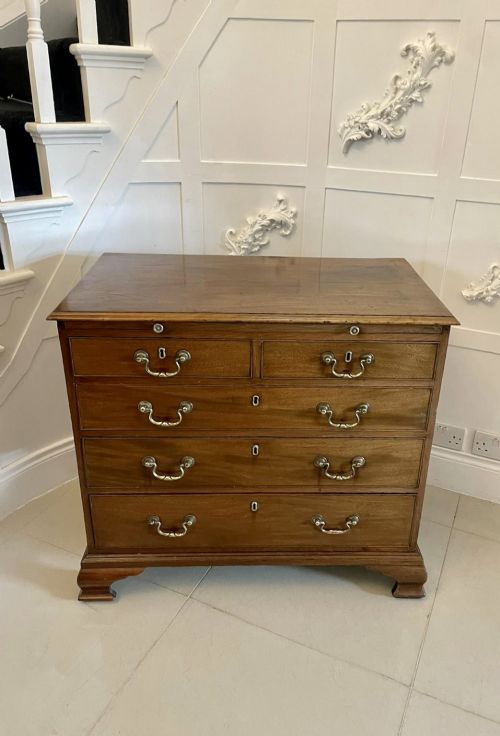
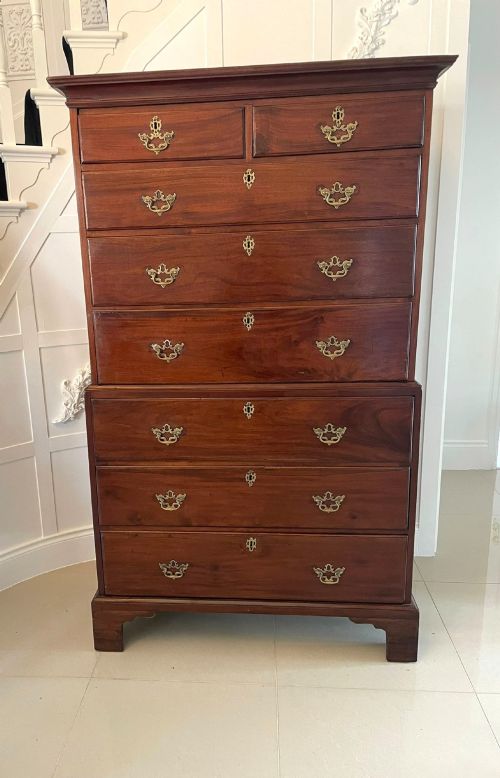
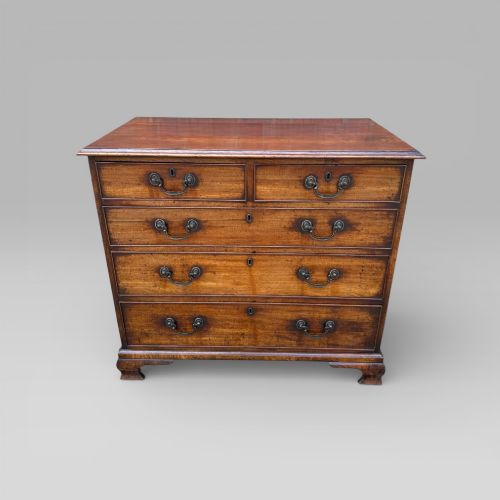
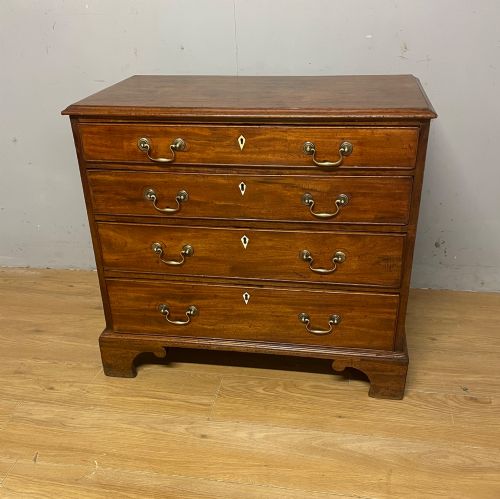
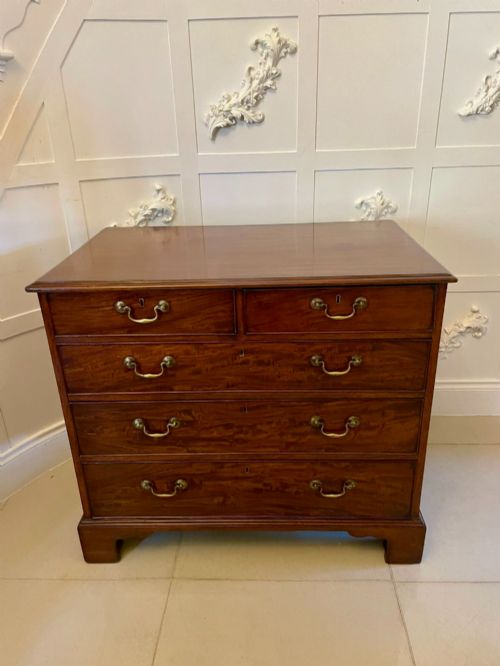
A george iii chest of drawers is a domestic storage item produced during the Georgian era, most frequently taking the form of a rectangular carcase containing four or five graduated drawers. These pieces emerge from the 18th century and early 19th century, reflecting the proportions and stylistic shifts of the period.
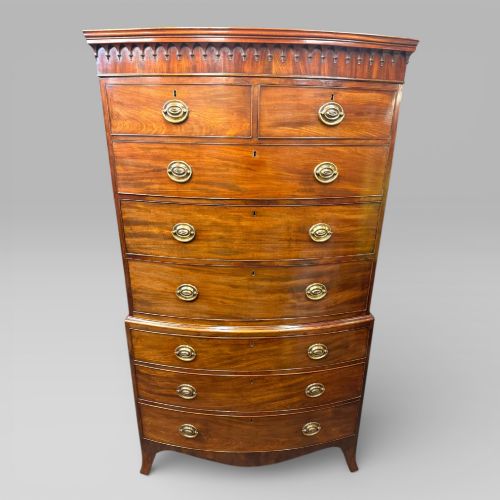
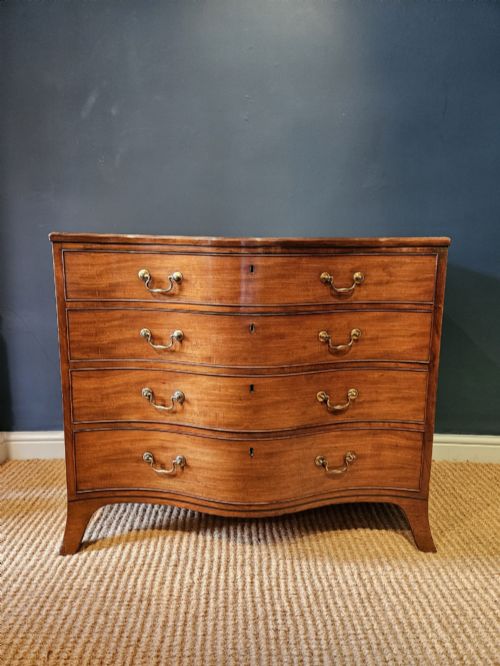
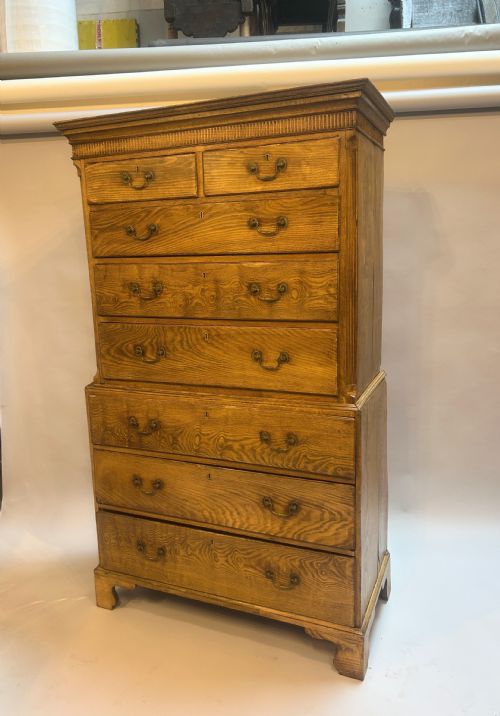
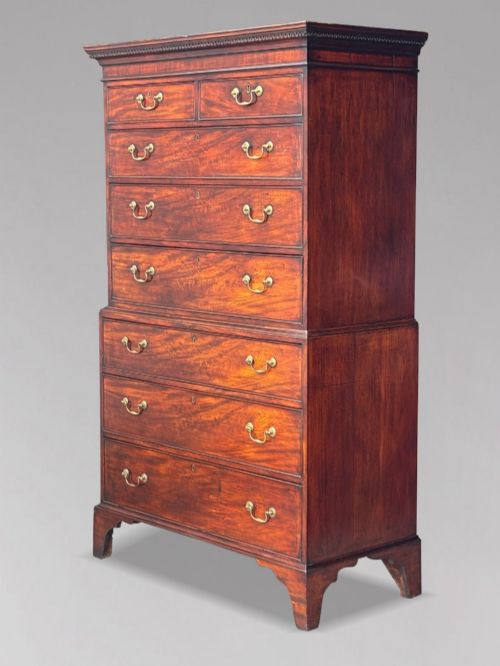
The standard flat-front design sits alongside bow-front, serpentine, and tallboy variants, with bachelor chests and chests on stand appearing less commonly. Walnut, oak, and primarily mahogany dominate the forms, sometimes enhanced with satinwood banding or brass hardware.
Buyers meet these objects in various sizes, ranging from small proportions suitable for tight spaces to large chest on chest configurations designed for substantial rooms. The prevailing aesthetic remains rooted in Georgian design principles, with occasional later George III style interpretations.
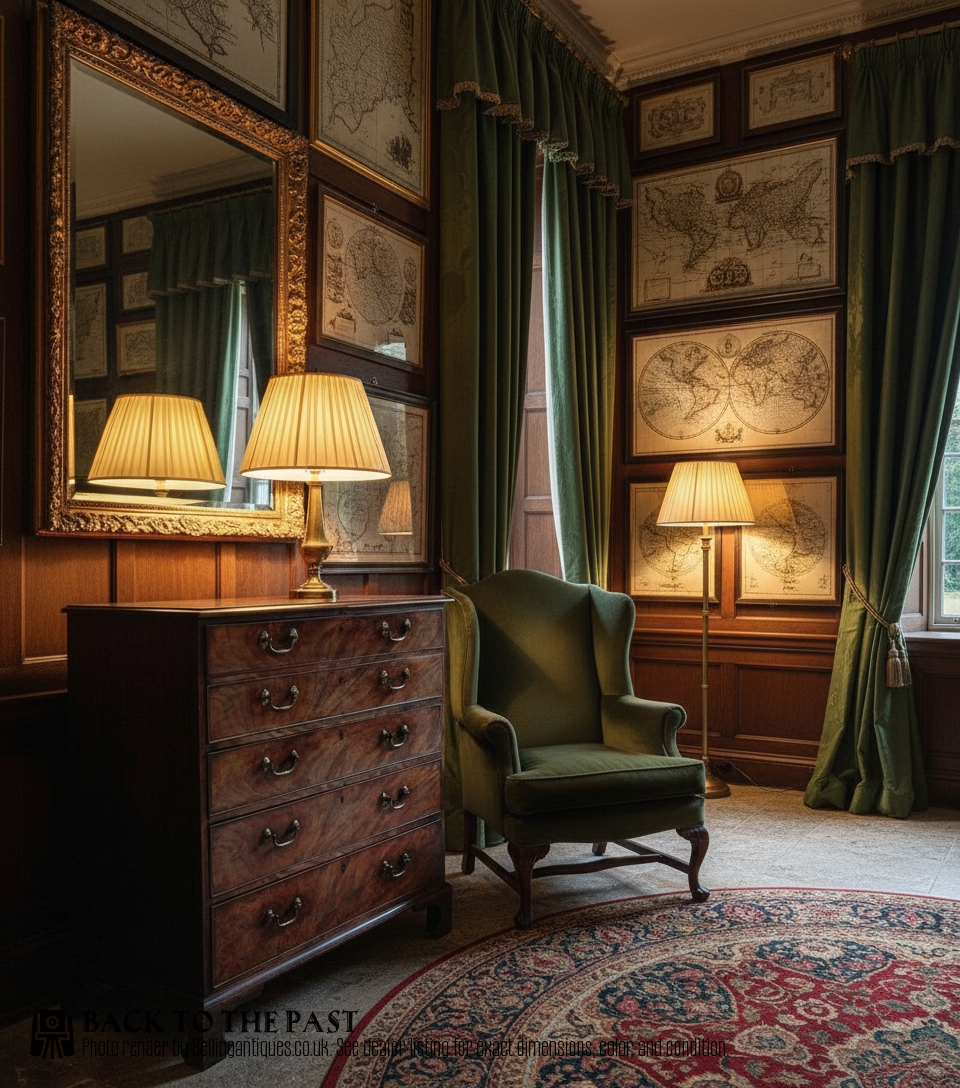
Quality and Proportion
The distinction between tiers of quality rests upon the selection of timber veneers, the crispness of carved details such as blind fret cornices, and the preservation of original patination. Pieces exhibiting highly figured mahogany or burr walnut command greater regard.
Proportion and structural harmony separate standard examples from superior ones, particularly when drawers retain their original depth, linings, and internal divisions. Subtle refinements like brushing slides and well-executed serpentine fronts elevate the standing of an individual piece.
George III Chest of Drawers Retail Price Guide 2026
Typical asking prices for george iii chest of drawers among the pieces listed under this phrase on Sellingantiques today, from the lower quarter to the upper quarter. They describe what is for sale here now, not the wider market.
Listings feature mahogany, oak, burr walnut, and pine constructions spanning the Georgian, Regency, and Edwardian eras.
J Moorcroft·Gillows
The George III Chest of Drawers Glossary
- Brushing slide
- A pull-out shelf positioned above the top drawers, historically utilised for writing or inspecting garments.
- Serpentine front
- A cabinet facade featuring a convex central section flanked by two concave curves, requiring advanced woodworking skill.
- Tallboy
- A tall chest of drawers constructed in two stacked sections, often combining a chest on chest configuration.
- Bracket foot
- A structural foot supporting the corners of a case piece, shaped in a simple profile typical of 18th-century cabinetwork.
- Blind fret
- Carved ornamentation applied to a flat surface to imitate pierced fretwork without cutting through the wood.
George III Chest of Drawers: Frequently Asked Questions
How do I use a brushing slide?
The sliding shelf pulls out smoothly from beneath the top moulding to provide a temporary flat surface.
Historically, this feature served as a writing desk or a spot to brush garments without opening the main drawers.
What is the difference between a tallboy and a chest on chest?
A tallboy typically describes a tall single carcase or a two-part chest, while a chest on chest specifically stacks one distinct cabinet directly on top of another.
Both forms maximise vertical storage while maintaining Georgian proportions.
Are oak and mahogany versions from the same period?
Oak and mahogany pieces both date to the Georgian era, though oak often indicates slightly earlier regional work or utilitarian rooms.
Mahogany became the dominant fashionable timber as global trade routes expanded through the 18th century.
How do I style a george iii chest of drawers in a modern home?
The rich timber tones and clean proportions allow these pieces to function effectively as focal storage units in bedrooms or hallways.
Pairing the warm surface with minimal lighting or contemporary art highlights the historic grain without cluttering the room.