


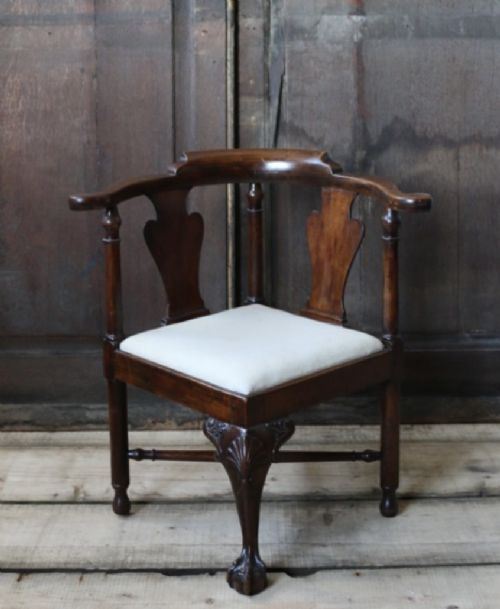


George II Walnut Desk
A george ii walnut desk brings rich grain and understated proportion into a room, offering a functional workspace rooted in eighteenth-century cabinet-making.
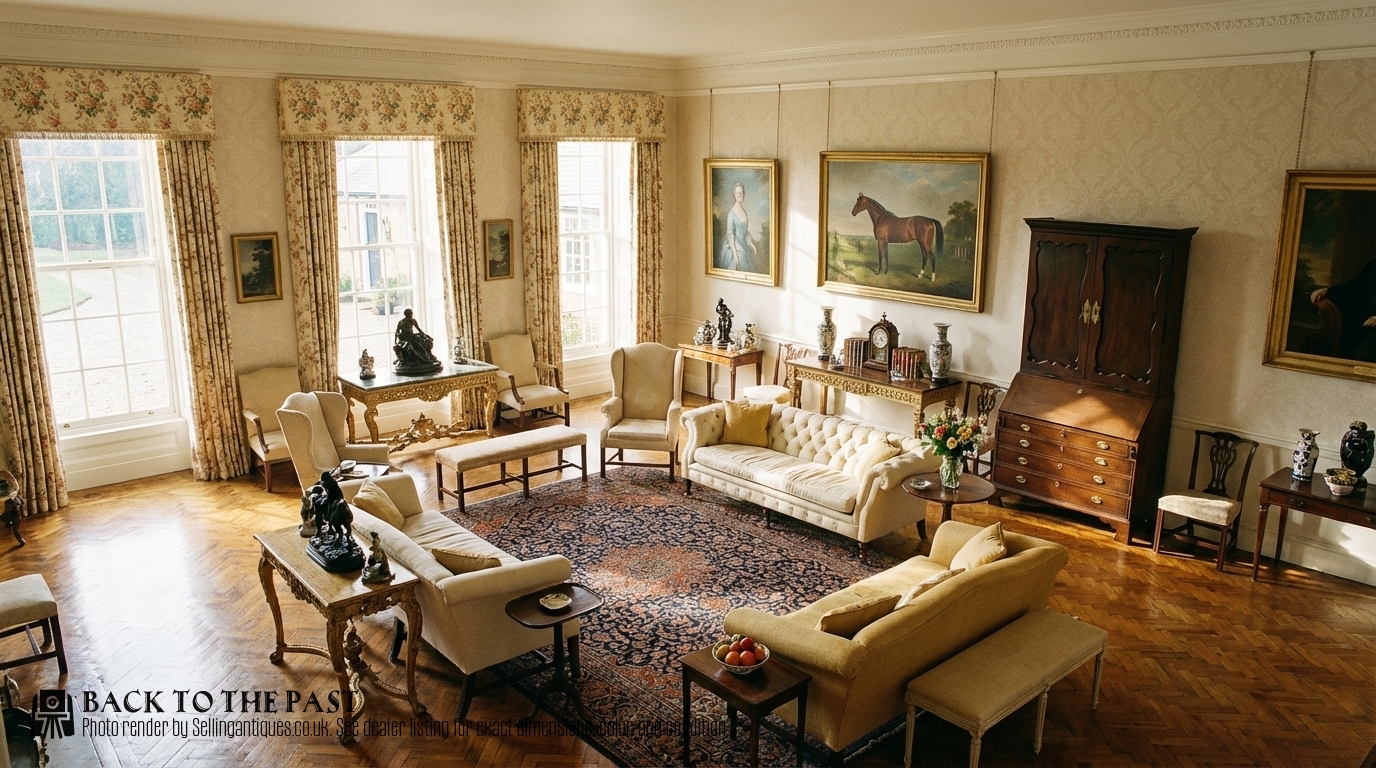
George II Walnut Desk
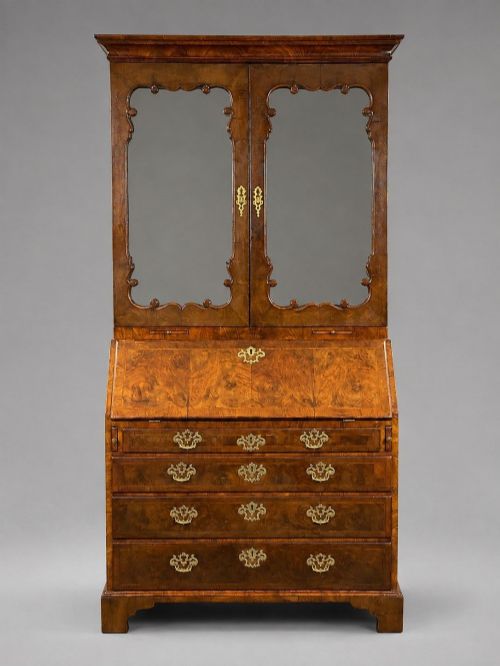
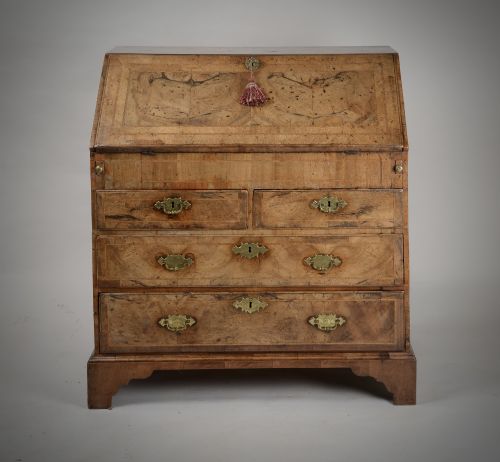
When you search for a george ii walnut desk, you encounter writing furniture spanning both the mid-eighteenth century and later revival periods. The forms range from compact kneehole desks and fitted bureaus to grand bureau bookcases, all sharing a distinct architectural presence.
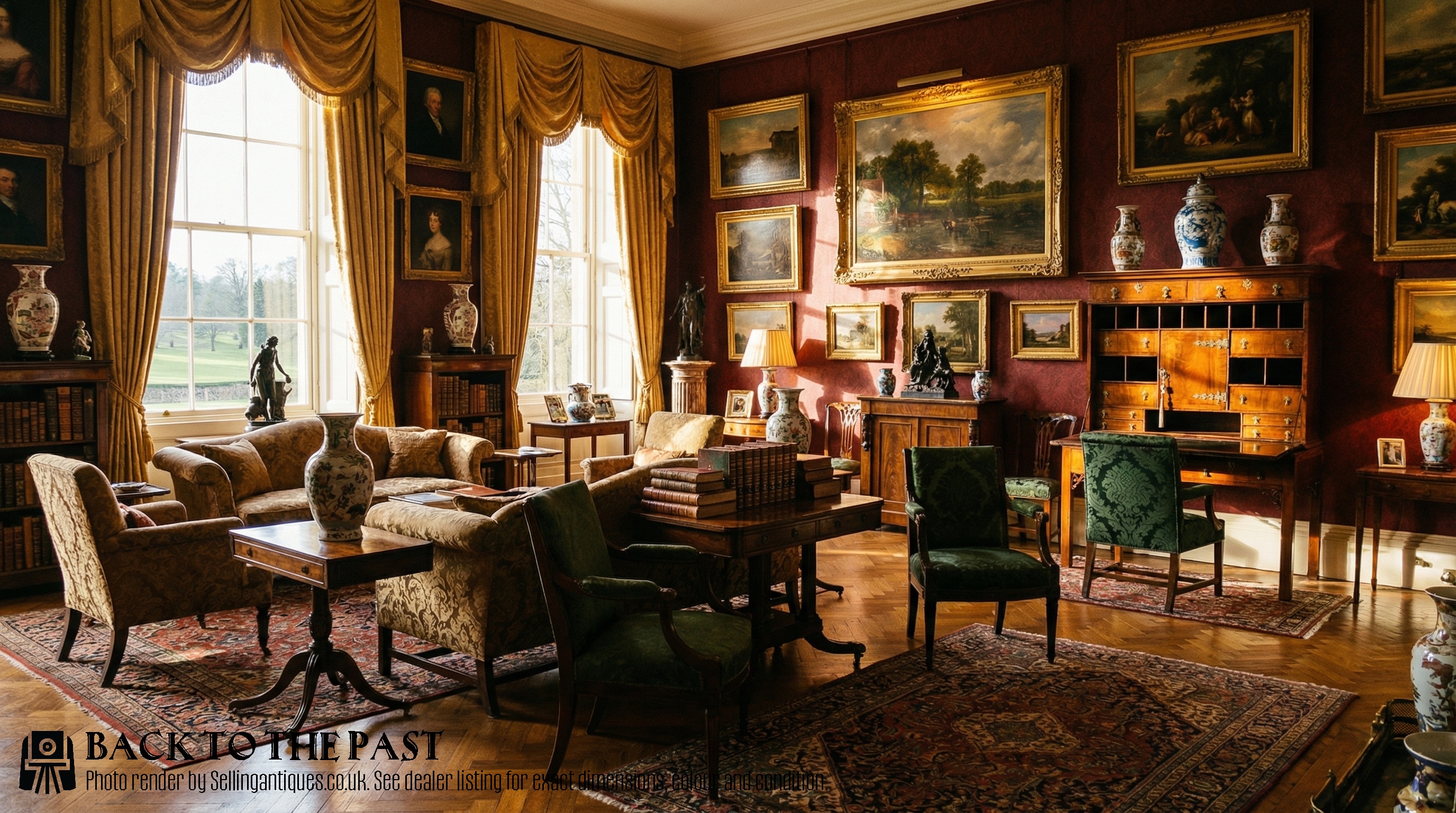
How they were made
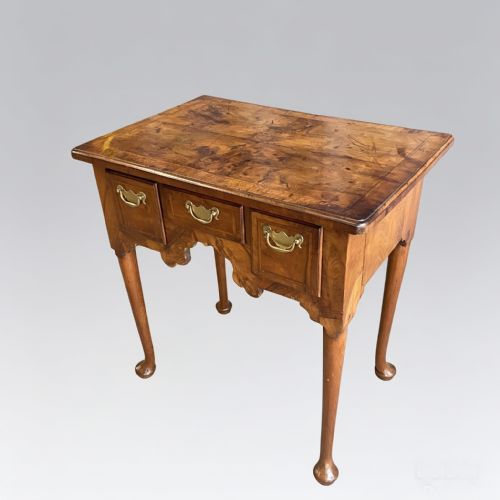
Cabinet-makers built these pieces using native timbers such as oak and fruitwood for carcass construction and drawer linings, overlaid with figured veneers. Walnut, burr walnut, and red walnut supplied the distinctive patterned surfaces, sometimes enhanced by feather banding.
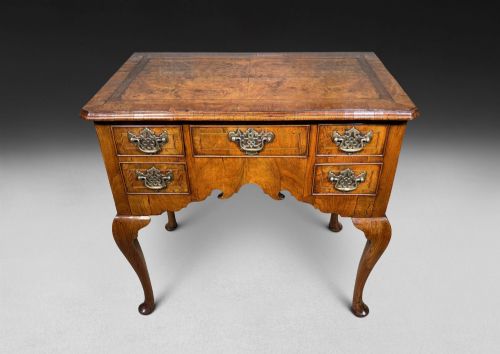
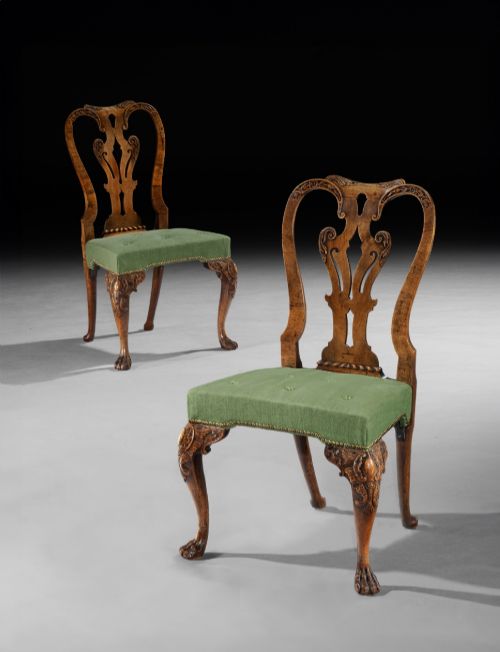
Detailing relied on brass handles and escutcheons fixed to drawer fronts, alongside carved cabriole legs on related forms. Construction techniques prioritized stability, applying veneers over solid bases to prevent warping while displaying the natural figuring of the timber.
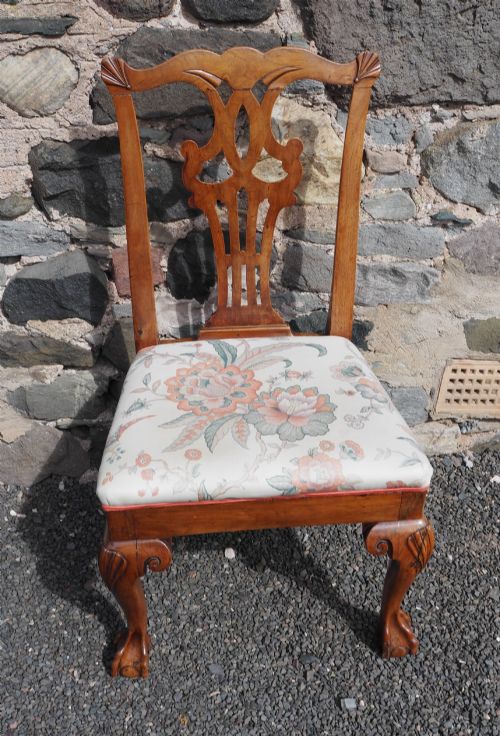
Materials appearing across the collection include solid oak, brass hardware, glass, and fabric tapestry upholstery.
What varies in quality
The standard of a george ii walnut desk rests upon the selection and matching of the wood veneers across the facade. Finer examples display symmetrical figuring and careful grain continuation across drawers and panels.
Construction integrity also separates different grades, seen in the thickness of the secondary woods used for drawer interiors and the precision of the dovetail joints. Original brass hardware and undisturbed patination further elevate the standing of a piece.
The George II Walnut Desk Glossary
- Burr walnut
- A prized veneer sliced from the gnarly growths of a walnut tree, yielding an intricate, swirling pattern of knots and eyes.
- Kneehole desk
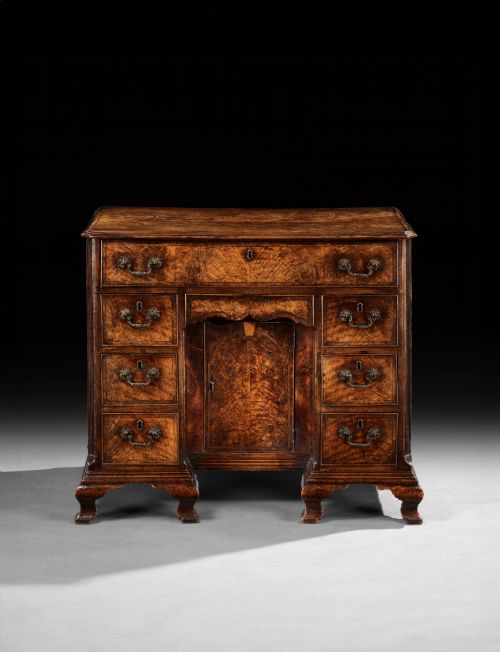
- A compact writing table featuring a central recessed space flanked by pedestals of small drawers.
- Feather banding
- Delicate decorative inlay consisting of thin strips of veneer arranged in a herringbone or V-shaped pattern around drawer edges.
- Bureau
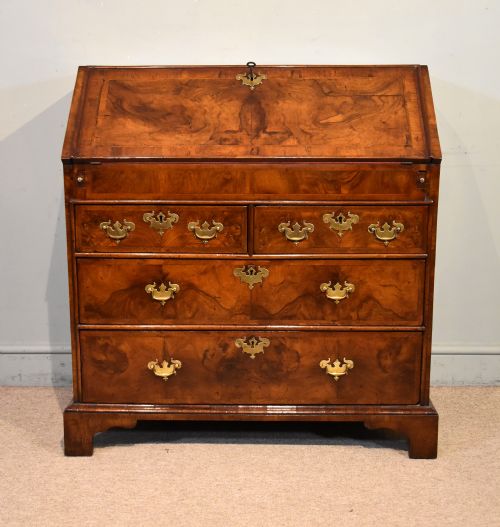
- A slant-front desk enclosing a fitted interior of small drawers and pigeonholes above a set of larger lower drawers.
- Red walnut
- A dense, richly coloured variety of walnut timber frequently utilised in eighteenth-century cabinet work.
George II Walnut Desk: Frequently Asked Questions
How do I spot a revival desk?
Revival pieces often display machine-cut internal elements, standardised secondary woods, and a uniformity in the timber that differs from eighteenth-century material.
Examining the construction methods inside the drawer boxes and the ageing of the finish helps clarify the date of manufacture.
What is a kneehole desk?
A kneehole desk is a compact form designed with a central recessed opening beneath the writing surface, flanked by stacks of drawers.
This configuration provides a tidy footprint while offering dedicated storage compartments for correspondence and writing materials.
How should I care for walnut?
Walnut surfaces respond best to stable indoor humidity and protection from direct sunlight to prevent the timber from drying out or fading.
Regular dusting with a dry cloth and occasional application of traditional wax preserves the depth of the grain and the natural sheen.
Are all these desks eighteenth-century?
The selection includes period pieces from the seventeen-hundreds alongside later nineteenth and twentieth-century revival interpretations.
Each listing specifies the period, allowing you to distinguish between original eighteenth-century items and subsequent centuries of craftsmanship.