
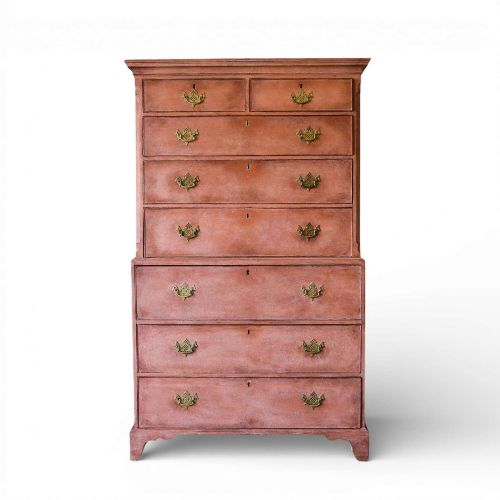
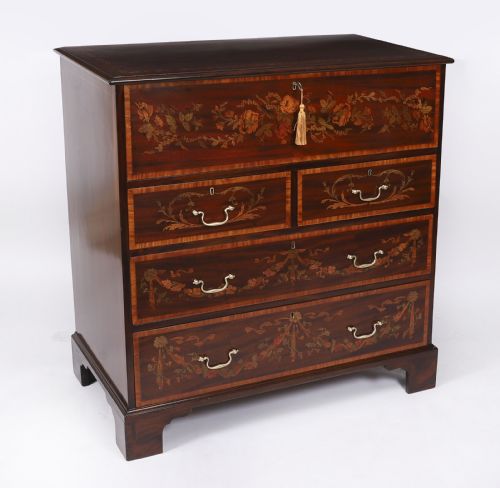


George I Secretaire Chest
A george i secretaire chest combines a drawer chest with a fitted writing compartment, offering understated 18th-century storage and a concealed desk space.
George I Secretaire Chest
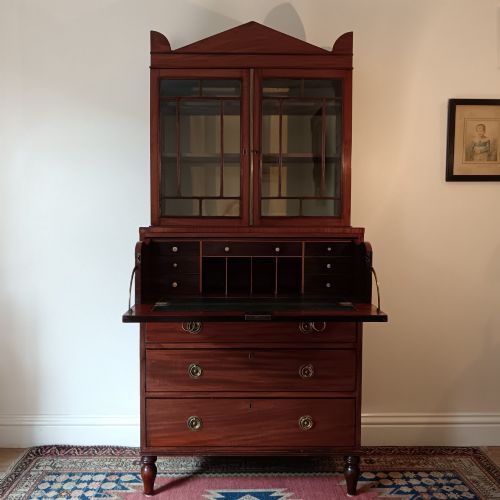
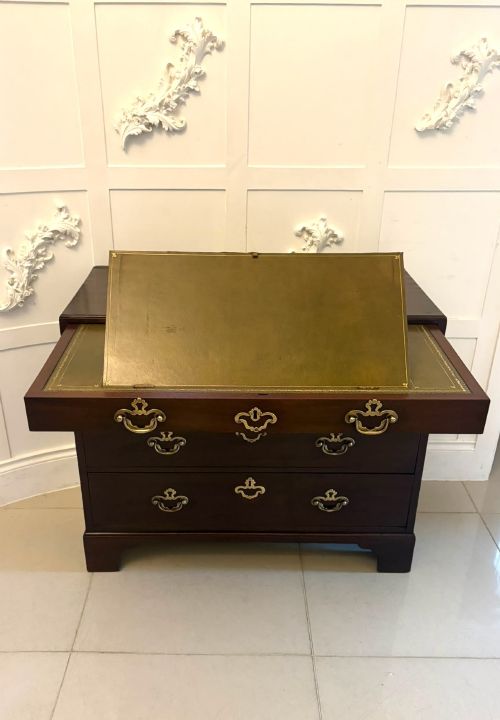
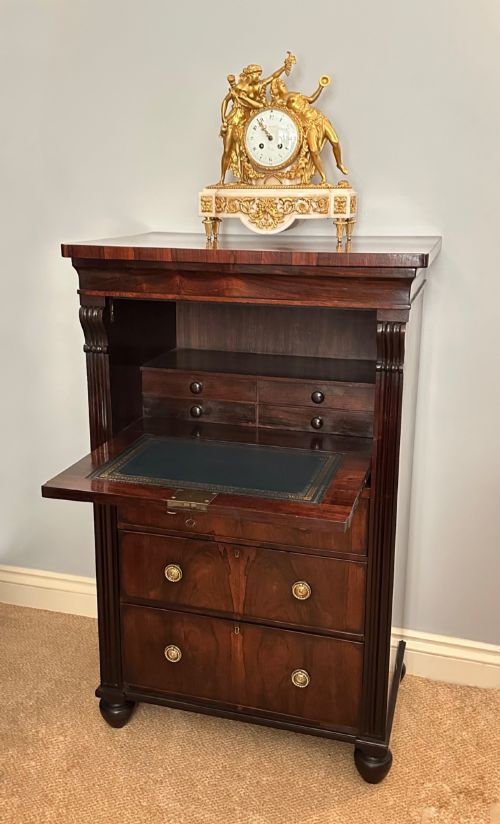
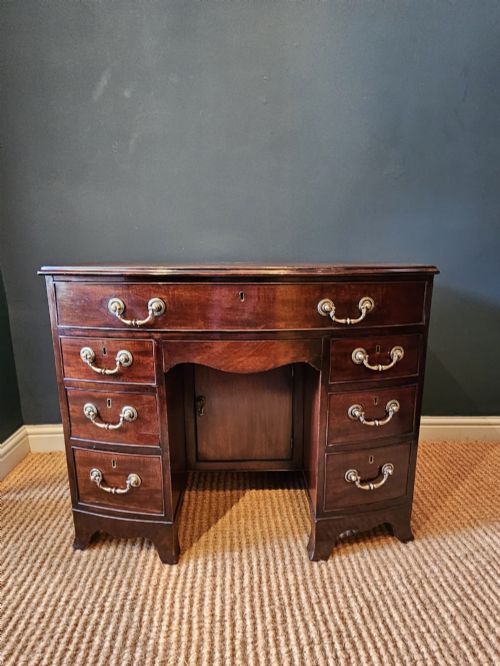
A george i secretaire chest is a dual-purpose antique piece uniting a standard chest of drawers with a drop-down writing surface concealed behind the top drawer fascia. These items date primarily to the 18th century and early Georgian periods, though later interpretations appear frequently.
Buyers encounter variations ranging from low chests to towering chest on chest examples and tallboys, alongside related bureau bookcases and writing cabinets. Walnut and mahogany predominate, often featuring burr veneers, oak carcases, and brass hardware.
The form developed to meet domestic writing needs without sacrificing floor space, maintaining the tidy silhouette of a standard bedroom or parlour chest. Interiors typically include pigeonholes, small drawers, and occasionally a central cupboard door.
How they were made
Cabinetmakers constructed these carcases using solid oak or pine for internal frames and drawer linings, applying fine veneers of walnut or mahogany to the exterior surfaces. Burr veneers were frequently selected for their intricate grain patterns, requiring skilled hand-sawing and careful gluing.
The writing drawer operates via complex internal runners and hinges, supporting the weight of the fall-front flap when open. Brass handles, escutcheons, and locks were hand-cast and fitted individually into mortised recesses.
Many secretaire drawers conceal tiny secret compartments behind dummy pigeonholes, designed for hiding family letters and coin collections.
What varies in quality
The choice of timber grain dictates the visual appeal, with figured burr walnut and flame mahogany commanding greater craftsmanship. Superior examples display seamless veneer matching across drawer fronts and harmonious proportions in smaller scales.
Internal complexity sets finer pieces apart, particularly the architectural detailing within the fitted writing drawer, such as secret compartments and inlaid cockbeading. The retention of original brass hardware and untouched patination further elevates a piece.
George Oakley·Gillows
The George I Secretaire Chest Glossary
- Tallboy
- A tall chest of drawers made in two stacked sections, often combining a chest on chest configuration. These pieces maximise vertical storage while maintaining a narrow footprint.
- Cockbeading
- A narrow moulded strip of wood projecting around the edges of drawer fronts. This decorative framing protects the drawer edges from chipping.
- Escutcheon
- A protective brass plate surrounding a keyhole. It prevents the surrounding wood from wearing away through repeated use of the key.
- Burr veneer
- Wood sliced from abnormal growths on trees, producing swirling, highly decorative grain patterns. It was prized by 18th-century cabinetmakers for principal display surfaces.
George I Secretaire Chest: Frequently Asked Questions
How do I use a secretaire daily?
Lower the front flap to reveal the writing surface and inner compartments. Ensure you lift the flap and lock the drawer securely when finished.
Keep the leather or wood writing surface free from excessive moisture and heavy objects to preserve the antique hinges.
Where should I place a secretaire chest?
Position the piece against an interior wall away from direct sunlight and heat sources to protect the wood veneers. Leave enough clearance in front for the drop-front flap to open fully.
Because these chests often feature finished backs or fine proportions, they work well in studies, living rooms, and bedrooms.
How do I tell early walnut from later mahogany?
Walnut pieces generally date from the early 18th century and exhibit warmer, lighter brown tones with prominent grain figures. Mahogany became dominant later in the century, showing a deeper reddish-brown hue.
Examine the secondary woods inside the drawers, as oak linings typically indicate earlier Georgian construction compared to later pine.
Are these chests suitable for modern storage?
The deep lower drawers offer practical space for linens, clothing, or paperwork, while the upper secretaire section organises smaller items. The internal pigeonholes remain useful for letters and modern stationery.
Avoid overloading the drop-front writing surface with heavy electronics, as it is designed for light correspondence.