


Geometric Turkmen Rug
A geometric turkmen rug brings the distinct tribal geometry and deep red dyes of Central Asia into a room.
Geometric Turkmen Rug
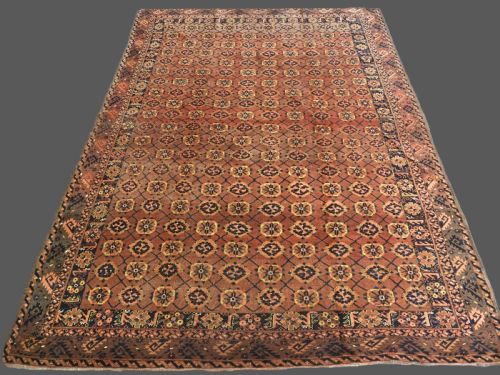
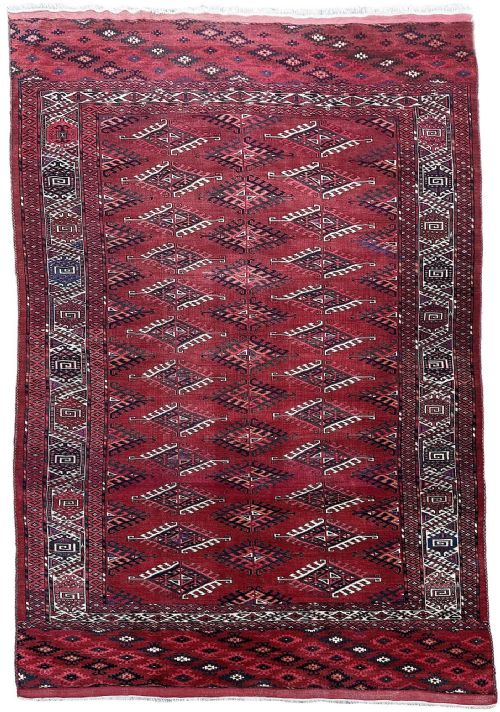
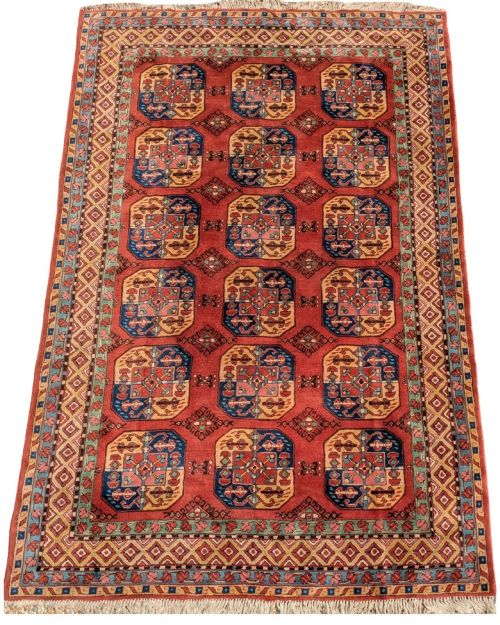
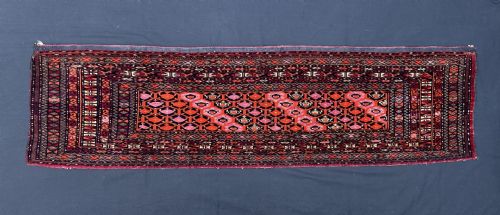
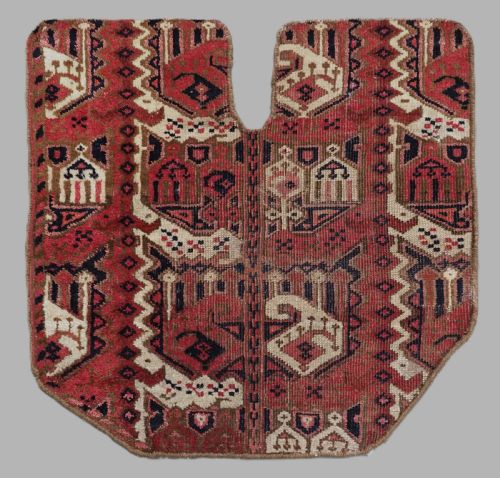
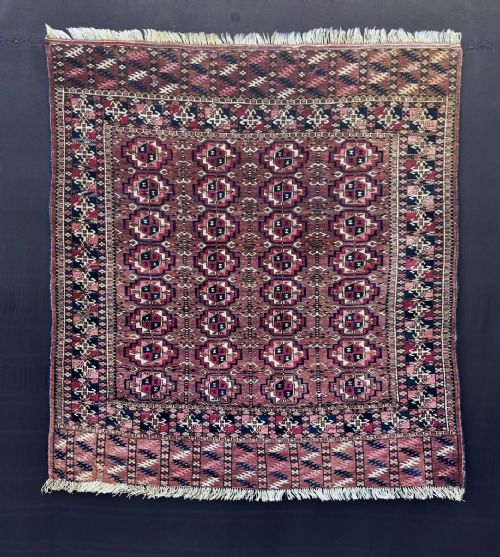
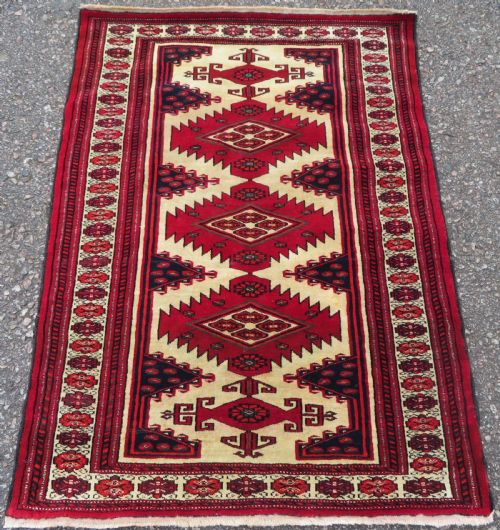
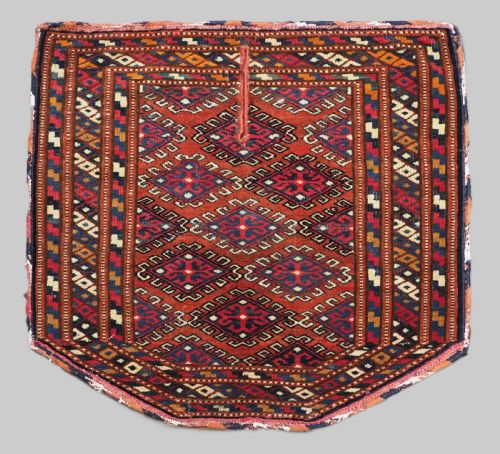
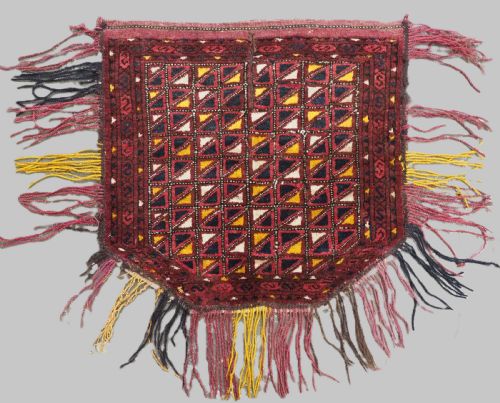
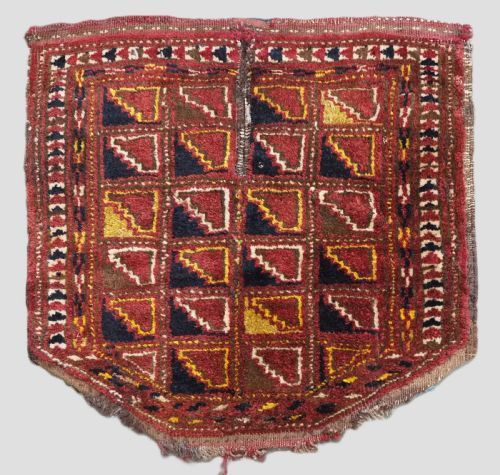
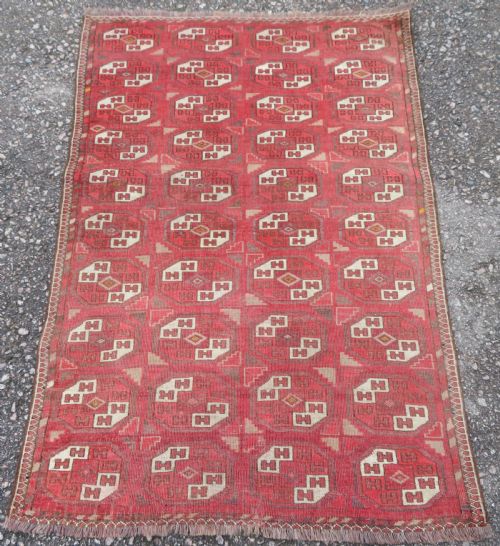
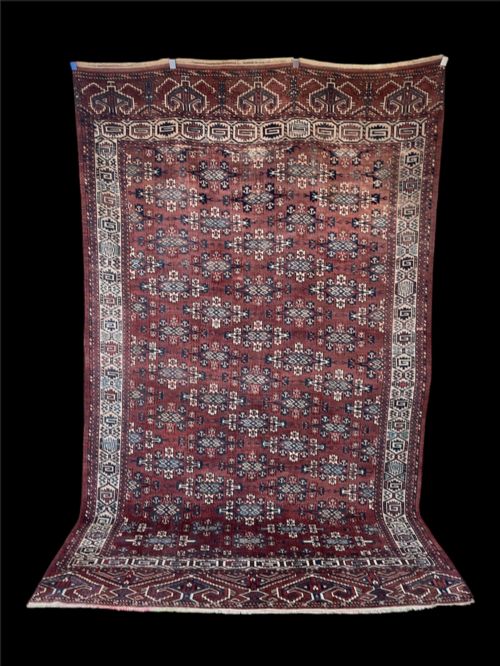
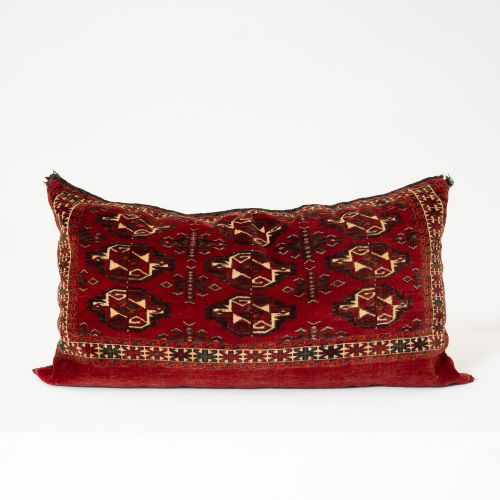
A geometric turkmen rug represents the weaving traditions of Central Asian tribes including the Yomut, Ersari, Tekke, and Sariq. These pieces range from large main carpets down to smaller utility items such as torbas, chuvals, and saddle covers made for nomadic or village life.
The surviving examples seen here span from the nineteenth century into the early twentieth century, reflecting the classic designs of the Trans-Caspian steppes and northern Afghanistan. Buyers encounter everything from floor carpets to tent door rugs and yurt bands.
Tribal weavers produced these items for domestic use, utilising repeat lattice patterns, gul motifs, and structured borders that identify their specific origin. Each textile holds a practical function tied to nomadic architecture and household organisation.
Materials and construction
Weavers relied on wool and hand-spun wool for the pile, paired with cotton foundations to create dense, hard-wearing structures capable of enduring daily use. The application of natural dyes yielded deep reds, browns, and ivory grounds that anchor the palette.
Specific items incorporate plain weave techniques alongside knotted pile, particularly on the backs of spindle bags and utility covers. Master weavers structured the repeat patterns and curled leaf designs with careful tension to maintain the geometric integrity of each gul.
Listings feature pieces utilising hand-spun wool and natural dyes from the nineteenth and early twentieth centuries.
The spectrum of quality
Quality in a geometric turkmen rug is evident in the crispness of the drawing and the saturation of the natural dyes. Tighter knotting and precise execution of secondary ornaments distinguish finer tribal works from standard utility pieces.
The retention of original elements such as flatweave ends, side corded selvages, and tassels influences the overall integrity of the textile. Pieces displaying exceptionally clear geometry and balanced proportions represent the upper echelon of these nomadic works.
Yomut Tribe·Ersari Tribe·Tekke Tribes·Sariq Tribe·Kizyl Ayak Tribe
The Geometric Turkmen Rug Glossary
- Gul
- The primary octagonal medallion motif repeated across the field of these carpets. Different tribes developed distinct gul designs to signal their specific lineage.
- Torba
- A small wall-hanging bag or storage sack produced by tribal groups. These items typically feature elaborate face designs and were used inside the yurt.
- Chuval
- A large tent bag utilised for household storage by nomadic families. They share the characteristic repeating motifs found on main carpets.
- Engsi
- A specialised rug hung over the interior doorway of a yurt. These feature a distinctive quartered field design separated by a candelabra motif.
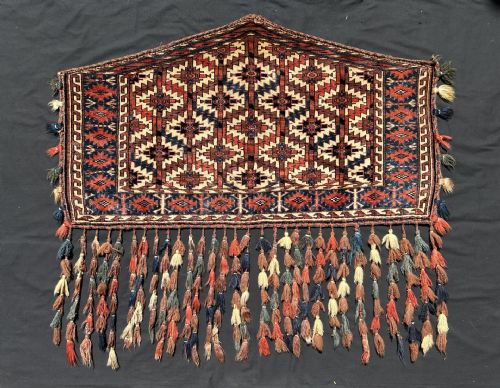
- Asmalyk
- A pentagonal trapping hung on the flanks of a camel during wedding processions. These decorative pieces display sophisticated tribal geometry and field patterns.
Geometric Turkmen Rug: Frequently Asked Questions
What is a geometric turkmen rug?
A geometric turkmen rug is a hand-knotted textile created by Central Asian nomadic and village tribes, characterised by repeating octagonal motifs and deep red wool.
These pieces served functional roles in nomadic shelters, ranging from floor coverings to storage bags and doorway hangings.
How were these rugs used originally?
Nomadic families utilised these textiles for domestic storage, floor insulation, and decorative horse trappings during ceremonies and daily life.
Specific formats like torbas and chuvals hung inside tents to organise household belongings, while main carpets covered the floor.
How do I care for an antique wool rug?
Protect the wool pile by vacuuming gently without a rotating beater bar and keeping the textile away from direct, prolonged sunlight.
Allow air circulation underneath the carpet and consult a specialist experienced in natural dyes and handmade tribal textiles for cleaning.
How can I tell different tribal designs apart?
Tribal attribution relies on the specific gul shapes, secondary border motifs, and the structural use of colour palettes like madder red and ivory.
For instance, Yomut pieces often feature distinct kepse guls, while Ersari examples display large turreted motifs and alternative field arrangements.