






Antique Camel Trapping
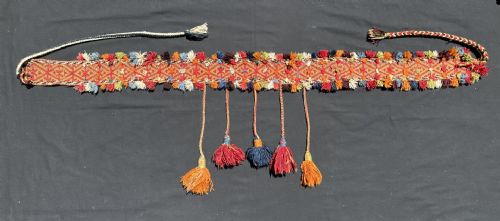
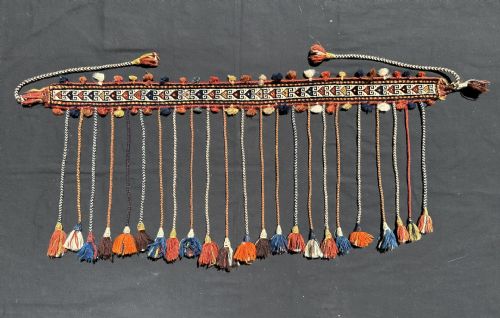
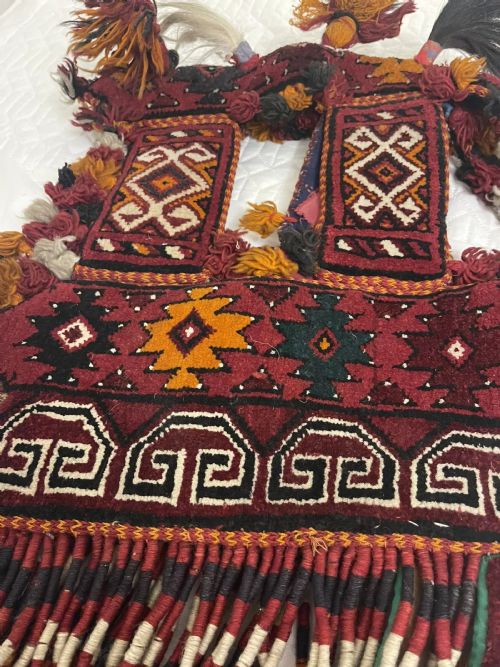
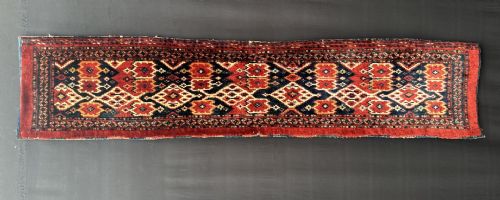
These antique camel trapping pieces are tribal weavings made by nomadic makers, offering rich wool textures and distinct regional motifs that collectors display as wall hangings.
Antique Camel Trapping
When you search for an antique camel trapping, you encounter nomadic textiles originating from Central Asia and Persia. These pieces include asmalyks, torbas, and dizlyks created by tribes such as the Yomut, Ersari, Saryk, and Qashqa'i.
The pieces on this page span the nineteenth century, including specific dates from eighteen fifty to nineteen hundred. They function today as tribal textiles and wall hangings rather than working animal equipment.
Nomadic groups utilised these woven items for ceremonial purposes, including wedding processions and animal decorations. They reflect the distinct visual traditions of the Trans-Caspian steppes, the Fars province, and the Amu Darya region.
Materials and construction
These textiles rely primarily on wool foundation and pile construction, integrated with natural dyes to create enduring colour palettes. Certain pieces incorporate silk highlights and embroidery to accent specific design elements.
Tribal weavers produced these items using knotting and weaving techniques passed down through generations. Cotton occasionally appears in the structure alongside the predominant wool materials.
Antique Camel Trapping Retail Price Guide 2026
Typical asking prices for camel trapping among the pieces listed under this phrase on Sellingantiques today, from the lower quarter to the upper quarter. They describe what is for sale here now, not the wider market.
Listings feature wool, cotton, silk, and natural dyes across nineteenth-century Turkmen, Qashqai, and Baluch tribal weavings.
Quality factors in tribal weavings
The density and crispness of the pile distinguish finer examples of an antique camel trapping. Well-executed pieces show precise control over traditional tribal guls and geometric motifs.
Preservation of natural dyes and the inclusion of silk highlights elevate specific items. Complete structural integrity and intact tassels or fringes also differentiate superior tribal textiles.
The Antique Camel Trapping Glossary
- Asmalyk
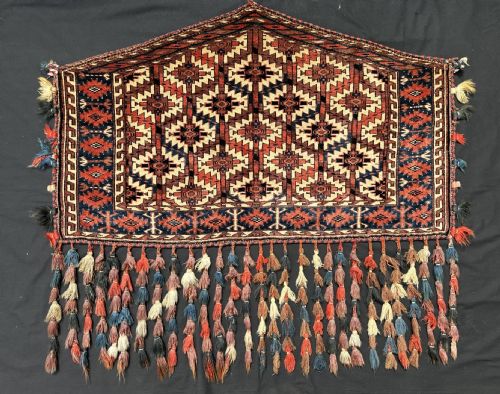
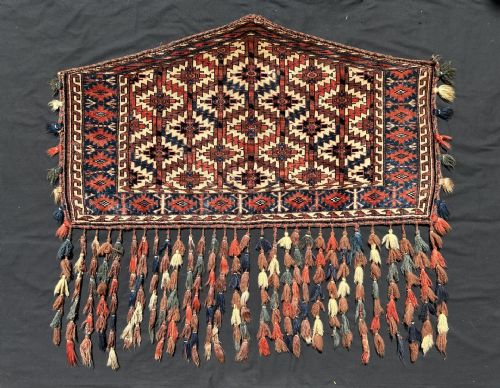
- A pentagonal trapping traditionally hung on the flanks of a bride's camel during Turkmen wedding processions.
- Torba
- A small storage bag woven by tribal groups, often featuring repetitive gul patterns across the face.
- Gul
- A medallion or repeating primary motif used in Central Asian carpet and trapping design.
- Dizlyk
- A knee trapping placed on the legs of a camel during ceremonial occasions.
- Natural Dyes
- Colourants derived from plants, insects, and minerals used before the widespread adoption of synthetic alternatives.
Antique Camel Trapping: Frequently Asked Questions
What is an asmalyk?
An asmalyk is a large pentagonal trapping created by Turkmen tribes, specifically the Yomut. These pieces adorned the flanks of camels during wedding ceremonies.
They are now typically mounted and displayed as wall hangings in textile collections.
How were these trappings used?
Nomadic groups used these woven items as ceremonial decorations for camels and horses during weddings and processions. They signified tribal identity and status.
Over time, collectors removed them from working use to preserve their textile artistry.
Where do these pieces originate?
The pieces originate primarily from Central Asia, including the Trans-Caspian steppes and the Amu Darya region. Others come from the Fars province in south-west Persia and the borderlands of Afghanistan.
Different tribes, such as the Yomut, Ersari, Saryk, and Qashqa'i, produced distinct regional styles.
How do you date a trapping?
Dating relies on stylistic analysis, material assessment, and structural characteristics typical of nineteenth-century production. Many pieces date specifically from the mid to late nineteenth century up to nineteen hundred.
Tribal attributions help place the items within specific historical periods.