



Geometric Tribal Rug Panel
These geometric tribal rug panel pieces bring bold patterns and authentic village textiles directly into your interior.
Geometric Tribal Rug Panel
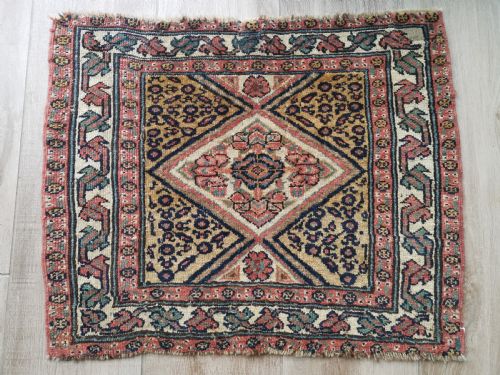
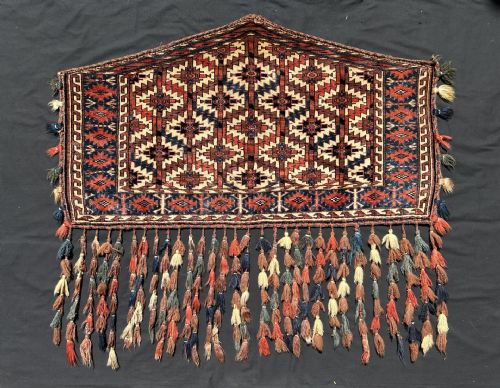
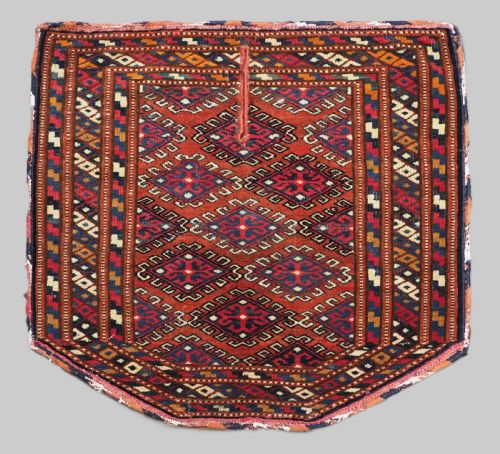
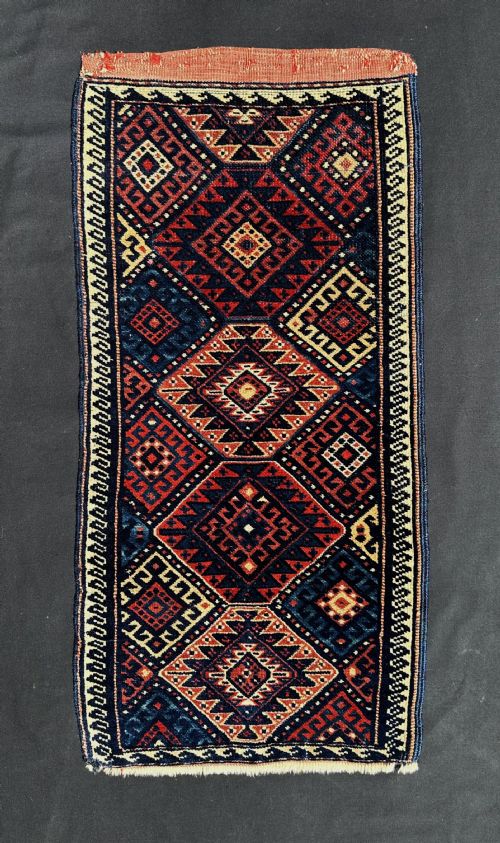
A geometric tribal rug panel represents fragments, bag faces, and woven sections originating from nomadic and village workshops across Persia, the Caucasus, and Central Asia. These items include bagfaces, torbas, chuvals, and saddle covers produced by various tribes.
The pieces on this page span the nineteenth and early twentieth centuries, capturing the distinct aesthetic output of weavers working within specific regional traditions. Examples range from Shahsavan and Yomut Turkmen weavings to Qashqai and Baluch nomadic creations.
Many of these surviving sections were originally utilitarian objects, such as storage bags, tent bands, or animal trappings, which have since been preserved as decorative textile panels. They offer a direct link to the domestic textile arts of nomadic communities.
What varies in quality
Quality rests in the precision of the tribal motifs and the depth of the natural dye palette, which determines the visual impact of the panel. Superior pieces exhibit high wool quality and tight, even knotting or wrapping.
The crispness of the graphic design and the integrity of the surviving structure separate standard utility pieces from exceptional examples. Retention of original borders and complete panels adds distinct character.
The inventory includes Shahsavan, Yomut Turkmen, Qashqai, and Baluch tribal textile panels.
The Geometric Tribal Rug Panel Glossary
- Torba
- A small tent storage bag made by Turkmen and other nomadic groups, typically wider than it is tall. These were used inside the yurt for household possessions.
- Chuval
- A large Turkmen storage bag face, traditionally used for bedding and household goods. They often feature prominent gul motifs arranged in rows.
- Soumak
- A flatweave technique where pattern threads are wrapped over the warp yarns in a sequence that creates a textured, durable surface. This method produces sharp diagonal lines and intricate geometric patterns.
- Asmalyk
- A large, five-sided camel trapping produced by the Yomut Turkmen for wedding processions. They were hung at the flanks of the bridal animal.
- Kilim
- A tapestry-woven flat textile made without a pile, resulting in a smooth surface on both sides. These were utilised for rugs, covers, and structural panels.
Geometric Tribal Rug Panel: Frequently Asked Questions
What is a tribal rug panel?
A tribal rug panel is a surviving fragment or complete face of a nomadic bag, storage sack, or trapping. These items were woven by tribal groups using traditional wool and natural dye materials.
Over time, many functional bags were divided or preserved as flat decorative panels to display the intricate geometric weaving traditions of regions like Persia, the Caucasus, and Central Asia.
How were these panels used originally?
Nomadic communities utilised these woven pieces as practical storage containers within tents and portable homes. Items like torbas and chuvals held bedding, clothing, and household goods.
Other pieces served as animal trappings for horses and camels during migrations or ceremonial occasions, combining everyday utility with tribal identity.
How do I hang a textile panel?
Textile panels can be displayed on walls using conservation-grade mounting methods such as Velcro attachment to a fabric-wrapped wooden batten. This distributes the weight evenly across the wool structure.
Avoid direct piercing with nails or pins, which damages the natural fibres and weakens the hand-spun wool foundation over time.
How do I tell different tribal designs apart?
Distinguishing tribal origins involves examining the specific motifs, structural techniques, and colour combinations unique to each weaving group. For instance, Shahsavan pieces frequently feature soumak work and geometric latch-hook patterns.
Turkmen groups often employ repeated gul medallions in madder red tones, while Baluch and Qashqai textiles display distinct regional palettes and animal forms.