



Geometric Persian Rug Panel
A geometric persian rug panel brings structured tribal artistry into a room, offering rich regional motifs woven by nomadic weavers.
Geometric Persian Rug Panel
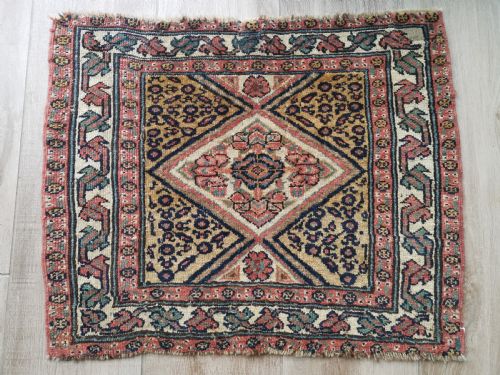
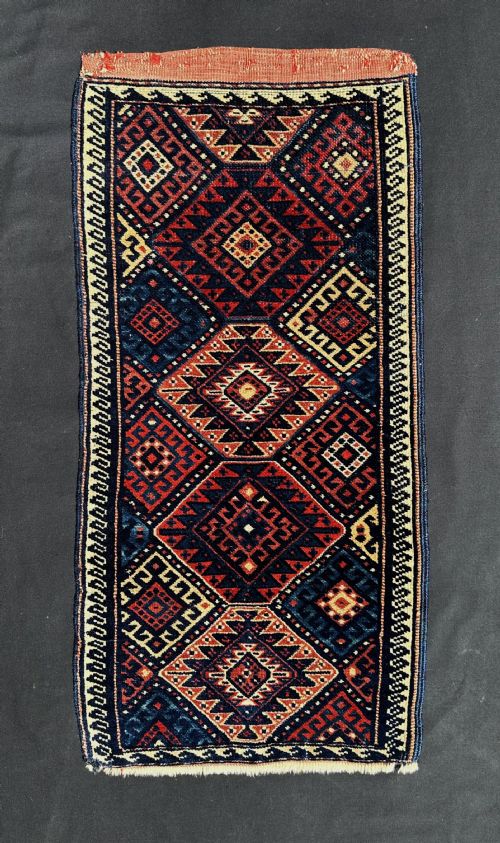
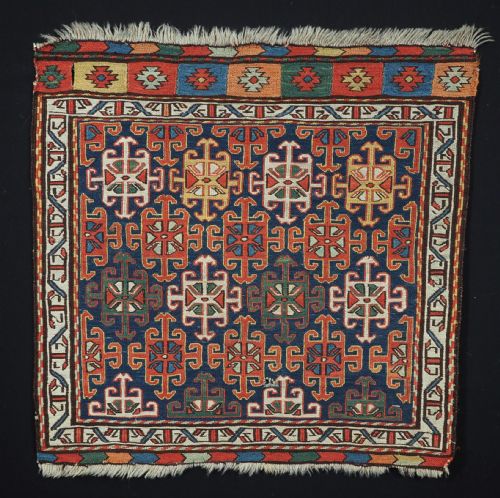
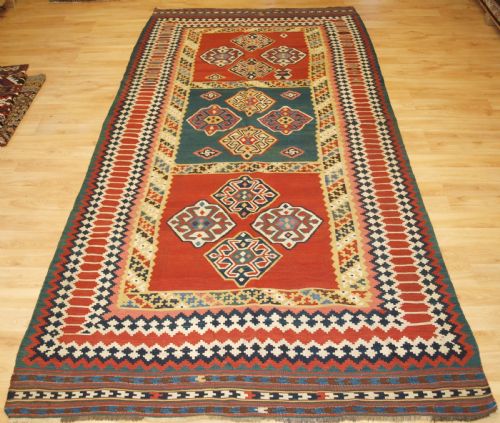
The inventory showcases functional textile components repurposed over time, ranging from northwestern bagfaces to southern tribal kilims and Gabbeh rugs. These items present distinct medallion layouts, compartment designs, and rectilinear field patterns typical of nomadic textile traditions.
Materials and Construction
These textiles rely on hand-spun wool foundations paired with cotton elements, utilising traditional upright looms set up in nomadic camps or village workshops. Weavers employed natural dyes to colour the wool, producing deep, enduring hues across various regional palettes.
Specific structures involve flatweave kilim construction and soumak technique, where supplementary weft-wrapping creates textured geometric patterns across bag faces and panels.
Some saddlebags survived simply because a camel found them too comfortable to ruin.
Assessing Quality and Character
Quality rests in the precision of the tribal motifs, the crispness of the rectilinear layouts, and the vitality of the natural dyes used in the wool. Stronger examples display tighter knotting or more complex soumak work alongside well-preserved structural integrity.
The depth of colour variation and the complexity of the tribal iconography distinguish finer panels, reflecting the skill and cultural heritage of the individual weavers.
The Geometric Persian Rug Panel Glossary
- Bagface
- The front section of a nomadic storage bag, often preserved as a decorative panel after the back wore away. It typically displays the most concentrated regional iconography.
- Soumak
- A flatweave technique involving supplementary weft wrapping that creates a durable, textured surface resembling embroidery. This method allows for sharp diagonal lines and intricate geometric patterns.
- Kilim
- A tapestry-woven carpet or flat textile produced without a pile. These pieces gain structure solely from the interlacing of warp and weft threads.
- Natural Dyes
- Colourants derived from plant, insect, and mineral sources before the widespread adoption of synthetic alternatives. They yield rich tones that develop a soft patina over decades.
Geometric Persian Rug Panel: Frequently Asked Questions
What is a rug panel?
A rug panel is typically a surviving fragment or the decorative face of a larger nomadic storage piece, such as a saddlebag or pillow bag. These sections were separated from their utilitarian backs over time while retaining their original woven artistry.
Collectors prize them as manageable examples of traditional village and tribal weaving that display concentrated regional designs.
How were these panels used?
Nomadic tribes utilised these woven items primarily for storage, transporting belongings on animals or organising possessions within tents. Saddlebags and grain bags served daily practical functions before individual sections became decorative fragments.
Today, buyers mount these panels on walls or display them as small accent rugs to bring tactile warmth and history into interior spaces.
Which tribes made these pieces?
Nineteenth-century nomadic confederations and regional groups produced these textiles across various Persian provinces. Prominent makers include the Shahsavan, Qashqa'i, Baluch, and Kurdish tribes.
Each group utilised distinct colour combinations, wool qualities, and structural techniques that identify their geographical origin.
How do I care for a textile panel?
Protect antique wool textiles by keeping them out of direct sunlight to prevent natural dye fading. Gentle vacuuming through a mesh screen helps remove dust without stressing the old foundation.
Professional specialist cleaning is recommended when required, avoiding standard household detergents or excessive water.