
Nomadic Wool Wall Hanging
When choosing a nomadic wool wall hanging, you select tribal weavings and embroidered textiles from Persia, Afghanistan, and Central Asia.
Nomadic Wool Wall Hanging
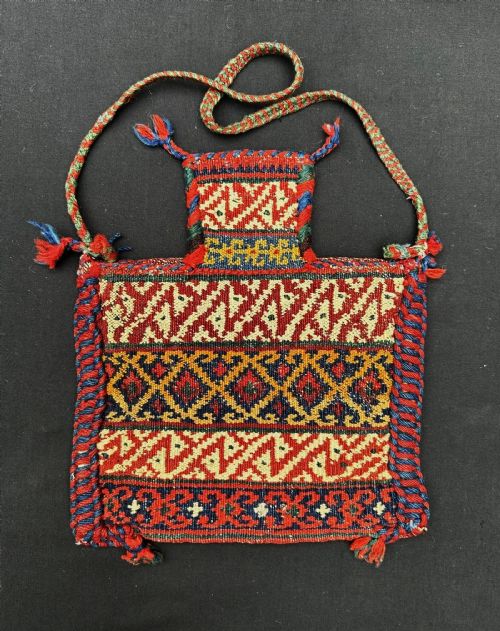
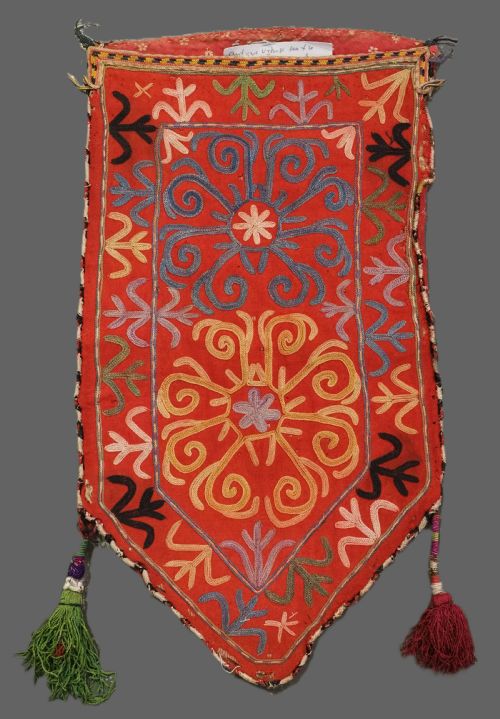
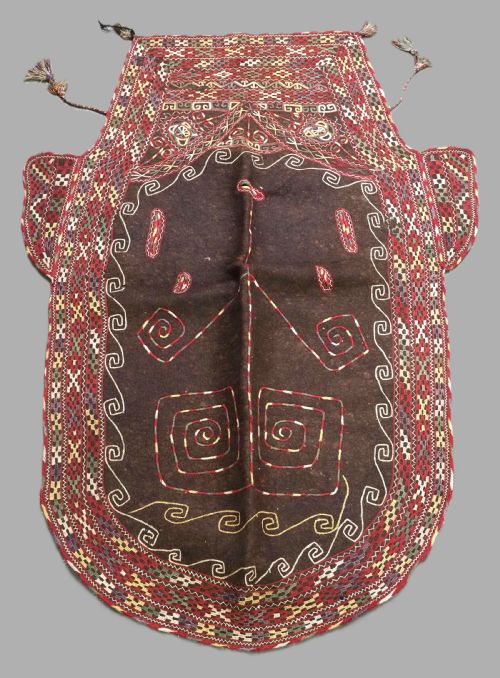
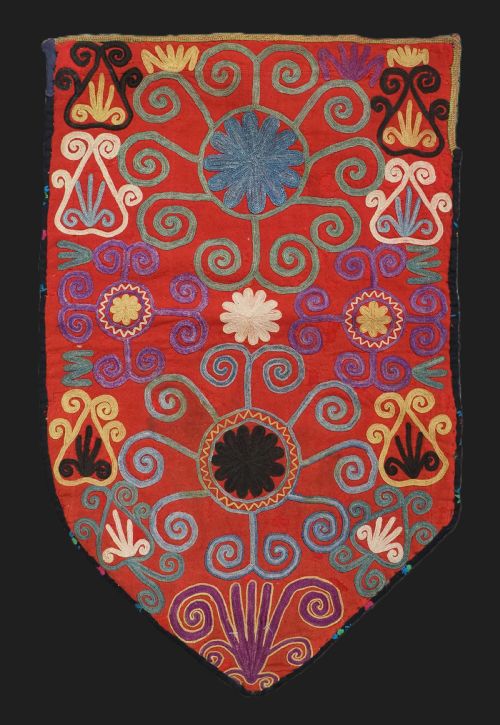
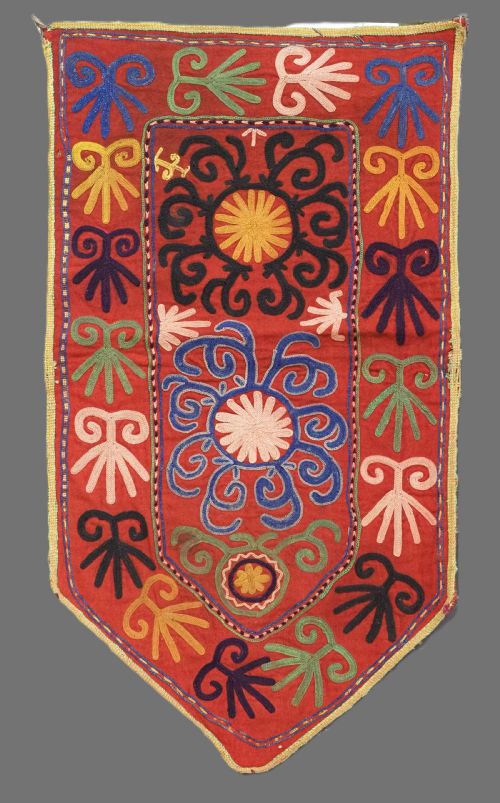
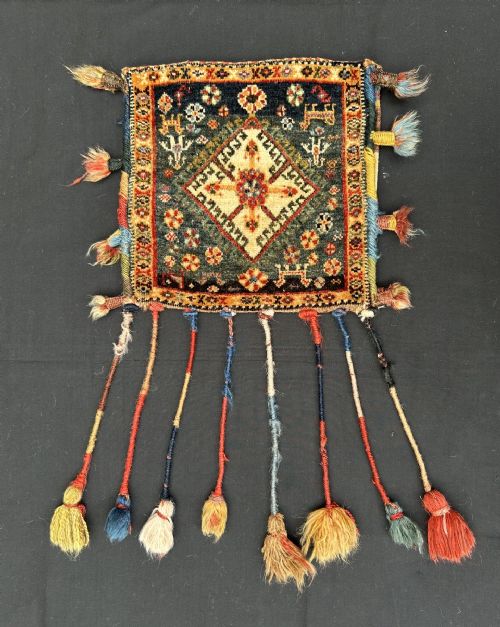
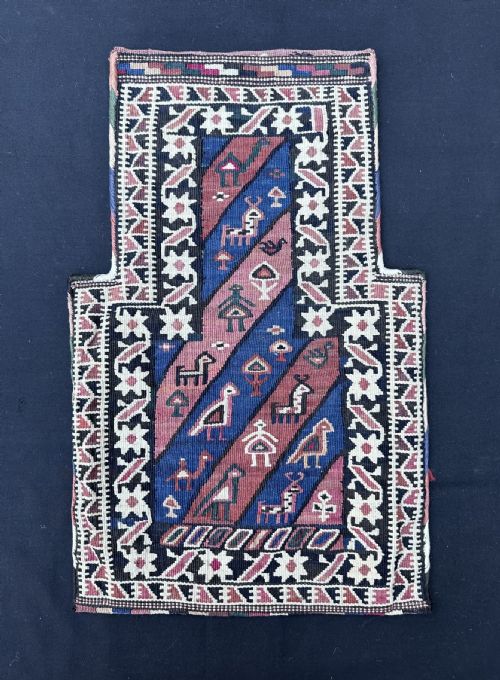
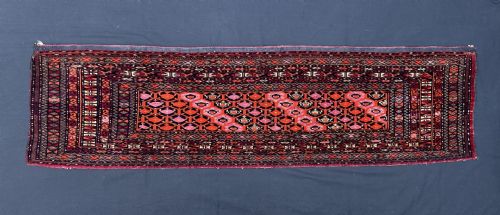
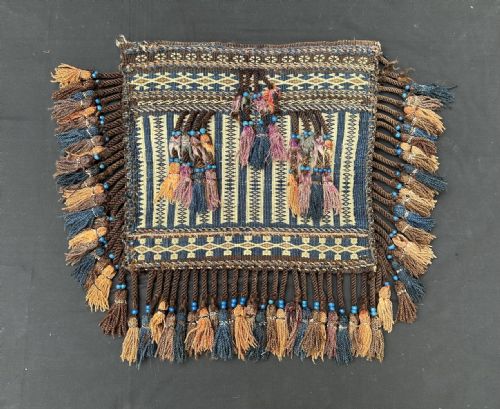
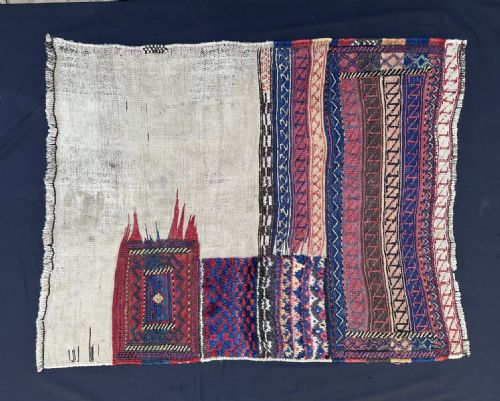
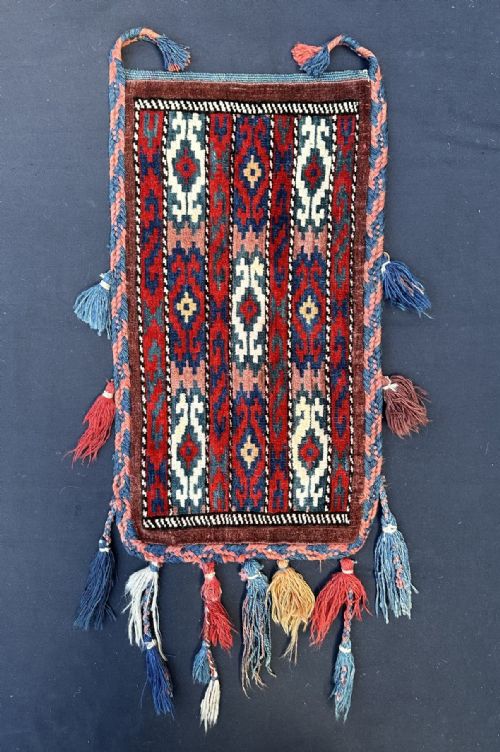
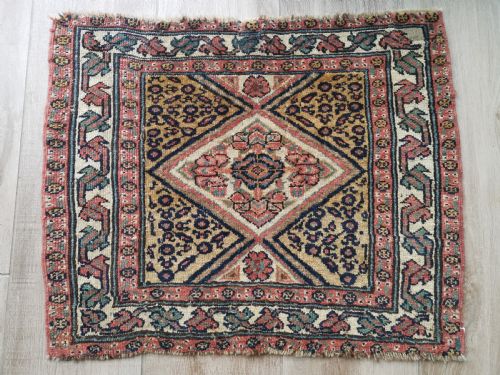
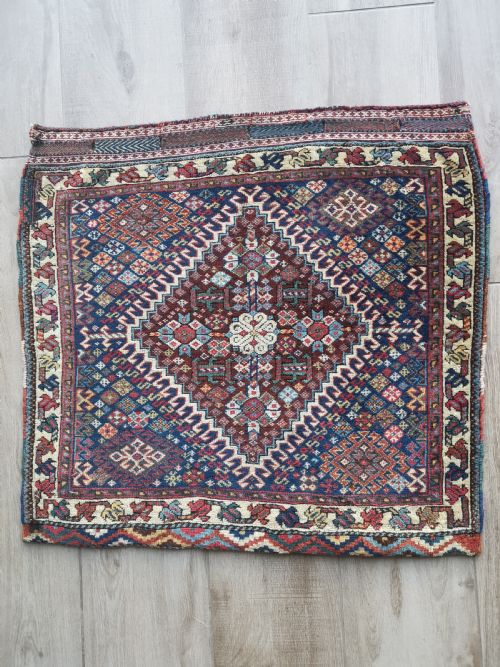
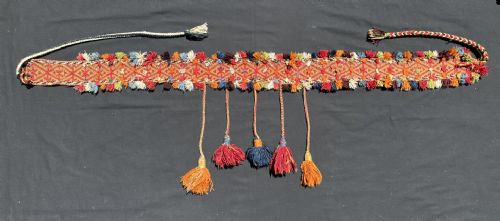
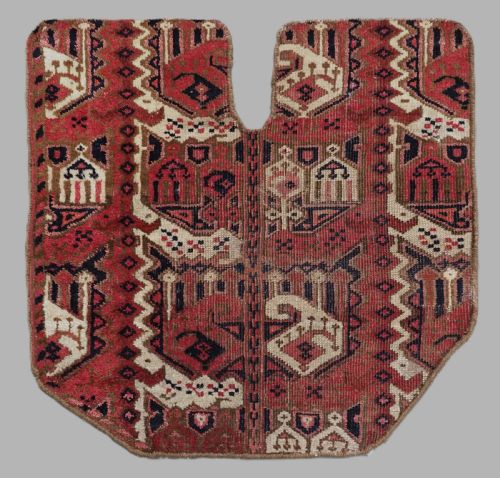
A nomadic wool wall hanging typically originates from tribal and pastoral groups such as the Qashqai, Yomut Turkmen, and Uzbek Lakai. These items frequently begin their functional lives as utilitarian objects, including storage bags, animal trappings, horse blankets, and dowry embroideries.
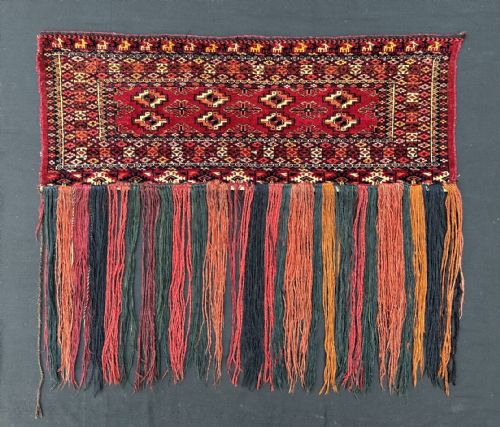
The versions most commonly met on this page span the mid-nineteenth century to the early twentieth century. They encompass regional forms like the asmalyk, uut kap ilgich, and torba, created by weavers living across Persia, Turkmenistan, and Central Asia.
Textiles designed for domestic or ceremonial utility transition smoothly into decorative display. Their geometric motifs, tribal emblems, and textile art structures suit modern wall placement while retaining their original cultural context.
Materials and Techniques
Makers utilised hand-spun wool, felted wool, and cotton thread, frequently combining woven structures with dense embroidery. Natural dyes provide the underlying palette, imparting subtle variations in tone across the surface of each textile.
Nomadic weaving methods involve warp-faced or symmetric knotting on portable looms, alongside specialised needlework techniques seen in Lakai dowry pieces. Felt preparation involves dampening, rolling, and compressing wool fibres to produce durable ground covers and ceremonial horse blankets.
Nomadic weavers often included personal amulets and talismanic motifs within their utility bags to ward off misfortune during transit.
Factors of Quality
Quality rests upon the fineness of the weave, the clarity of the tribal iconography, and the integrity of the natural dyes. Tightly packed structures and precise geometric execution distinguish superior examples from simpler utilitarian pieces.
The preservation of original elements, such as borders, tassels, and complete field designs, elevates a textile. Rich chromatic depth achieved through traditional dyeing methods marks the upper tier of these works.
The Nomadic Wool Wall Hanging Glossary
- Asmalyk
- A ceremonial camel trapping produced by Yomut Turkmen tribes, shaped as a pentagon and displayed during wedding processions.
- Uut kap ilgich
- An embroidered storage bag face made by Uzbek Lakai tribes in Central Asia, traditionally utilised inside a yurt.
- Torba
- A small storage bag produced across Turkmen groups, featuring horizontal format designs suited for tent hanging.
- Sofreh
- A flatwoven spread or cloth used for sharing meals or kneading bread within nomadic households.
- Chanteh
- A small personal bag or container woven by Kurdish and Persian nomadic tribes for carrying small items.
Nomadic Wool Wall Hanging: Frequently Asked Questions
How were these bags used originally?
Nomadic groups utilised these woven and embroidered pieces for storing household goods, transporting items on animals, and decorating living spaces.
Many items served specific ceremonial roles during weddings or migrations, reflecting the traditions of the particular tribe that produced them.
How do I care for a wool wall hanging?
Hanging these textiles requires distributing the weight evenly across a suitable support to prevent distortion of the wool and cotton foundation.
Keep the textile away from direct sunlight to protect the natural dyes, and inspect it periodically for dust accumulation.
How can I tell different tribal styles apart?
Tribal styles are distinguished by their specific structural patterns, border designs, and colour palettes associated with particular geographic regions and confederacies.
For instance, Turkmen pieces frequently display gul motifs, while Qashqai and Afshar textiles utilise distinct geometric and animal forms.