


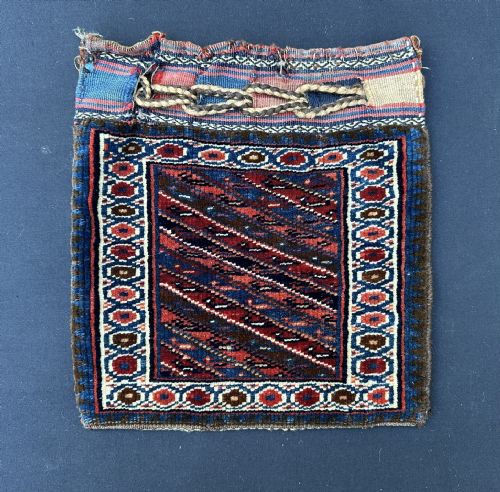
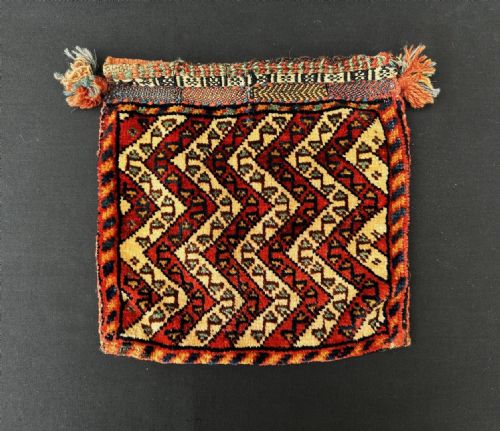
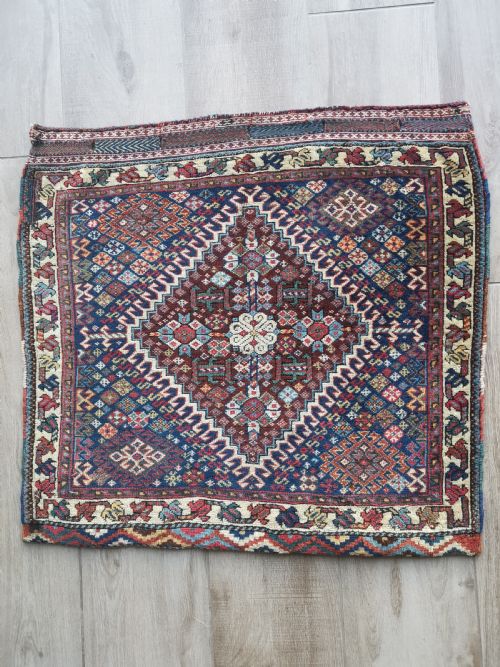
Nomadic Textile Bag
When you search for a nomadic textile bag, you enter the rich world of tribal weaving from Persia, Central Asia, and the Caucasus.
Nomadic Textile Bag
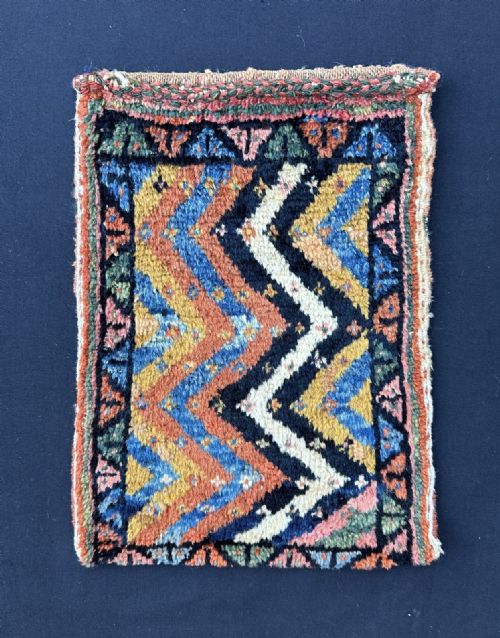
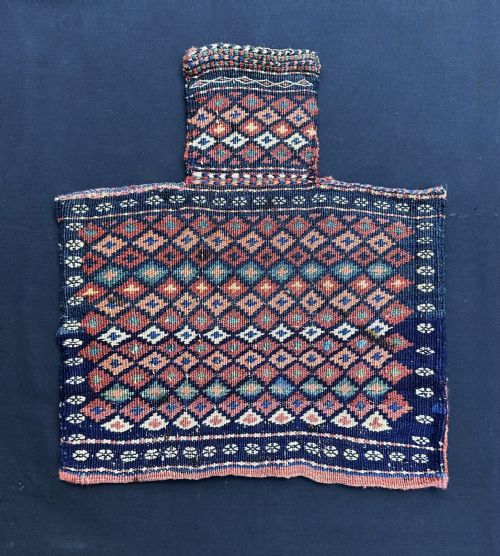
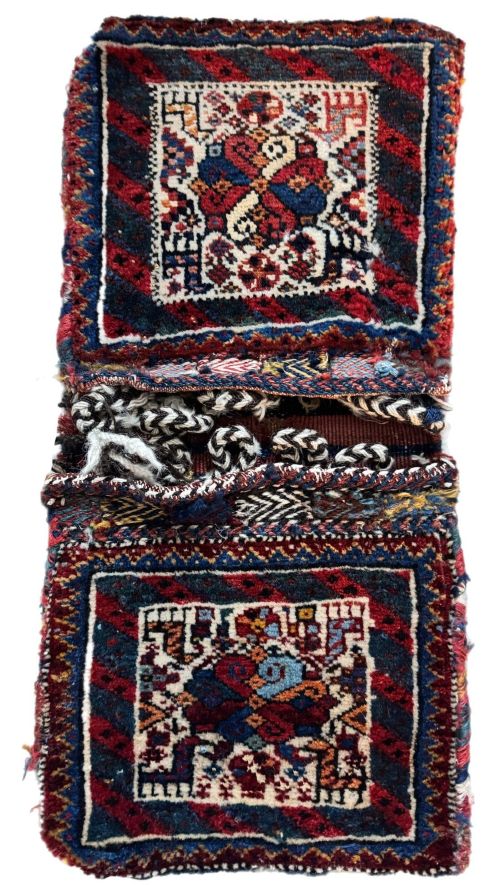
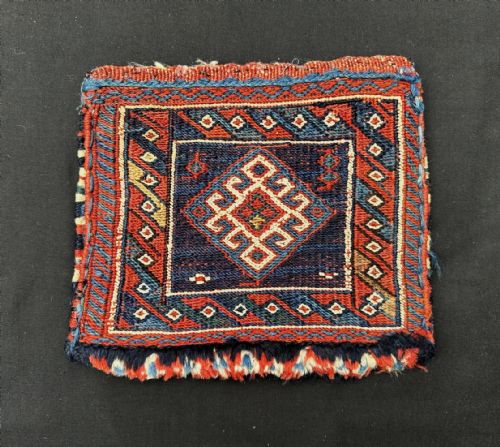
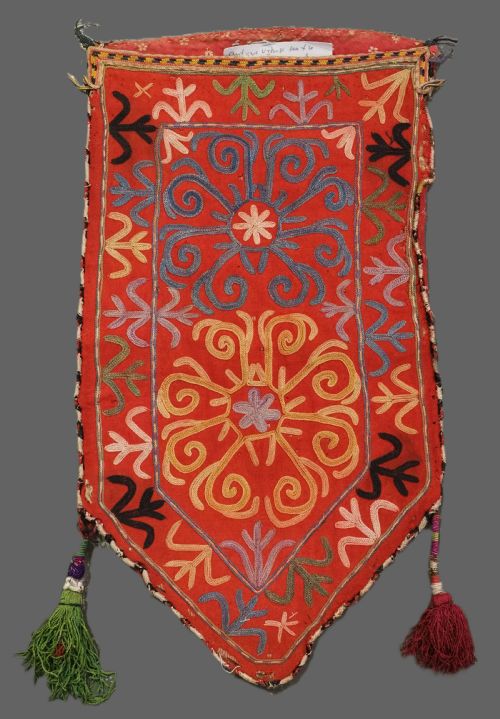
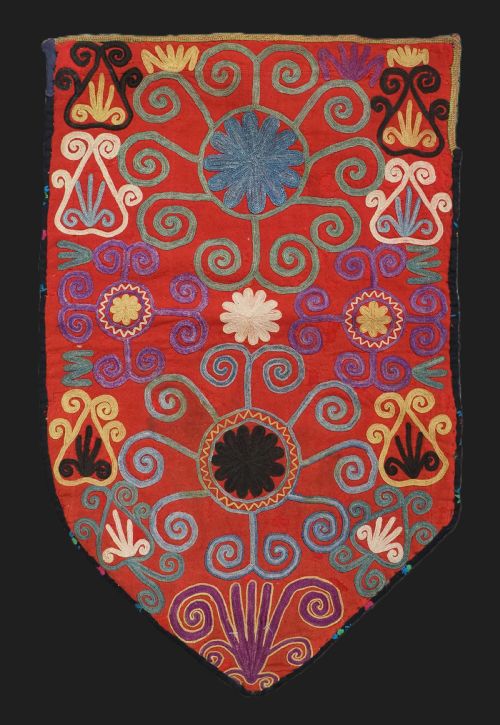
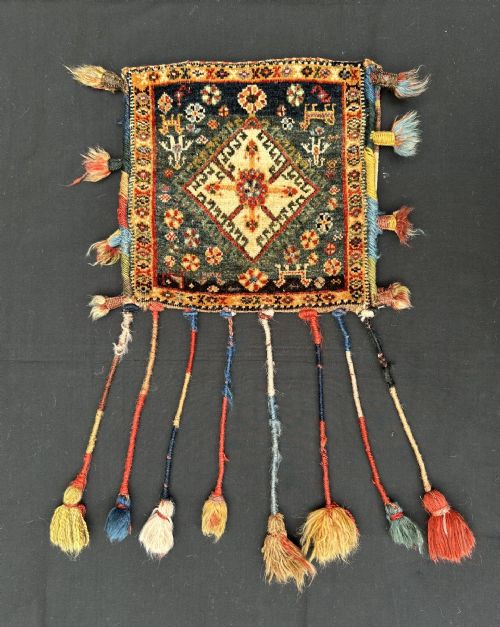
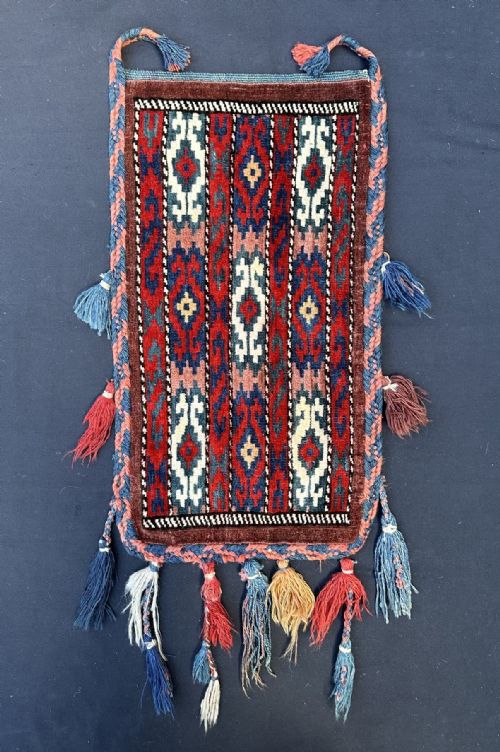
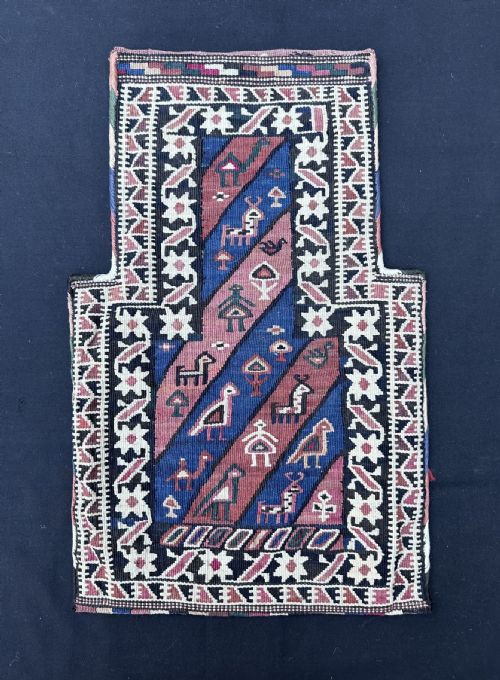
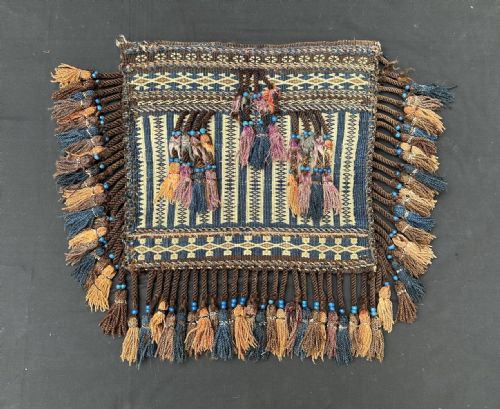
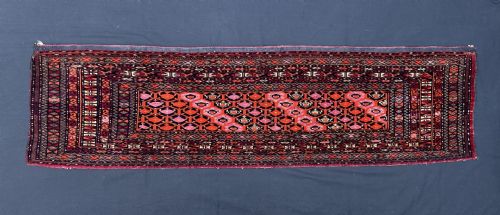
A nomadic textile bag encompasses utilitarian pouches, grain sacks, storage containers, and personal vanity cases woven by tribal groups across Persia and Central Asia. Collectors frequently encounter smaller items like chantehs, salt-bags, and spindle-bags alongside larger tent storage pieces such as chuvals and torbas.
These items originate from specific tribal confederacies and nomadic groups, including the Qashqai, Shahsevan, Afshar, Baluch, and various Turkmen tribes like the Tekke, Yomut, and Saryk. Each regional group utilised distinct structural formats and decorative motifs tied to their daily camp life and dowry traditions.
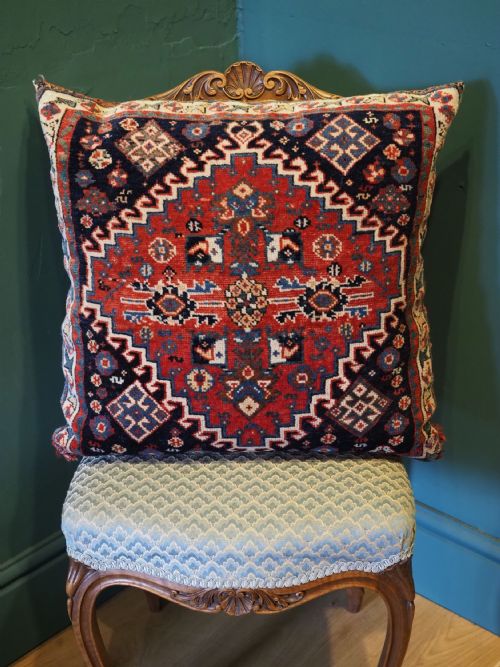
The pieces available date primarily from the late nineteenth century into the early twentieth century, reflecting the traditional weaving practices of pastoral nomads. Surviving examples range from complete bags retaining their flatweave backs to single bag-faces preserved as wall hangings.
Materials and Construction
The foundation of a nomadic textile bag relies on hand-spun wool for durability, often supplemented by cotton for structural warps and welts. Weavers also incorporated natural dyes derived from plants and insects to achieve rich, saturated tones of madder red, indigo blue, and yellow.
Techniques varied by function and tribal origin, combining pile knotting for the display faces with flatwoven plain-weave or soumak techniques for the backs and sides. Artisans occasionally embellished these surfaces with supplementary details including silk highlights, glass beads, and cowrie shells.
Nomadic Textile Bag Retail Price Guide 2026
Typical asking prices for nomadic textile bag among the pieces listed under this phrase on Sellingantiques today, from the lower quarter to the upper quarter. They describe what is for sale here now, not the wider market.
Materials documented across the inventory include hand-spun wool, cotton foundations, natural dyes, silk highlights, glass beads, and cowrie shells.
Assessing Quality and Merit
Quality in these textiles depends heavily on the density and precision of the weave, particularly in pile-woven bag-faces where knot counts dictate the clarity of the design. Finer examples display crisp geometry and disciplined drawing within traditional tribal guls and field patterns.
The integrity and vibrancy of the palette separate standard utility pieces from exceptional works. Artisans who successfully mastered natural dyeing achieved depth and harmonious secondary shades that retain their visual power over generations of wear.
The Nomadic Textile Bag Glossary
- Chanteh
- A small traditional Persian tribal bag or vanity pouch used by nomads for carrying personal items. These pieces frequently feature intricate geometric pile work on the face.
- Torba
- A small horizontal storage bag produced by Turkmen tribes, traditionally hung inside the yurt. They often display primary guls and detailed border arrangements.
- Chuval
- A large Turkmen tent-storage bag used for bedding and household goods. Surviving examples are often collected as individual decorative face panels.
- Gul
- A repeated primary medallion or floral motif used in Central Asian and Turkmen rug and bag design. Each tribal group utilised distinct variations to signal identity.
- Soumak
- A flatweave technique involving wrapped supplementary weft threads that create a textured, braided surface on the reverse. It provides structural strength to storage pouches.
Nomadic Textile Bag: Frequently Asked Questions
What were nomadic bags used for?
Nomadic tribes utilised these bags for practical storage inside tents, transporting belongings during seasonal migrations, and holding personal items like salt, spindles, or vanity gear.
Many of these textiles also formed part of a bride's dowry, representing the weaving skill and artistic heritage of the maker.
How do I identify tribal origins?
Tribal origin is identified through a combination of structural palette, wool quality, specific border designs, and characteristic primary motifs such as Turkmen guls or Qashqai field patterns.
Geographic markers like the Fars province or the Merv Oasis further pinpoint where the nomadic group camped and wove.
Can I hang these bags on walls?
Many collectors display bag-faces and smaller storage pouches as textile art by mounting them securely on fabric backings or tension rods.
Because these pieces were originally designed for vertical tent storage or pack use, they adapt well to modern wall display.
How should I clean my textile bag?
Routine maintenance requires gentle vacuuming with low suction across a mesh screen to remove surface dust without catching loose pile or threads.
Professional textile conservationists should handle any wet cleaning to prevent dye bleed or structural distortion in natural wool fibres.