



Red Wool Tribal Cushion
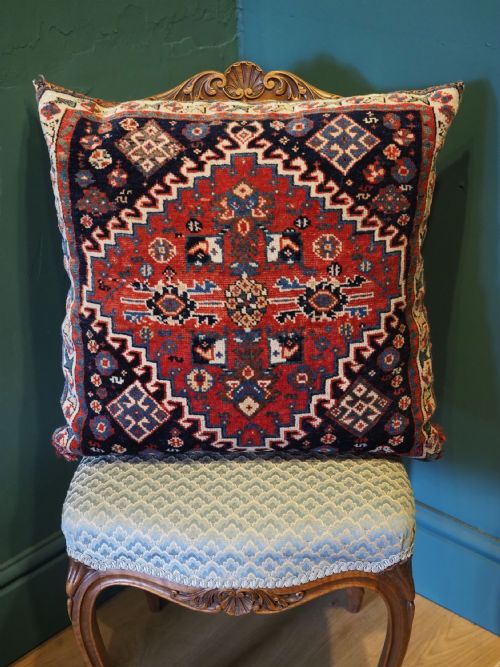
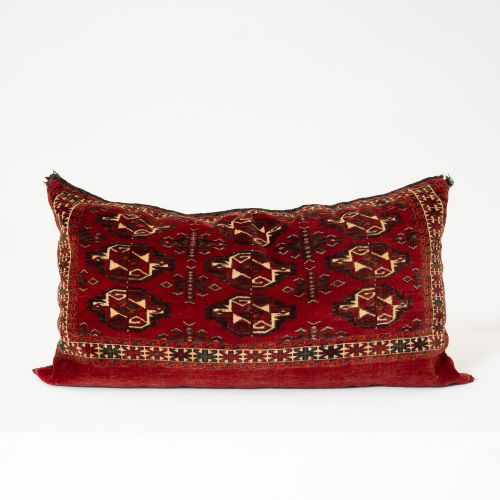
A red wool tribal cushion brings ancient nomadic textile art into a modern room through repurposed saddlebags and grain sacks.
Red Wool Tribal Cushion
A red wool tribal cushion originates from repurposed nomadic utility bags, such as storage sacks, grain bags, and saddlebags, which are transformed into decorative cushions. These textiles hail from Persian, Turkmen, and Anatolian tribal groups active during the nineteenth and early twentieth centuries.
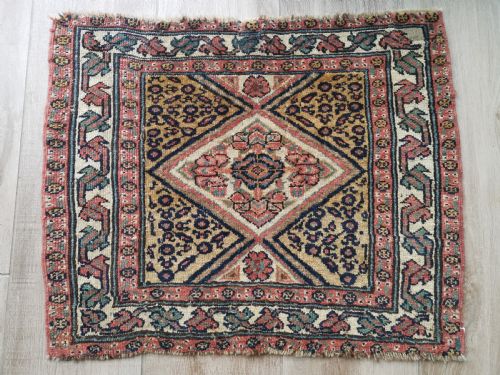
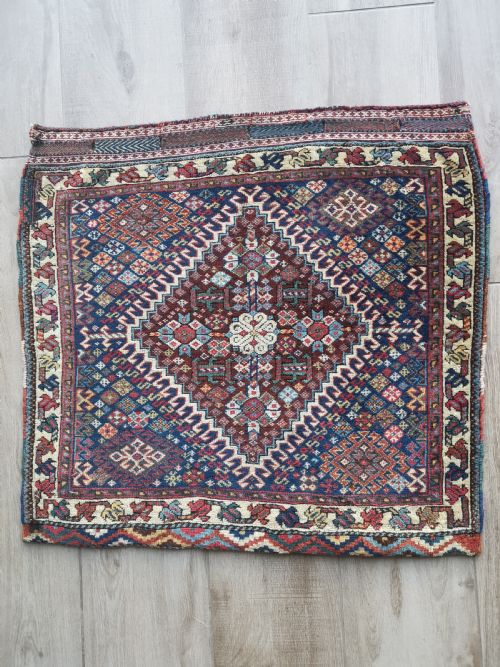
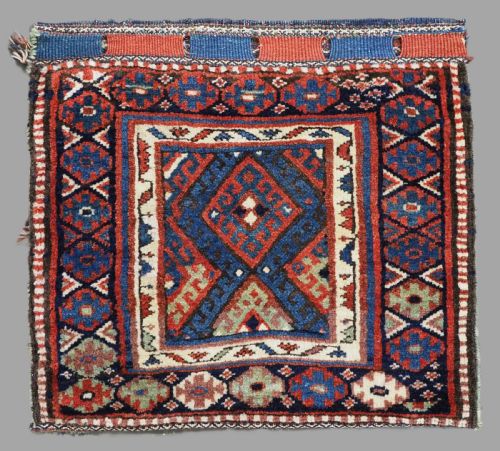
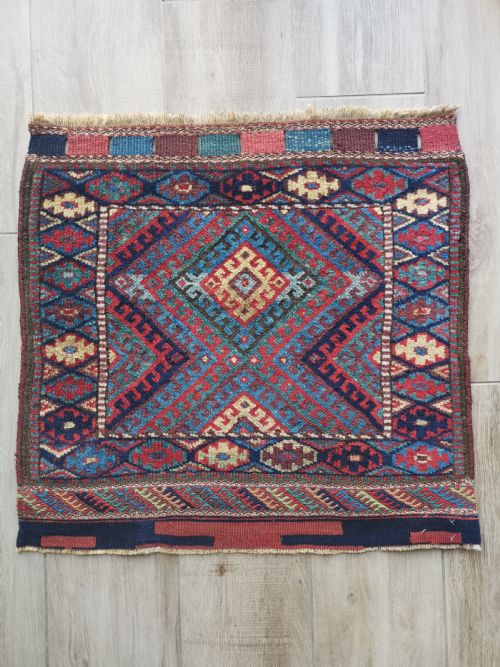
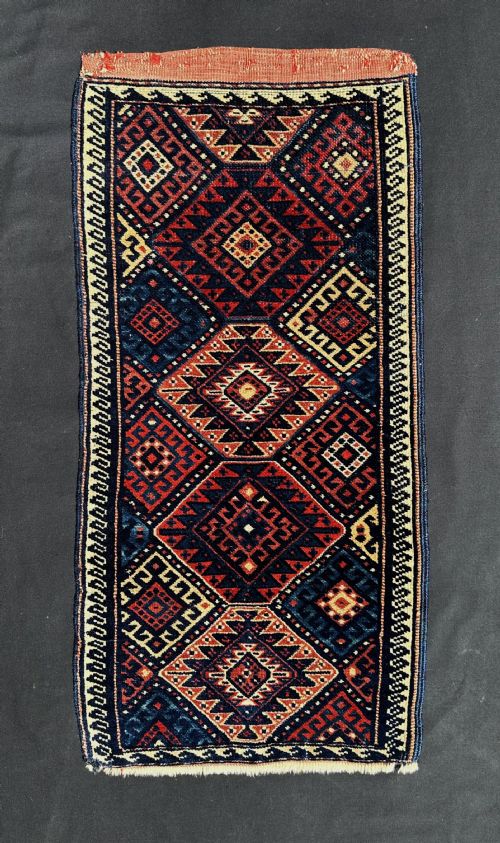
The most common examples encountered here are bagfaces, which are the highly decorated front panels of saddlebags or storage pieces. They combine deep red wool backgrounds with intricate tribal motifs, preserved and backed for modern domestic use.
How they were made
Weavers utilised hand-spun wool and goat hair to create dense, durable textile structures that could withstand nomadic life. Natural dyes and vegetable dyes provided the rich reds and contrasting tones seen across these pieces.
The construction typically involves pile weaving techniques or flatweave methods, resulting in sturdy fabrics designed for utility. Many examples incorporate intricate geometric or tribal designs worked directly into the foundational weave.
Listings span the nineteenth and early twentieth centuries, featuring wool and natural dyes across Persian and Turkmen tribal styles.
What varies in quality
The quality of a red wool tribal cushion depends upon the fineness of the wool spinning and the intricacy of the tribal patterns. Pieces featuring complex motifs, such as guls or boteh designs, often reflect higher weaving skill.
Condition and completeness also separate tiers of quality, with intact pile retention and original backs or tassels commanding greater attention. The depth and saturation of natural dyes further distinguish superior examples from simpler work.
The Red Wool Tribal Cushion Glossary
- Bagface
- The decorative front panel of a nomadic storage bag or saddlebag, which is often repurposed into a cushion. These panels preserve the primary woven artistry of the original item.
- Gul
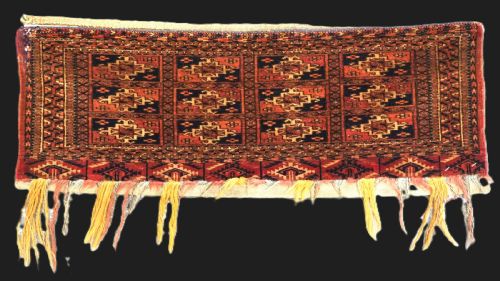
- A medallion-like design motif frequently found in Turkmen and Central Asian tribal weaving. Each pattern often identifies a specific tribe or clan.
- Torba
- A small, wide nomadic storage bag traditionally used for household goods inside a tent. Their surviving faces display characteristic banded or medallion layouts.
- Chuval
- A large tent storage bag made by Turkmen tribes for bedding and wool. The surviving faces are prized for their repeated guls and dense wool pile.
- Flatweave
- A textile constructed without pile by interweaving warp and weft threads together. Examples include kilim and sumakh structures used in lighter cushions.
Red Wool Tribal Cushion: Frequently Asked Questions
What is a red wool tribal cushion?
These pieces are decorative cushions made from antique nomadic bags, saddlebags, and storage sacks originating from Persia and Central Asia.
They repurpose authentic nineteenth and early twentieth-century textiles, bringing traditional tribal weaving into modern interior spaces.
How were these tribal bags used originally?
Nomadic tribes utilised these bags for transporting and storing grain, wheat, clothing, and personal belongings during seasonal migrations.
They were woven from durable wool and goat hair to endure the harsh conditions of camp life and animal transport.
How do I care for a wool cushion?
Gentle treatment is essential for preserving the antique wool pile and natural dyes used in these historic textiles.
Surface cleaning or professional specialist care should be used rather than standard washing methods to protect the structure.
How can I tell different tribal designs apart?
Tribal groups utilised distinct motifs, colour palettes, and weaving techniques passed down through generations of makers.
For instance, Turkmen pieces often feature repeated guls on red grounds, while Persian tribal items may display geometric boteh or saddlebag formats.