
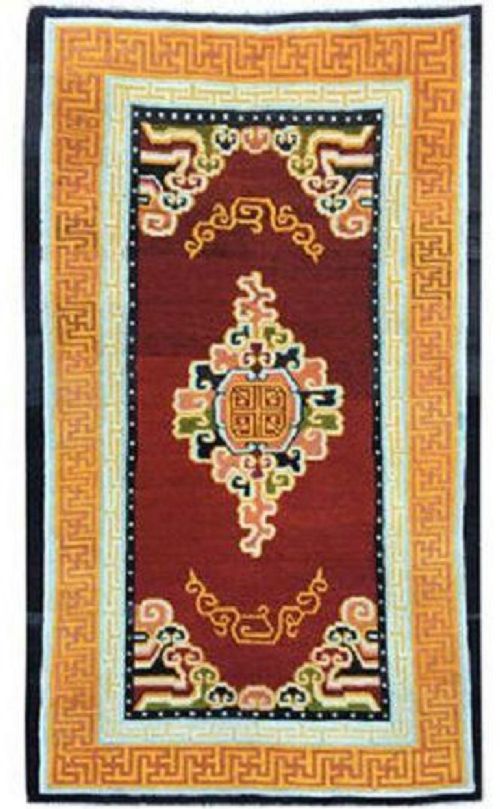
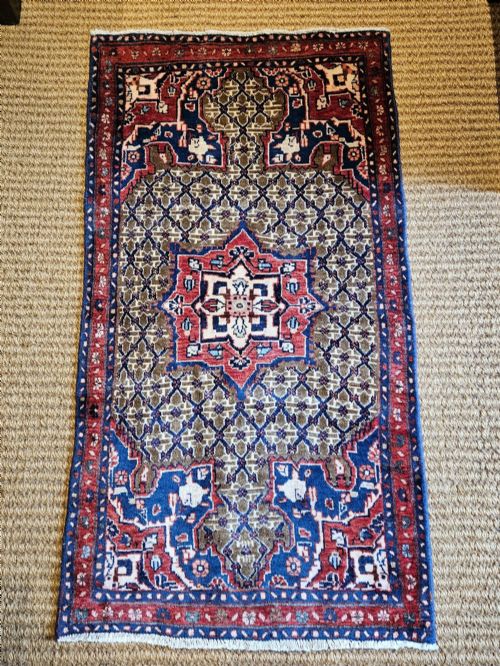
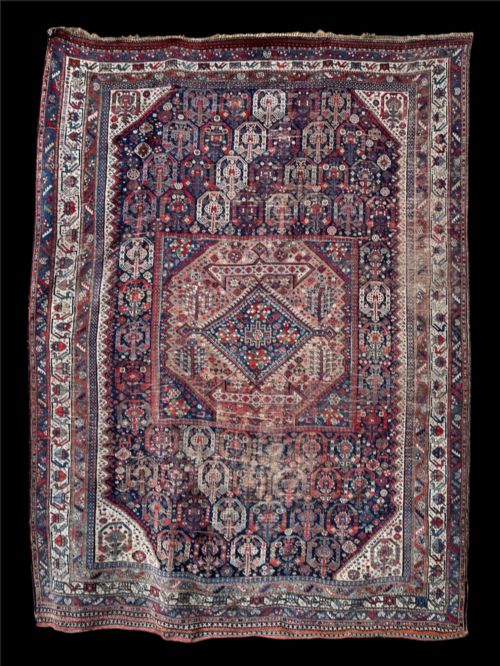
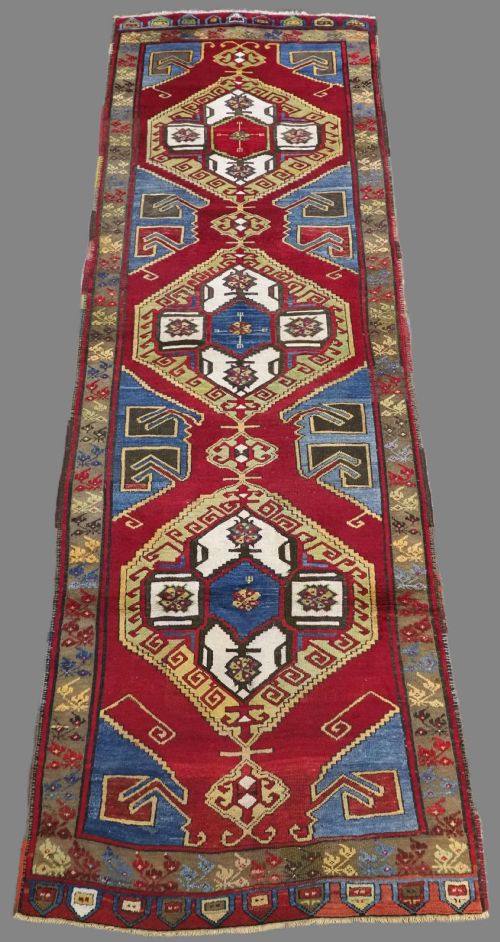
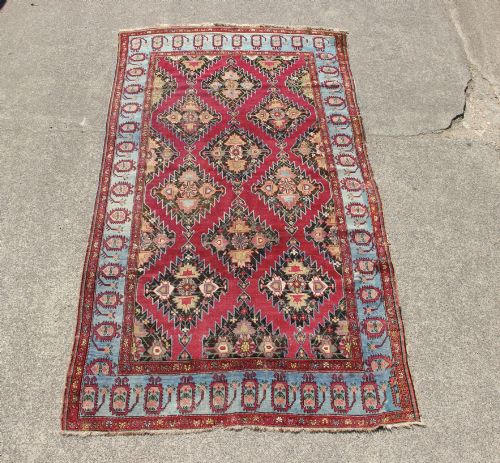
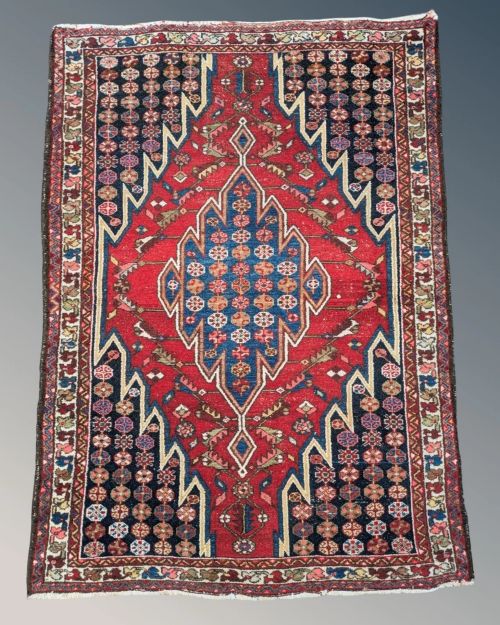
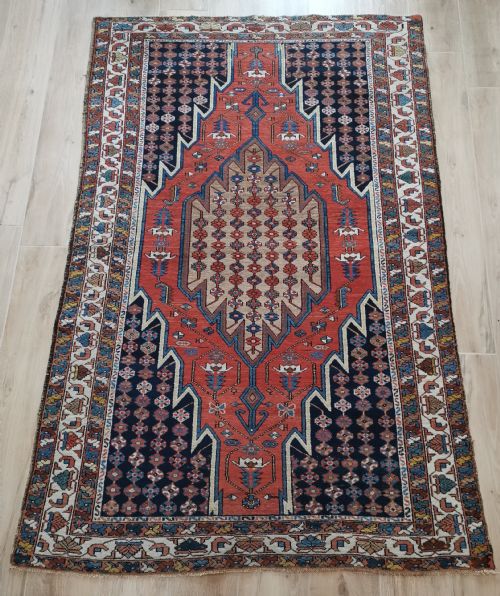

Geometric Medallion Runner Rug
A geometric medallion runner rug brings structured tribal artistry and linear warmth into narrow spaces.
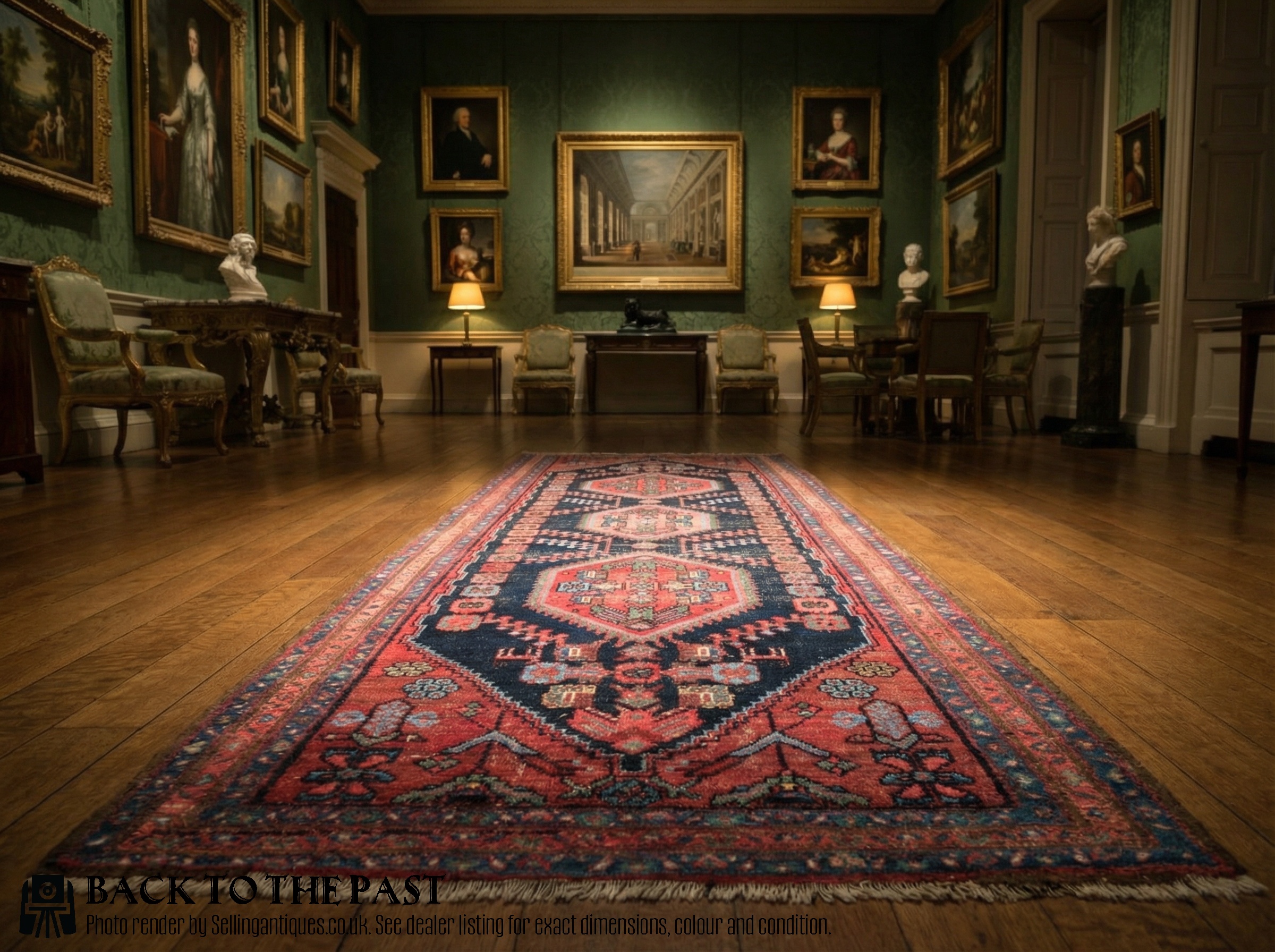
Geometric Medallion Runner Rug
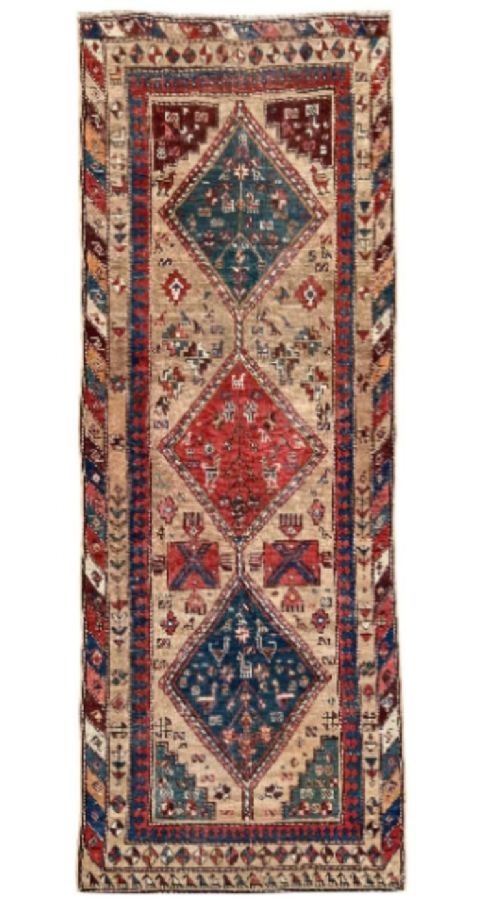
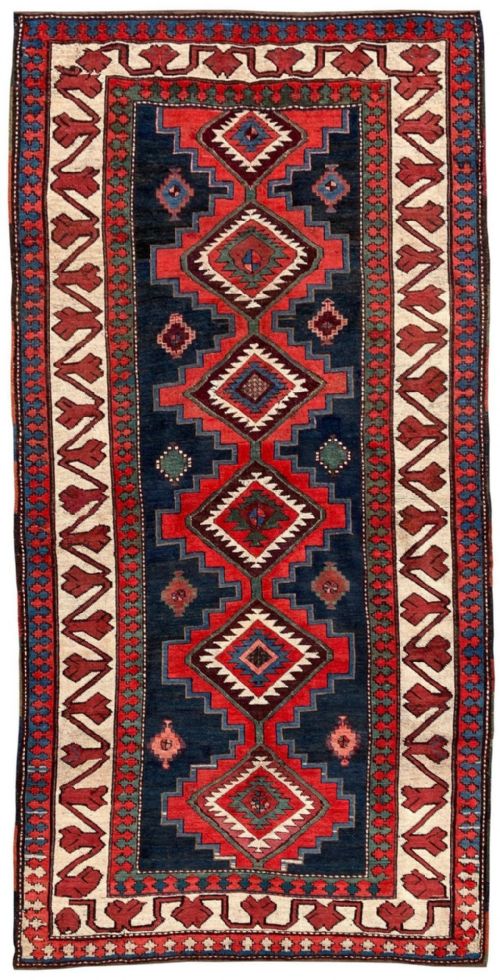
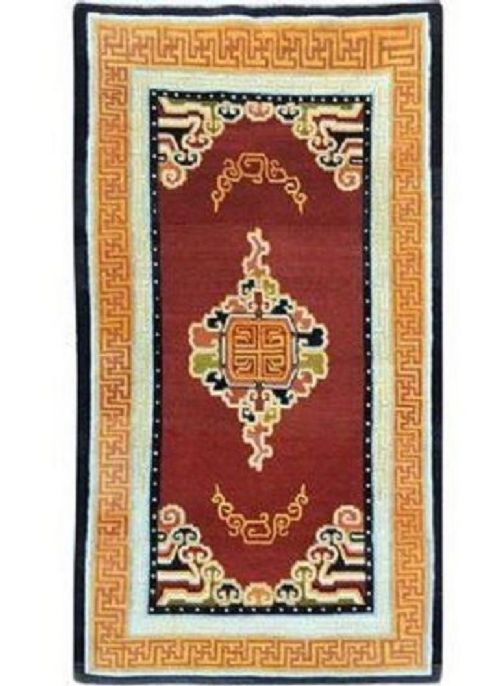
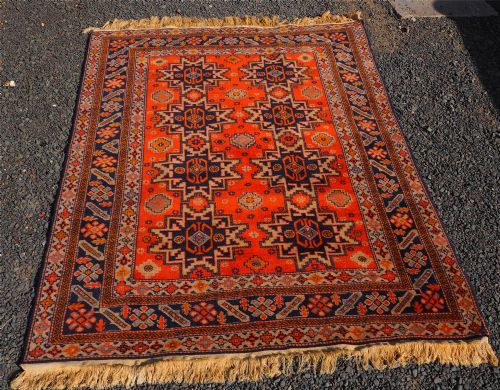
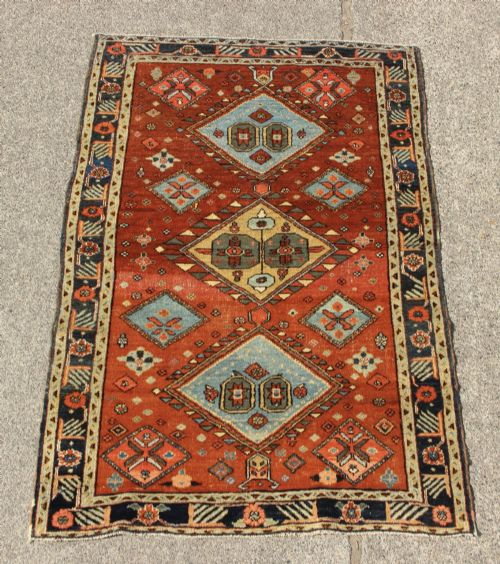
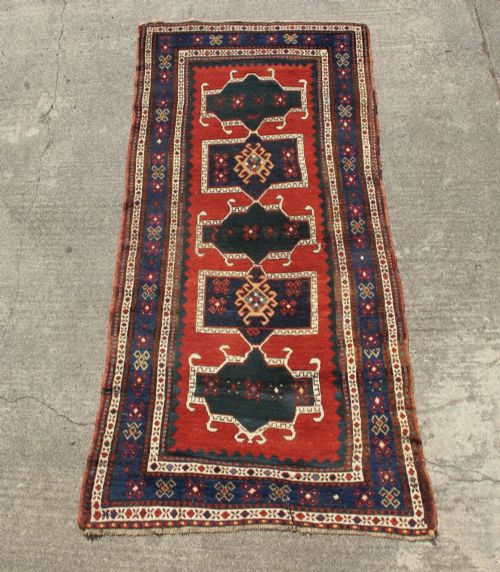
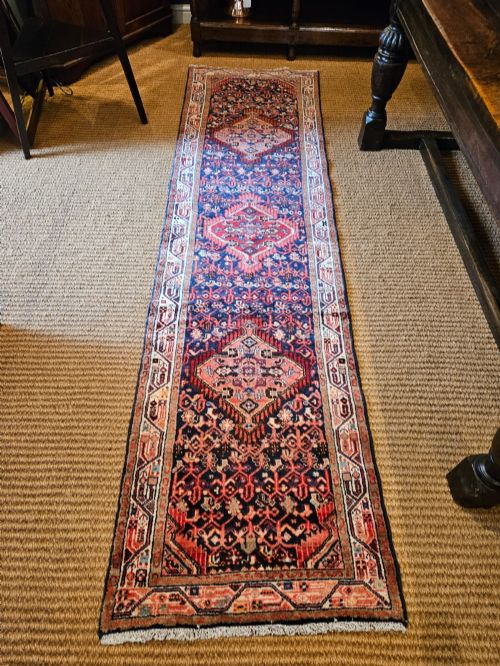
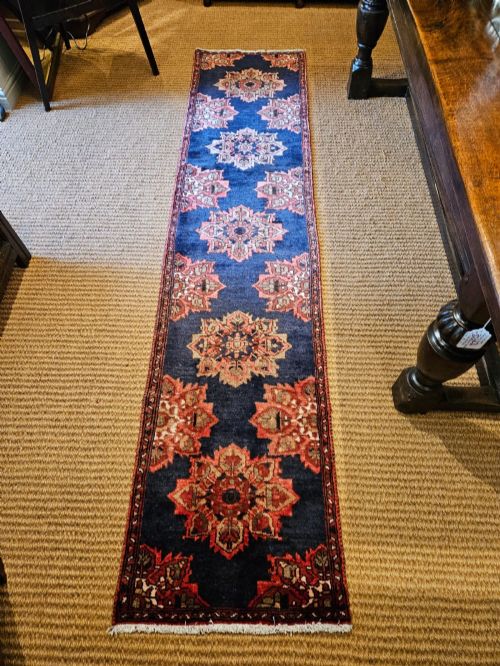
A geometric medallion runner rug is a long, narrow textile defined by repeating central motifs and rectilinear patterns. When you search for this phrase, you find practical floor coverings designed for corridors, halls, and narrow rooms. The pieces available here span from the late nineteenth century through to the early decades of the twentieth century, originating from Persian and Caucasian weaving traditions.
The format of a runner rug suits high-traffic transitional spaces while displaying complex tribal iconography. The examples seen on this page include Persian tribal works, Caucasian pieces, and specific regional types like Hamadan, Kurdistan, Veramin, and Moghan Kazak. These rugs bridge the gap between utilitarian floor protection and distinctive folk art.
The visual vocabulary relies heavily on hooked medallions, angular field patterns, and disciplined borders rather than sweeping curves. Makers deployed centuries-old regional designs passed down through generations of weavers. Each runner tells a story of its specific origin through distinct colour palettes and wool preparation techniques.
How they were made
The construction of these runner rugs relies on traditional hand-knotting techniques executed on upright looms. Weavers utilised natural materials, combining sturdy wool pile with cotton foundations to ensure durability along corridors. The density of the knotting dictates the crispness of the geometric lines and the longevity of the pile underfoot.
Dyes derived from natural sources provide the foundational hues found across these nineteenth and early twentieth-century examples. The interaction of hand-spun wool and traditional mordants creates subtle variations in tone known as abrash, adding depth to the field. This organic dyeing process ensures that colours age with a rich, harmonious patina rather than fading harshly.
Geometric Medallion Runner Rug Retail Price Guide 2026
Typical asking prices for geometric medallion runner rug among the pieces listed under this phrase on Sellingantiques today, from the lower quarter to the upper quarter. They describe what is for sale here now, not the wider market.
Current listings feature runners produced across five distinct decades, spanning from the 1880s through to 1920.
What varies in quality
The distinction between standard examples and superior pieces rests on the precision of the geometric layout and the handling of the wool. Finer knot counts allow complex hooked medallions to maintain sharp, unblurred edges along the narrow format. The quality of the wool fat retained in the fibre dictates the natural sheen and resilience of the pile.
The Geometric Medallion Runner Rug Glossary
- Medallion
- A central ornamental motif set within the field of the rug. In these runners, medallions take sharp geometric or hooked forms rather than floral curves.
- Abrash
- A natural variation in colour shading caused by changes in dye batches or hand-spun wool. This subtle striping indicates traditional dyeing methods.
- Pile
- The upright yarn surface of the rug formed by the cut ends of knots. Wool pile provides cushioning and insulates against cold floors.
- Warp
- The stationary lengthwise threads stretched on the loom that form the structural foundation of the textile. Cotton warps offer high tensile strength for long runners.
- Weft
- The horizontal threads passed across the warp strands to lock the rows of knots in place. Tight weft beating creates a firm, stable fabric.
Geometric Medallion Runner Rug: Frequently Asked Questions
Where should I place a geometric medallion runner rug?
These long, narrow rugs suit hallways, corridors, and bedside applications where linear dimensions are required. Their robust construction handles daily foot traffic while adding traditional character to transitional spaces.
Ensure you use an appropriate underlay to keep the runner secure on hard flooring. This prevents sliding and protects the historical textile from unnecessary friction against the floor.
How do I identify a Caucasian runner?
Caucasian pieces typically feature bold, highly geometric motifs, saturated primary colours, and stiff, sturdy wool foundations. Designs often incorporate hooked polygons and sharp stellar elements distinct from curvilinear Persian patterns.
The regional palette tends toward crisp contrasts, reflecting the harsh mountain environments where these tribal weavers lived and worked.
What is a Hamadan Kurdistan runner?
Hamadan and Kurdistan rugs originate from major weaving hubs and surrounding tribal villages in western Persia. They are known for durable wool construction and robust utility, often displaying bold central medallions.
These pieces combine sophisticated town-market distribution networks with the rustic, geometric aesthetic of Kurdish tribal weavers.
How do I care for an antique wool runner?
Regular gentle vacuuming without a rotating brush roll keeps dust and grit from settling into the wool pile. Professional cleaning by specialists in antique textiles ensures the natural lanolin remains protected.
Rotate the runner periodically to distribute wear evenly along high-traffic pathways. Avoid placing antique wool rugs in direct, harsh sunlight to preserve the organic dyes.