


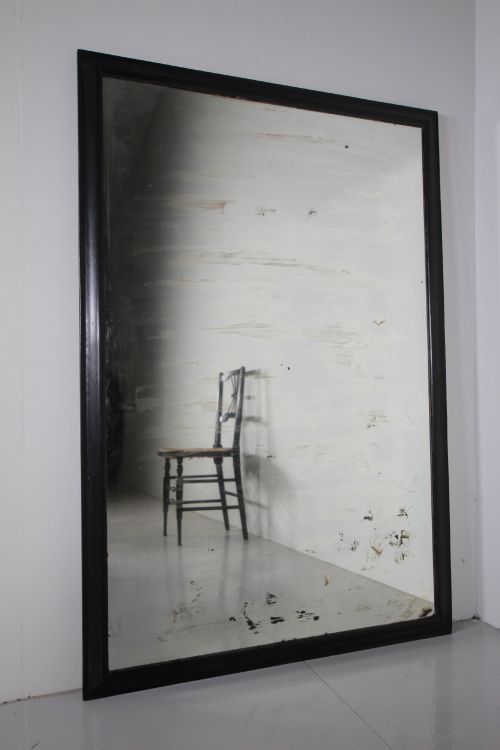
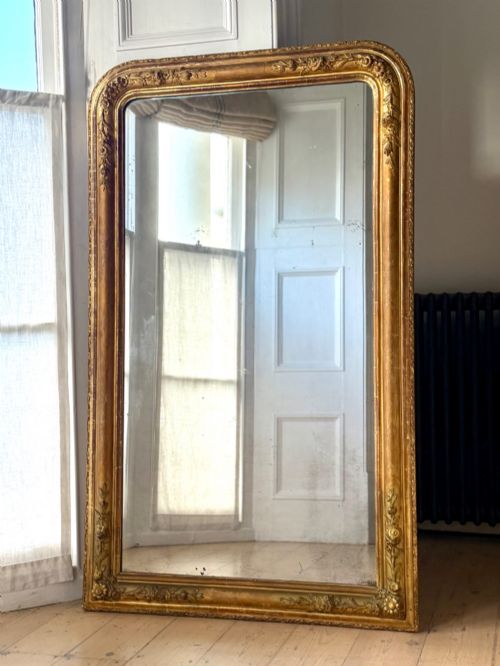
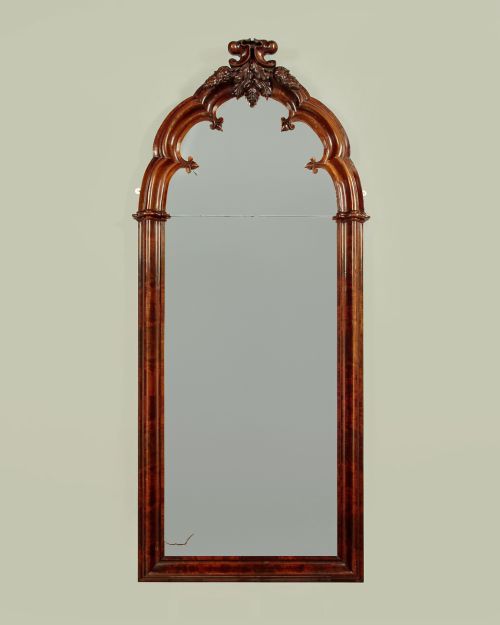
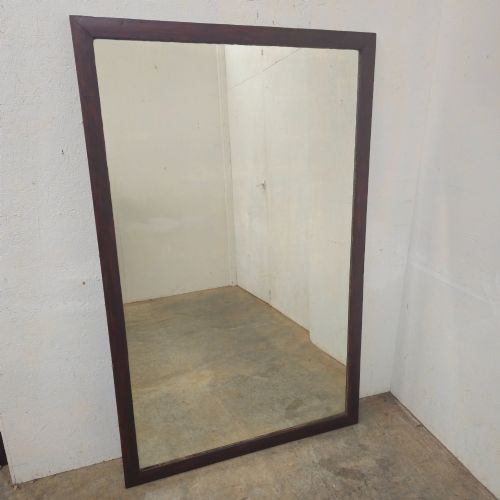
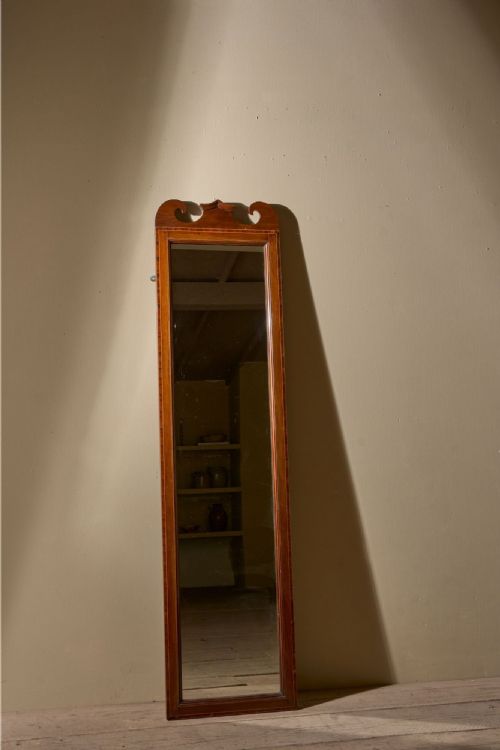
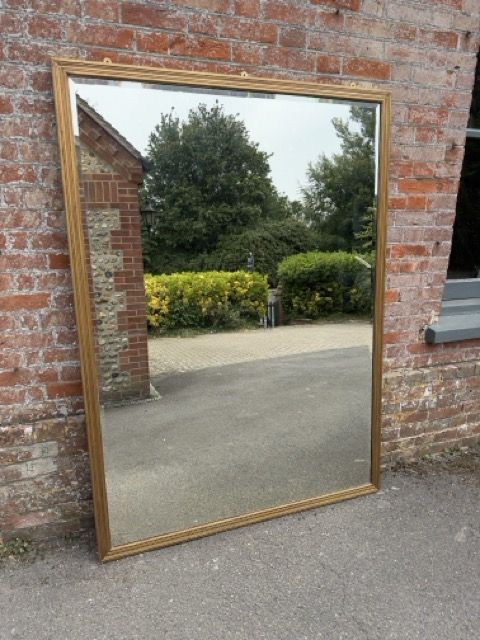
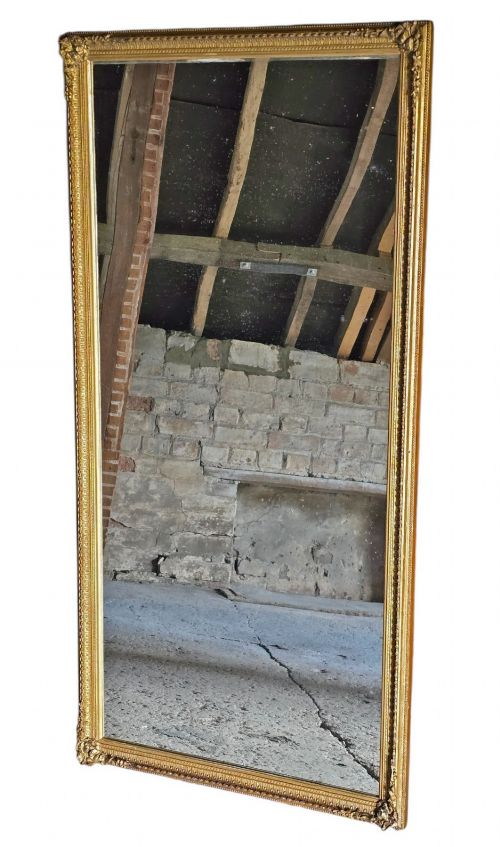
Full Length Wall Mirror
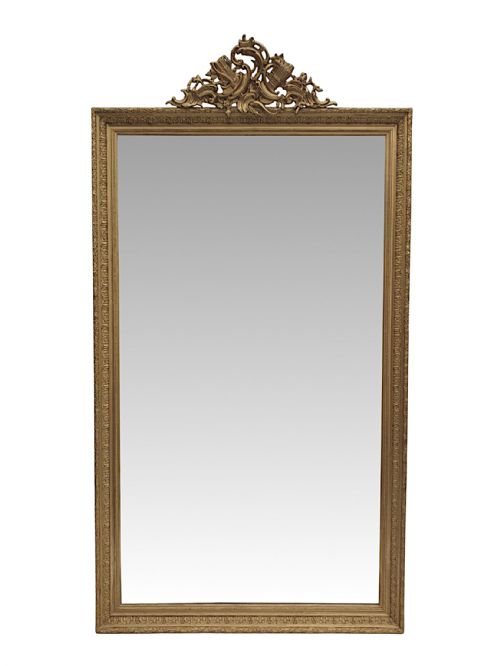
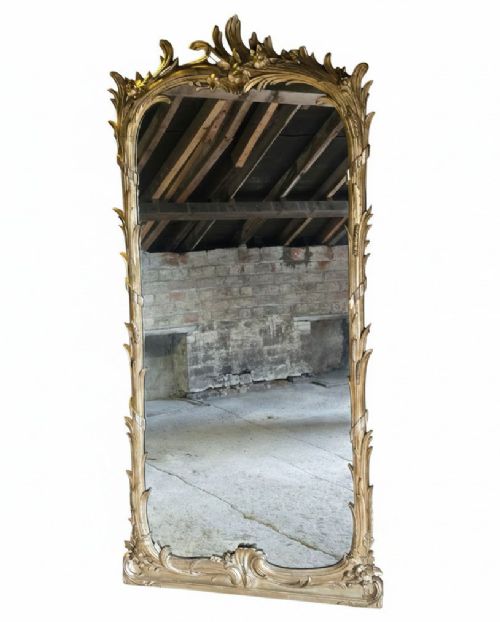
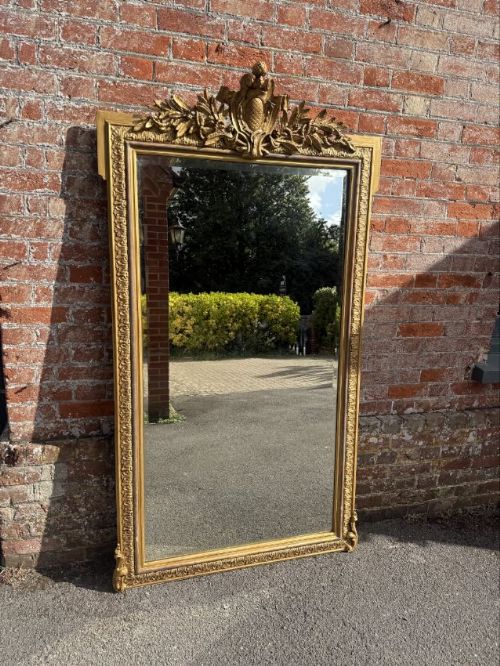
These large vertical looking-glasses enlarge rooms and catch light, bringing full length wall mirror examples from the nineteenth and early twentieth centuries into a modern interior.
Full Length Wall Mirror
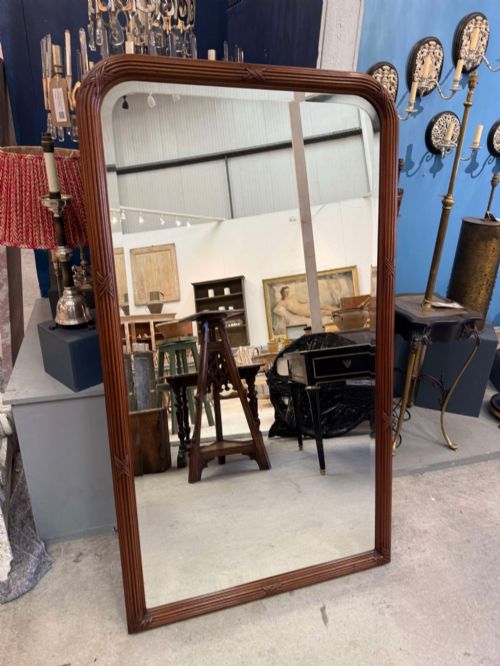
Most pieces date from the nineteenth century, including French chateau designs and English solid oak or mahogany frames. These tall glasses occupy significant wall space, functioning simultaneously as architectural elements and functional looking-glasses.
How They Were Made
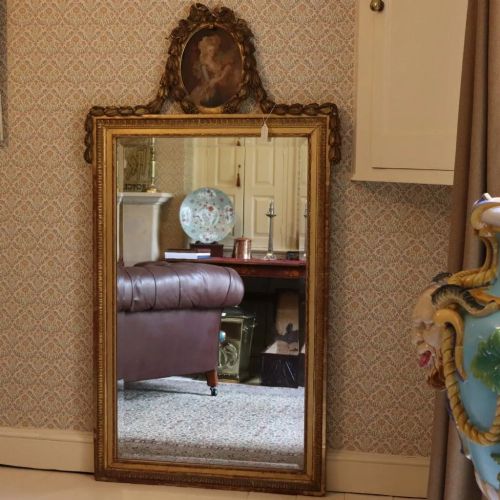
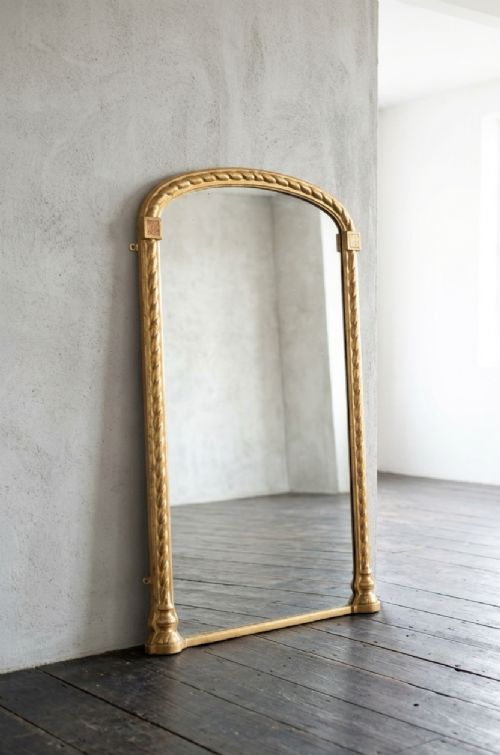
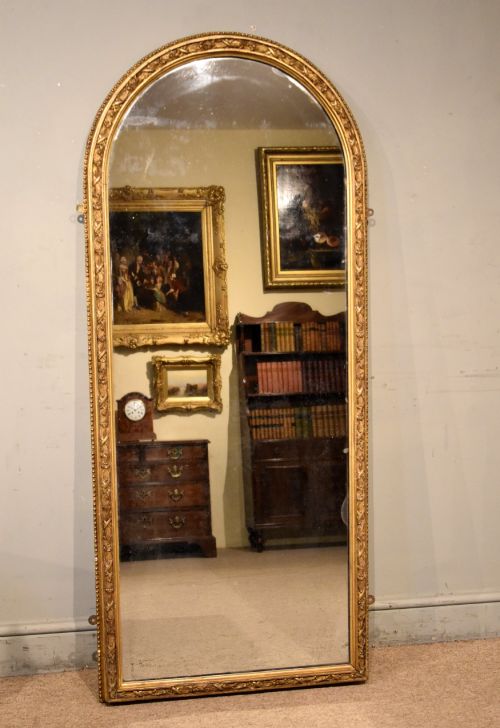
Frames utilise solid timbers such as mahogany, oak, walnut, and satinbirch, often shaped with carved details or built up with gesso. Giltwood and silver-gilt finishes dominate the decorative French and English examples, applied over carved wood bases.
Glass plates are set into heavy frames, frequently featuring bevelled edges or arched tops. Joinery relies on traditional carpentry methods suitable for supporting substantial glass weight.
Full Length Wall Mirror Retail Price Guide 2026
Typical asking prices for full length wall mirror among the pieces listed under this phrase on Sellingantiques today, from the lower quarter to the upper quarter. They describe what is for sale here now, not the wider market.
Among the stately mahogany and gilded frames, a fairground distortion glass waits to bend reflections entirely out of shape.
What Varies in Quality
The depth and crispness of carved wooden or gesso ornamentation separate standard frames from finer works. Hand-carved relief work on giltwood or mahogany displays greater artistry than simpler moulded profiles.
The clarity and original condition of the glass plate, alongside the integrity of the original gilding or paint finishes, determine the overall calibre of the piece.
The Full Length Wall Mirror Glossary
- Giltwood
- Wood carved and coated with gold leaf. This finish defines many formal nineteenth-century frames.
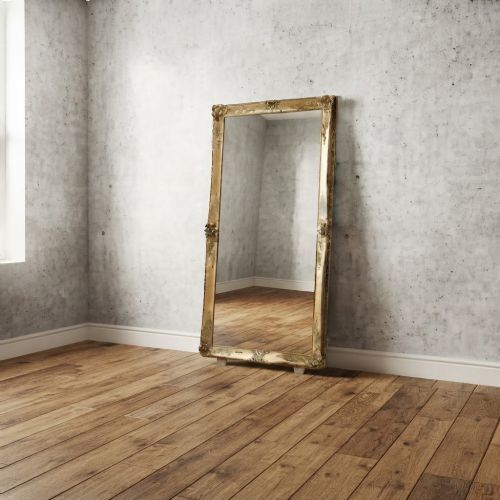
- Leaner mirror
- A tall mirror designed to rest against a wall without being hung. These pieces often feature substantial weight and height.
- Pier glass
- A tall, narrow mirror designed to hang on the wall space between windows. They frequently incorporate candle sconces or console tables beneath.
- Gesso
- A plaster-like mixture applied to wood frames to create a smooth surface for gilding. It allows intricate relief moulding before the application of gold leaf.
- Bevelled glass
- Glass with edges cut and polished at an angle. This technique creates a prismatic border effect around the reflection.
Full Length Wall Mirror: Frequently Asked Questions
Where should I place a full length wall mirror?
These tall mirrors function effectively in hallways, bedrooms, and reception rooms where vertical space allows. Placing them opposite windows maximises natural light distribution across the interior.
Heavier examples designed as leaner mirrors rest securely against walls to anchor large rooms without requiring permanent wall fixings.
How do I identify a Victorian mirror?
Victorian examples often employ dense timbers like mahogany and oak alongside heavily carved gesso and giltwood frames. Look for characteristic proportions and traditional joinery methods typical of nineteenth-century British workshops.
Stylistic markers such as aesthetic movement decoration or architectural crests help confirm the period.
What is the difference between a leaner and a wall mirror?
Leaner mirrors are built with sufficient weight and structural support to stand safely against a vertical surface without hanging hardware. Standard wall mirrors rely on secure brackets attached directly to the wall structure.
Both categories encompass full-length formats, though leaner mirrors tend to feature larger dimensions.
How do I care for antique gilt frames?
Dust giltwood frames gently with a soft, dry brush to prevent accumulation without disturbing fragile gold leaf. Avoid liquid cleaners and modern chemical sprays that strip historic finishes.
Keep frames away from direct heat sources and damp environments to protect the underlying gesso and wood.