

French Walnut Sideboard
When you search for a french walnut sideboard, you are looking at substantial timber storage pieces that bring continental presence to a room.
French Walnut Sideboard
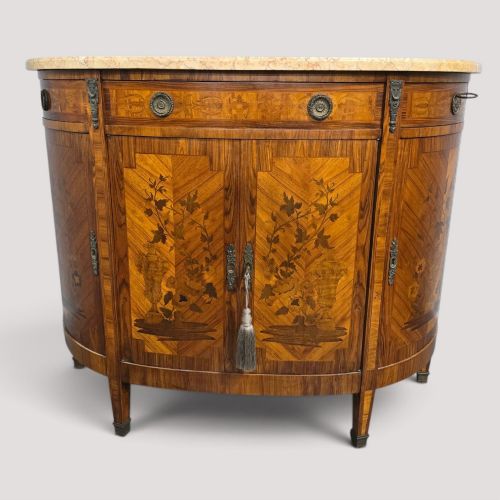
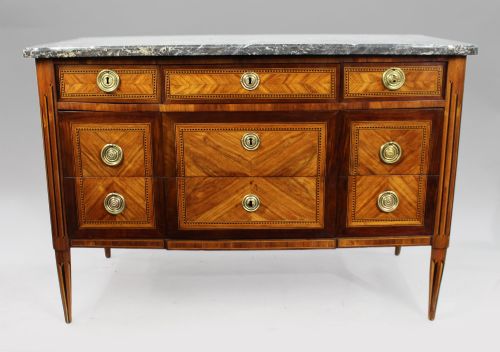
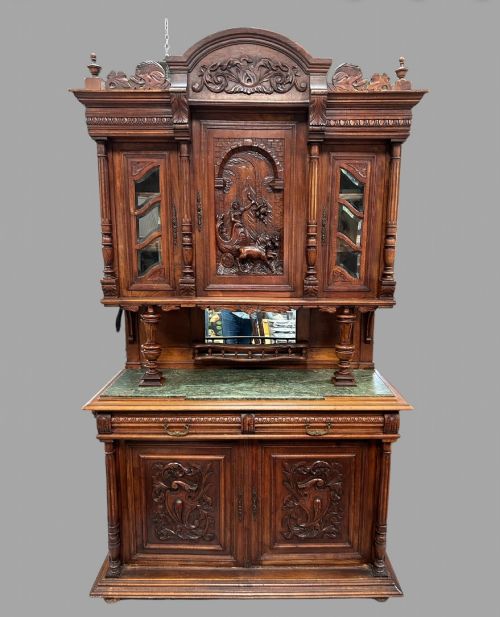
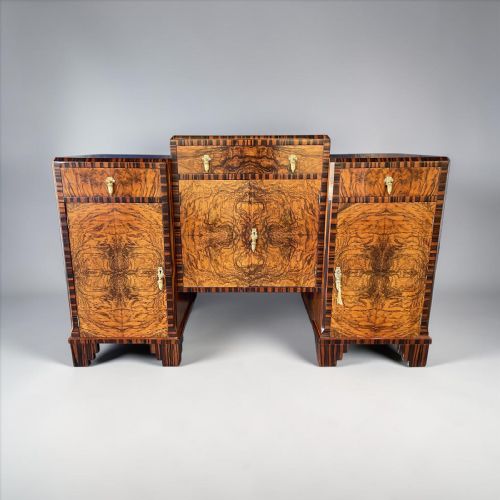
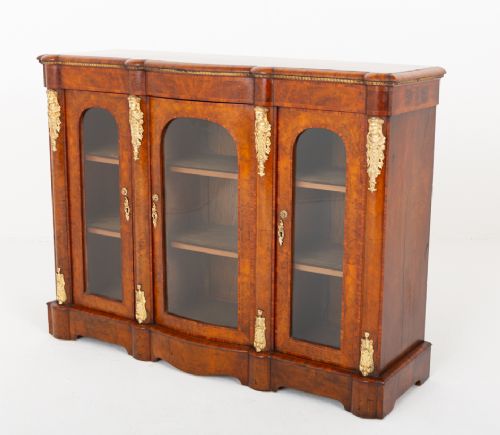
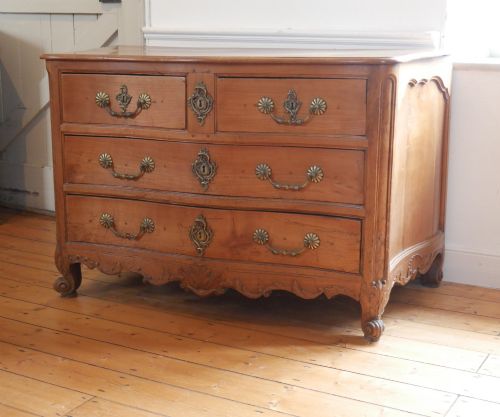
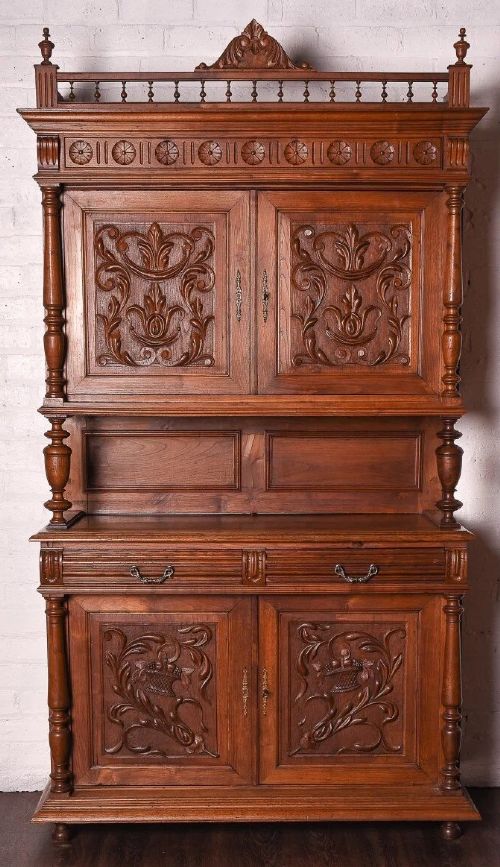
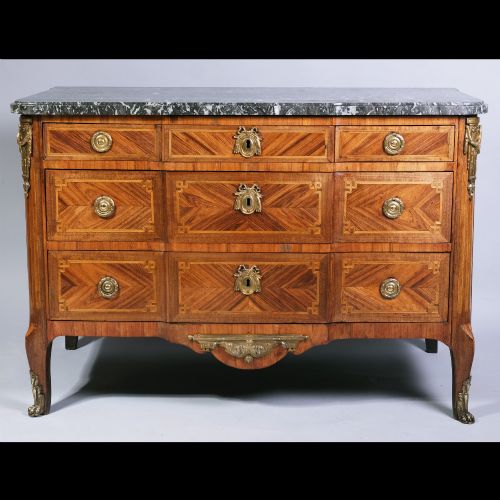
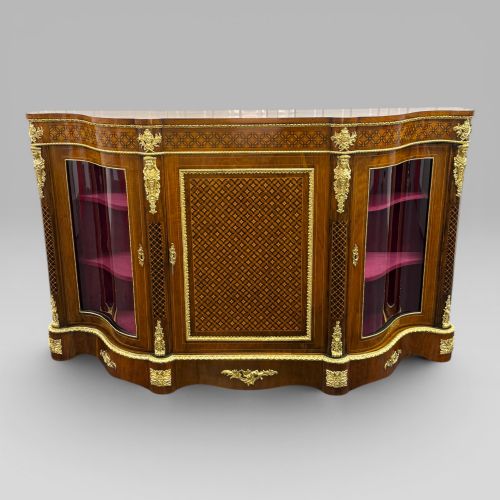
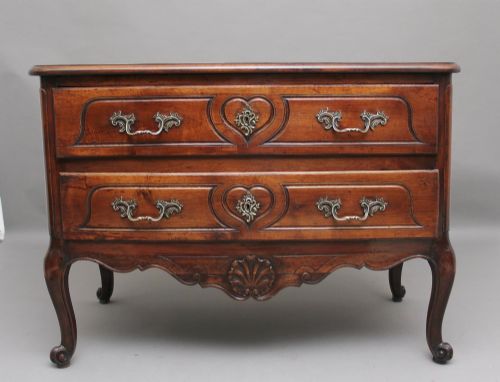
A french walnut sideboard encompasses a broad family of storage furniture, including credenzas, commodes, buffets, and cabinets originating across various continental periods. You will frequently encounter 18th-century provincial chests alongside 19th-century Victorian interpretations and 20th-century Art Deco iterations.
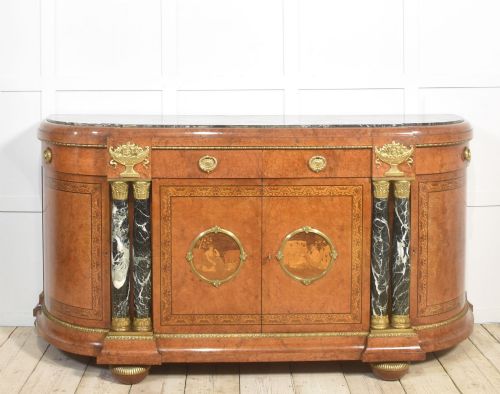
The forms range from serpentine commodes and marble-topped buffets to multi-door credenzas and game cabinets. Walnut serves as the primary timber canvas across these diverse shapes, often enriched with contrasting veneers and marquetry details.
How they were made
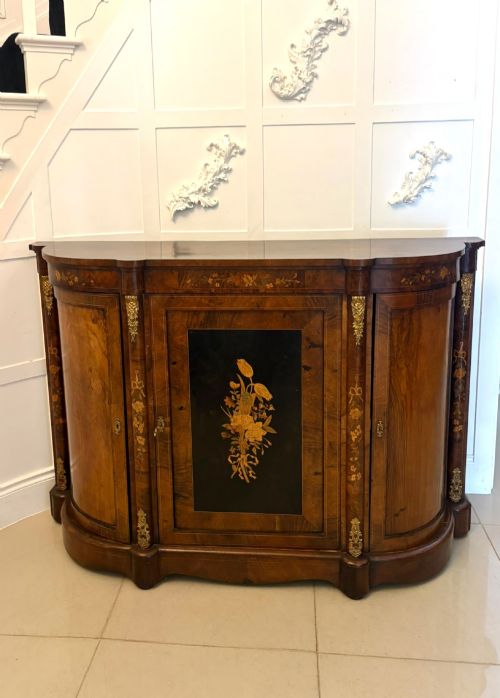
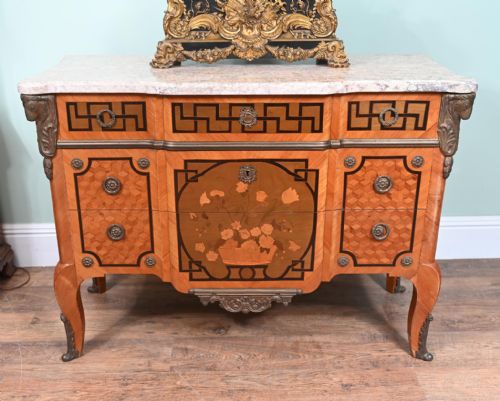
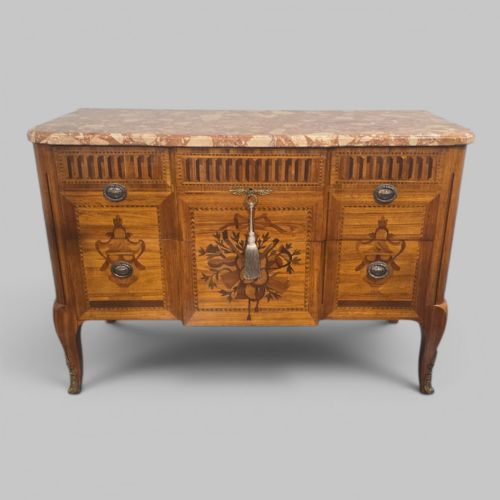
Cabinet makers utilised solid walnut and burr walnut veneers applied over secondary carcase timbers to achieve rich grain patterns and figuration. Marquetry and parquetry techniques introduced geometric or floral patterns using lighter and darker woods.
Surface adornment frequently incorporated polished marble tops, cast ormolu mounts, and brass detailing. These metal elements were fastened to the walnut structures to accent corners, mounts, and lock escutcheons.
Game cabinets required special interior depth for feathers and fur.
What varies in quality
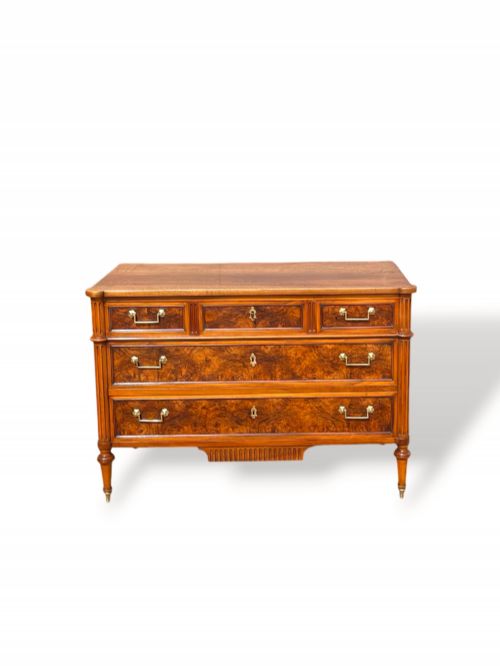
Quality rests upon the crispness of the carving, the complexity of the marquetry, and the selection of figured burr walnut veneers. Superior examples display seamless veneer matching across drawer fronts and doors.
The integration of heavy materials such as marble slabs and ormolu mounts also dictates standard. Finely cast bronze mounts and heavy slab marble tops indicate higher workshop standards than standard timber alternatives.
Maison Gagneau·Étienne Kohlmann·Jules Leleu
The French Walnut Sideboard Glossary
- Credenza
- A low cabinet or sideboard, frequently featuring glass doors or marquetry panels. This form gained popularity during the Victorian period.
- Commode
- A low chest of drawers or cabinet with doors, often fitted with a marble top. These pieces originated in France.
- Ormolu
- Gilded bronze used for decorative mounts and furniture hardware. It provides metallic contrast against dark walnut timber.
- Marquetry
- Decorative veneer patterns assembled from thin pieces of wood to form pictures or geometric designs. It is commonly found on cabinet doors and top panels.
- Parquetry
- A geometric mosaic of wood pieces used for floorings and cabinet surfaces. It creates repeating patterns like cubes or chevrons.
French Walnut Sideboard: Frequently Asked Questions
What is a french walnut sideboard?
A french walnut sideboard is a timber storage unit originating from or styled after French cabinet-making traditions, utilising walnut as its primary wood. These items function as dining room servers or principal living area cabinets.
They appear in forms ranging from provincial 18th-century buffets to decorative 19th-century credenzas and streamlined 20th-century Art Deco designs.
How do I style a marble top sideboard?
A marble top sideboard benefits from placement against a principal wall where its stone surface and timber grain remain visible. Pair the piece with neutral surroundings to highlight the natural figuration of the walnut.
Avoid overloading the stone surface with heavy objects, allowing the ormolu mounts and marquetry inlay to draw the eye.
How do I tell an 18th century piece apart?
Eighteenth-century examples typically display hand-cut joinery, pegged construction, and simpler structural lines compared to later revival styles. The walnut timber often shows a deeper, drier patina acquired through age.
Later Victorian and 20th-century pieces frequently incorporate more complex mechanical hardware and machine-sawn components hidden within the carcase.
Did these pieces always have marble tops?
Not all pieces feature stone; many rely entirely on solid walnut or parquetry timber tops. Marble slabs were commonly added to commodes, buffets, and serving cabinets to provide a durable, heat-resistant surface.
Wooden tops remain standard on formal dining sideboards, game cabinets, and lower credenzas across the same periods.