


French Credenza Dresser
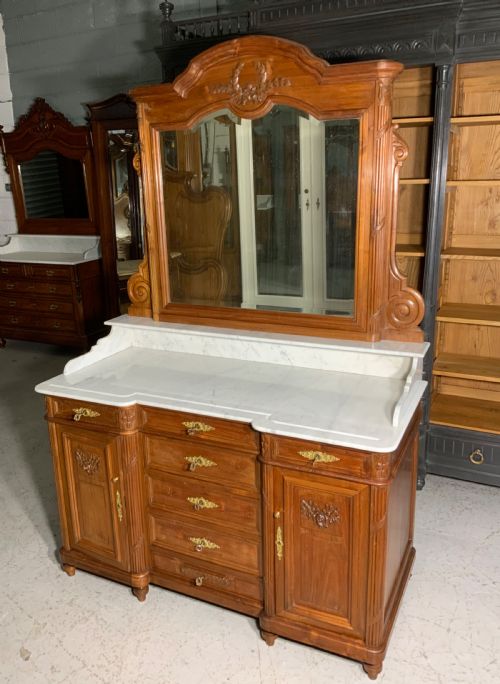
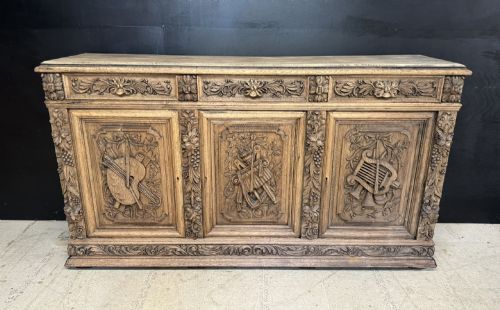
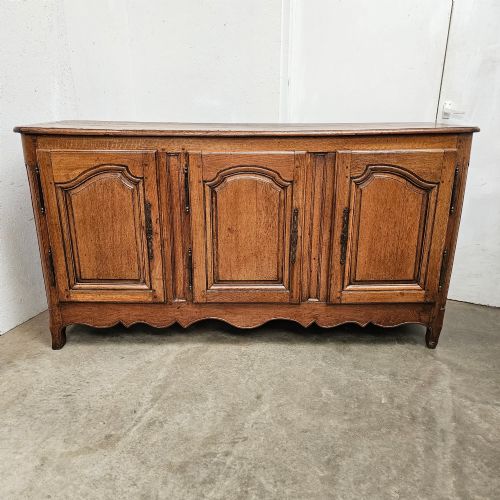
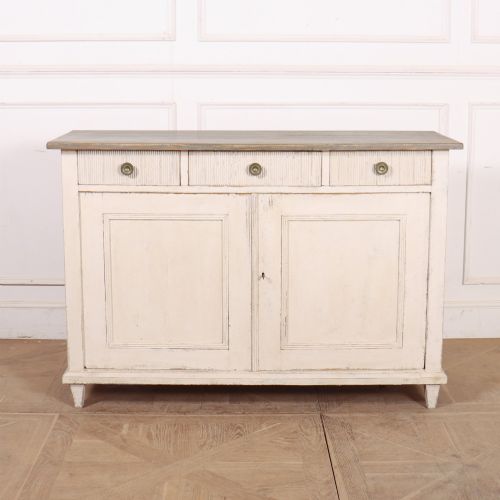
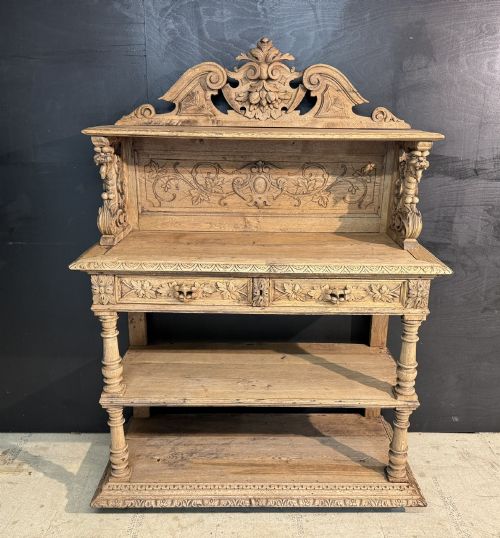
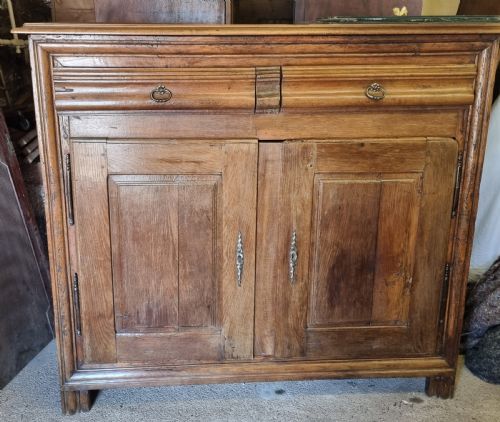
These french credenza dresser examples bring substantial storage and regional character to a room through robust timbers and carved detail.
French Credenza Dresser
A french credenza dresser encompasses heavy timber sideboards, low dresser bases, and multi-door buffets hailing from various continental provinces. These items function primarily as principal storage furniture in dining spaces and hallways, offering deep cupboards and wide surfaces.
The selections here span from eighteenth-century fruitwood and oak provincial pieces to nineteenth-century revival outputs in walnut and cherrywood. Oak and cherrywood dominate the timber selection, frequently accompanied by contrasting marble tops or brass mounts.
Buyers encounter numerous regional variations, including gothic two-door cupboards, panelled housemaid cupboards, and marble-topped commodes. Each form reflects the specific domestic requirements of French country houses and chateaus across different centuries.
How they were made
Cabinet makers utilised solid regional timbers like oak, cherrywood, walnut, and fruitwood, joined with traditional pegged mortise and tenon construction. Surfaces often display deep hand carving, linenfold panelling, or burr elm veneers.
Many heavy storage units incorporate fitted marble tops and cast brass or ormolu mounts around keyholes and handles. Glass panels, steel hardware, and iron elements appear on specific display cabinets and washstands.
The inventory spans the eighteenth century through to the early twentieth century, incorporating regional styles and revival periods.
What varies in quality
Depth and crispness of the hand carving separate standard provincial work from ambitious revival pieces. Sharp relief work on oak foliage and panels indicates skilled workshop execution.
Quality rests equally in timber selection and the integrity of structural joints. Heavily figured burr elm, solid walnut, and intact marble slabs elevate the stature of a sideboard.
The French Credenza Dresser Glossary
- Enfilade
- A long sideboard or buffet featuring three or more doors in a continuous line. This form was designed for grand dining rooms to serve multiple courses.
- Commode
- A low chest of drawers or cabinet standing on legs, frequently topped with marble. These pieces function as decorative storage in bedrooms and reception rooms.
- Ormolu
- Gilded bronze mounts and decorative fittings applied to furniture surfaces. Makers utilised this material to highlight key areas like drawer pulls and corners.
- Fruit wood
- Timber harvested from fruit-bearing trees such as cherry or pear, used extensively in regional cabinet making. It offers a warm tone and fine grain.
French Credenza Dresser: Frequently Asked Questions
Where should I place a french credenza dresser?
These substantial storage units suit dining rooms, wide hallways, or large living spaces where surface area and interior volume are required. Their heavy timber construction anchors a room visually.
Ensure adequate wall space and clearance for doors or drawers to open fully before positioning one of these large items.
How do I care for the marble top?
Clean the marble surface regularly with a soft, damp cloth and mild soap. Avoid acidic cleaners or harsh chemicals that can etch the polished stone.
Use coasters and protective mats beneath drinks and heavy objects to prevent scratching and staining on antique marble.
How do I identify the period of the wood?
Examine the construction methods, tool marks on the interior secondary timbers, and the species of wood used. Eighteenth-century pieces often display hand-sawn boards and pegged joinery.
Revival pieces from the nineteenth century frequently incorporate heavier machine-cut elements and distinct stylistic revivals like Louis XIII or Renaissance Revival.