
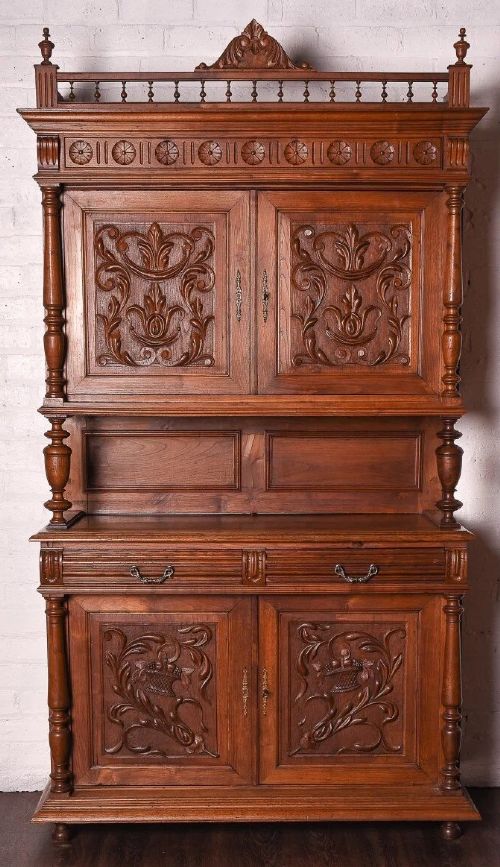


French Renaissance Buffet
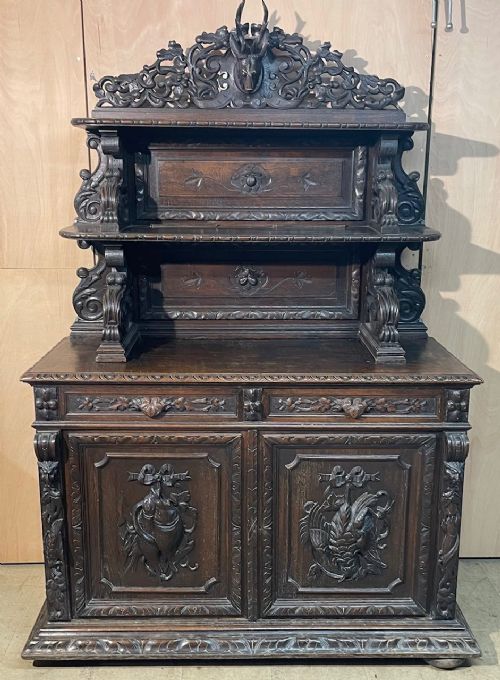
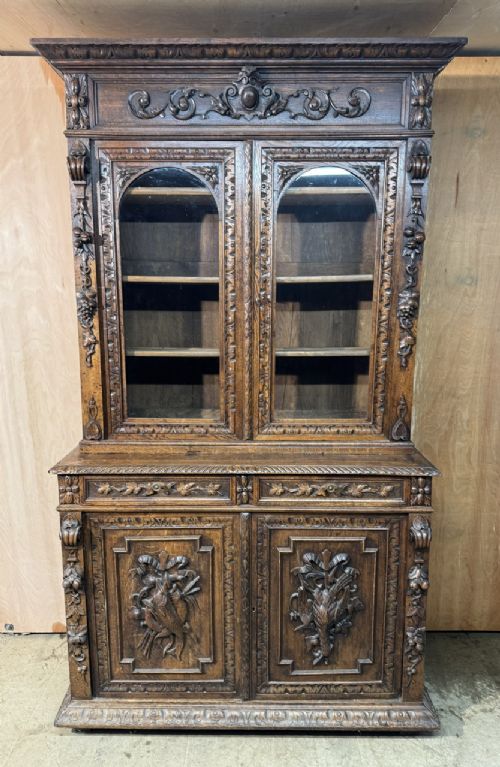
A french renaissance buffet brings heavy architectural presence and deep carving into a room, offering substantial storage with distinct period character.
French Renaissance Buffet
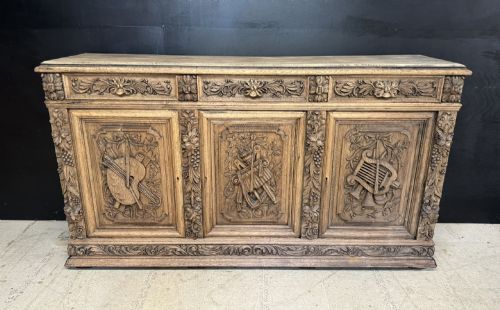
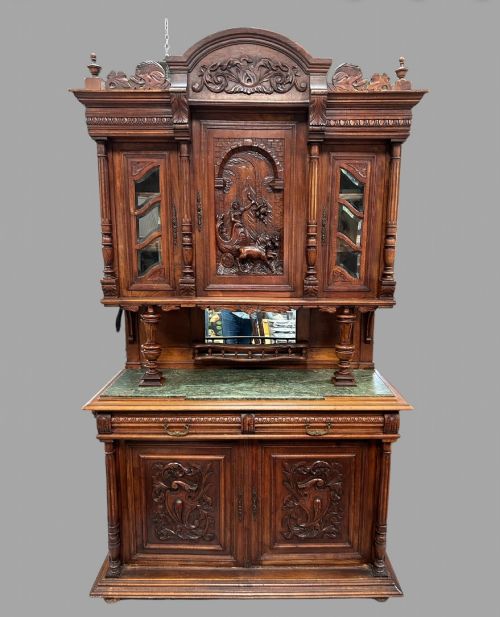
A french renaissance buffet represents substantial storage furniture shaped by historical revival movements and earlier traditions. Buyers searching for a french renaissance buffet encounter pieces primarily dating from the nineteenth century alongside earlier seventeenth and eighteenth century examples. These heavy storage items appear in forms such as sideboards, cabinets, dressers, serving tables, and pot cupboards.
The nineteenth century revival pieces dominate the selection, bringing heavy ornamentation and architectural facades into domestic spaces. Alongside these revival works, authentic seventeenth and eighteenth century walnut cupboards and serving tables surface in unrestored condition. These forms function practically as servers and display cabinets while serving as major focal points in a dining room or hall.
Materials and construction
Constructed predominantly from solid walnut and oak, these pieces rely on dense hardwoods capable of supporting deep, sculptural relief carving. Timber selection prioritises durable grain patterns that accept intricate figural and architectural detailing without splitting.
Makers integrate contrasting elements such as marble tops and brass hardware to complement the heavy wooden structure. Iron, steel, and glass appear in structural bracing and cabinet doors, while occasional hand-painted decoration introduces polychrome grotesque motifs.
Listings feature walnut and oak predominantly, supplemented by marble, brass, glass, iron, and steel across nineteenth-century revival and seventeenth-century periods.
Distinguishing quality levels
Quality separates along the depth and precision of the carved ornamentation, moving from standard production work to deeply articulated sculptural figures and architectural panels. The crispness of the relief work on walnut and oak surfaces dictates the artistic ambition of the piece.
The integrity of the timber and the retention of original components, such as marble tops and brass fittings, determine the standing of an example. Unrestored seventeenth-century items derive their status from historical untouched surfaces, whereas nineteenth-century revival pieces depend on the vigour of their cabinetwork.
Melissa White
The French Renaissance Buffet Glossary
- Buffet de Corps
- A tall, two-stage French cupboard or sideboard featuring upper and lower cabinet sections. This form provides expansive storage and prominent display space.
- Renaissance Revival
- A nineteenth-century stylistic movement that reinterprets sixteenth-century architectural and decorative motifs. Pieces in this style utilise heavy carving, columns, and figural panels.
- Pot Cupboard
- A small bedside or freestanding cabinet designed originally to house a chamber pot. These compact cupboards often feature marble tops and single doors.
- Grotesque
- A style of decorative ornament involving fanciful human and animal forms intertwined with foliage. Hand-painted interpretations of this motif appear on specific artistic cabinets.
- Louis XIII Revival
- A nineteenth-century design current referencing the heavy turned legs and geometric panels of the early seventeenth century. This aesthetic favours austere structural lines paired with rich walnut surfaces.
French Renaissance Buffet: Frequently Asked Questions
What is a french renaissance buffet?
A french renaissance buffet is a heavy storage cabinet or sideboard characterised by deep wood carving and architectural elements. These pieces draw on sixteenth-century design principles, with the majority created during the nineteenth-century revival periods.
They serve primarily as dining room servers or display cupboards, offering enclosed shelving behind ornate wooden doors.
How do I date a french renaissance buffet?
Dating relies on examining the timber construction, the style of the hardware, and the specific revival movement reflected in the carving. Nineteenth-century pieces often display crisp revival detailing and machine-assisted joinery alongside hand-carved elements.
Earlier seventeenth and eighteenth-century examples exhibit hand-hewn timbers, simpler joinery methods, and surface wear consistent with age.
Where should I place a buffet?
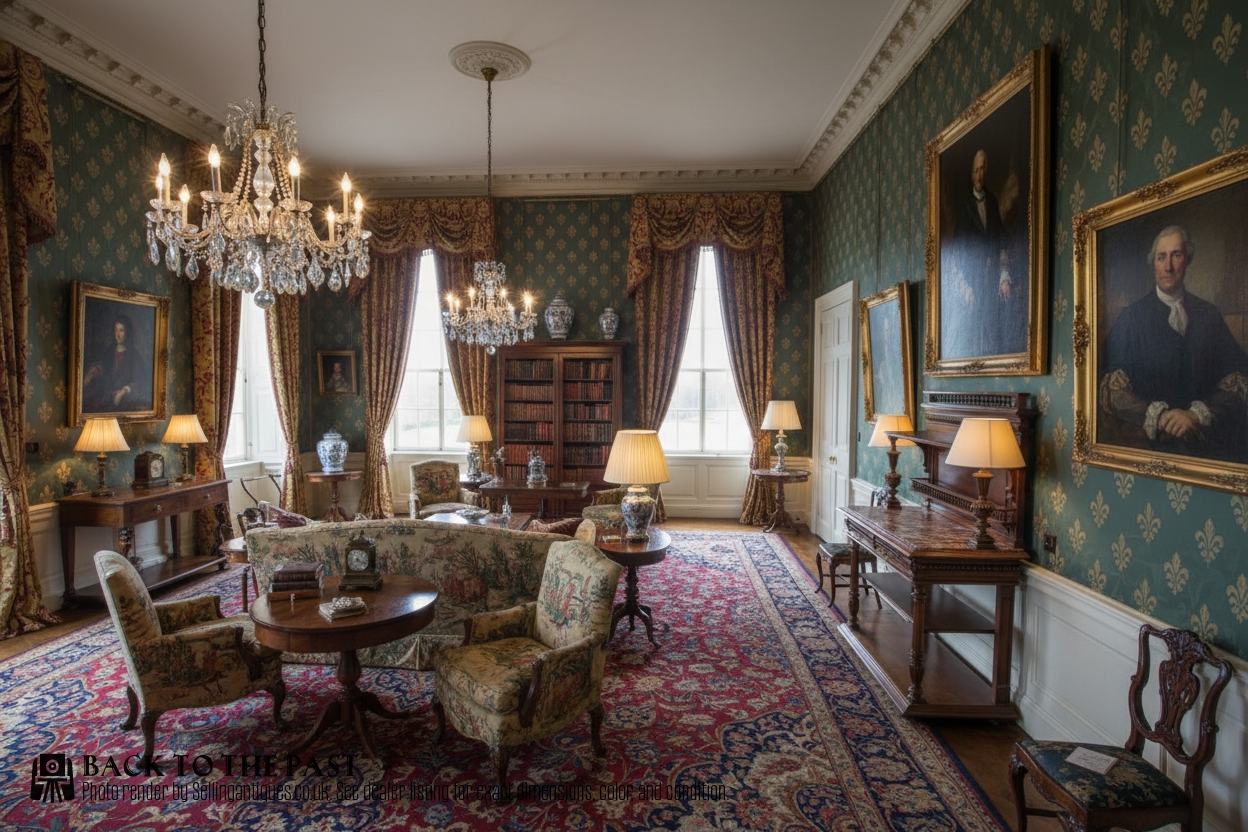
These large storage pieces suit dining rooms, grand hallways, or large living spaces where their substantial scale and deep carvings balance the room. Ensure the floor can support the significant weight of dense hardwoods and marble.
Keep them away from direct heat sources to prevent the solid oak and walnut timbers from splitting.
Are these buffets heavy?
These cabinets are exceptionally heavy due to the use of solid oak, walnut, and occasional marble tops. Moving them requires multiple people and careful handling to avoid damaging the carved projections.
Most pieces separate into upper and lower sections if they follow the buffet de corps form, making transport manageable.