


French Storage Pot
These french storage pot pieces bring rustic utility to your home, offering authentic provincial charm through traditional earthenware and terracotta forms.
French Storage Pot
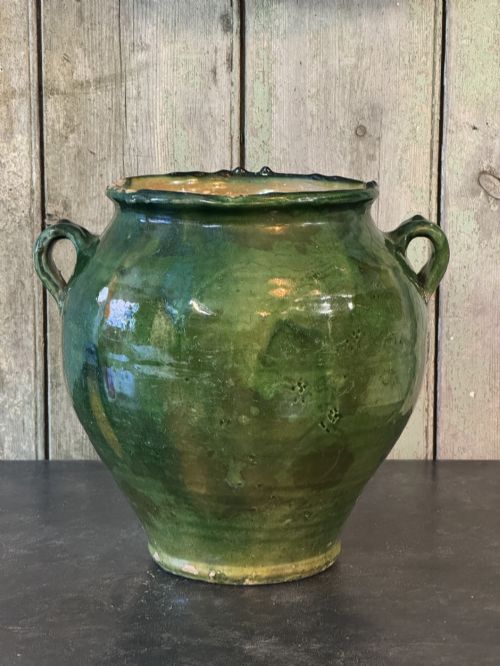
When you search for french storage pot, you encounter an array of utilitarian vessels designed for holding provisions in regional French kitchens and storerooms. These pieces encompass green-glazed confit jars, terracotta olive jars, earthenware walnut oil vessels, and tin-glazed apothecary containers originating from provincial workshops.
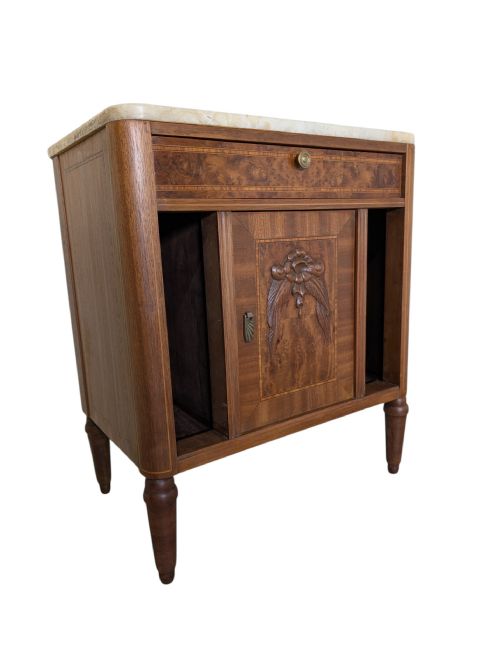
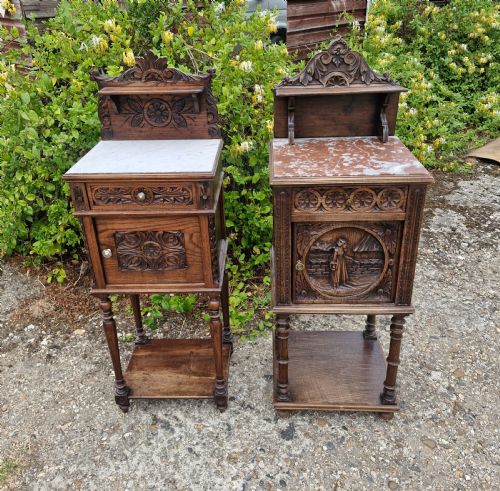
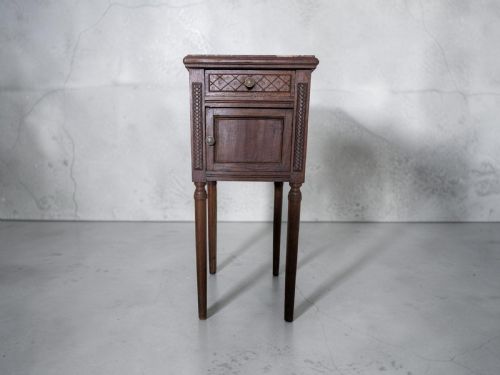
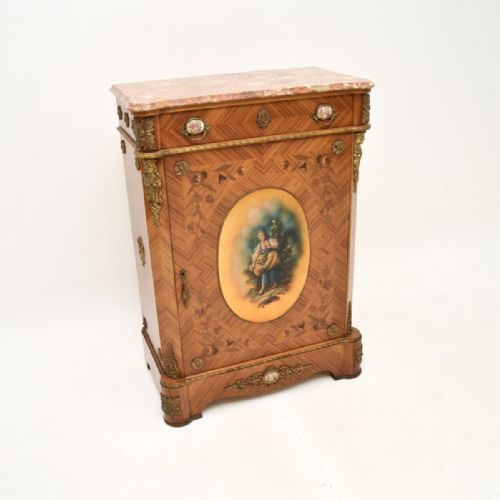
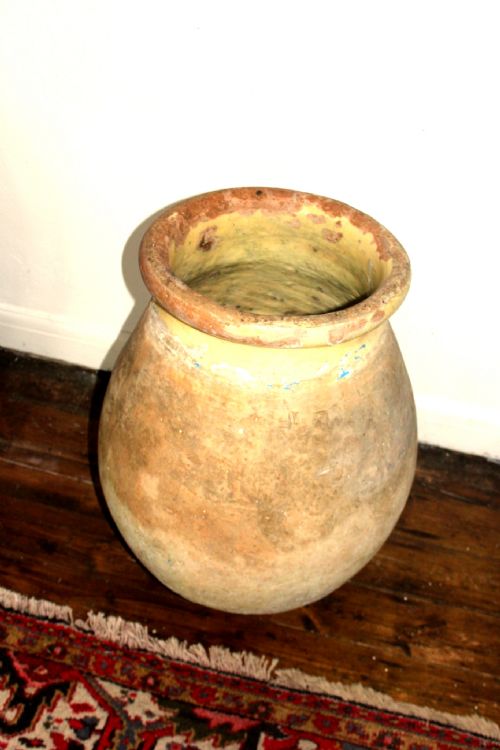
The version you are most likely to meet on this page is the nineteenth-century terracotta or earthenware confit pot, typically featuring a partial or full green glaze. Alongside these ceramic jars, the selection extends to wooden bedside cabinets, marble-topped nightstands, and rustic cupboards functioning as storage furniture.
The eras represented span from the eighteenth century through to the mid-twentieth century, capturing shifts in domestic storage from heavy earthenware jars to refined bedside cabinets in oak, walnut, and satinwood.
How they were made
Potters and artisans utilised regional clays, shaping terracotta and earthenware on wheels or within moulds to create robust jars for oil, olives, and preserves. Lead-based glazes were applied to the upper portions or interiors of these confit pots to ensure liquid containment, resulting in characteristic drip patterns and pooling colours.
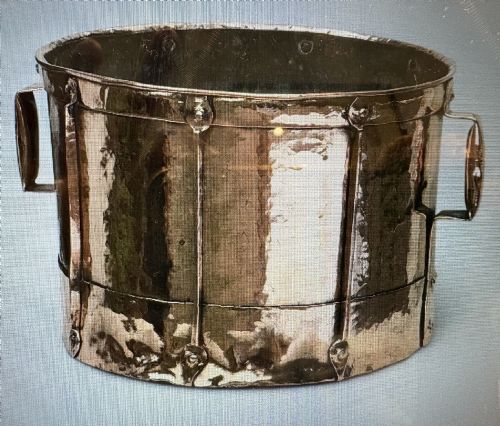
Cabinetmakers worked with solid woods including oak, walnut, satinwood, and pine, employing traditional joinery such as dovetailing and panel construction for bedside tables and cupboards. Metal components like brass ferrules, iron handles, and copper measures were integrated for functional durability.
What varies in quality
The distinction between ordinary utility wares and finer examples lies in the integrity of the glaze, the balance of the thrown form, and the depth of the patination. Confit pots with even, vibrant green glaze coverage and minimal kiln scars command attention for their visual impact.
For wooden storage pieces, the quality rests in the selection of timber grain, the crispness of carved details, and the survival of original hardware such as marble tops, tambour doors, and brass fixtures. Retained signs of honest domestic labour enhance the character of both the ceramics and the cabinetry.
The French Storage Pot Glossary
- Confit pot
- A traditional French earthenware jar utilised for storing and preserving meats, particularly duck or pork confit. These vessels usually feature handles and a glazed upper section.
- Terracotta
- A porous, unglazed or glazed fired red earthenware clay. It forms the robust body of many southern French garden pots and oil storage jars.
- Tin glaze
- An opaque white glaze produced by adding tin oxide to lead glaze, providing a smooth surface for painting on apothecary jars. This technique creates a distinctive milky finish.
- Tambour
- A flexible shutter made of narrow wooden slats glued to canvas, allowing smooth sliding closure on bedside nightstands and small cabinets.
- Patina
- The surface sheen and colour depth acquired by materials through age, handling, and use. It reveals the genuine history of an antique object.
French Storage Pot: Frequently Asked Questions
What were french storage pots used for?
These vessels served practical purposes in rural French households, primarily storing foodstuffs like preserved meats, olive oil, and grain. Confit pots kept fats sealed, while larger jars held provisions through winter.
Over time, many of these utilitarian containers transitioned from pantries to decorative roles in homes and gardens, appreciated for their earthy textures and historical presence.
How do I clean a terracotta storage jar?
Terracotta is a porous material that absorbs moisture easily, so you should clean it gently with a dry or barely damp cloth. Avoid harsh chemical detergents or soaking the vessel in water.
Allowing the pot to dry completely protects the historical surface and preserves any aged patina or residual glaze from damage.
Are all confit pots fully glazed?
Confit pots feature varying degrees of glaze, reflecting regional traditions and workshop practices from different parts of France. Some examples display a full green glaze over the entire body, while others show glaze only on the upper half and interior.
Uncovered lower sections expose the raw terracotta clay underneath, which often bears the marks of the potter's hands and the firing process.
How can I tell an eighteenth century jar from a nineteenth century one?
Earlier pieces from the eighteenth century typically display hand-thrown irregularities, thicker walls, and distinct brushwork on tin-glazed varieties like apothecary jars. Nineteenth-century examples often show more standardised potting techniques while retaining handmade qualities.
Examining the wear patterns, base construction, and glaze composition helps determine the approximate age and origin of each jar.