

French Standing Mirror
When you search for a french standing mirror, you seek a piece that combines practical glass with the decorative styles of the nineteenth and early twentieth centuries.
French Standing Mirror
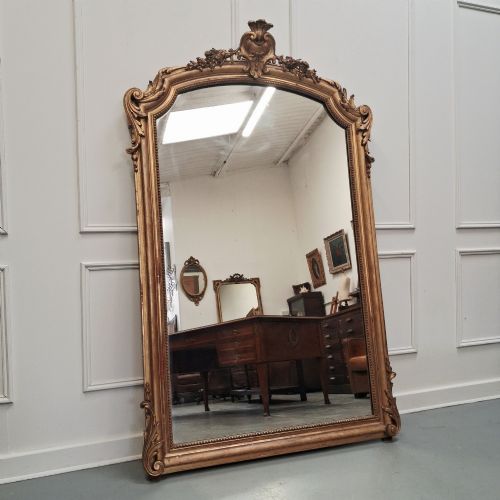
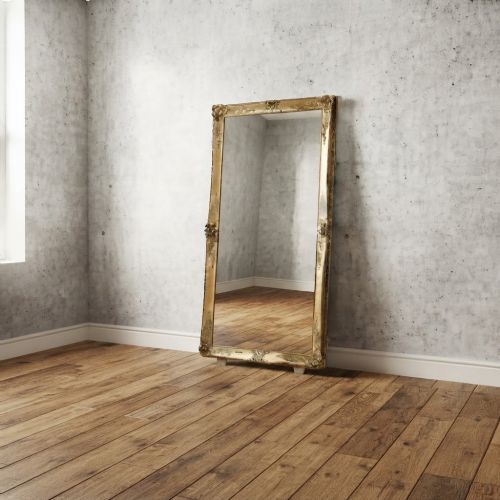
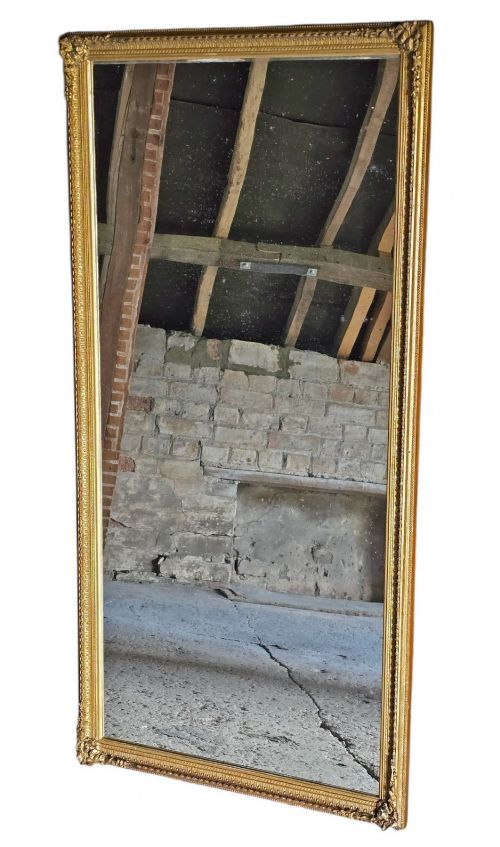
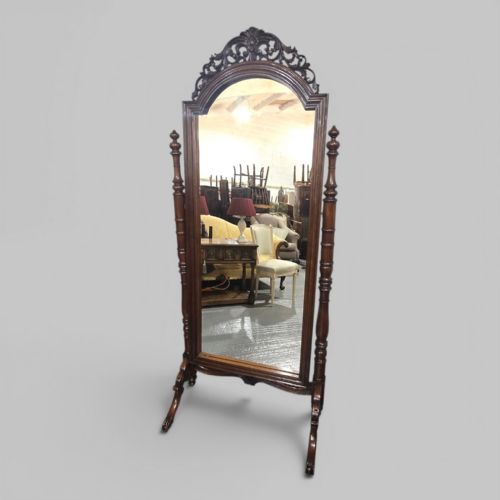
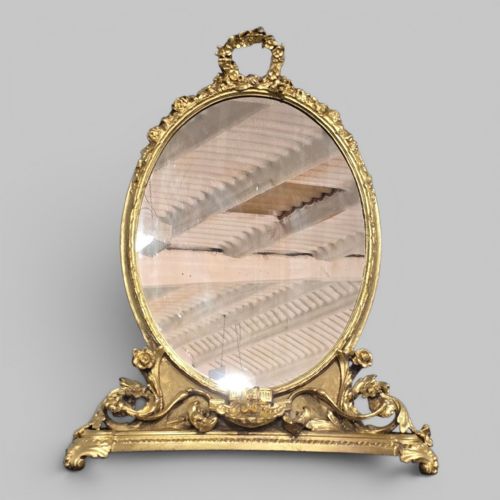
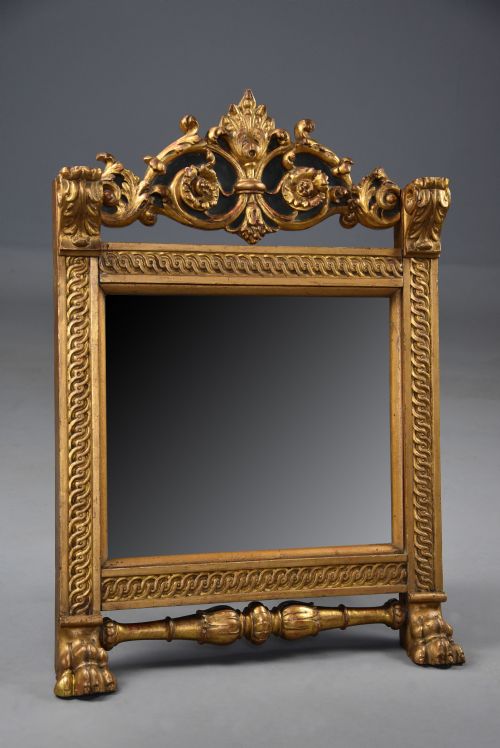
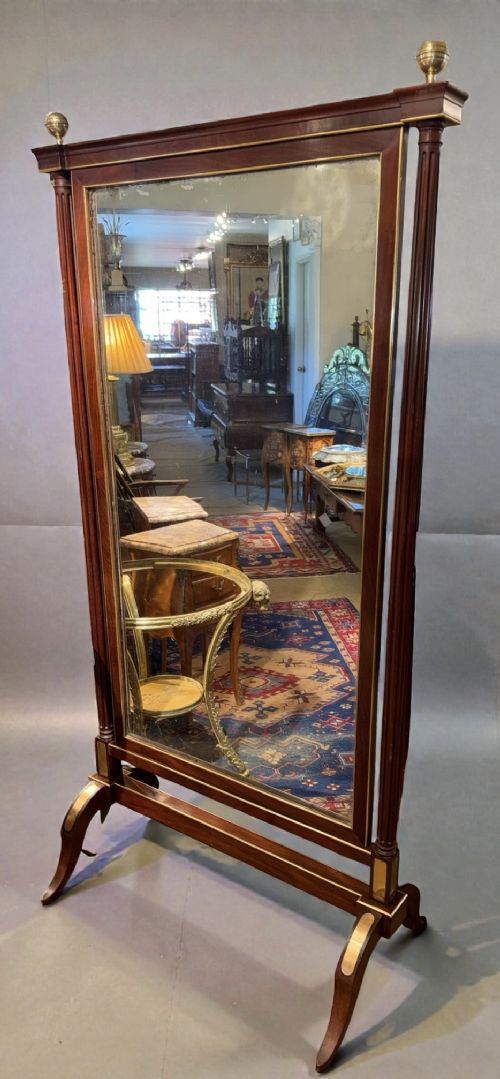
A french standing mirror encompasses several forms designed for the floor or tabletop, including cheval mirrors, leaner mirrors, and various dressing or vanity mirrors. These pieces span the nineteenth century into the twentieth century, appearing in styles from Rococo Revival and French Empire to Art Deco.
How they were made
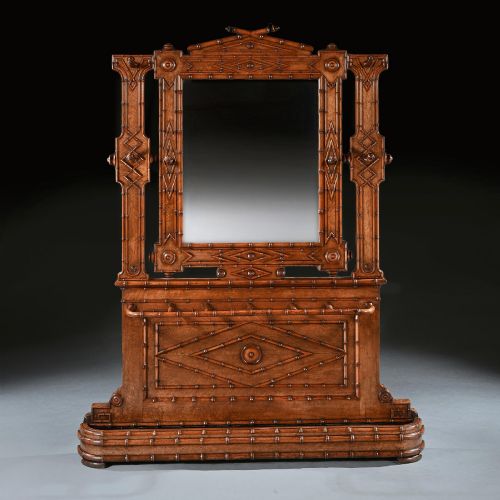
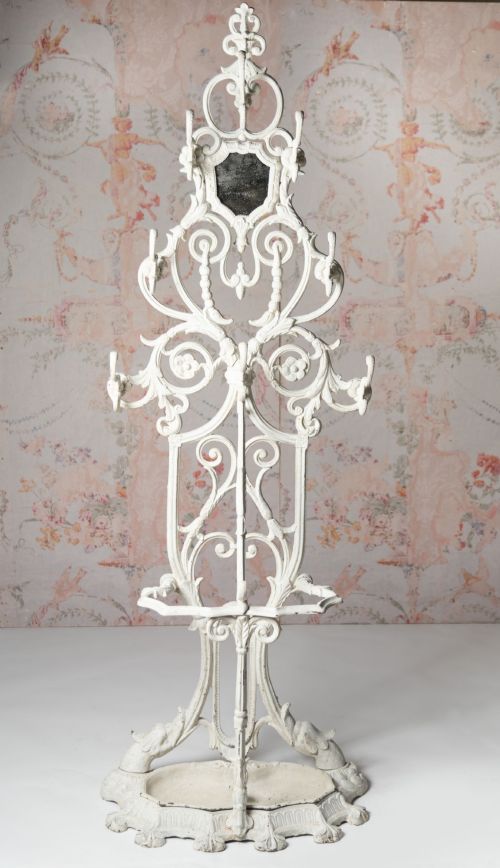
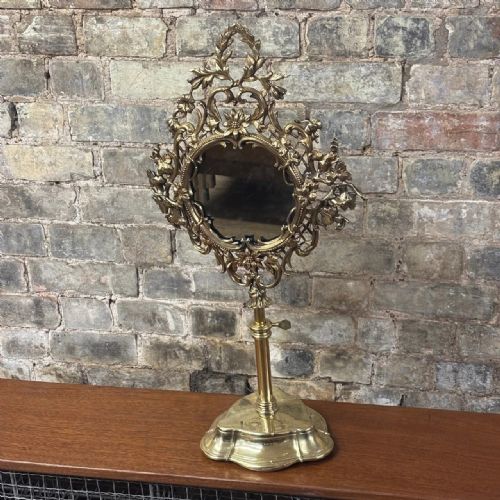
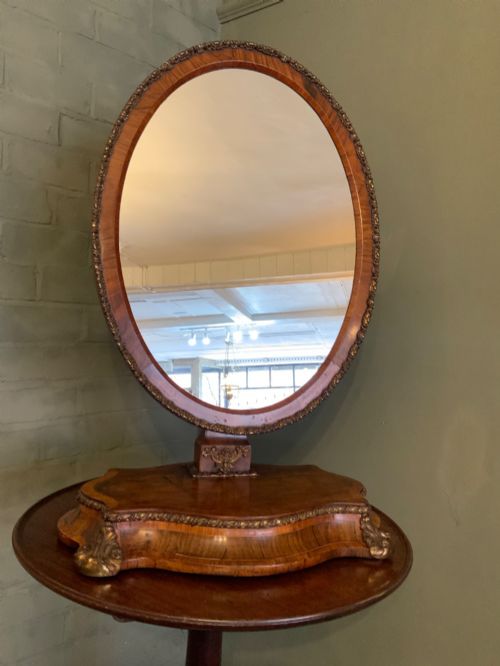
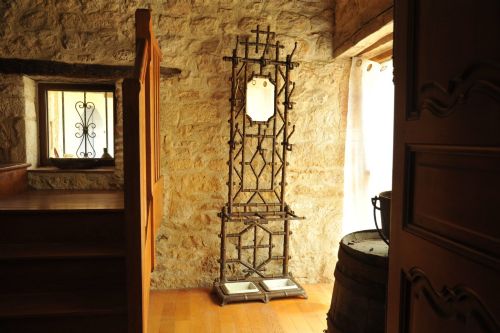
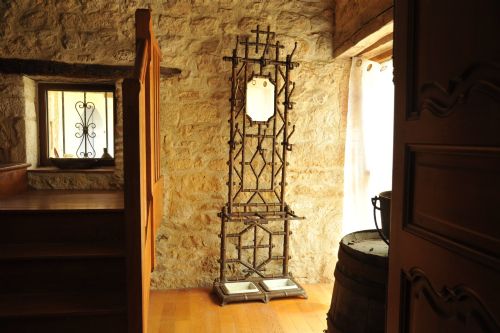
Craftsmen utilised timber carcasses of mahogany, walnut, and kingwood, often embellished with giltwood, gesso, or ormolu mounts. Cast iron and brass also appear, particularly in faux bamboo hall stands and smaller table mirrors.
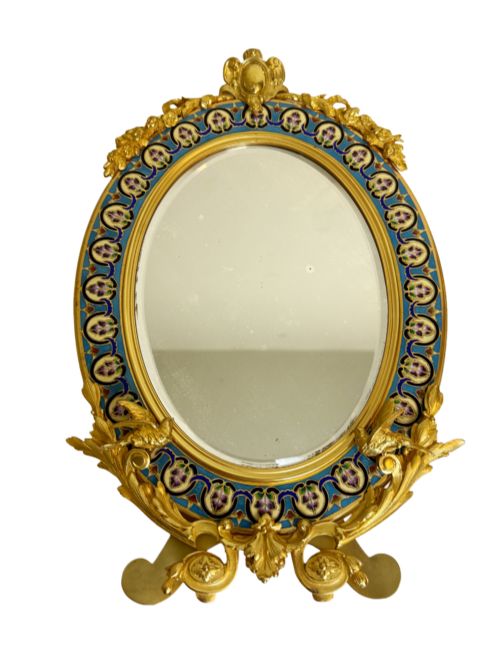
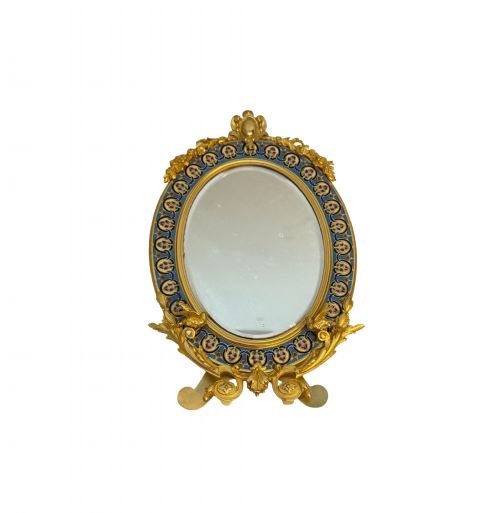
Metalwork involved champlevé enamel and gilt bronze, paired with bevelled glass plates. Surface decoration included hand-painted elements and water gilding to achieve rich metallic and timber finishes.
Several items combine mirror glass with coat and umbrella storage, serving dual morning and evening domestic duties.
What varies in quality
The distinction between tiers rests upon the depth of hand-carving in the wood or gesso and the precision of the cast ormolu and champlevé work. Elaborate framing with integrated bronze mounts or finely figured flame mahogany indicates superior craftsmanship.
Simpler constructed pieces utilise basic turned wood or plain brass, whereas higher examples display intricate Rococo scrolls, architectural trumeau elements, or balanced cheval frames with original adjustable hardware.
The French Standing Mirror Glossary
- Cheval mirror
- A freestanding mirror suspended on a vertical frame with pivots that allow the glass to tilt. This form became popular for full-length dressing during the eighteenth and nineteenth centuries.
- Ormolu
- Gilded bronze applied to furniture and mirror frames as decorative mounts. The technique involves creating an amalgam of gold and mercury.
- Champlevé
- An enamelling technique where troughs are dug into a metal surface and filled with vitreous enamel before firing. It frequently decorates nineteenth-century brass table mirrors.
- Trumeau
- A decorative mirror set into a wall panel or over a mantel, often featuring painted panels or carvings above the glass. These originate from French interior design traditions.
- Gesso
- A plaster-like mixture applied to wood frames to create a smooth surface for gilding or painting. It allows for crisp, moulded ornamentation.
French Standing Mirror: Frequently Asked Questions
What is a cheval mirror?
A cheval mirror is a full-length glass set within a vertical standing frame, usually held by pivots so the user can tilt the angle.
These pieces were designed for dressing rooms and bedrooms to provide a complete view of attire.
How do I identify French Empire style?
French Empire pieces typically display rich flame mahogany veneers, classical proportions, and heavy gilt bronze or ormolu mounts.
They draw inspiration from ancient Roman and Greek design, favouring symmetry and architectural authority.
Where were these mirrors placed?
Floor-standing and leaner mirrors sat directly against bedroom or boudoir walls, while smaller toilet and vanity versions stood upon dressing tables.
Table models often featured adjustable stands for close-up grooming.
What materials are common in these pieces?
Common materials include hardwoods like mahogany and walnut alongside decorative finishes such as giltwood, gesso, and painted surfaces.
Metal components like brass, bronze, and ormolu provide structural support and ornamental detail.