

Nineteenth Century Gilded Mirror
A nineteenth century gilded mirror brings depth and a warm metallic reflection to a room, spanning grand overmantels and delicate pier glasses.
Nineteenth Century Gilded Mirror
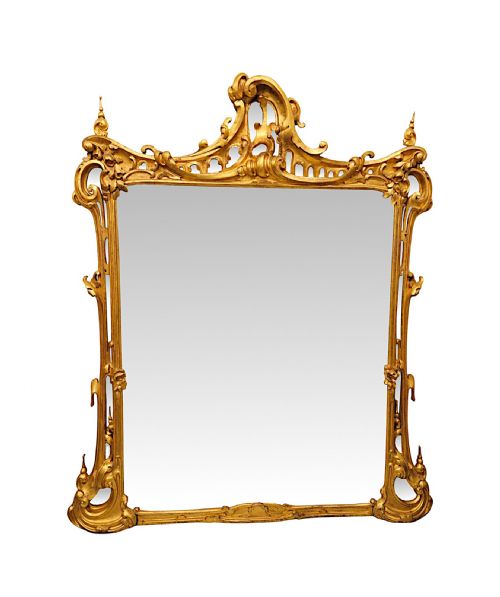
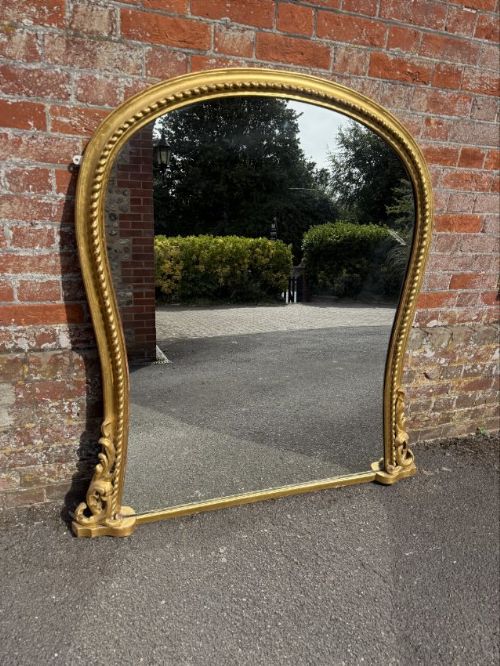
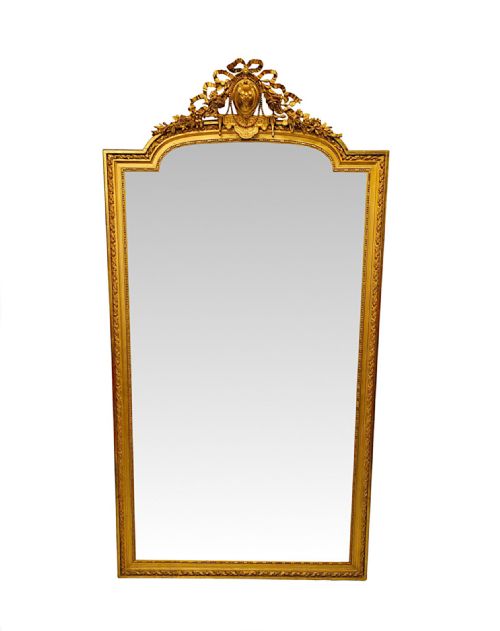
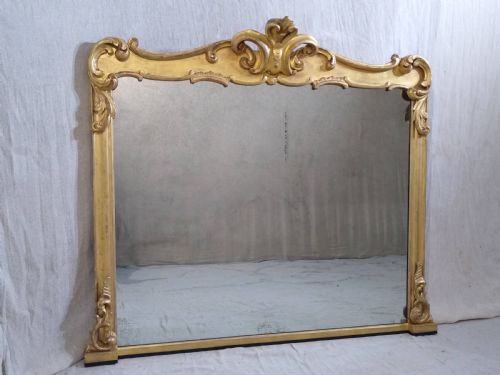
A nineteenth century gilded mirror encompasses a variety of forms designed to hang on walls or sit above fireplaces, including large overmantel mirrors and tall pier mirrors. These pieces originate from English and French workshops, utilising styles that range from restrained Regency designs to ornate Rococo Revival and Louis XVI schemes.
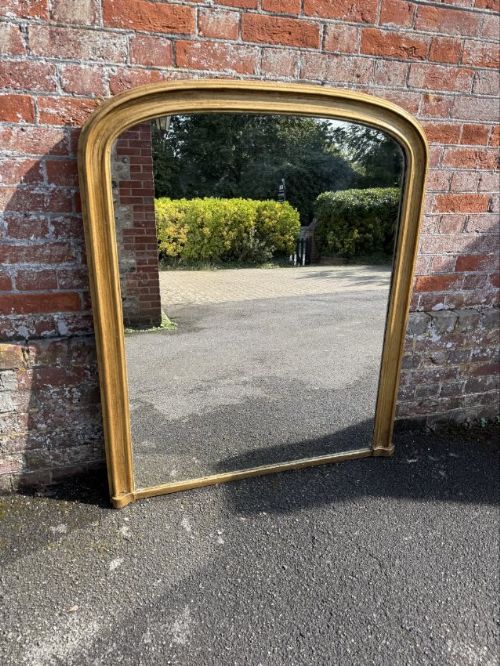
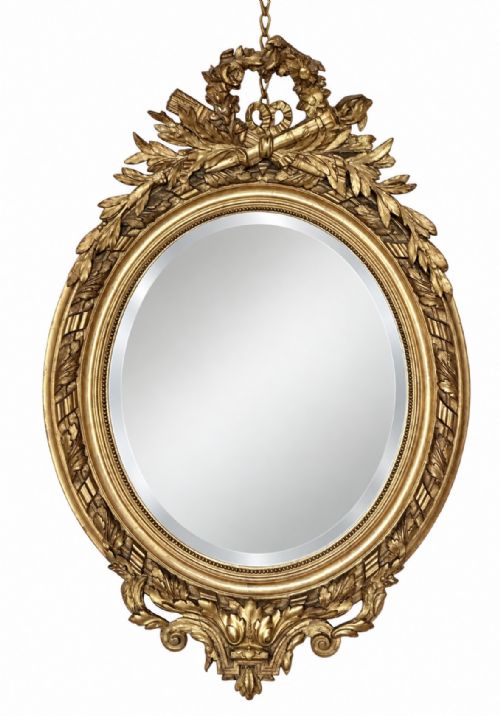
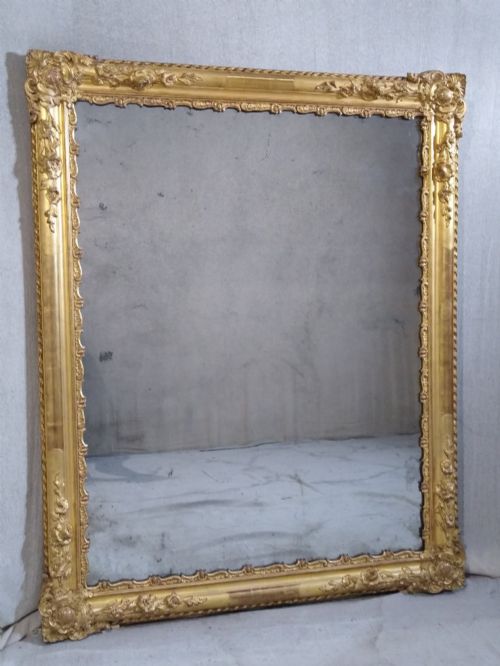
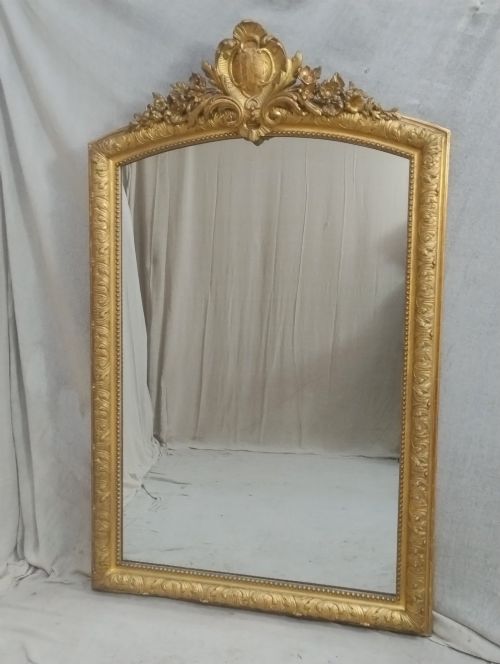
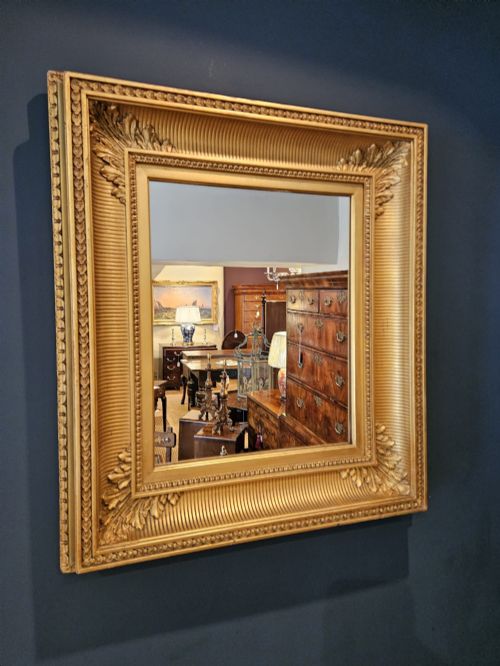
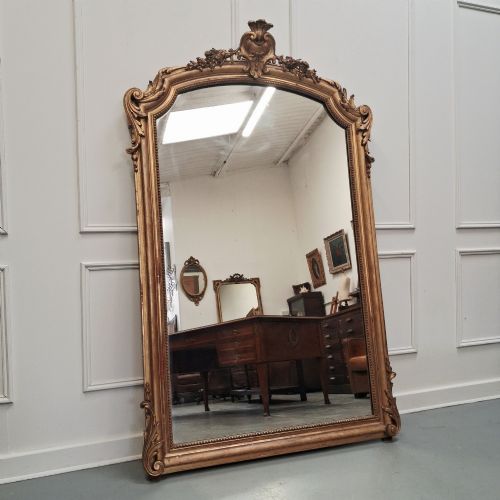
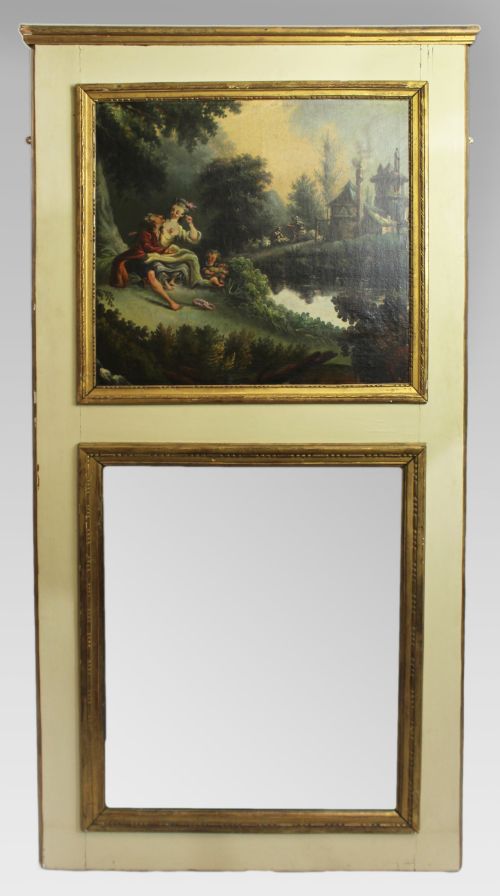
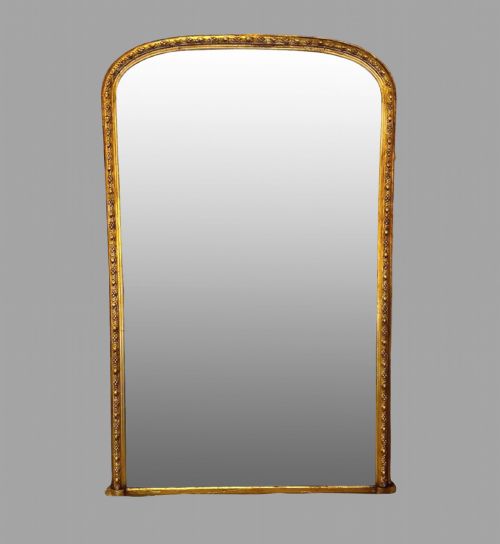
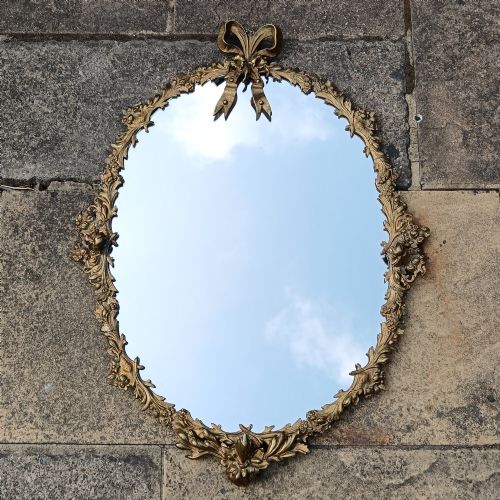
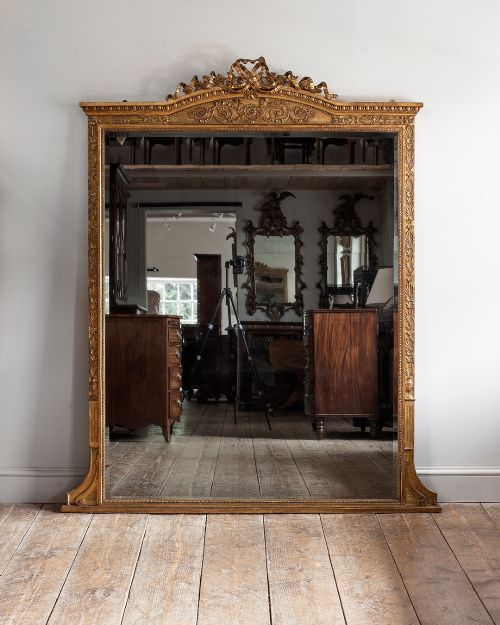
The version most commonly encountered on this page is the large overmantel mirror, often arched at the top and framed in carved wood and gesso. Buyers also find cushion frames, oval wall mirrors, and trumeau mirrors inset with pastoral oil paintings or decorative panels.
How They Were Made
Carvers shaped wooden foundations from timber such as pine or hardwood, then applied layers of gesso to build up intricate surface details. Artisans laid gold leaf or used parcel gilding and paint over the prepared gesso ground to achieve a bright or burnished metallic finish.
Mirrors relied on silvered glass plates, sometimes taking the form of original bevelled glass or triple plate configurations. Frames incorporated applied composition ornaments for repetitive motifs like acanthus leaves and flowers, secured alongside hand-carved elements.
Nineteenth Century Gilded Mirror Retail Price Guide 2026
Typical asking prices for nineteenth century gilded mirror among the pieces listed under this phrase on Sellingantiques today, from the lower quarter to the upper quarter. They describe what is for sale here now, not the wider market.
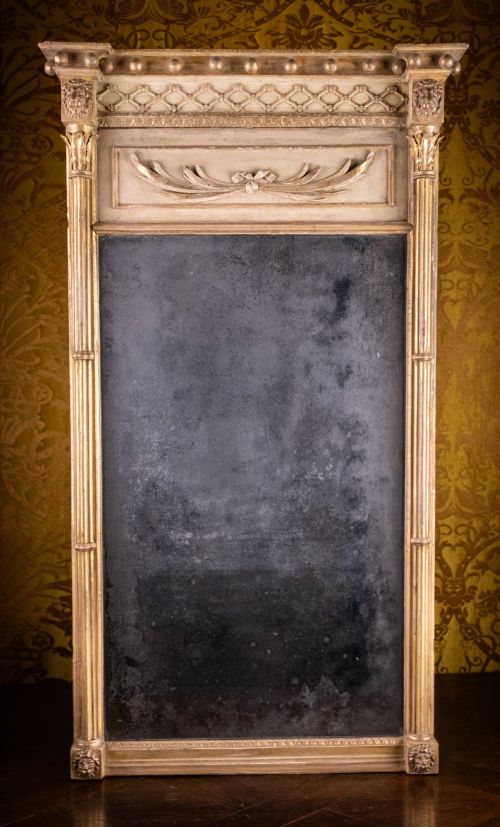
Lion masks peer out from Regency frames, keeping a silent, gilded watch over centuries of domestic life.
What Varies in Quality
The standard of carving and the crispness of gesso ornamentation define the ambition of the piece, distinguishing deeply undercut hand-worked foliage from simpler moulded composition. The integrity of the original gilding and the depth of the gold leaf layer dictate how light catches the surface over time.
Proportion and scale play a crucial role in establishing balance, particularly on large overmantel and trumeau formats where heavy architectural presence requires careful joinery. Surviving original glass plates and untouched backing boards add historical weight to the piece.
The Nineteenth Century Gilded Mirror Glossary
- Gesso
- A plaster-based mixture applied to wood frames to create a smooth surface for gilding. Carvers cut and stamped details directly into this ground.
- Giltwood
- Timber that has been covered with gold leaf. This material forms the primary structure of many formal nineteenth century mirrors.
- Overmantel mirror
- A wide mirror specifically proportioned to hang on the wall directly above a fireplace mantelpiece. These often feature arched tops or triple plates.
- Trumeau mirror
- A decorative wall mirror combined with an upper painted panel or carved wooden artwork. Originating in French interiors, the style integrates mirror glass directly into wall panelling.
- Verre eglomise
- A technique involving cold painting and gilding on the reverse side of glass. This method creates decorative borders or pictorial panels within mirror frames.
Nineteenth Century Gilded Mirror: Frequently Asked Questions
Where should I hang a large overmantel mirror?
These mirrors traditionally anchor the space directly above a fireplace mantelpiece, reflecting light and the room below.
They also function effectively on main living room walls to increase the perceived scale and brightness of the interior.
How do I identify French styles from English ones?
French examples often lean towards Louis XV, Louis XVI, or Louis Philippe frameworks, incorporating delicate cartouches, ribbons, and pastoral painted panels.
English pieces frequently display Regency robustness, lion masks, or Chippendale influences with heavier architectural framing.
Are the mirror plates original?
Many pieces retain their original silvered glass, which can display characteristic foxing, age spots, and subtle distortion.
Some listings note new or replacement glass where the original plate could not be preserved through the centuries.