


Victorian Gilt Mantle Mirror
A victorian gilt mantle mirror brings grand nineteenth-century proportion and reflective light directly onto a drawing room wall or above a fireplace.
Victorian Gilt Mantle Mirror
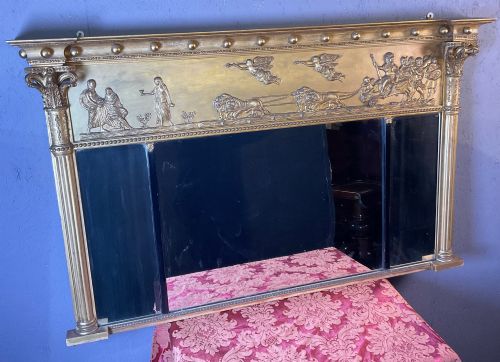
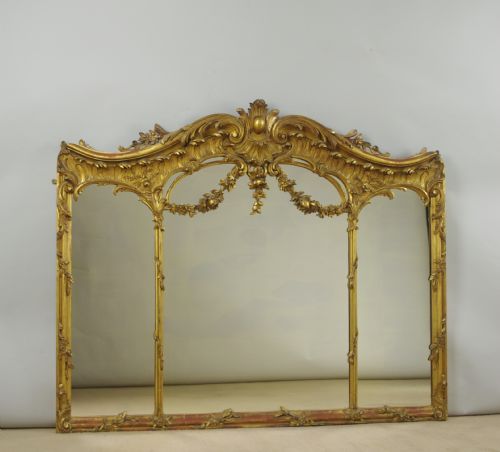
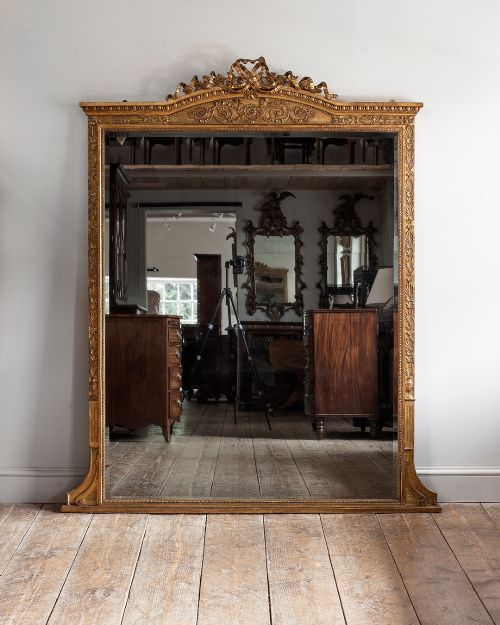
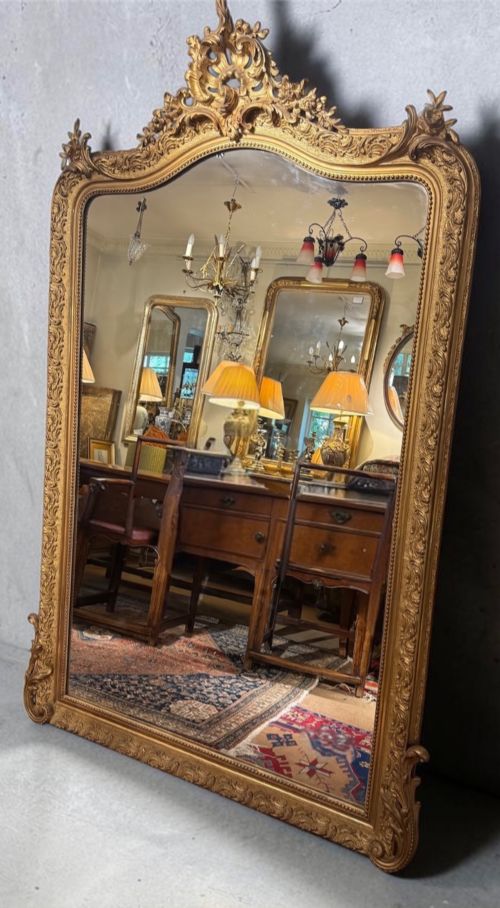
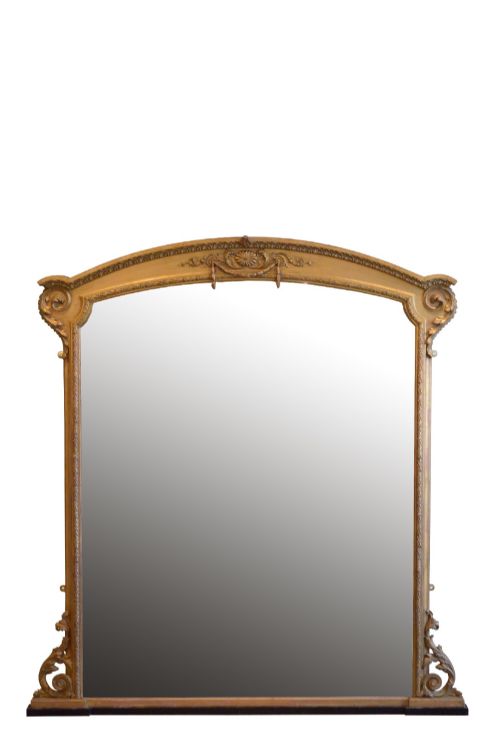
A victorian gilt mantle mirror typically spans a generous horizontal or vertical format designed to sit proudly above a chimney breast. These large rectangular or arched pieces reflect ambient light and visually expand the domestic interior.
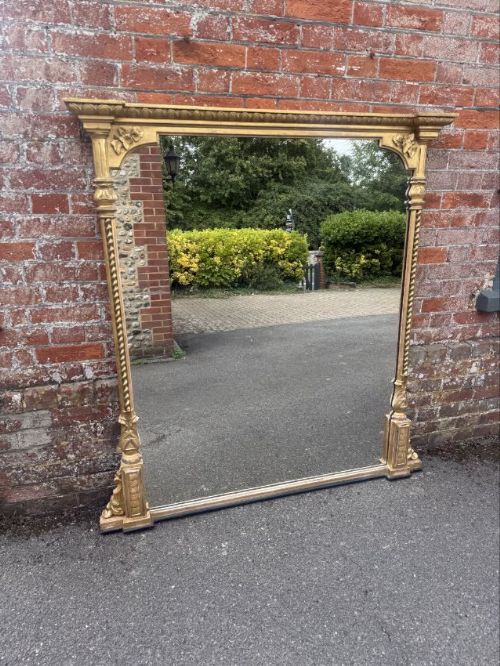
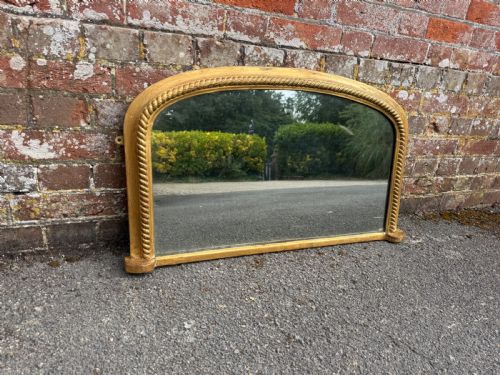
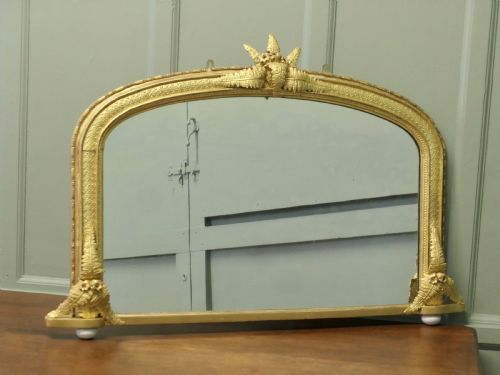
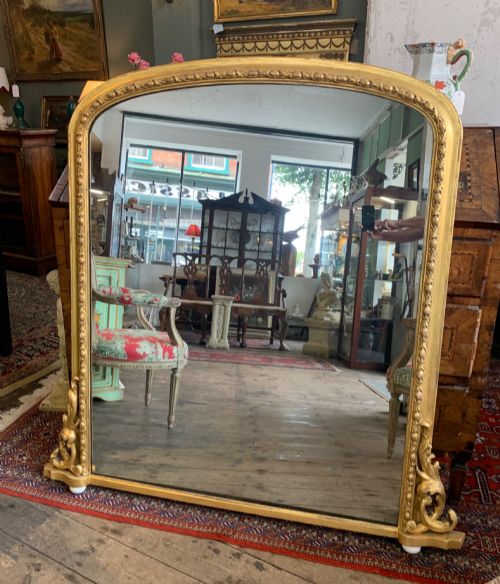
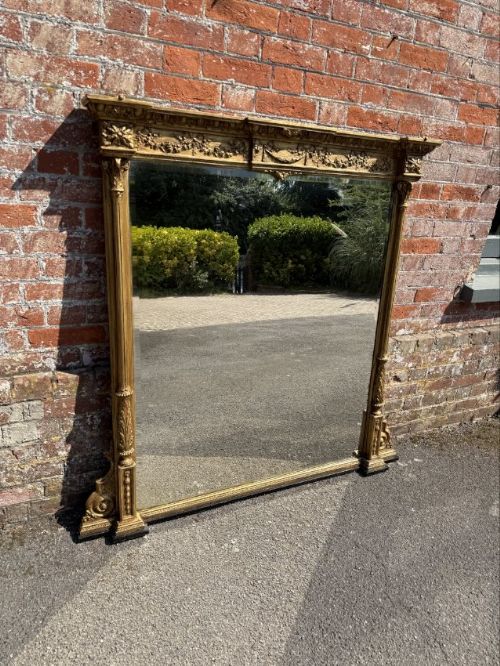
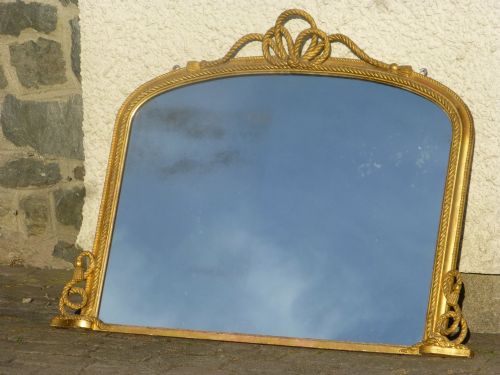
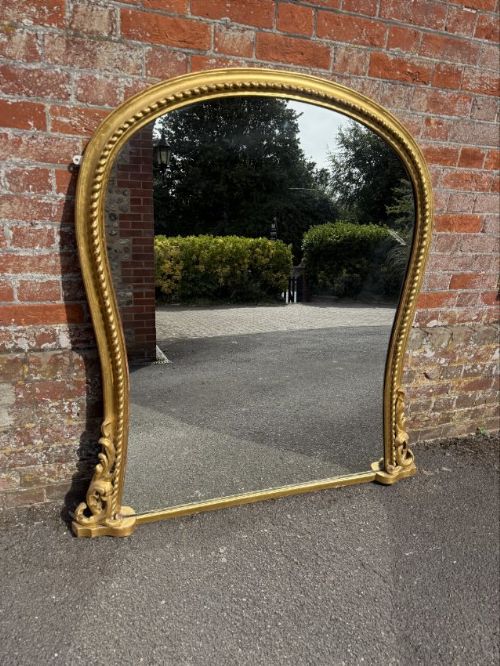
The predominant form met in these archives is the English or French overmantel mirror, frequently featuring an arched top, rope twist frames, or column details. Makers constructed these items to dominate a reception room during the nineteenth century.
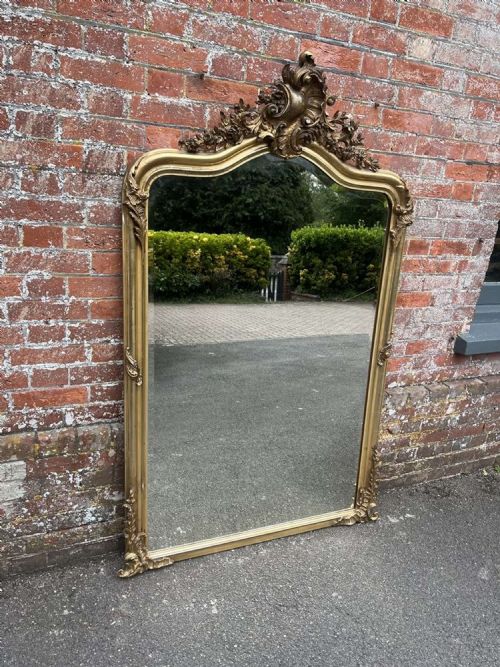
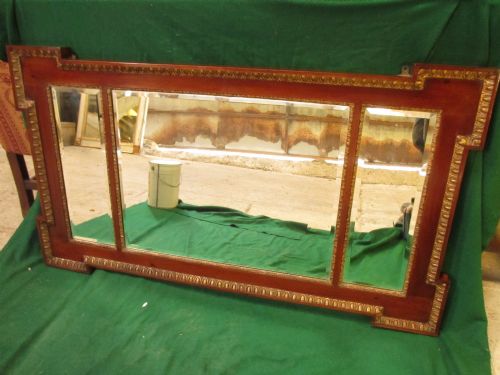
Examples range from simple gilded wooden mouldings to elaborate triple plate configurations incorporating ebonised highlights and carved cartouches. The overarching style draws heavily on French Rococo Revival and Regency design vocabularies.
How They Were Made
Craftsmen shaped the foundational structure from timber such as mahogany or pine, laying down layers of gesso to build up intricate surface reliefs. This plaster mixture allowed artisans to carve deep rope twists, columns, and floral motifs before applying the final metallic finish.
Guilders applied thin sheets of gold leaf or gold paint over the prepared gesso ground to achieve the characteristic warm metallic glow. Many pieces also integrate mirror glass panels secured within rebated wooden frames.
Victorian Gilt Mantle Mirror Retail Price Guide 2026
Typical asking prices for victorian gilt mantle mirror among the pieces listed under this phrase on Sellingantiques today, from the lower quarter to the upper quarter. They describe what is for sale here now, not the wider market.
The archive records frequent variations including ebonised parcel-gilt frames, triple plate configurations, and distinct arched top profiles.
What Varies in Quality
The depth and crispness of the carved gesso ornamentation separate standard production from exceptional examples. Skilled modellers produced sharp undercutting on floral motifs and rope twists, whereas lesser pieces show softer, shallower relief work.
The integrity of the original mercury or silvered mirror glass and the retention of the primary gilding dictate the overall character. Superior items display well-preserved gold leaf surfaces and heavy, clear glass plates without excessive clouding.
The Victorian Gilt Mantle Mirror Glossary
- Gesso
- A plaster-based mixture applied to wood frames to create a smooth surface for carving and gilding. This material takes fine detail well before the gold leaf is laid down.
- Overmantel
- A large mirror specifically proportioned to hang on the wall directly above a mantelpiece or fireplace. These items form a focal point in nineteenth-century reception rooms.
- Giltwood
- Timber that has been coated with gold leaf or gold paint to simulate solid gold. The technique creates a reflective surface that catches candle and window light.
- Triple plate
- A mirror construction featuring three distinct glass panels set side by side within a single frame. This layout widens the reflective expanse across the chimney breast.
- Cartouche
- An ornamental tablet or oval frame motif, often scrolled or carved with heraldic details. It frequently anchors the apex of an arched mirror frame.
Victorian Gilt Mantle Mirror: Frequently Asked Questions
How do I hang a heavy overmantel mirror safely?
These substantial wooden frames require secure fixings anchored directly into masonry or heavy wall studs to bear the significant weight safely.
Professional mirror hangers typically utilise heavy-duty steel brackets or mirror plates attached to the structural frame rather than relying on decorative wire.
Were these mirrors always meant for fireplaces?
Nineteenth-century interior design positioned these large reflective plates predominantly above hearths to bounce light around dark Victorian rooms.
Homeowners also mounted them on principal drawing room walls as standalone statement pieces to increase the illusion of space.
How do I clean antique gilt frames without damage?
Dusting the carved gesso and gold leaf surfaces requires a very soft, dry brush to prevent dislodging brittle nineteenth-century material.
Moisture and modern chemical cleaners strip the historic gilding instantly, so water must stay away from both the wood and the glass edges.
What indicates a French style rather than English?
French influence manifests through flamboyant Rococo Revival asymmetry, scrolling foliage, and pronounced shaped crests rather than strict architectural symmetry.
English interpretations tend to favour balanced architectural columns, rope twist borders, and more restrained arched timber frames.