

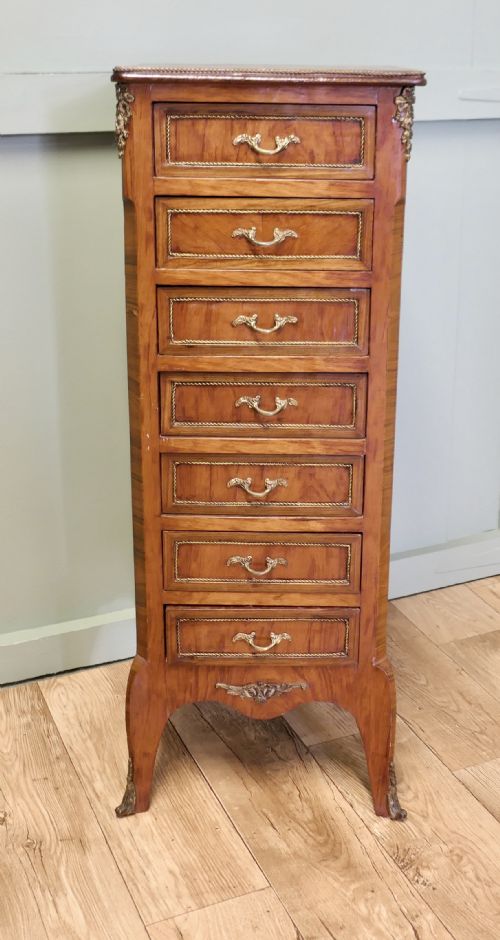
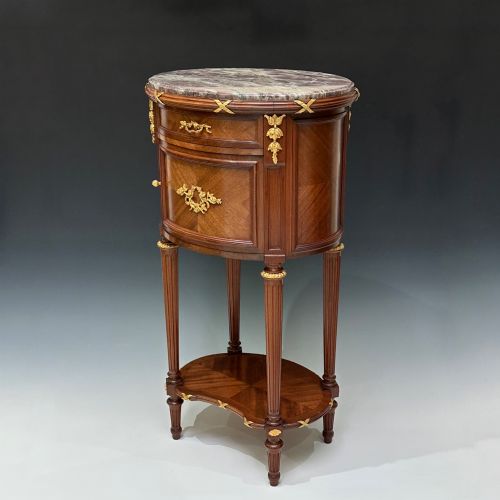
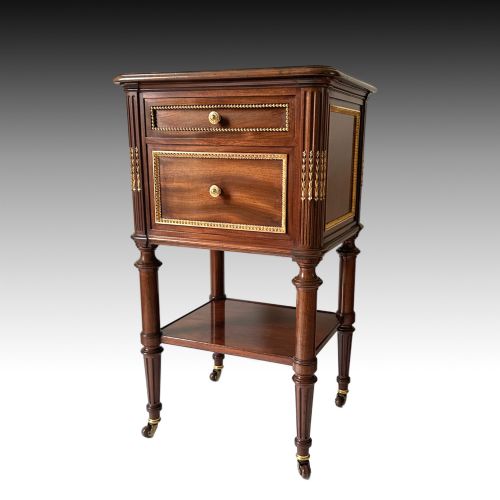
French Side Cabinet
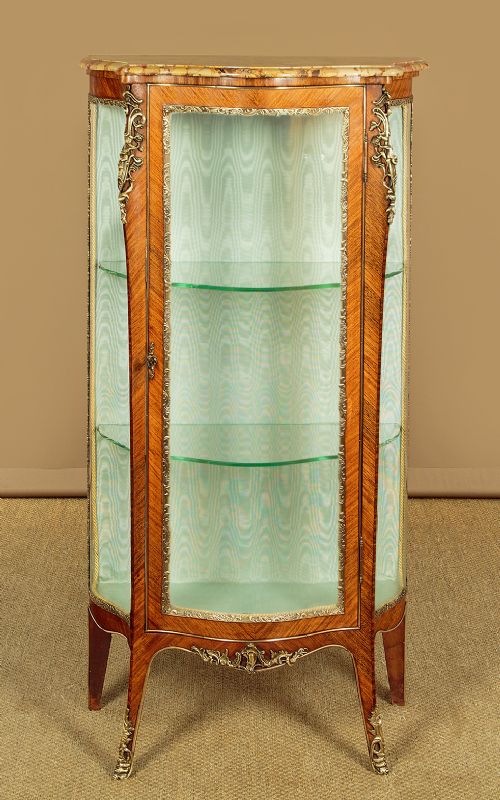
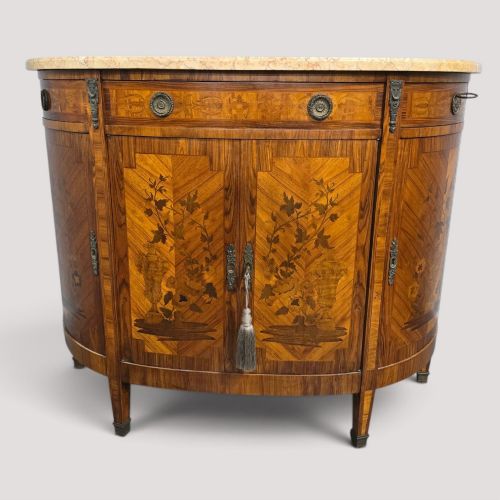
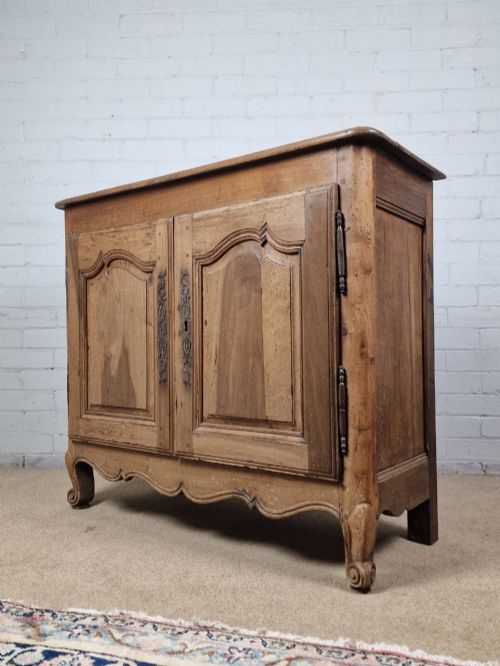
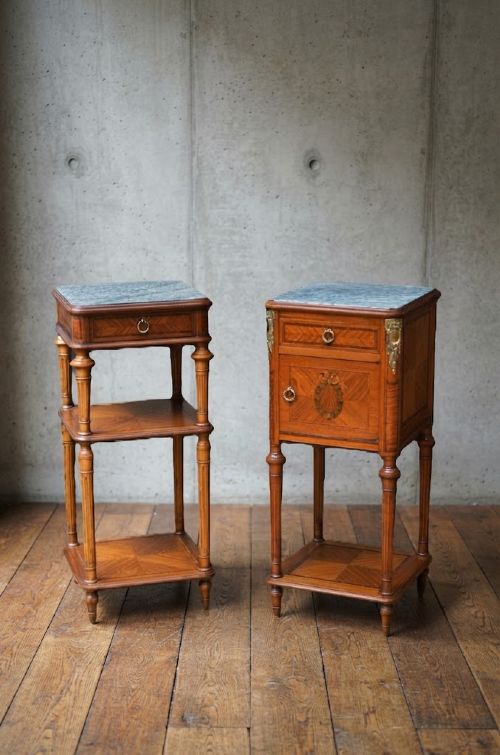
A french side cabinet brings continental elegance to an interior, offering compact display or storage through walnut, mahogany, or oak bodies topped with marble.
The Forms of French Side Cabinets
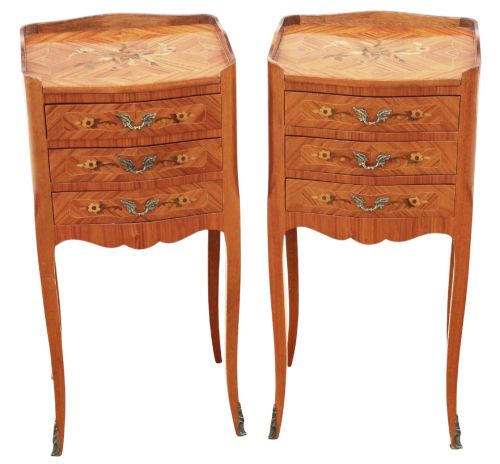
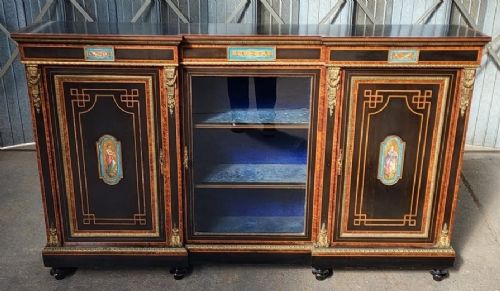
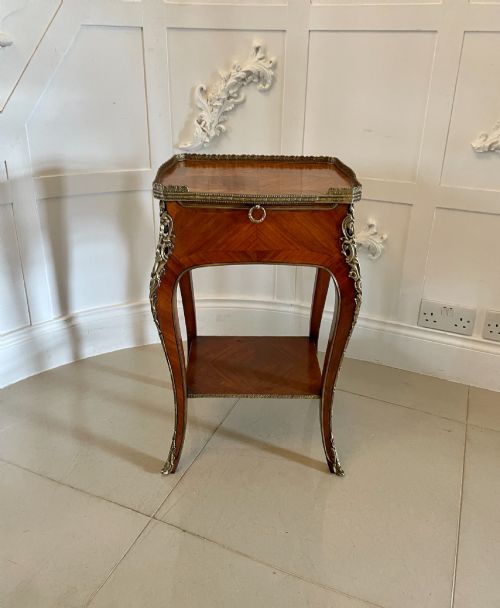
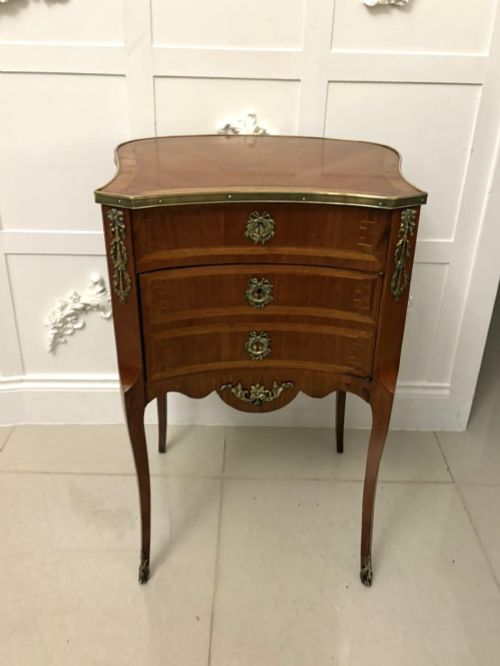
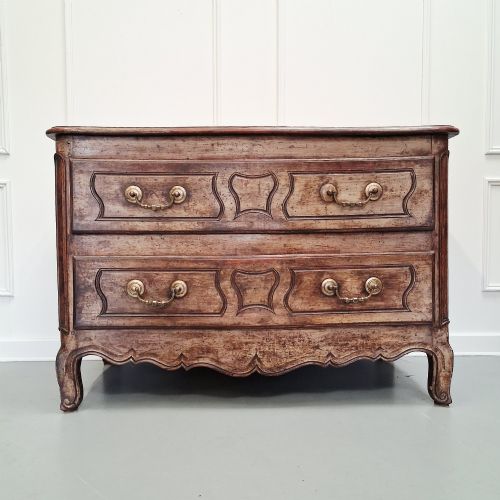
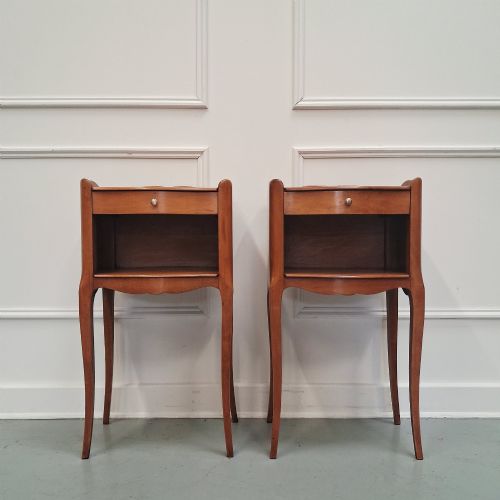
When searching for a french side cabinet, buyers encounter a diverse selection of nineteenth-century and twentieth-century furnishings designed for domestic utility and display. The range encompasses bedside tables, chests of drawers, pier cabinets, and glazed vitrines originating from various regional traditions and revival periods.
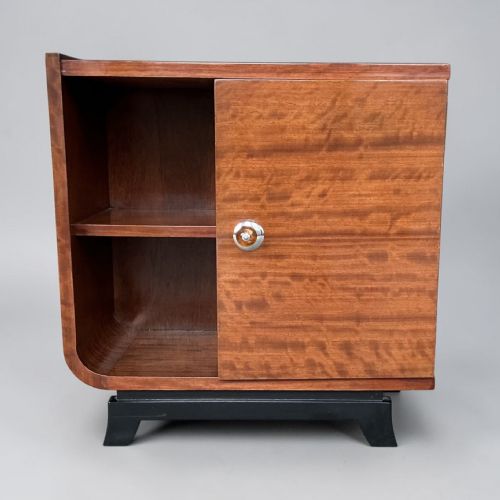
Most examples found on this page span the nineteenth century up to the nineteen-thirties, reflecting Louis XV, Louis XVI, and Art Deco design aesthetics. These pieces typically combine enclosed lower storage or bedside utility with decorative surfaces suited to formal rooms or intimate chambers.
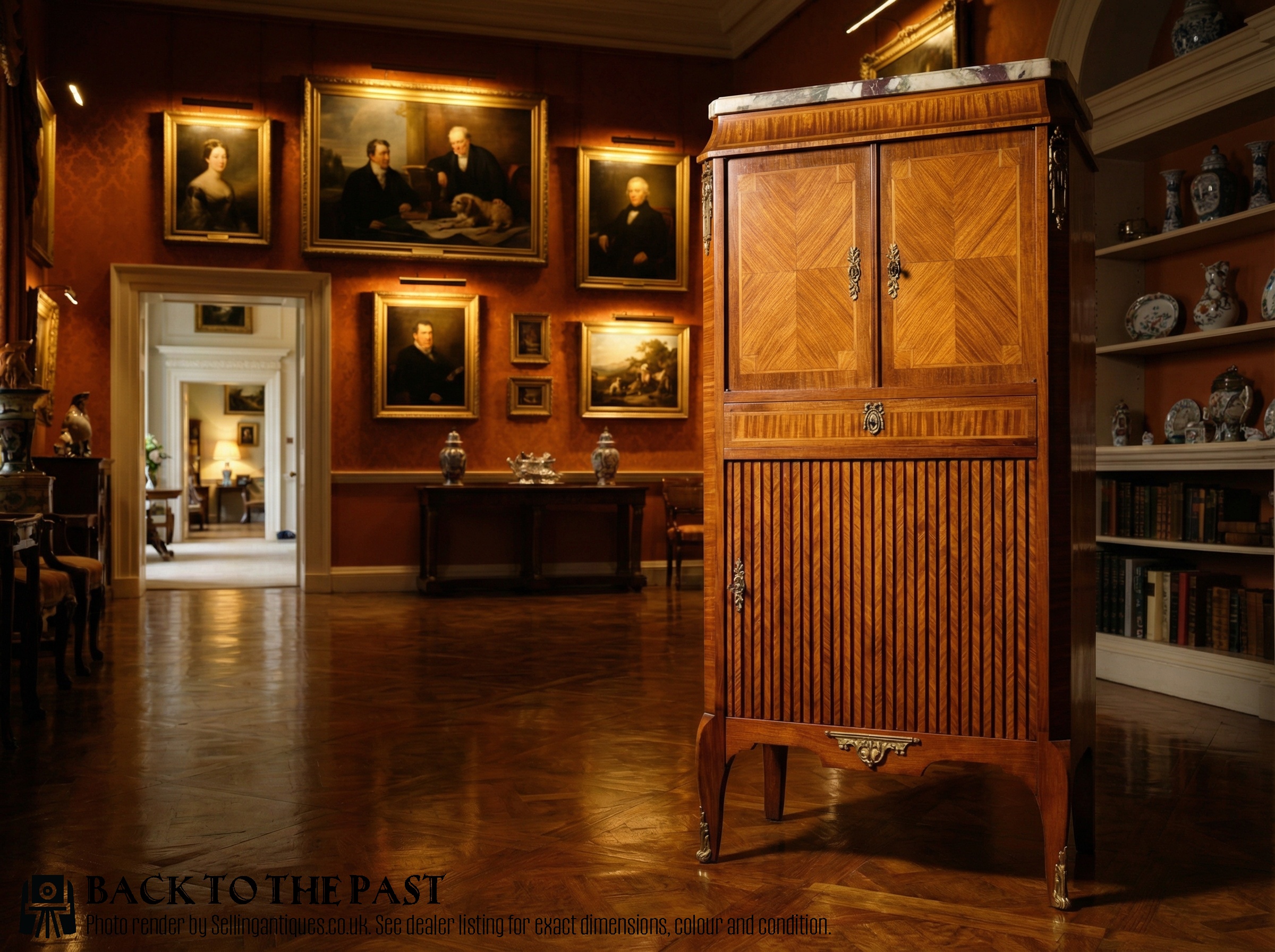
Materials and Construction
Cabinet makers utilised a rich palette of hardwoods including walnut, kingwood, rosewood, oak, mahogany, fruitwood, and cherry. Surfaces frequently showcase intricate marquetry, parquetry, or boullework, demonstrating high levels of joinery skill.
Many cabinets incorporate inset marble slabs to the upper surface, accompanied by cast or chased ormolu mounts, brass embellishments, and glass panels for display compartments.
Retail Price Guide 2026
Typical UK retail prices for french side cabinet, calculated from the Sellingantiques database of over a million retail prices indexed since 2003. This retail price guide relies exclusively on Sellingantiques data; no external sources or auction records are used, so the figures do not describe the wider market.
The listings feature nineteenth-century items alongside nineteen-thirty Art Deco pieces, constructed in walnut, oak, and mahogany.
Distinctions in Execution
The division between standard and superior pieces rests upon the crispness of the bronze ormolu mounts and the precision of the wood veneers. Finer items exhibit hand-carved detailing and seamless marquetry inlay across complex curved surfaces.
Originality of components, such as unbroken marble tops and matching brass hardware, elevates a piece significantly beyond examples with replaced elements or later restorations.
Edward Holmes Baldock·Linke·Monbro
The French Side Cabinet Glossary
- Ormolu
- Gilded bronze mounts applied to furniture for decorative enrichment. These metallic elements add architectural definition to the cabinet corners and aprons.
- Marquetry
- Decorative veneer patterns formed from pieces of contrasting wood fitted into a backing. Master cabinet makers used this technique to create elaborate floral or geometric designs.
- Vitrine
- A glass-fronted display cabinet designed to showcase porcelain and small collectibles. The transparent panels protect delicate objects while allowing full visibility.
- Chevet
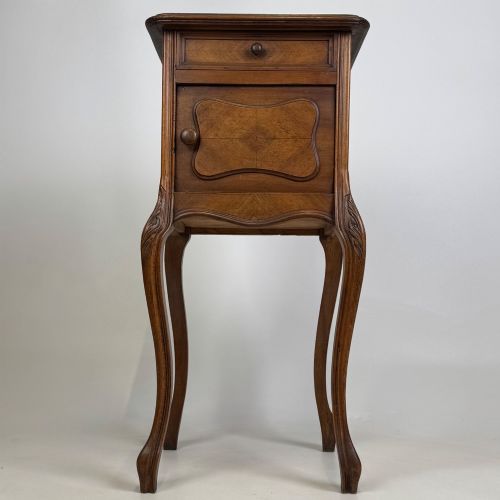
- A French term for a bedside table or small bedside cabinet. These compact units usually feature a single drawer above a small cupboard door.
- Boullework
- A style of marquetry utilising tortoiseshell and brass inlaid in a distinctive counter-change manner. Named after the royal cabinet maker André-Charles Boulle, it creates a dramatic metallic sheen.
Frequently Asked Questions
What is a french side cabinet used for?
These versatile pieces serve multiple domestic functions depending on their specific form, operating as bedside tables, lamp stands, or compact storage units in a reception room.
Glazed versions display ceramics and glassware, while marble-topped variants provide durable surfaces for daily utility.
How do I identify Louis XV style?
Louis XV style furniture is characterised by flowing asymmetrical lines, cabriole legs, and naturalistic floral carvings. The overall silhouette avoids straight lines in favour of graceful curves.
Ormolu mounts on these pieces typically echo plant motifs and scrollwork.
Are marble tops original?
Original marble tops fit flush within the wooden rebate of the cabinet frame and match the specific period of the carcass. They often feature moulded edges consistent with nineteenth-century stone-cutting techniques.
Variations in veining and colour confirm the natural origin of the stone.
How do I clean marble and ormolu?
Marble requires gentle wiping with a damp cloth and mild neutral soap to prevent staining from acidic liquids. Avoid abrasive cleaners that scratch the polished surface.
Ormolu mounts should be dusted dry with a soft brush, leaving historical patination undisturbed.
What is the difference between a pier cabinet and a bedside table?
Pier cabinets are taller display pieces traditionally designed to stand against the wall space between windows. They frequently feature glazed doors or open shelving for ornamental objects.
Bedside tables, or chevets, are smaller scaled for domestic sleeping quarters with enclosed lower storage.