


French Rococo Wall Table
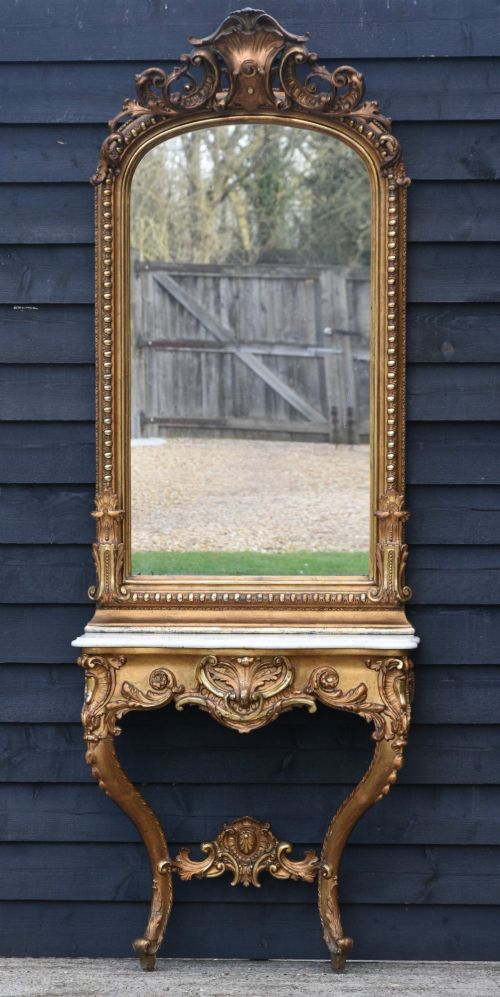
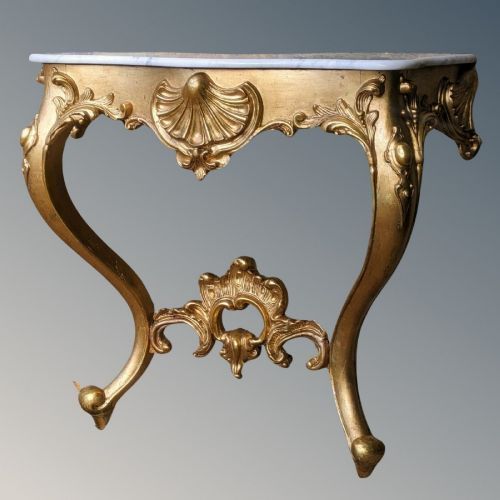
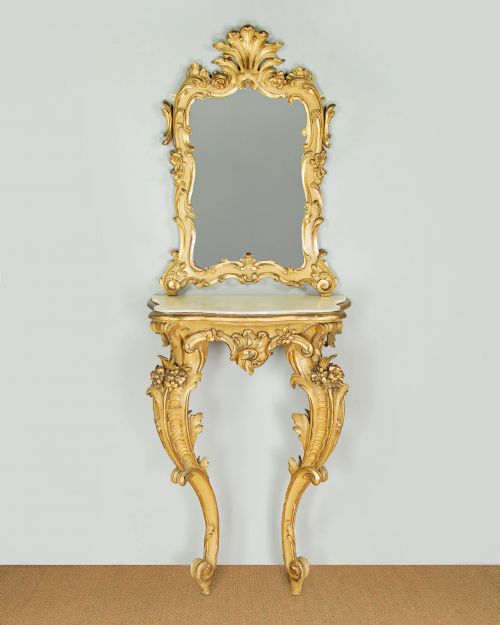
A french rococo wall table brings exuberant serpentine curves and gilded carving to a room, functioning as a striking focal point beneath a pier mirror.
French Rococo Wall Table
A french rococo wall table is typically encountered as a console, pier table, or side table designed to anchor against a wall, frequently accompanied by a matching mirror. The selection spans from authentic eighteenth-century examples to nineteenth-century revivals and later twentieth-century interpretations.
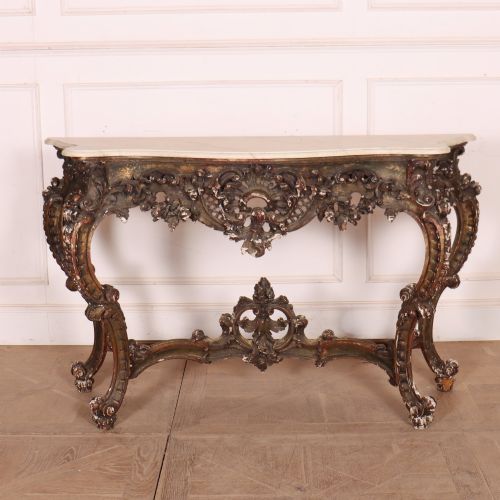
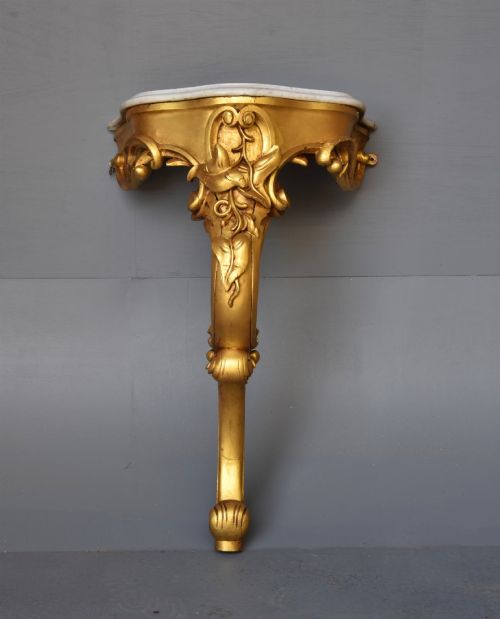
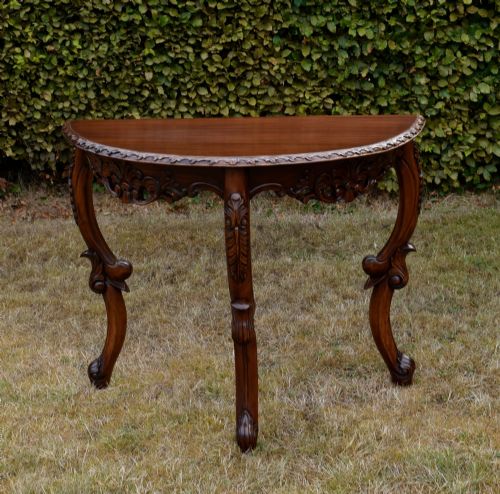
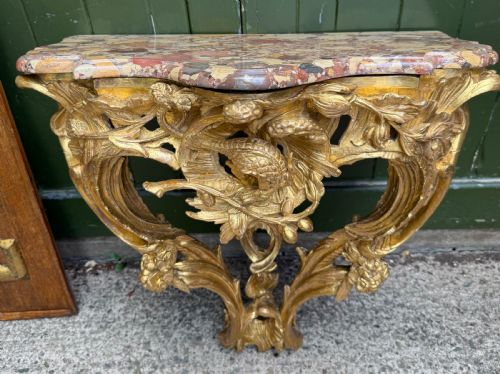
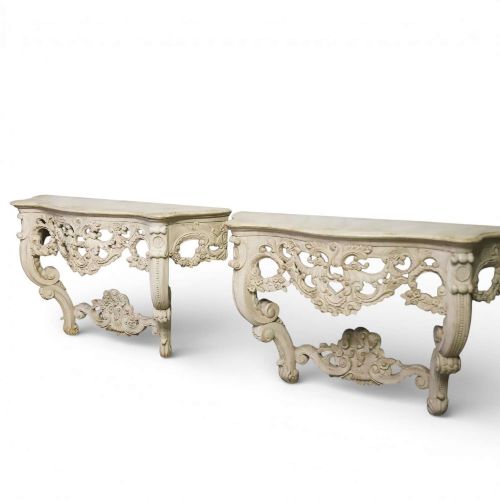
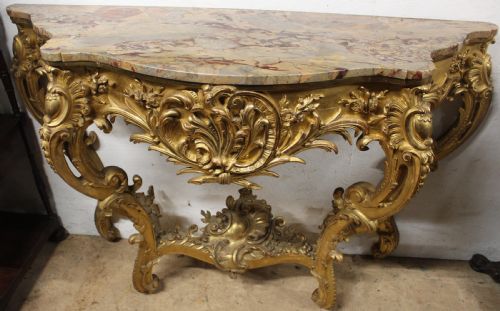
The physical form relies heavily on serpentine fronts, demi-lune shapes, and robust wall-mounted or freestanding frames. These pieces function historically to display decorative objects in reception rooms, halls, and grand interiors.
Materials and Construction Techniques
Makers primarily utilised carved wood, gesso, and timber frameworks finished with gold leaf, silver gilt, or paint to achieve the signature metallic sheen. The application of gesso beneath the gilding allows for crisp, deep relief carving typical of the style.
Tops are predominantly fashioned from heavy stone, incorporating various marbles such as white Carrara and figured breche d'alep varieties. These slabs are shaped to follow the complex curves of the wooden aprons beneath them.
Some ornate Victorian interpretations feature fierce rams and maiden heads staring out from the gilded woodwork.
Factors Distinguishing Quality
Quality rests in the depth, crispness, and hand-carved detail of the wooden or gesso enrichment rather than a smooth surface finish. Finer iterations display organic fluidity in the asymmetry and scrollwork, avoiding mechanical repetition.
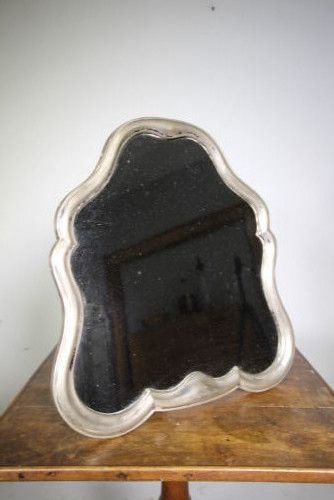
The integrity and weight of the fitted marble top relative to the carved base indicate higher craftsmanship. Superior examples maintain structural harmony between the mirror and the table when paired as a set.
The French Rococo Wall Table Glossary
- Giltwood
- Timber coated with gold leaf over a prepared gesso ground. This technique provides the luminous finish characteristic of period furniture.
- Console table
- A table supported against a wall by consoles or legs, frequently designed without back legs for wall mounting. They serve as decorative display furniture.
- Serpentine front
- A furniture front characterised by a central outward curve flanked by inward curves. It creates dynamic movement across the piece.
- Demi-lune
- A half-moon shape used for table tops and frames. This form sits flush against the wall in compact spaces.
- Pier mirror
- A tall glass mirror designed to hang on the pier wall between windows, often placed directly above a console table.
French Rococo Wall Table: Frequently Asked Questions
How do I secure a wall console table?
Many of these tables are designed to be secured directly to the wall for stability, particularly because heavy marble tops rest upon relatively slender frames.
Ensuring proper wall fixings protects both the wooden structure and the heavy stone top from accidental tipping.
Are these tables freestanding?
Wall-mounted versions and many console tables rely on the wall for structural support and balance. Some heavier side tables utilise front legs while anchoring securely at the back.
Reviewing the construction reveals whether a piece requires additional wall fastening.
How do I care for antique giltwood?
Giltwood surfaces require gentle dusting with a soft, dry brush to preserve the delicate gold leaf layer. Moisture and chemical cleaners damage the historic gesso and gilding.
Keeping the table away from direct sunlight and humidity safeguards the finish over time.
What is the difference between revival and period pieces?
Period pieces originate from the eighteenth century during the height of the style, whereas revival pieces date from the nineteenth and early twentieth centuries. Both categories utilise carved wood, marble, and gilding methods.
Stylistic proportions and material ageing help distinguish original eighteenth-century work from later Victorian and Edwardian interpretations.