





French Rocaille Mirror
A French rocaille mirror brings spirited asymmetry and fluent scrollwork into a room, offering the quintessential decorative accent for collectors of antique wall furniture.
French Rocaille Mirror
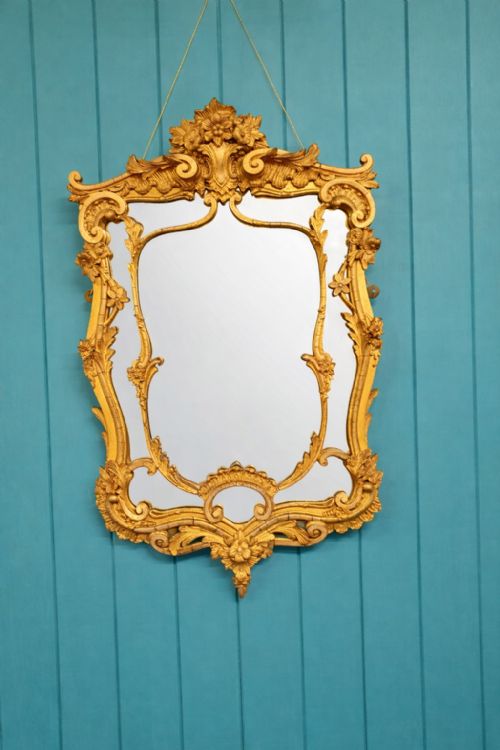
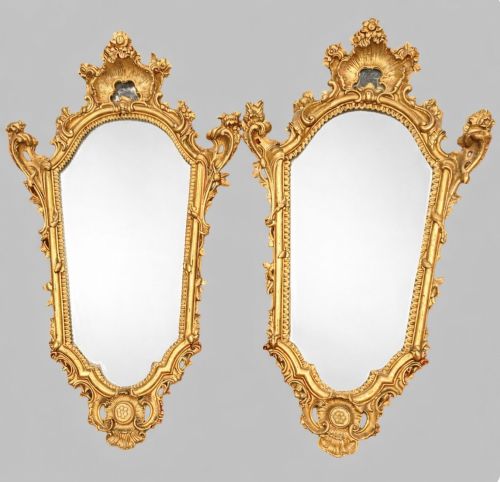
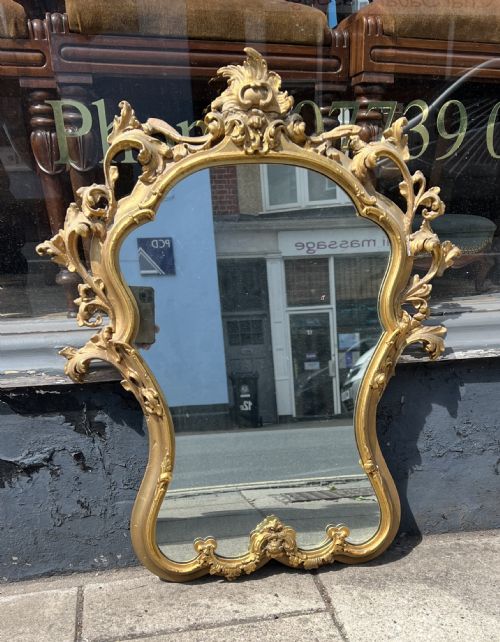
A French rocaille mirror takes the form of a wall mirror shaped by the spirited curves and asymmetrical scrolls characteristic of the Rococo movement. The examples recorded here span the eighteenth century, the nineteenth century, and into the early twentieth century, capturing revivals from the Victorian era as well as Louis XV and Louis XVI styles.
Most pieces met on this page belong to the nineteenth century, particularly the eighteen-seventies and nineteen-hundreds, alongside Louis XV manner designs and French Chateau expressions. They serve primarily as wall mirrors designed to draw the eye with elaborate frames and shaped tops.
Makers and artisans produced these works in varied scales, ranging from standard decorative wall pieces to very large framed mirrors suitable for principal reception rooms. The unifying element across the selection is the French stylistic influence and the reliance on gilded or painted wood structures.
How they were made
Frames rely on carved wood and gesso as a foundational base, shaped into intricate scrolls, foliage, and shell motifs before receiving their surface finish. Artisans applied gold leaf, silver, or giltwood layers to achieve the reflective brilliance characteristic of these high-status wall furnishings.
Selected works incorporate cast metal details such as gilt bronze, while others employ painted surfaces over the carved wooden structure. Mirror glass sits within these elaborate frames, often following the shaped top contours typical of the period.
Materials documented across the inventory include giltwood, carved wood, gesso, gold leaf, and gilt bronze.
What varies in quality
The standard of a French rocaille mirror rests largely on the depth and fluidity of the wood carving, where crisply defined scrolls and undercut foliage separate superior work from simpler mouldings. Heavier gesso application and expert gilding technique also dictate the longevity and visual richness of the frame surface.
Scale and proportion play a decisive role, as exceptionally large carved wood frames demand greater structural joinery and artistic confidence to maintain balance across complex asymmetrical designs. Original gilding and untouched mirror plates further distinguish exemplary survivals from later restorations.
The French Rocaille Mirror Glossary
- Giltwood
- Wood that has been coated with a thin layer of gold leaf. This finish provides the characteristic metallic sheen seen on antique frame mouldings.
- Gesso
- A plaster-like mixture applied to wood frames and carved before gilding. It allows artisans to shape sharp, intricate ornamental details.
- Rococo
- An artistic style originating in France marked by ornate asymmetry, scrollwork, and naturalistic motifs. It forms the primary design vocabulary for these mirrors.
- Louis XV
- A French design period associated with curved lines and graceful asymmetry. Mirrors in this manner reflect the height of eighteenth-century rocaille taste.
- Gilt Bronze
- An alloy of copper and zinc finished with gold amalgam, used for decorative mounts and structural accents on select mirrors.
French Rocaille Mirror: Frequently Asked Questions
Are these mirrors suitable for bathrooms?
High humidity and fluctuating temperatures in bathrooms can damage historic gesso, carved wood, and delicate gold leaf finishes. Moisture seeps behind the mirror plate and causes degradation of the silvering.
Keeping these pieces in dry reception rooms, hallways, or bedrooms preserves the original materials. Ambient moisture changes cause wood to expand and contract, risking the integrity of the antique frame.
How do I clean a historic mirror frame?
Dusting gently with a soft, dry brush removes surface particles without disturbing fragile gesso or leafing. Avoid liquid cleaners and chemical sprays near the gilded wooden surfaces.
Any moisture risks lifting the gold leaf or water-gilding beneath. Professional conservators should handle deep cleaning or structural repairs on nineteenth-century frames.
What defines the Louis XV manner?
The Louis XV manner embraces asymmetric scrolls, C-scrolls, and naturalistic floral elements inspired by mid-eighteenth-century French design. This style rejects rigid symmetry in favour of flowing, organic movement.
Revival pieces from the nineteenth century reinterpreted these fluent lines with renewed enthusiasm. The resulting frames exhibit dynamic curves that dominate the visual weight of the wall piece.