

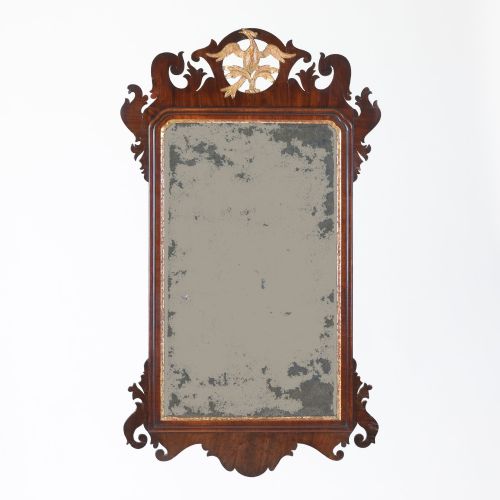
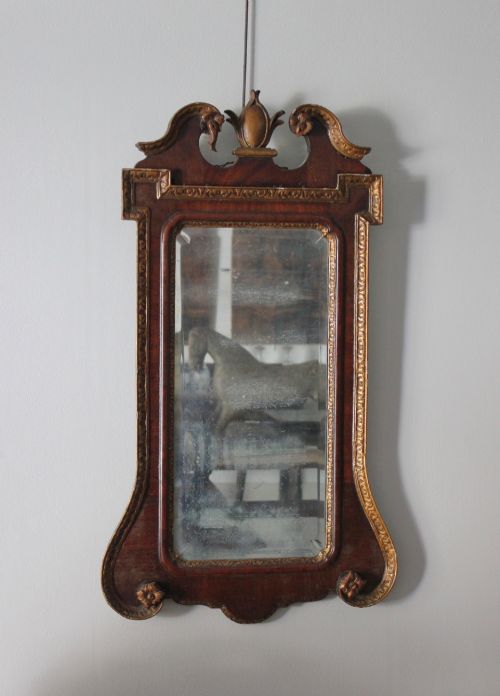
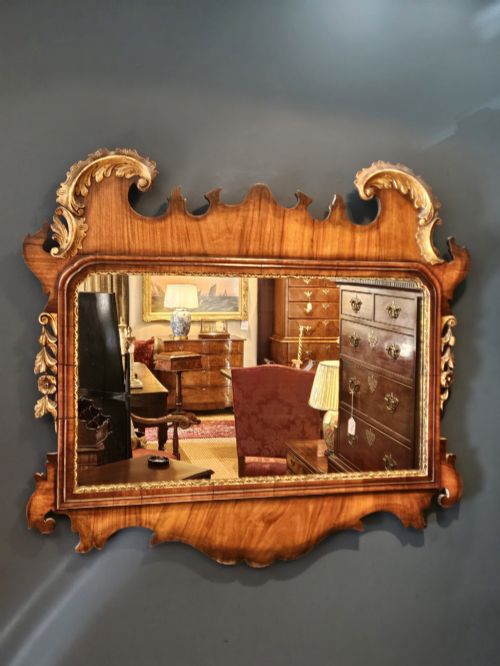


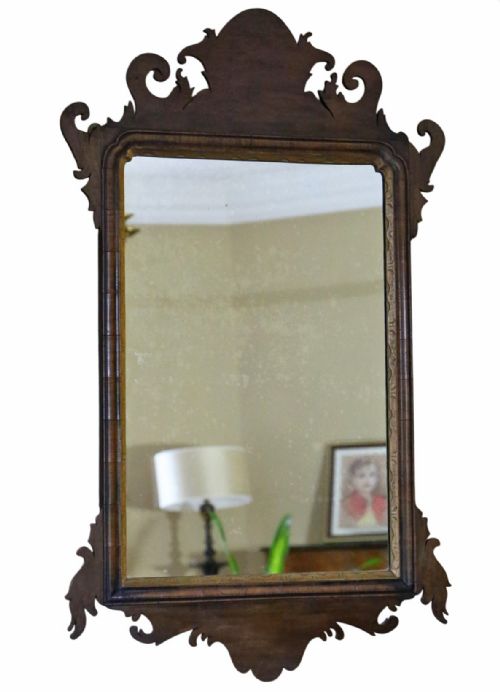


Scrolled Gilt Mirror
A scrolled gilt mirror brings warmth and reflective depth to a room, drawing the eye with ornate, curving frames finished in gold.
Scrolled Gilt Mirror
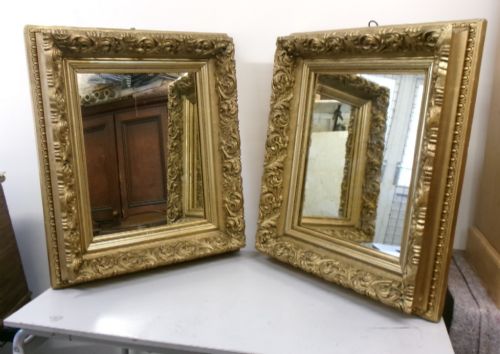
A scrolled gilt mirror encompasses wall mirrors, overmantels, and dressing table glasses shaped by curving wooden frames and metallic leaf finishes. These objects trace lineage from eighteenth-century Georgian workshops through nineteenth-century revivals up to twentieth-century interpretations.
The most common examples encountered on this page combine mahogany, walnut, or carved timber with gesso and gold leaf. These pieces range from compact fretwork wall mirrors to large, architectural overmantels designed to sit above a fireplace.
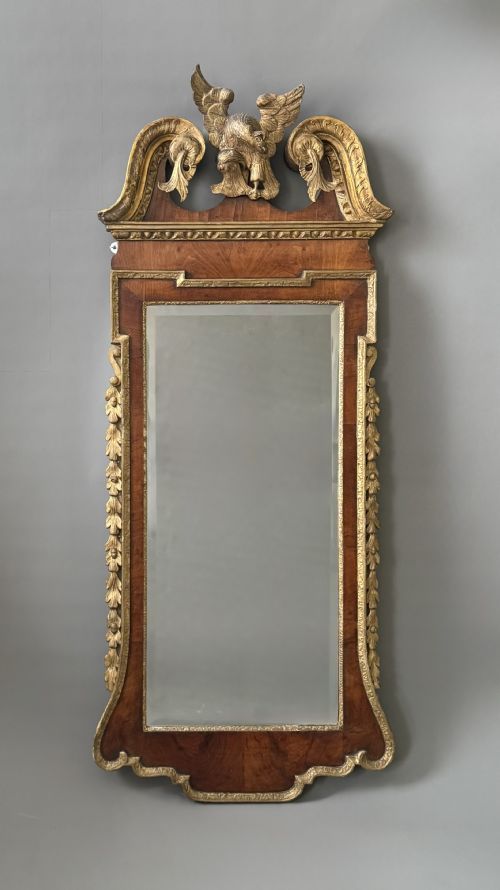
Makers across different eras adapted classical motifs like the Rococo scroll and the Ho-ho bird to suit domestic interiors. Buyers select these mirrors to anchor a room, reflecting light while displaying traditional carpentry and gilding techniques.
Materials and Construction Methods
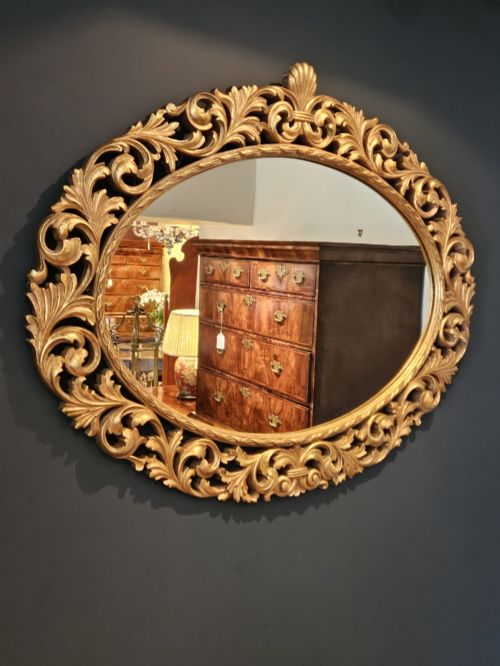
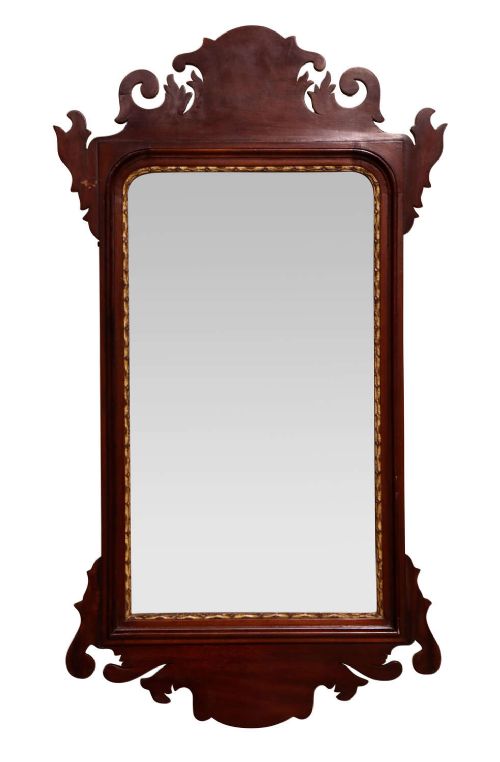
Carpenters shaped foundational frames from hardwoods such as mahogany, walnut, and sycamore, often employing fret-cutting saws to achieve intricate pierced silhouettes. Softwoods and timber composites received applications of gesso, a chalk and glue mixture, which artisans carved into relief details before applying gold leaf or liquid gilt.
Mirrors relied on hand-silvered glass plates, sometimes featuring engraved designs or bevelled edges that catch ambient light differently from modern float glass. Slips of gilt wood or painted elements frequently framed the inner border of the glass plate to create visual depth.
Listings feature walnut, mahogany, and sycamore woods alongside traditional gesso and gold leaf finishes across multiple centuries.
Distinctions in Execution and Preservation
Quality rests in the crispness of the carved scrolls and the proportion of the fretwork frame relative to the glass plate. Skilled carvers achieved fluid, dynamic curves with sharp undercut details, whereas lesser examples rely on flat, machine-like profiling or heavy, clumsy application of gesso.
The preservation of original surfaces dictates the standing of an individual piece, including the patina of the gold leaf and the untouched state of the secondary woods at the back. Original mirror glass plates with natural foxing and ageing add character that replacement glass alters.
The Scrolled Gilt Mirror Glossary
- Giltwood
- Wood that has been coated with thin sheets of gold leaf over a prepared gesso ground. This finish provides a luminous, warm surface that ages with a distinct craquelure.
- Fretwork
- Thin panels of wood cut with a fretsaw to create decorative openwork patterns. This technique defines the flat, silhouetted frames seen on many Georgian and revival wall mirrors.
- Overmantel Mirror
- A large mirror specifically proportioned to hang on the wall directly above a fireplace mantelpiece. These pieces often feature landscape orientations and substantial decorative crestings.
- Pier Glass
- A tall, narrow mirror designed to be hung on the wall space between two windows. They frequently incorporate delicate carved frames to maximise reflected light in darker rooms.
- Gesso
- A plaster-like mixture applied to wooden frames as a smooth base for gilding and relief carving. Its application allows artisans to sculpt intricate ornamental flourishes.
Scrolled Gilt Mirror: Frequently Asked Questions
Are these mirrors suitable for bathrooms?
High humidity and fluctuating temperatures in bathrooms can damage historic gesso, weaken animal glues, and accelerate corrosion of the silver backing on antique glass. Placing these pieces in drier reception rooms, hallways, or bedrooms preserves the materials.
If positioned near a source of moisture, the delicate gold leaf and timber frames risk cracking or lifting from their wooden bases. Ambient moisture control ensures the longevity of eighteenth and nineteenth-century surface treatments.
How can I tell an eighteenth-century mirror from a later revival?
Examination of the timber behind the frame reveals construction clues, such as hand-cut nails, older screw types, and oxidation patterns on the secondary woods. Eighteenth-century pieces typically display irregular tool marks and shrinkage cracks consistent with age.
Revival pieces from the Victorian era or the twentieth century often utilise more uniform machine-sawn components and standardised fixings. Comparing the crispness and style of the carving against documented period examples clarifies the date.
What is the best way to clean antique glass and gilt?
Dusting the frame gently with a soft, dry brush prevents particulate accumulation without disturbing fragile gold leaf or flaking gesso. Moisture must be kept away from the gilded surfaces to prevent water staining.
Glass plates benefit from a minimal amount of distilled water or a mild cleaner applied to a cloth rather than sprayed directly onto the surface. This prevents liquid from seeping behind the frame edge and damaging the silvered backing.
What does Ho-ho bird mean on a mirror?
The Ho-ho bird is a stylized Chinese phoenix motif frequently incorporated into the crest of mid-eighteenth-century English and Georgian mirrors. This decorative element reflects the era's popularity for Chinoiserie design.
Carved birds perched atop the scrolling wooden frame add height and narrative charm to the composition. Their presence links the mirror to fashionable interior schemes of the Chippendale period.