

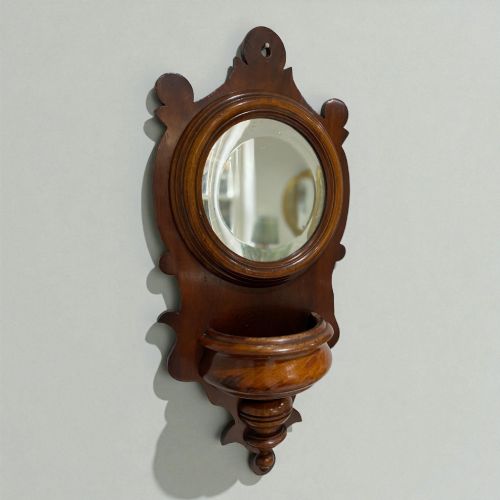
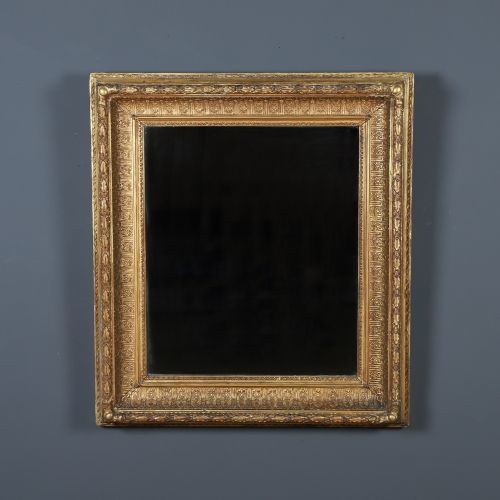


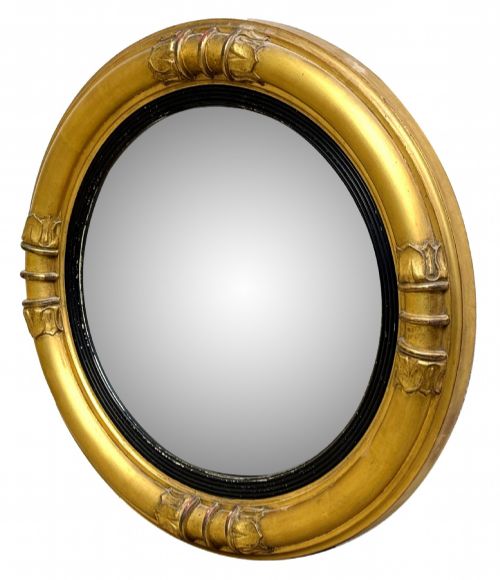


Mid Victorian Carved Mirror
These mid victorian carved mirror pieces bring rich nineteenth-century ornament and deep wooden frames to a room.
Mid Victorian Carved Mirror
A mid victorian carved mirror generally arrives as a wall-hanging piece, an overmantel, or a dressing glass designed for nineteenth-century interiors. These items span styles like Victorian Rococo Revival, Italian Rococo Revival, Neoclassical, and Baroque Revival.
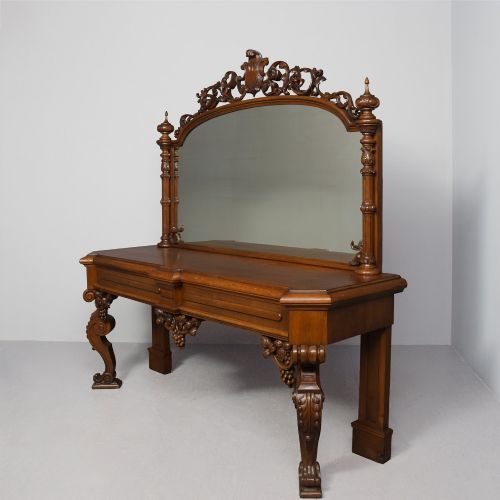
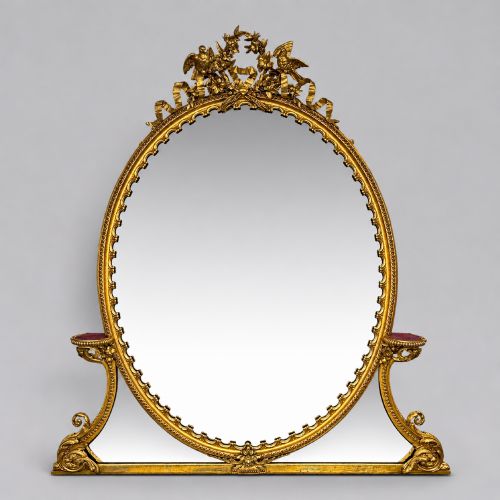
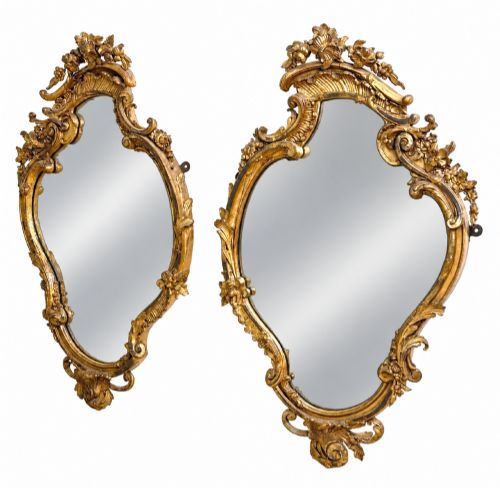
The forms vary from lozenge and cartouche shapes to circular convex glasses, oval frames, and large overmantels intended to sit above a fireplace. While some listings include related furniture such as credenzas and sideboards with mirror backs, the core focus remains on carved wooden wall and dressing mirrors.
Makers and craftsmen of this era drew upon diverse stylistic revivals, producing both English and continental European works. Pieces range from small, intimate hallway mirrors to large, decorative furnishings that dominate a wall.
Materials and Construction Techniques
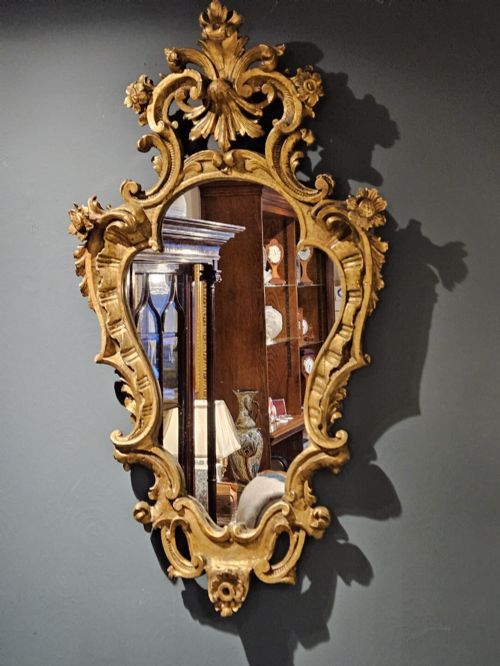
Frames rely heavily on solid timbers such as mahogany, burr walnut, ebonised wood, and rosewood, paired with carved giltwood and moulded gesso. Artisans built up ornate three-dimensional motifs using plaster or composition ornament applied over wooden carcasses before applying the gold leaf.
Glass plates were silvered and fitted into deep rebates, often retained by original backboards showing the age of the construction. Gilded surfaces combine burnished and matt areas to catch the light, while timber frames showcase traditional joinery appropriate for the mid nineteenth century.
Mid Victorian Carved Mirror Retail Price Guide 2026
Typical asking prices for mid victorian carved mirror among the pieces listed under this phrase on Sellingantiques today, from the lower quarter to the upper quarter. They describe what is for sale here now, not the wider market.
Object forms on this page include wall-hanging mirrors, overmantels, dressing glasses, and related mirror-backed sideboards and credenzas.
Assessing Craftsmanship and Condition
Quality rests in the crispness of the hand-carving and the depth of the gesso relief work, where superior examples retain sharp, intricate details without softness in the scrolls and floral elements. The handling of the gilding, whether bright gold leaf or toned composition, dictates the visual richness of the frame.
The integrity of the original mirror glass and the stability of the heavy wooden or gesso frames separate standard production from finer artisan pieces. Heavier overmantels and large wall mirrors require robust internal bracing to support the substantial weight of the glass and frame over decades of hanging.
The Mid Victorian Carved Mirror Glossary
- Giltwood
- Timber that has been covered with thin sheets of gold leaf or powder. This finish was widely utilised on decorative nineteenth-century frames to reflect candlelight and brighten rooms.
- Gesso
- A plaster mixture applied to wood frames as a base for gilding and deep moulding. Craftsmen carved intricate patterns directly into this layer before applying gold leaf.
- Overmantel
- A large mirror designed to hang specifically above a fireplace mantelpiece. These pieces often feature wide horizontal proportions and ornate crestings.
- Convex mirror
- A round glass mirror with a bulging surface that provides a wide-angle reflection of the interior. These are frequently housed in circular frames with ball-detailing or carved bezels.
- Cartouche
- An ornamental frame or tablet resembling a scroll or rolled-up piece of paper. This motif appears frequently in Revival styles on mirror crests.
Mid Victorian Carved Mirror: Frequently Asked Questions
Where should I hang a large overmantel mirror?
These large mirrors sit naturally above a living room fireplace or anchor the wall of a spacious hallway. Their proportions were originally designed to reflect light back into nineteenth-century reception rooms.
Ensure the wall fixings engage directly with structural studs or masonry, given the considerable combined weight of the timber frame, gesso ornamentation, and thick glass plate.
How do I identify a mid nineteenth-century mirror?
Look for timber construction methods, old backboards, and characteristic revival styles such as Rococo or Baroque Revival popular around eighteen-fifty to eighteen-seventy. The weight of the timber and the composition of the gesso also point to this specific Victorian period.
Examine the mirror plate itself for subtle distortions, oxidation, or bevels consistent with nineteenth-century glass manufacturing techniques rather than modern float glass.
Are convex mirrors different from standard wall mirrors?
Convex mirrors use a curved glass sphere that shrinks the reflected view to encompass an entire room. They serve a decorative, optical function rather than a practical purpose for checking reflections.
In nineteenth-century interiors, these circular pieces functioned as focal points that added depth and curved distortion to formal drawing rooms.
How do I clean an antique giltwood frame?
Dust the carved gesso and giltwood surfaces very gently with a dry, soft artist brush or ostrich feather duster. Avoid applying moisture, modern cleaning sprays, or abrasive cloths which can strip the delicate gold leaf.
Allow professional conservators to handle any flaking gesso or damaged gilding to preserve the historic integrity of the frame.