
French Provincial Storage
French provincial storage pieces bring rustic utility and regional character into a room through heavy timber construction and practical compartments.
French Provincial Storage
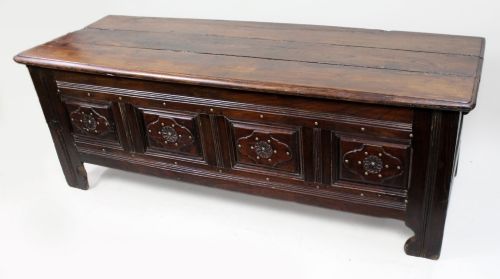
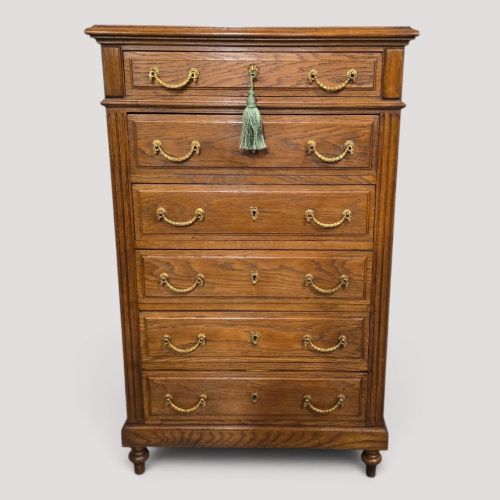
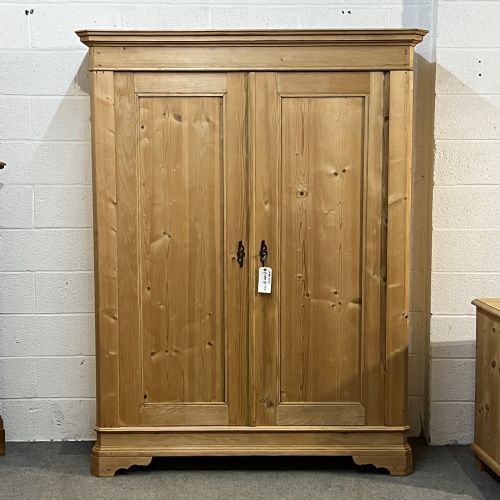
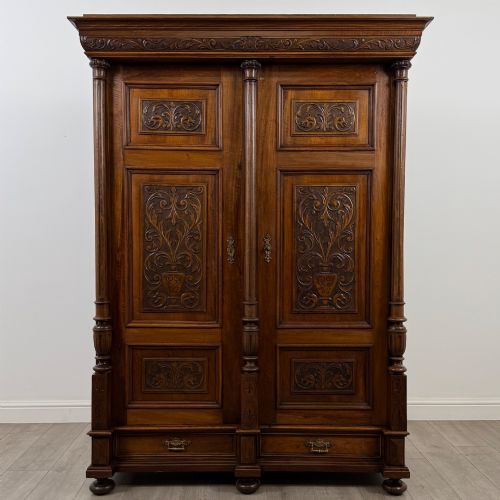
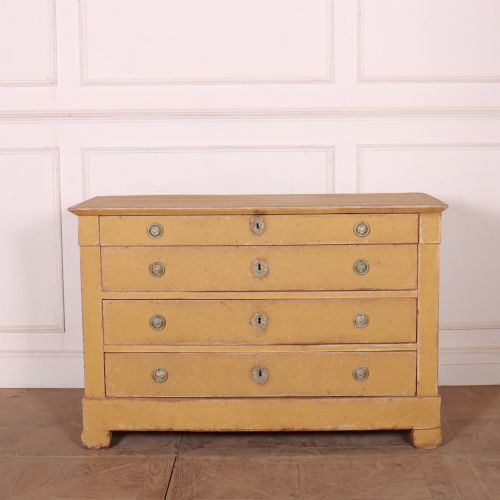
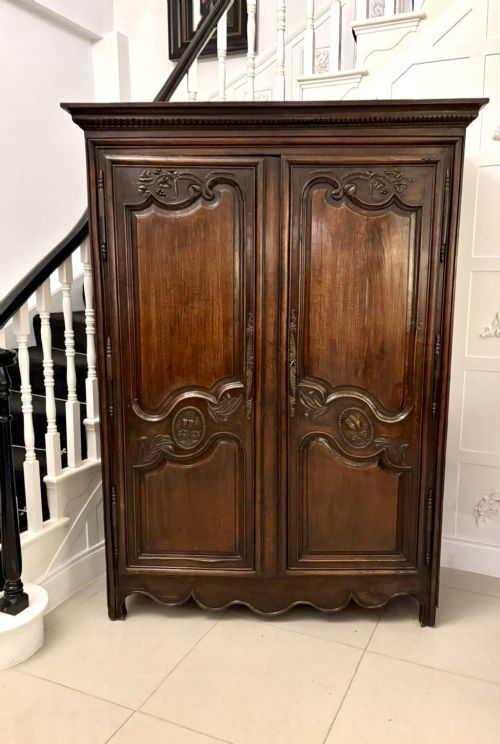
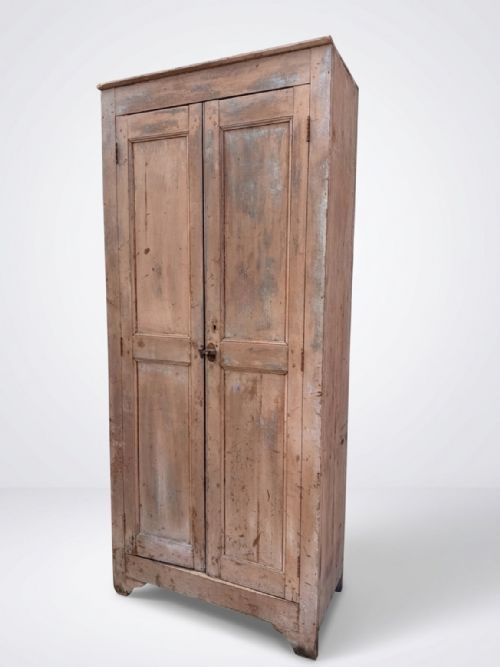
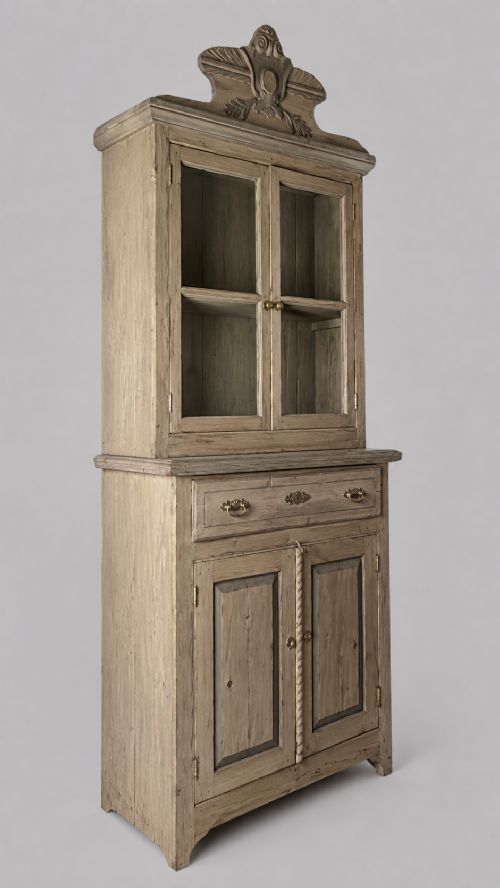
French provincial storage encompasses functional wooden furniture originating from various regions outside Paris, designed for daily domestic use. When searching for french provincial storage, buyers encounter practical forms such as commodes, armoires, housekeepers cupboards, and coffers.
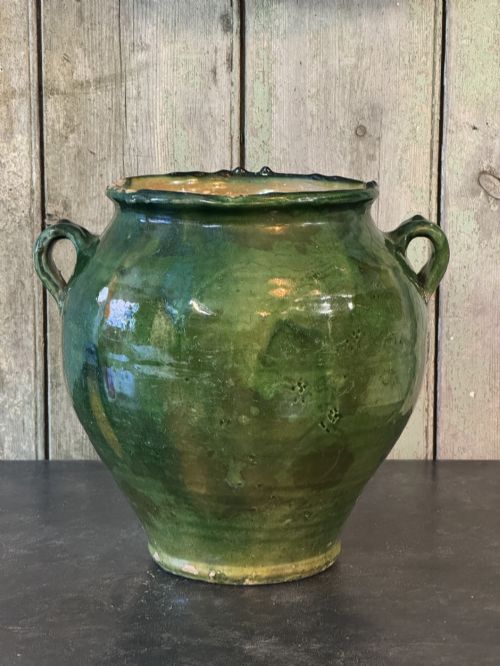
The pieces on this page span several centuries, with a strong representation of examples from the eighteenth and nineteenth centuries. Regional makers utilised local timbers to build sturdy storage for linen, food, and clothing, resulting in distinct provincial proportions and straightforward utility.
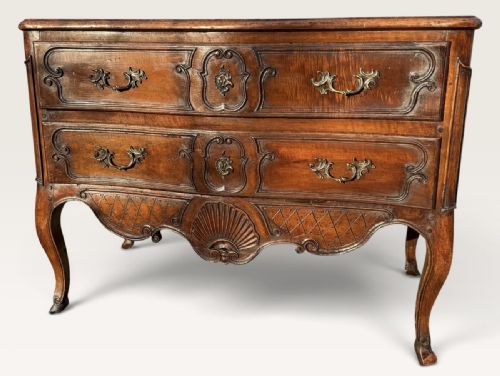
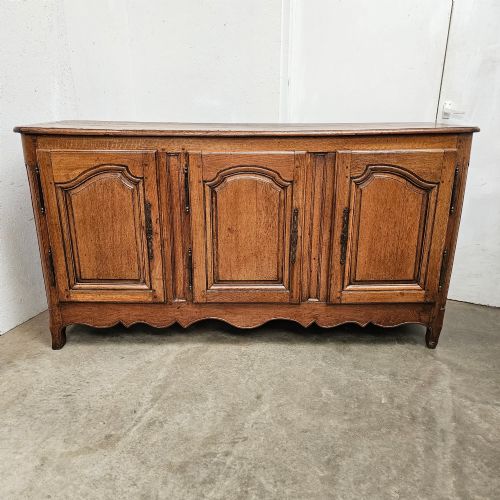
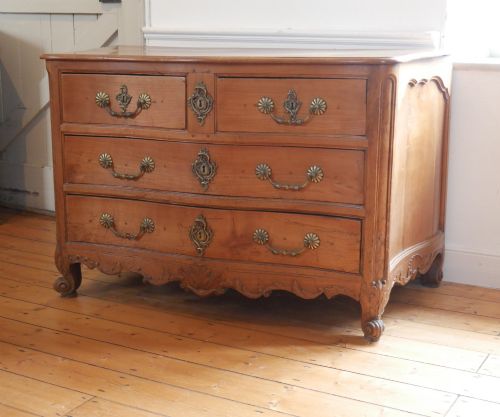
Common forms include commodes with serpentine or bombe fronts, tall wardrobes, and low sideboards or enfilades. These items reflect the domestic needs of rural households rather than courtly Parisian tastes, prioritising storage capacity alongside solid construction.
Materials and Construction
Cabinet makers relied heavily on regional timbers such as oak, walnut, cherrywood, chestnut, and pine, often selecting the wood available in the immediate locality. Solid planks were jointed and pinned to build robust carcases capable of enduring decades of heavy household service.
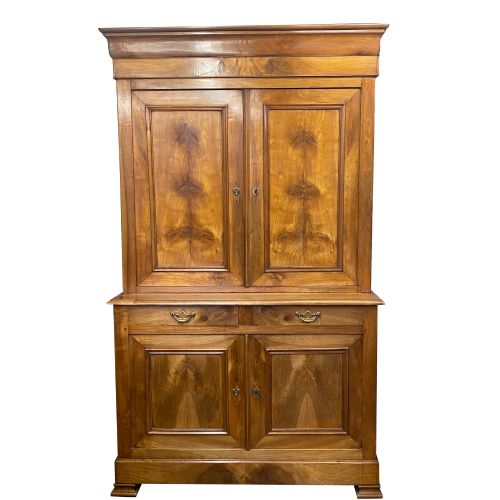
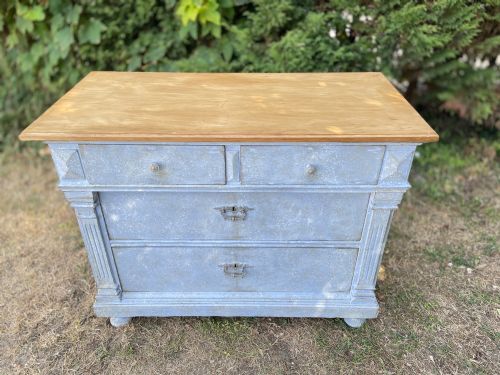
Surface treatments varied from waxed natural grain and polished walnut to painted finishes and delicate marquetry or parquetry panels. Iron and brass hardware, including hinges, keyplates, and drawer pulls, secured the doors and drawers while adding functional detail to the heavy wooden facades.
Several items retain their original interior hooks where housekeepers once hung heavy bundles of dried herbs and keys.
Factors That Determine Quality
Quality rests upon the selection of timber and the precision of the joinery rather than elaborate decoration. Superior examples display well-figured grain, balanced proportions, and careful hand-cut joints that maintain structural integrity over centuries of use.
The integrity of the original hardware, the condition of the timber surfaces, and the retention of original backboards and interior shelving separate standard utility items from exceptional provincial pieces. Finer commodes feature shaped fronts and refined carving that demonstrate the maker's skill within regional traditions.
The French Provincial Storage Glossary
- Commode
- A low chest of drawers or cabinet, typically standing on short legs and dating from the eighteenth century or later. These pieces often feature serpentine or bombe shapes.
- Enfilade
- A long sideboard or buffet cabinet designed with multiple doors, originating in French dining rooms for serving and storage.
- Armoire
- A large freestanding wardrobe or cupboard used primarily for hanging garments or storing bulky textiles like linen and blankets.
- Coffer
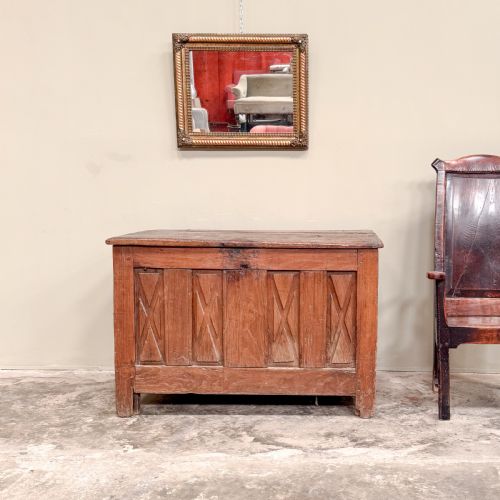
- A heavy wooden chest with a hinged lid, used historically for secure storage of valuables, documents, or garments before fitted wardrobes became common.
- Bombe
- A swollen, convex shape applied to the front and sides of commodes and chests, requiring advanced woodworking skill to construct from solid timber.
French Provincial Storage: Frequently Asked Questions
What is a French provincial commode?
A French provincial commode is a low chest of drawers made in regional France outside of Paris, often featuring shaped fronts and solid timber construction.
These pieces served primarily in bedrooms and living spaces for storing clothing and personal items, combining utility with local stylistic touches.
How do I tell an 18th-century piece apart from a 19th-century one?
Eighteenth-century pieces typically display hand-cut joinery, pegged joints, and regional timbers like cherrywood or walnut shaped by hand. Nineteenth-century examples often incorporate machine-sawn elements, standardised hardware, and sometimes painted pine finishes.
Examining the drawer linings, backboards, and tool marks helps determine the period of construction and regional origin.
Where were these cupboards used in the home?
Housekeepers cupboards, food cupboards, and armoires were placed in kitchens, pantries, and hallways to store provisions, linens, and domestic utensils.
Their deep shelves and sturdy doors kept food protected from pests and household items organised in rural homes.
How should I care for antique French oak furniture?
Maintain antique oak and walnut by keeping pieces away from direct heat sources and sudden humidity changes that cause wood to split.
Apply a traditional beeswax polish occasionally to nourish the timber and preserve the natural lustre of the aged surface.