
French Carved Chest Drawers
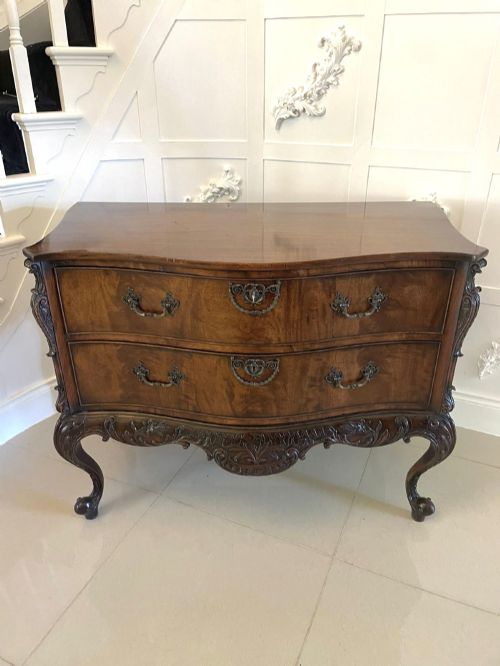
These french carved chest drawers bring robust provincial character and refined continental proportion into a room.

French Carved Chest Drawers
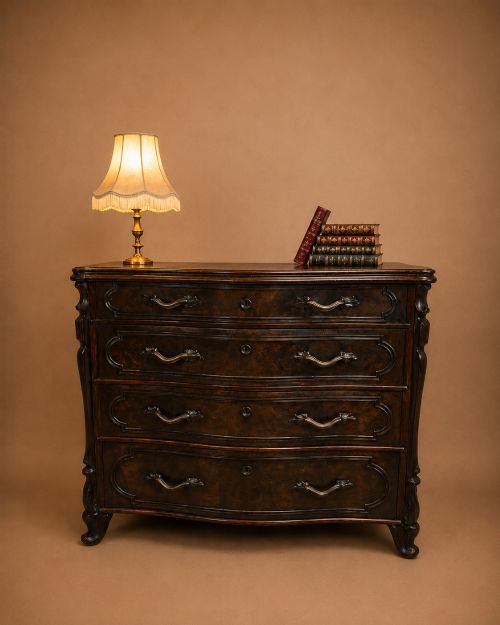
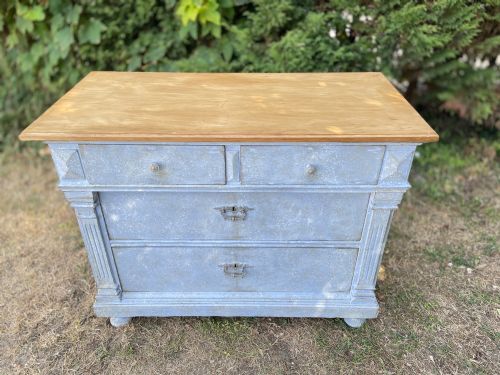
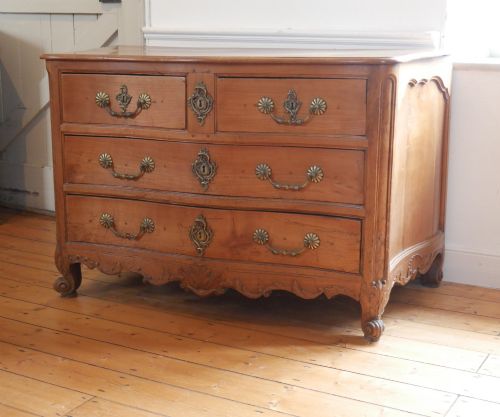
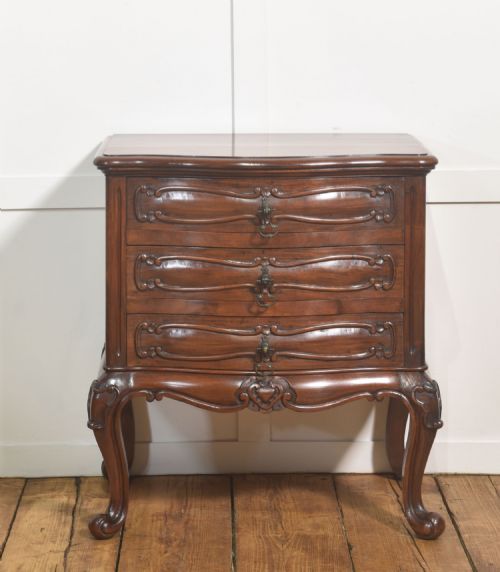
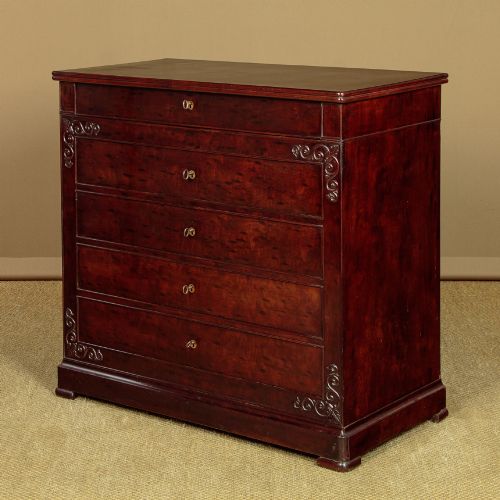
When someone searches for french carved chest drawers, they enter a world of continental storage pieces ranging from rustic country commodes to grander serpentine designs. The selection draws heavily upon walnut, oak, and mahogany, shaped into forms spanning the eighteenth, nineteenth, and early twentieth centuries.
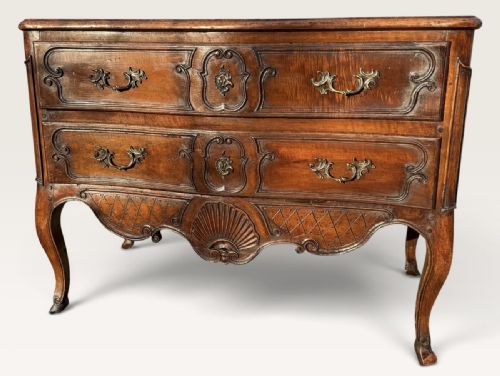
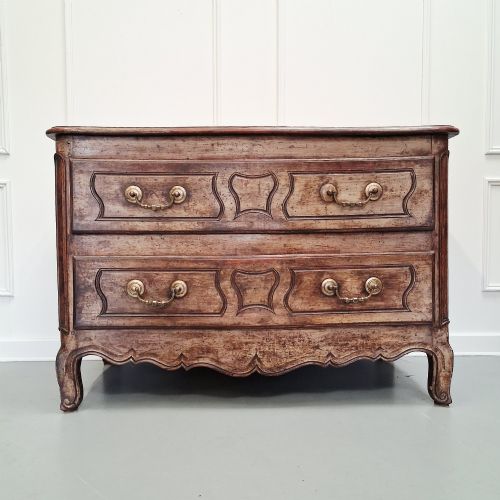
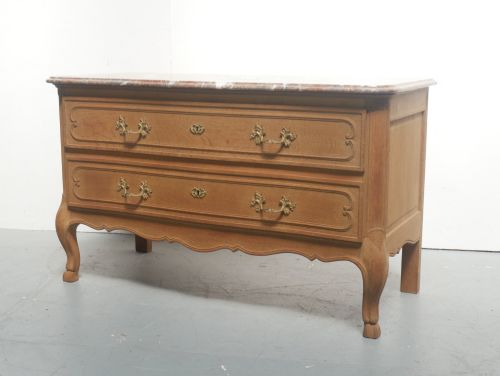
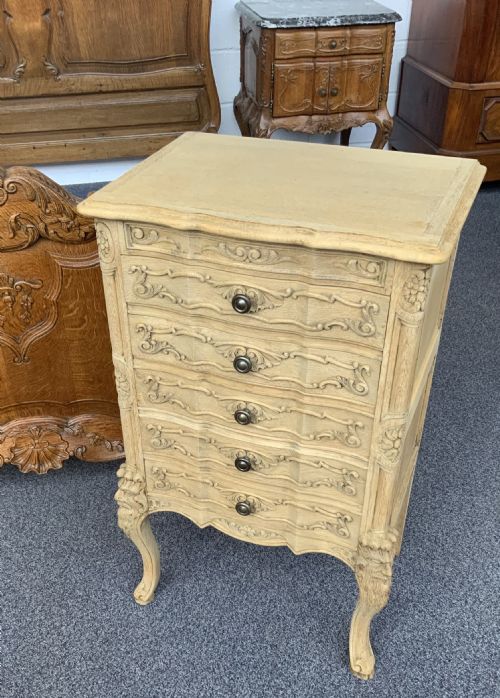
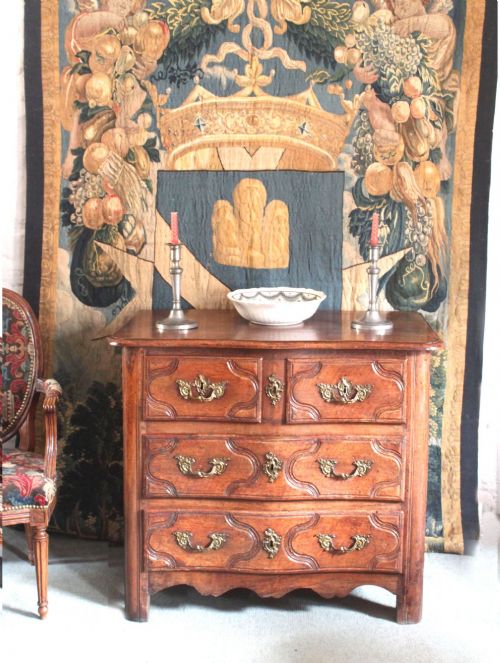
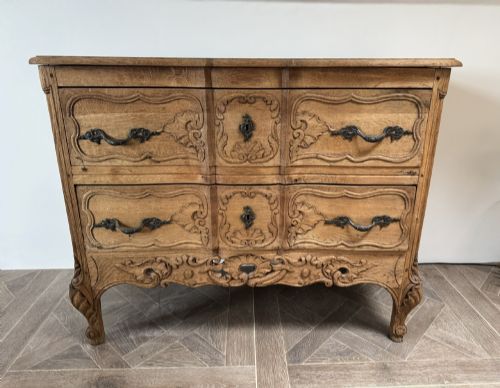
The version most commonly encountered on this page is the oak or walnut commode, often bearing provincial carvings and occasionally topped with marble. These pieces bridge functional bedroom storage with sculptural presence, showing regional variations from Louis XV curves to Gustavian simplicity.
Materials and Construction Methods
Cabinetmakers relied on dense native timbers such as walnut, oak, and cherry, alongside burr elm and mahogany for decorative impact. Surfaces were left natural, bleached, ebonised, or painted, depending on the provincial workshop or city atelier producing the item.
Structural embellishments relied on hand-carved relief work, seen in floral motifs, linenfold panels, and diamond-point geometric mouldings. Heavier commodes frequently incorporated fitted marble slabs to the upper surface, whilst brass handles and escutcheons secured the drawer fronts.
Faux bamboo turnings occasionally appear on nineteenth-century walnut commodes, bringing a playful botanical twist to formal French cabinetry.
Assessing Quality and Execution
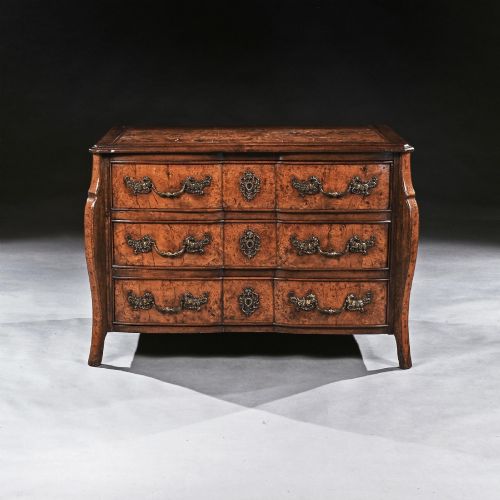
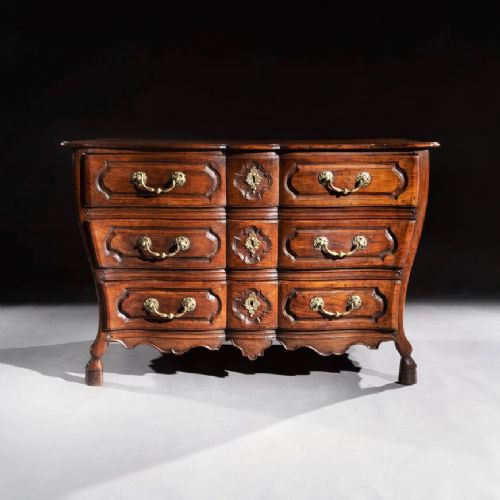
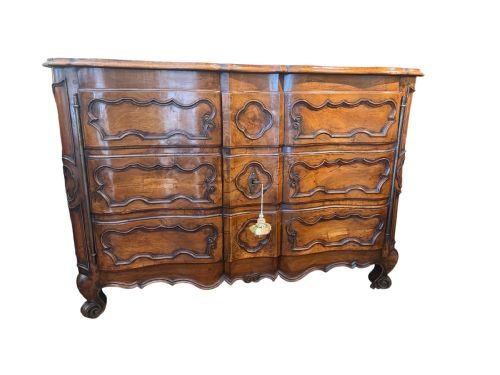
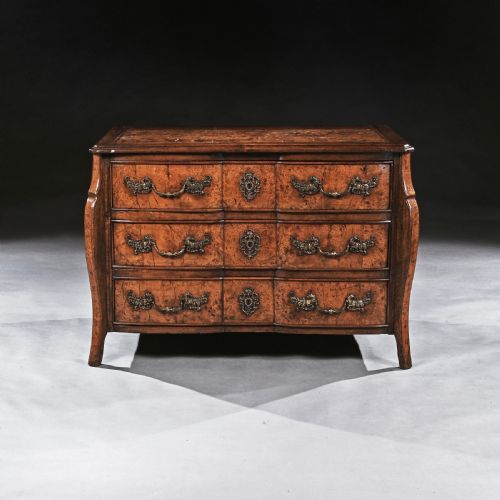
The distinction between standard domestic items and superior examples lies in the crispness of the hand-carving and the choice of timber figure, such as burr walnut or figured mahogany. Finer pieces demonstrate careful timber selection where grain patterns follow the sweeping contours of bombe or serpentine drawer fronts.
Construction integrity separates masterwork furniture from utility pieces, evident in the precision of the drawer dovetailing and the seamless integration of applied mouldings. Original marble tops and period brass hardware further elevate the standing of a commode.
The French Carved Chest Drawers Glossary
- Commode
- A continental chest of drawers or low cabinet, typically featuring wide proportions and decorative hardware. In French furniture history, the term evolved from cabinet furniture into the standard bedroom storage unit.
- Serpentine
- A furniture front or top shaped with a convex centre flanked by concave curves. This fluid line requires advanced woodworking skill to execute cleanly across solid timber drawers.
- Bombe
- A swelling, outward-curved commode profile associated with mid eighteenth-century design. This bulging contour demands expert shaping of both the frame and the corresponding drawer assemblies.
- Bleached oak
- Timber treated to lighten its natural tone, producing a softer, sun-washed appearance. This finish is frequently found on country pieces adapted for lighter contemporary interiors.
- Louis XV style
- A design aesthetic defined by asymmetrical curves, cabriole legs, and naturalistic scrollwork. Furniture in this taste embraces ornamental carving without rigid symmetry.
French Carved Chest Drawers: Frequently Asked Questions
What is a commode?
A commode is simply the continental European term for a chest of drawers or low cabinet. These pieces typically offer deep storage behind two or three wide drawers.
Historically used in bedchambers and reception rooms, they combine practical utility with sculptural woodcarving and decorative marble surfaces.
How do I clean a marble top?
Marble surfaces require gentle maintenance using warm water and a soft cloth, avoiding acidic cleaners that etch the stone. Regular wiping keeps the polished finish intact.
Many antique commodes feature removable marble slabs, making careful handling essential during placement or relocation.
Are these drawers suitable for daily use?
Solid wood construction and traditional joinery make these pieces robust enough for everyday bedroom or living room storage. Drawer runners may require occasional wax lubrication to ensure smooth operation.
Careful loading prevents undue stress on antique timber bases and historical dovetail joints.
How do I date a wooden chest?
Dating relies on observing construction methods, timber species, and stylistic cues such as hardware types and carving motifs. Hand-cut dovetails and natural wood shrinkage offer reliable indicators of age.
Comparing the secondary woods inside the carcass helps distinguish eighteenth-century provincial work from later nineteenth-century revivals.