

Brown Walnut Chests
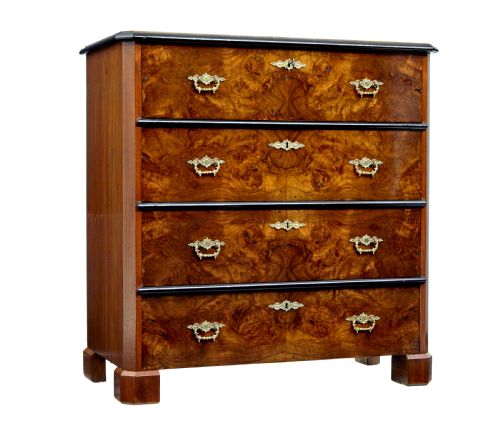
Brown walnut chests bring warmth and rich grain to a room, offering deep drawers and sturdy surfaces built from 17th century timber onwards.
Brown Walnut Chests
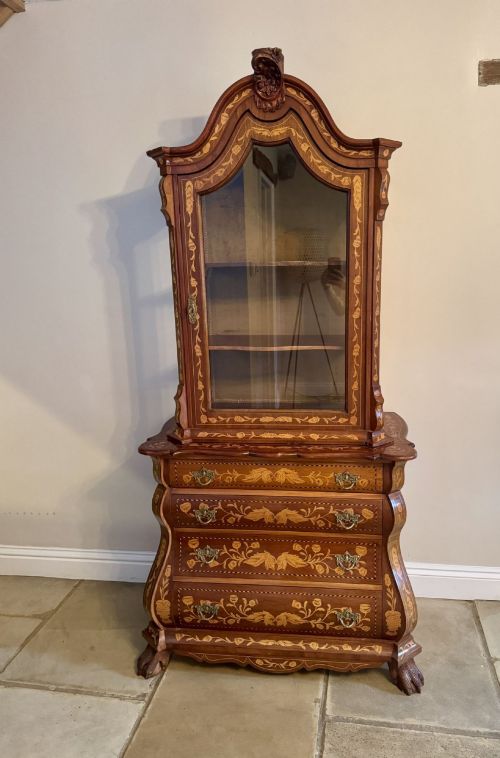
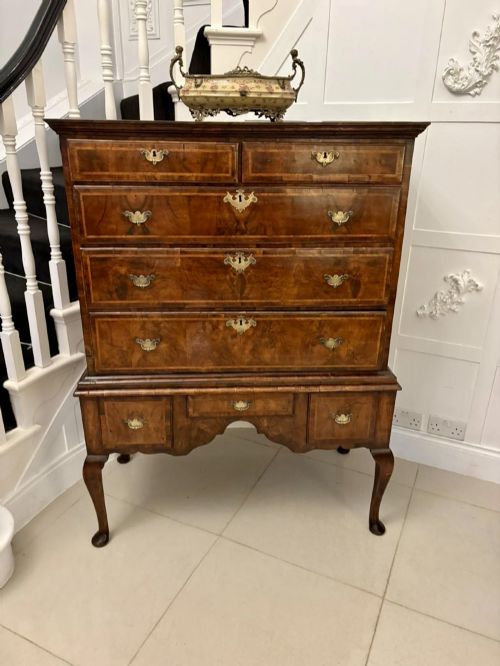
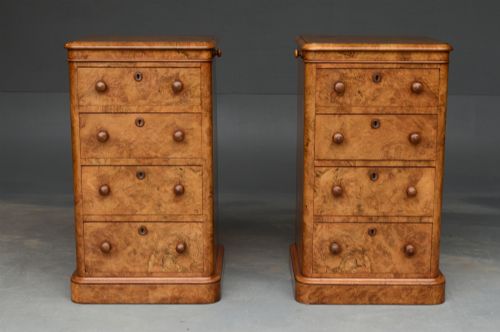
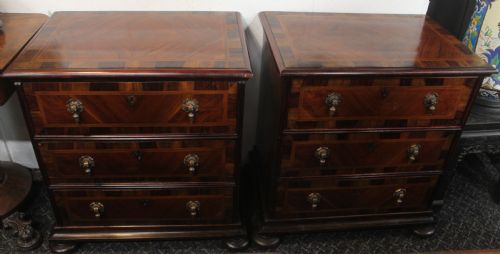
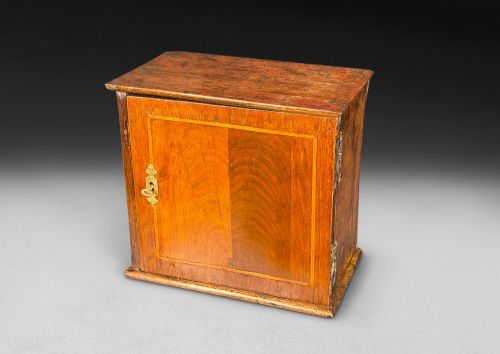
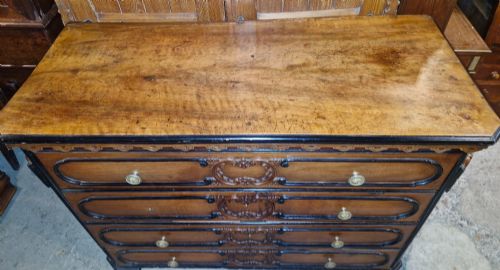
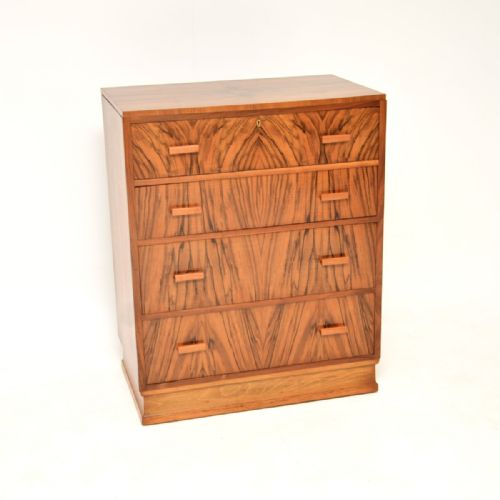
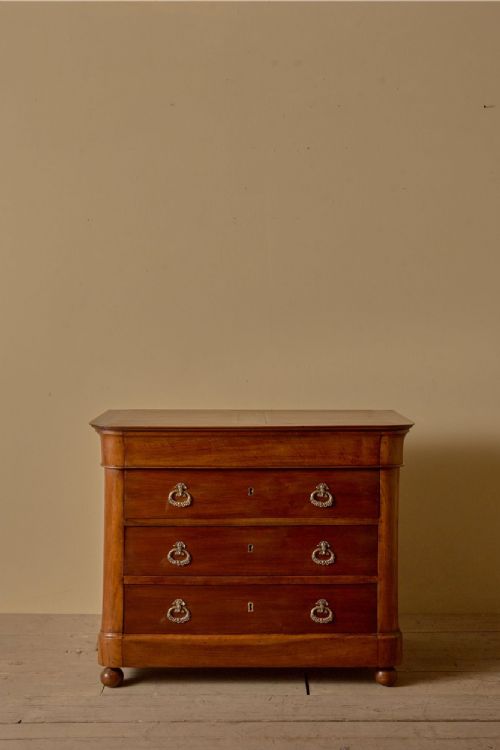
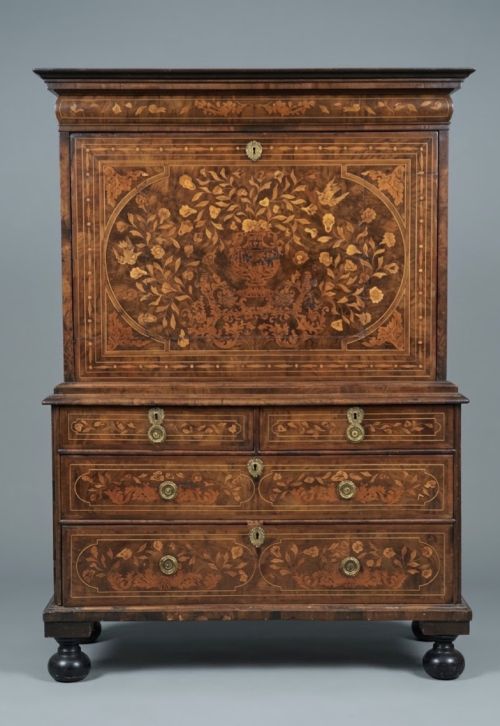
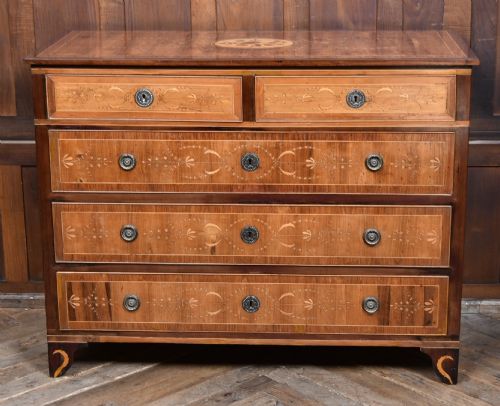
When searching for brown walnut chests, buyers encounter a variety of forms including tall chests of drawers, low chests, bedside chests, and elaborate chests on stand spanning the 17th century through the Victorian era and the 1930s.
The selections on this page range from early Georgian pieces and Queen Anne examples to later Art Deco designs and Victorian furniture originating from England, Italy, France, and Scandinavia.
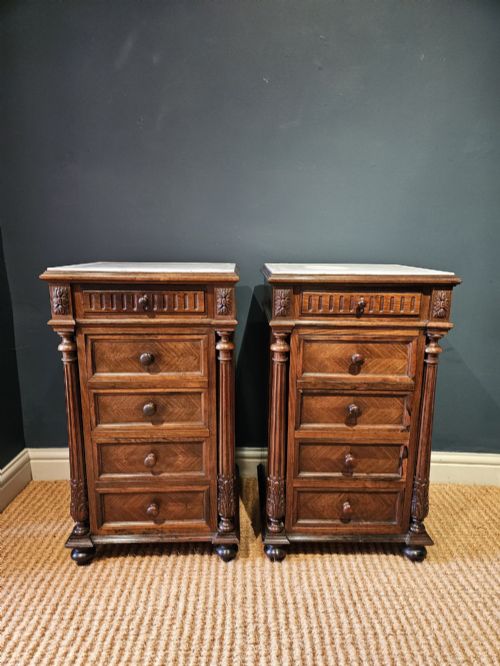
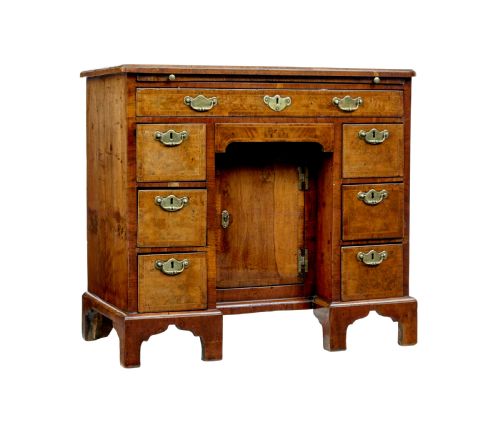
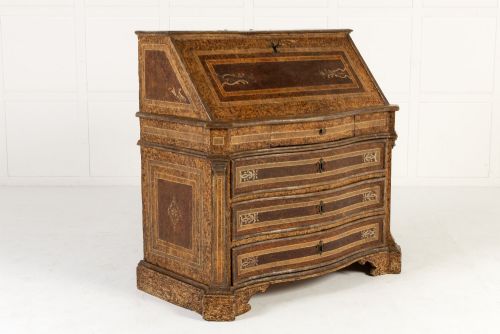
Chest of drawers formats dominate the available selection, accompanied by specialised pieces such as bureau desks, Wellington chests, and marble topped bedside cabinets.
Materials and construction methods
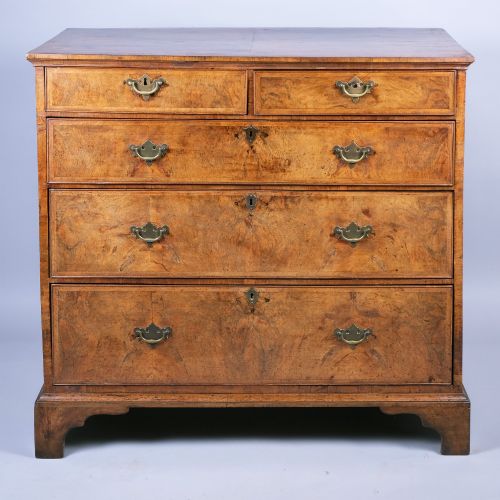
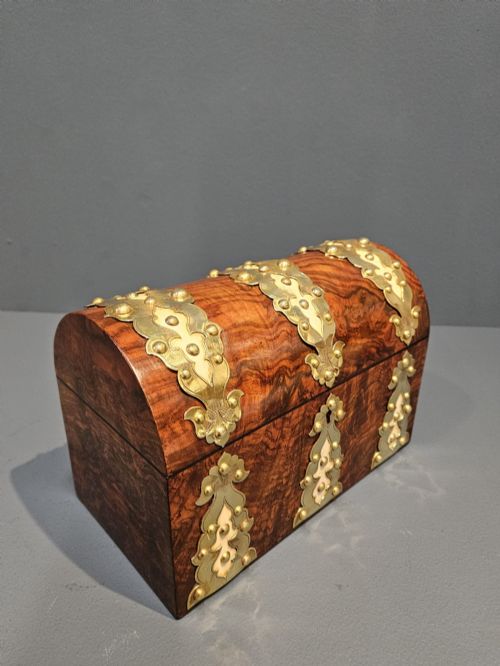
Cabinet makers utilised solid walnut, burr walnut veneer, and oyster veneer laid over secondary timbers such as oak, fruitwood, and pine to create patterned grain effects on drawer fronts and tops.
Brass handles, escutcheons, and occasionally brass binding provide structural reinforcement and decorative contrast against the dark timber surfaces.
Advanced techniques included marquetry inlay, serpentine shaping, and cross-banding, which required precise hand-cutting and fitting by skilled artisans.
Brown Walnut Chests Retail Price Guide 2026
Typical asking prices for brown walnut chests among the pieces listed under this phrase on Sellingantiques today, from the lower quarter to the upper quarter. They describe what is for sale here now, not the wider market.
Listings feature walnut furniture spanning from the 17th century through Georgian and Victorian periods up to 1930s Art Deco designs.
Factors determining quality
The sophistication of the timber veneer work and the symmetry of the grain patterns across the drawer fronts set superior examples apart from simpler utilitarian pieces.
Precision in the joinery, the retention of original brass hardware, and the crispness of any marquetry or carved detail indicate the level of craftsmanship invested in the chest.
Wyle And Lochead Glasgow·Bath Cabinet Makers
The Brown Walnut Chests Glossary
- Burr walnut
- Timber taken from a growth or burl on the walnut tree, producing swirling, highly decorative grain patterns highly prized by cabinet makers.
- Oyster veneer
- Small circular or oval slices cut from branch wood and laid tightly together to create a distinctive repeating pattern resembling oyster shells.
- Chest on stand
- A tall chest of drawers raised upon a separate support frame with legs, popular during the early Georgian and Queen Anne periods.
- Serpentine
- A curved front shape on a chest of drawers that swells outward in the centre and curves inward at the sides, demanding high skill to construct.
- Marquetry
- Decorative inlay work using various coloured woods and other materials to form pictorial or geometric designs on the surface of the furniture.
Brown Walnut Chests: Frequently Asked Questions
How do I identify a bureau?
A bureau integrates a sloping flap that folds down to reveal a writing surface fitted with small internal drawers and pigeon holes.
Beneath this writing section, standard horizontal drawers provide storage for household papers and personal items.
What is an oyster veneer?
Oyster veneer consists of transverse slices cut from small branches or roots, creating intricate circular patterns across the timber surface.
This technique appeared frequently during the late 17th century on Dutch and English walnut furniture.
Where were these pieces made?
The pieces originate from across Europe, with significant representation from English, French, Italian, Dutch, and Scandinavian workshops.
Regional preferences influenced everything from the choice of secondary woods to the specific curvature of serpentine fronts.
How do I care for walnut?
Keep walnut furniture away from direct sunlight and sudden temperature changes to prevent the timber and veneers from drying out or cracking.
Apply traditional beeswax occasionally and buff gently with a soft cloth to maintain the natural sheen of the wood.