
French Provincial Storage Chest
These french provincial storage chest examples combine regional utility with the refined lines of 18th and 19th-century French cabinet-making.
French Provincial Storage Chest
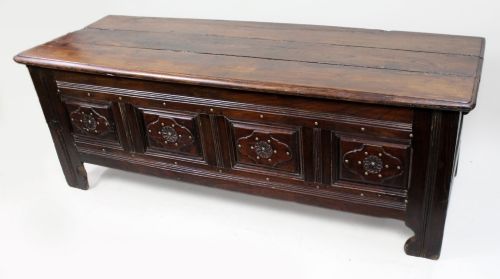
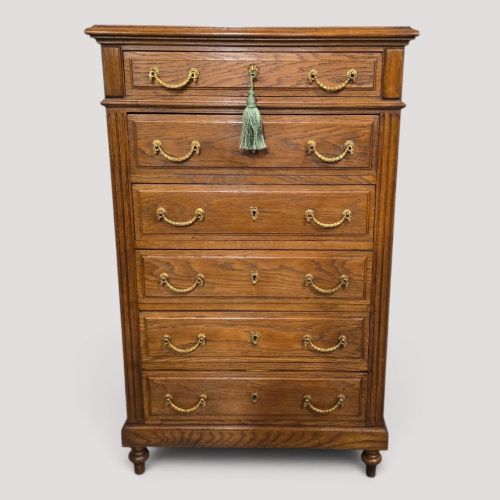
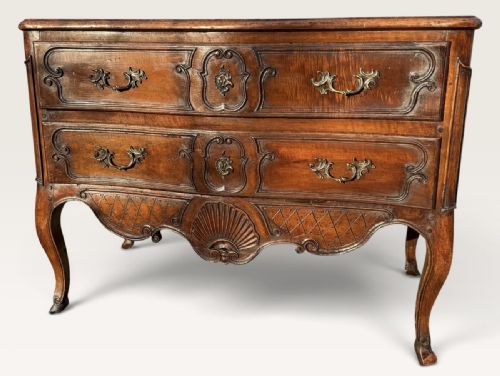
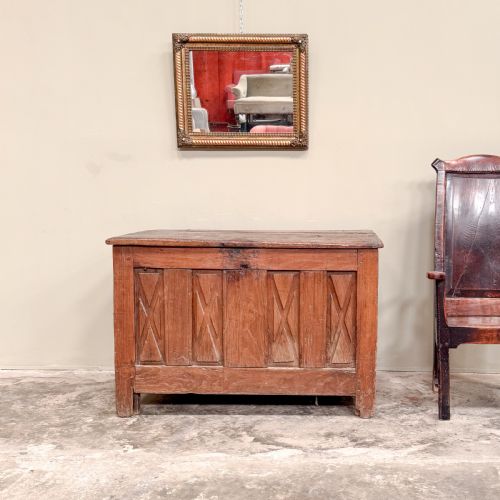
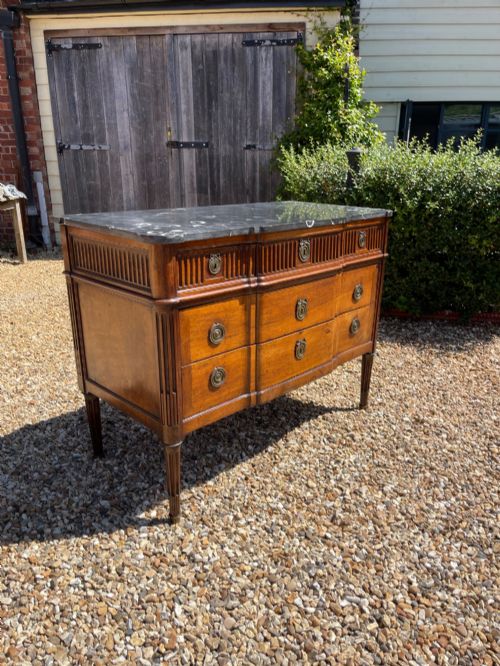
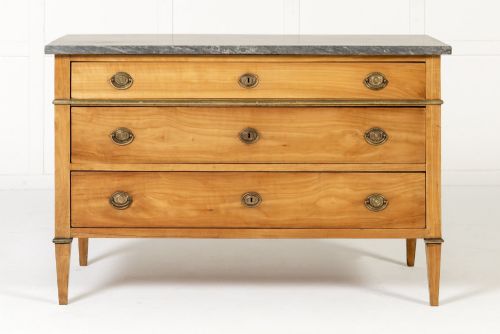
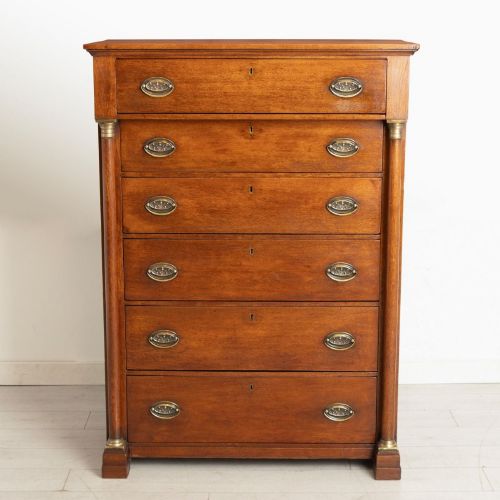
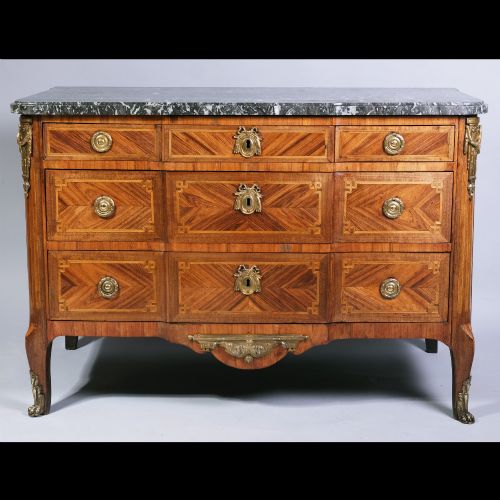
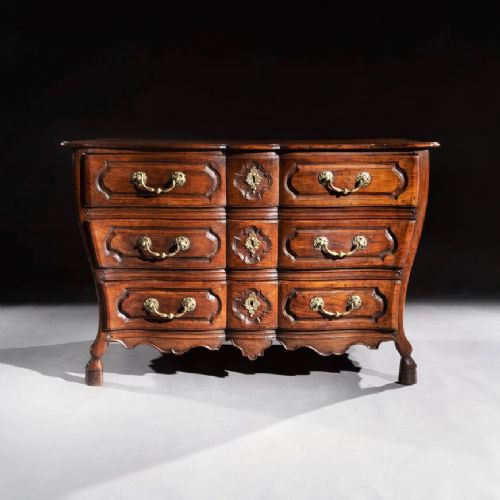
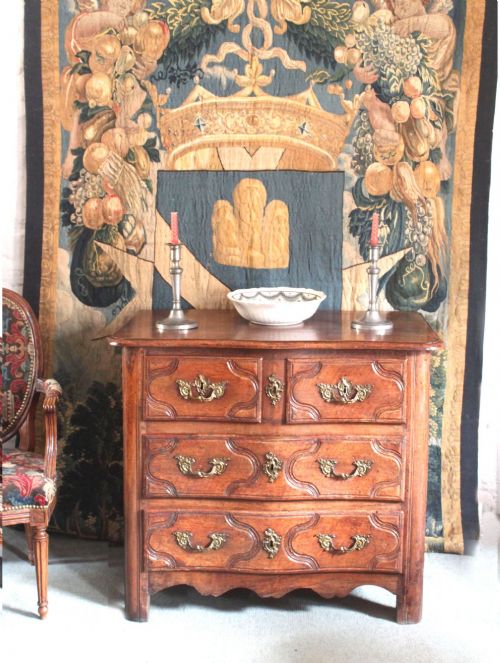
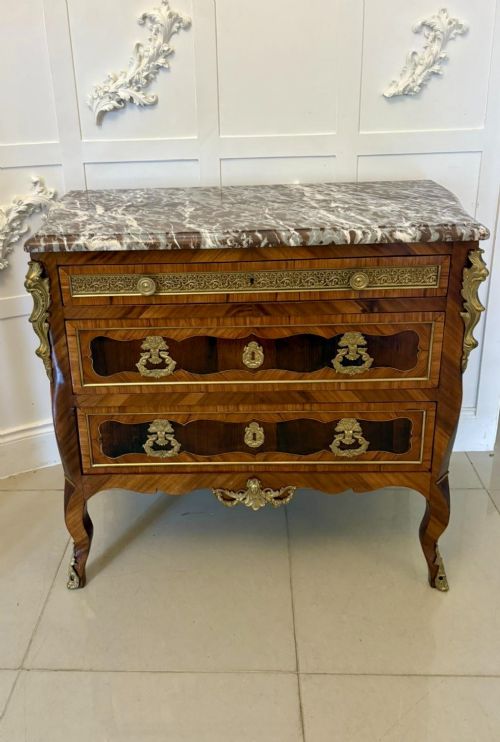
A french provincial storage chest encompasses a variety of regional forms, from sturdy oak coffers and blanket boxes to serpentine commodes and tall chests of drawers. These pieces served practical domestic functions in French homes outside Paris, carrying the distinct aesthetic signatures of periods such as the Louis XV and Louis XVI reigns.
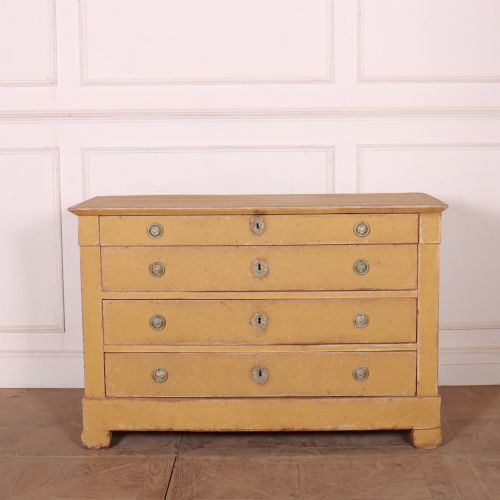
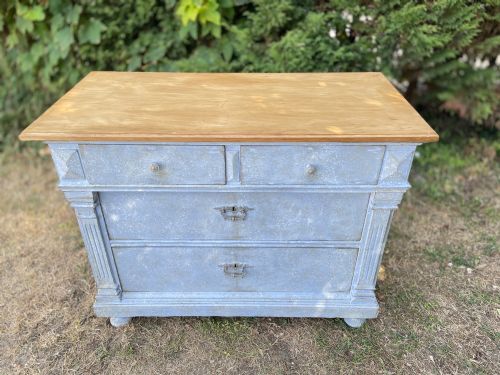
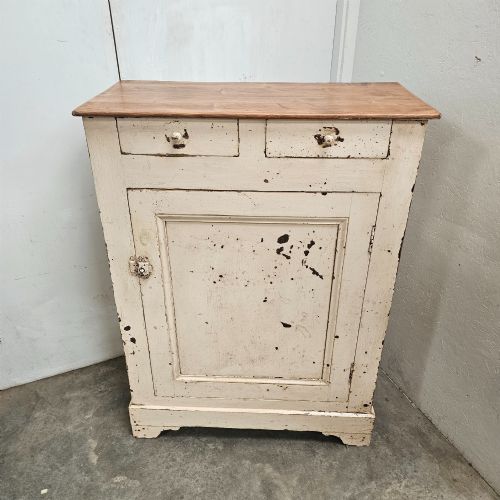
Buyers meeting this selection encounter both solid timber surfaces and painted finishes, ranging from modest 18th-century country pieces to later revival styles. The physical forms include bombe shapes, flat-fronted drawers, and occasional marble tops that reflect the domestic habits and material availability of rural France.
Materials and Construction
Local timbers such as walnut, oak, cherrywood, and chestnut form the primary structural body of these pieces, often shaped by hand with traditional joinery. Artisans applied parquetry, marquetry, and diamond-point geometric patterns directly onto the timber surfaces.
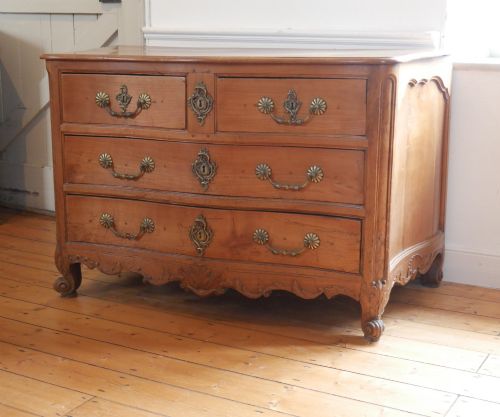
Metal elements including brass handles and ormolu mounts punctuate the timber facades, while specific examples incorporate marble tops for durability and decorative contrast.
French Provincial Storage Chest Retail Price Guide 2026
Typical asking prices for french provincial storage chest among the pieces listed under this phrase on Sellingantiques today, from the lower quarter to the upper quarter. They describe what is for sale here now, not the wider market.
Certain storage chests arrive with secrets intact, having started life as closed Breton bed fronts before finding new purpose as cabinets.
Assessing Quality and Execution
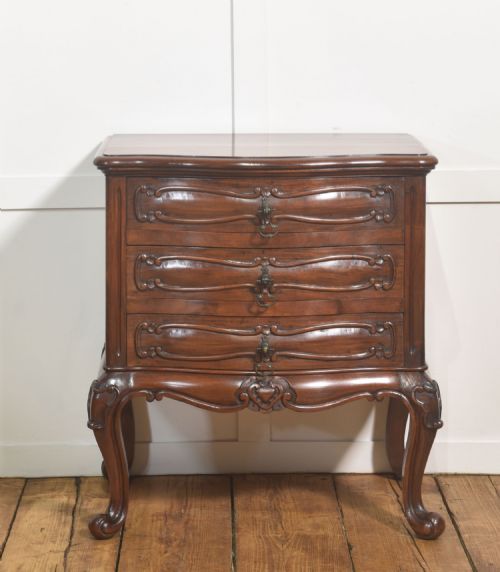
The sophistication of the carved lines and the fluidity of serpentine or bombe silhouettes distinguish finer examples from simpler provincial work. Precision in the wood selection, such as figured walnut or rich cherrywood, dictates the visual depth of the piece.
The integrity of period hardware, the execution of parquetry details, and the seamless integration of later decorative additions or paint layers set apart the more accomplished regional pieces.
The French Provincial Storage Chest Glossary
- Commode
- A low chest of drawers or cabinet originating in France, typically standing on relatively short legs. It serves as a principal storage item in bedrooms and living spaces.
- Coffer
- A heavy wooden box or chest used historically for storing valuables, linen, or food. These usually feature hinged lids and robust plank construction.
- Bombe
- A swelling, outward-curved contour found on the sides and fronts of certain chests and commodes. This sweeping profile requires advanced joinery to execute successfully.
- Serpentine
- A line or surface that curves outward at the centre and inward at the ends. This undulating shape appears frequently on the drawer fronts of 18th-century commodes.
- Parquetry
- Geometric wood-mosaic work used for ornamenting floors and furniture surfaces. Artisans arrange small pieces of contrasting timber to form repeating patterns.
French Provincial Storage Chest: Frequently Asked Questions
What is a French provincial storage chest?
It is a utilitarian and decorative storage item originating from regional France outside the capital. These items include coffers, blanket boxes, and commodes made from local timbers.
They reflect the domestic traditions and cabinet-making styles of specific French provinces during the 18th and 19th centuries.
How do I identify an 18th-century piece?
Examination of the timber construction, hand-cut joinery, and natural patination provides the primary clues for dating. Eighteenth-century examples often display regional walnut or oak surfaces shaped by hand.
Stylistic markers like Louis XV curves or simpler provincial interpretations also point toward this earlier era of production.
Are marble tops original?
Many commodes from the 19th century and earlier periods feature fitted marble tops, though some were added or replaced later. Marble provided a durable, cool surface for daily use.
Inspect the seating of the stone against the wooden frame to understand its relationship to the main body.
How do I care for antique wood?
Maintain stable humidity levels and avoid placing wooden chests near direct heat sources or strong sunlight. Regular dusting with a soft cloth preserves the historic finish.
Apply occasional appropriate wax feeds only when the timber appears dry to maintain its natural lustre.