





French Portrait Sculpture
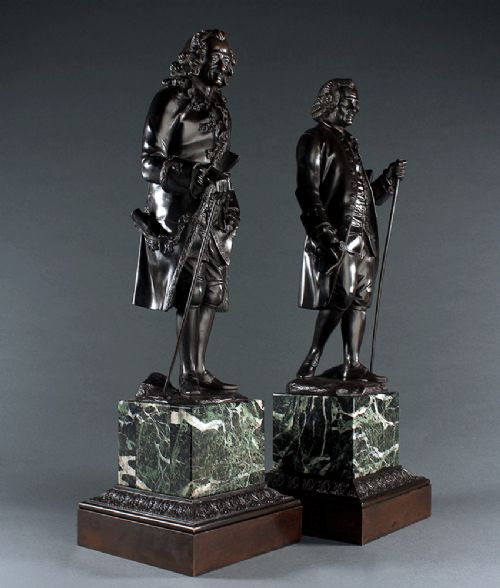
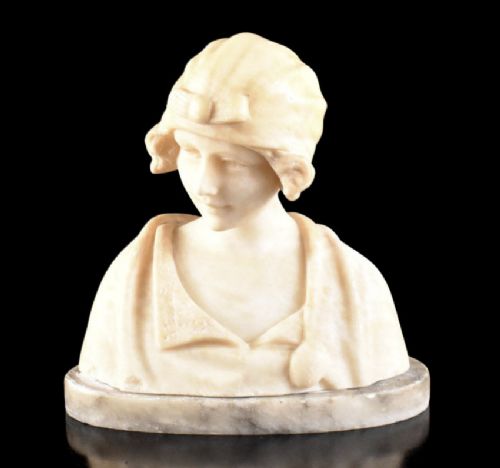
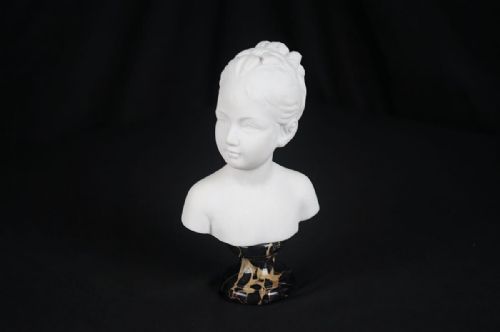
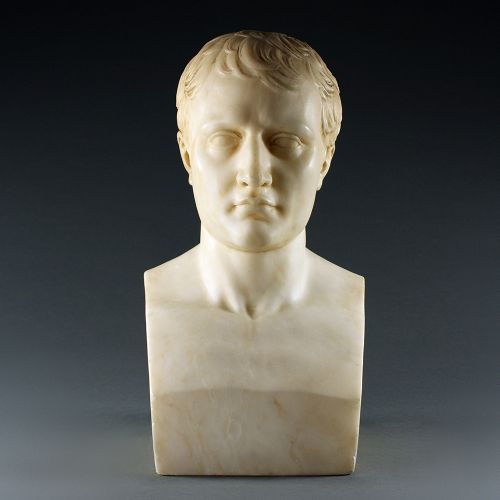
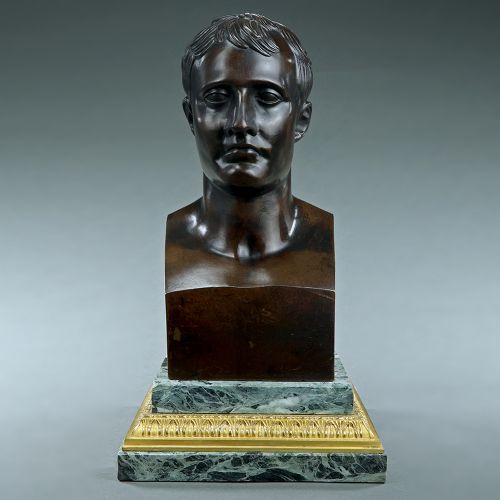
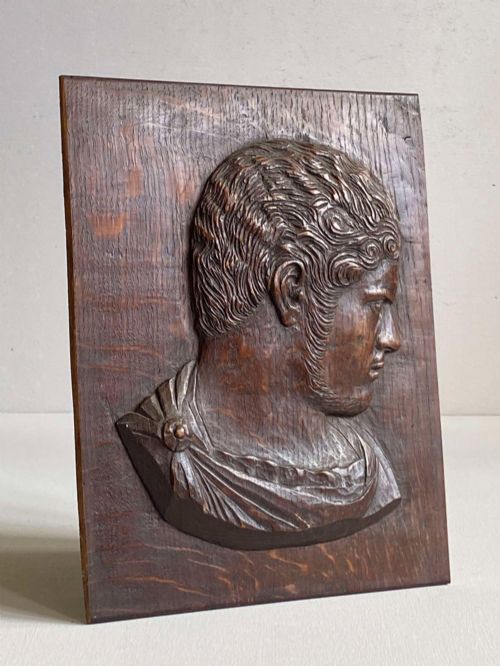
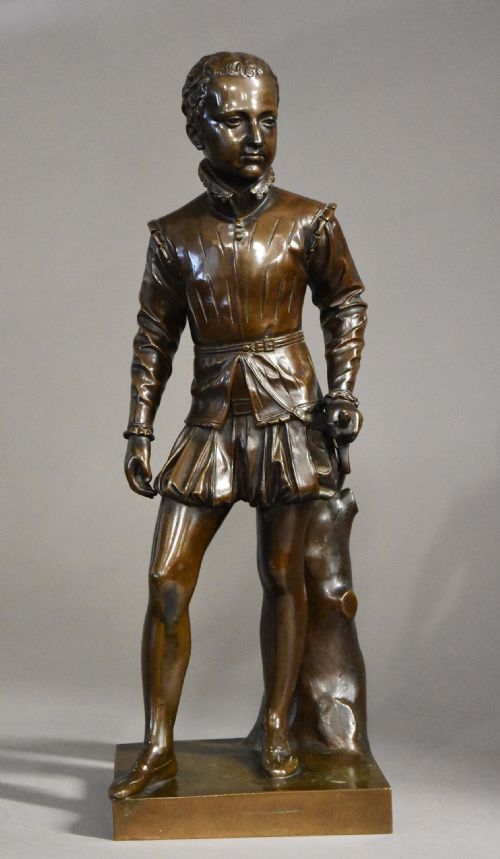
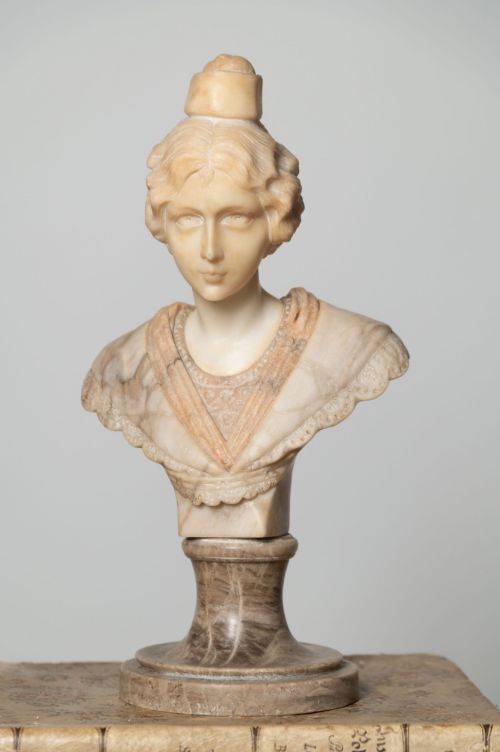
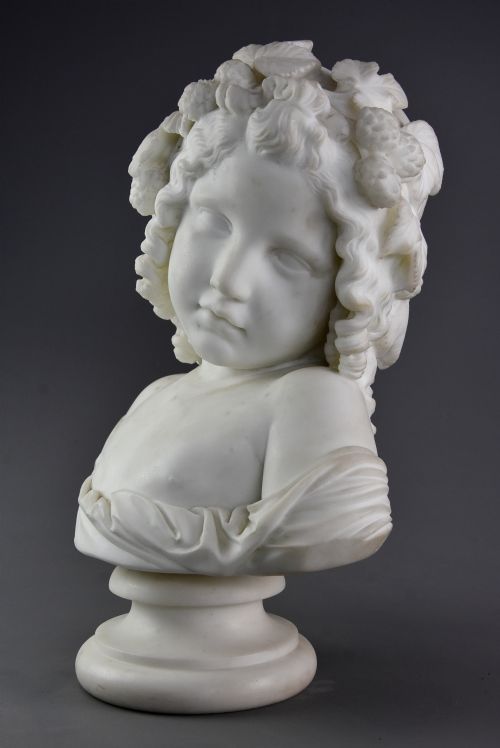
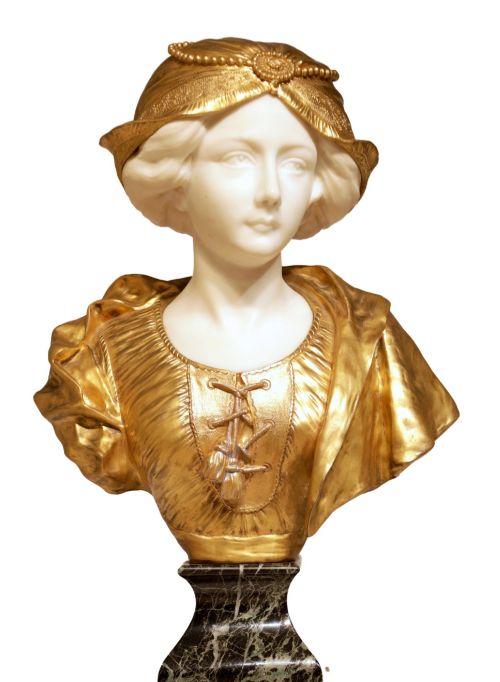
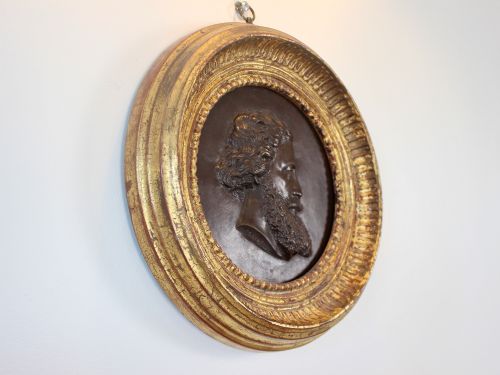
French portrait sculpture brings historical figures, literary heroines and classical subjects into interior spaces through bronze, marble and terracotta bust and plaque forms.
French Portrait Sculpture
These pieces represent notable individuals, historical leaders and idealised figures rendered in three dimensions, focusing primarily on portrait busts and wall plaques. The selection spans the nineteenth and early twentieth centuries, moving through Neoclassical, Art Nouveau and Art Deco aesthetic movements.
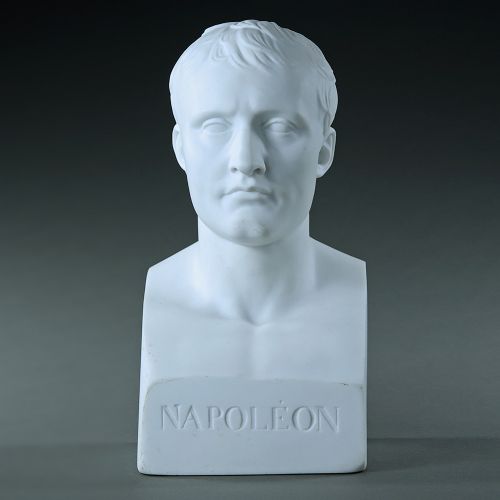
Buyers encounter subjects ranging from classical historical figures like Napoleon and Voltaire to literary characters and anonymous female studies. Works appear in formats suitable for desktop display, cabinet placement and larger architectural settings.
The objects frequently reflect the stylistic preoccupations of their era, shifting from the strict symmetry of early nineteenth-century classicism to the flowing, organic lines characteristic of late nineteenth-century Art Nouveau.
Materials and methods of construction
Foundries and studios shaped these pieces using traditional casting methods for metals such as bronze, patinated bronze, gilt bronze and spelter, alongside carved stones including Carrara marble and alabaster. Artisans also utilised terracotta, plaster, bisque porcelain and paint to achieve varied surface textures and tones.
Metal casts often received chemical patination or gilding to enhance depth and simulate ageing, whilst marble and alabaster works relied on careful hand-carving to define facial expressions and drapery details.
Composites frequently paired bronze or marble figures with contrasting bases, connecting the sculptural bust to a supportive plinth or pedestal using internal metal pins and fixings.
French Portrait Sculpture Retail Price Guide 2026
Typical asking prices for french portrait sculpture among the pieces listed under this phrase on Sellingantiques today, from the lower quarter to the upper quarter. They describe what is for sale here now, not the wider market.
Several historical figures immortalized in these sculptures wore remarkably elaborate cravats that rival the artistic ambition of the portraits themselves.
Distinctions in execution and detail
Signatures, foundry marks and documented attributions to known sculptors elevate the standing of a piece, separating workshop-standard commercial output from masterworks of the period.
Emmanuel Villanis·Georges Van Der Straeten·Mathurin Moreau·Jean Jules Salmson
The French Portrait Sculpture Glossary
- Bust
- A sculptural representation of a person's upper chest, shoulders, and head. This format dominates the portrait sculpture category.
- Patination
- The applied or natural chemical coloration on a metal surface. It creates varied brown, green, or dark tones that highlight sculptural contours.
- Spelter
- A zinc-based alloy commonly used as a cost-effective alternative to bronze. It often received a bronze-like coating to imitate true metal casting.
- Bisque porcelain
- Unglazed porcelain with a matte, fine-grained texture resembling marble. It was frequently utilised for delicate portrait figures and historical busts.
- Terracotta
- Fired clay used for sculptural modelling. It provides a warm, reddish-brown surface that records the direct touch of the maker's hand.
French Portrait Sculpture: Frequently Asked Questions
How do I identify a bronze cast from a spelter one?
Bronze typically feels heavier, exhibits greater coldness to the touch and rings with a resonant sound when tapped lightly, whereas spelter is lighter and softer.
Examining the underside or any unpatinated area often reveals the lighter, silvery-grey metal beneath the surface coating of a spelter piece.
Where should I place a heavy marble bust?
Solid marble and alabaster busts require sturdy, level furniture capable of supporting considerable weight without shifting or bowing.
Positioning them away from direct sunlight and high-heat sources protects the stone and any underlying wooden bases from thermal shock or drying out.
How do I clean nineteenth-century patinated bronze?
Dusting gently with a soft, dry microfibre cloth removes surface particles without disturbing the underlying chemical patination.
Harsh cleaning agents, water and polishes must be avoided entirely because they strip protective wax and damage the historical finish.
What does an artist signature indicate on these pieces?
Incised or cast signatures indicate the sculptor responsible for the original model, though reproduction casts may also bear facsimile signatures.
Researching the foundry mark alongside the signature helps determine whether the object was cast during the artist's lifetime or produced later.