


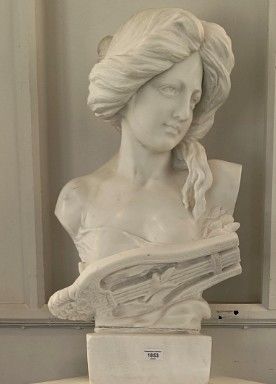
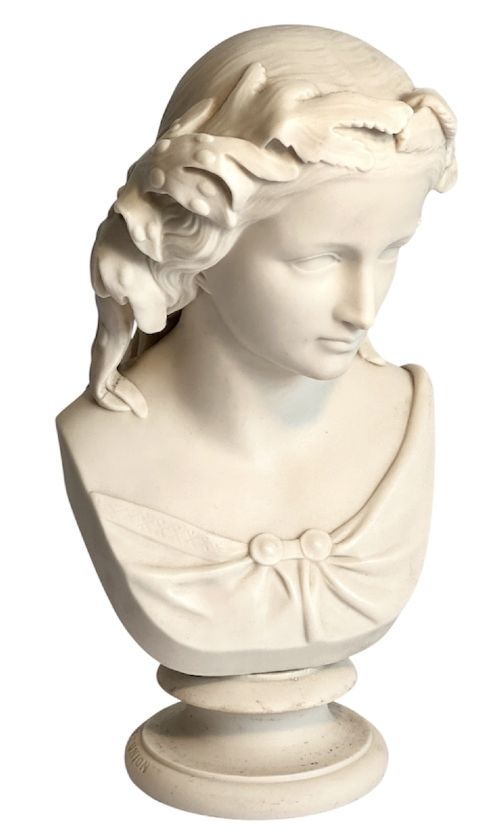
Female Marble Sculpture
A female marble sculpture captures classical grace in carved stone, offering a timeless focal point for interiors through varied historical styles.
Female Marble Sculpture
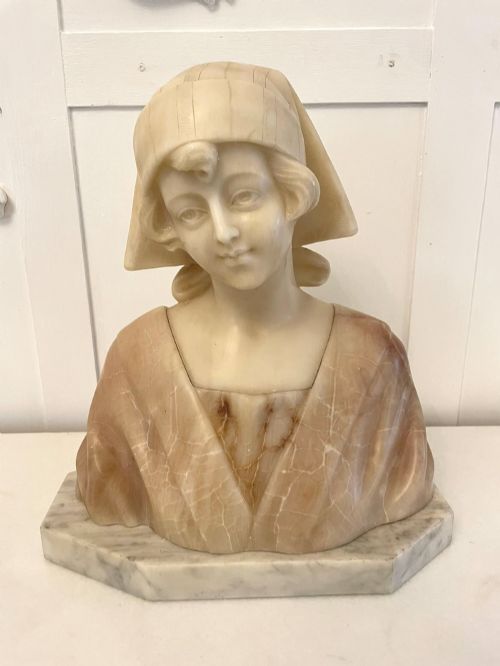
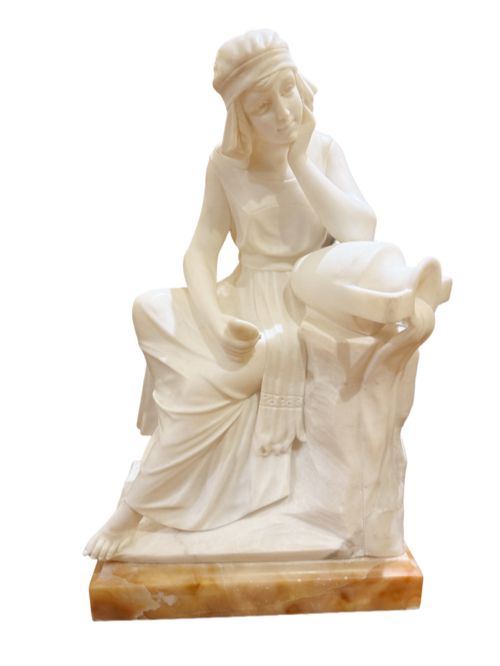
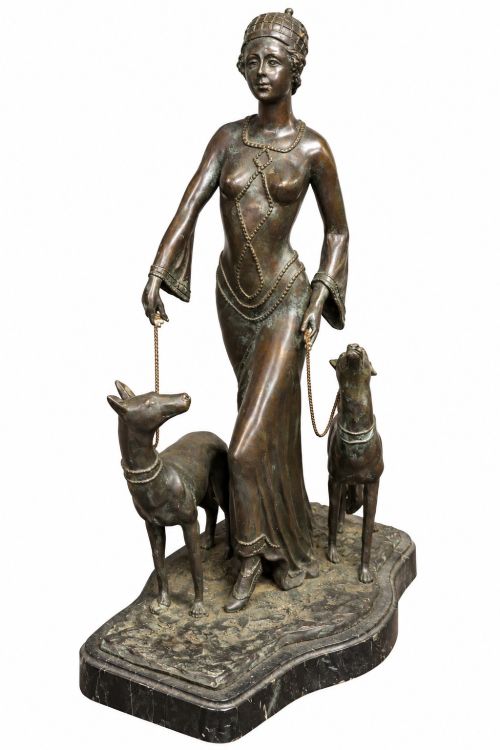
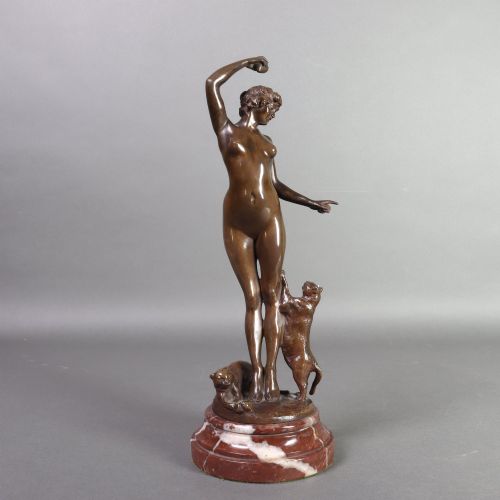
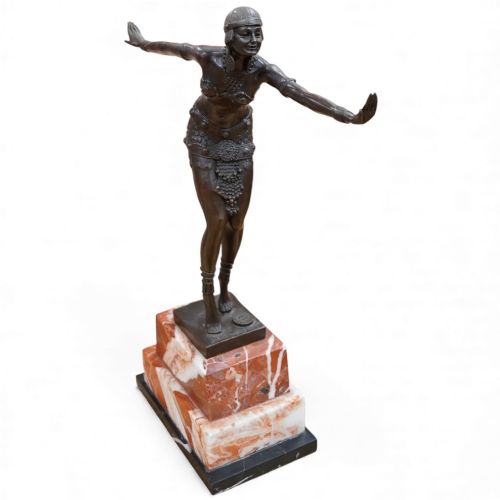
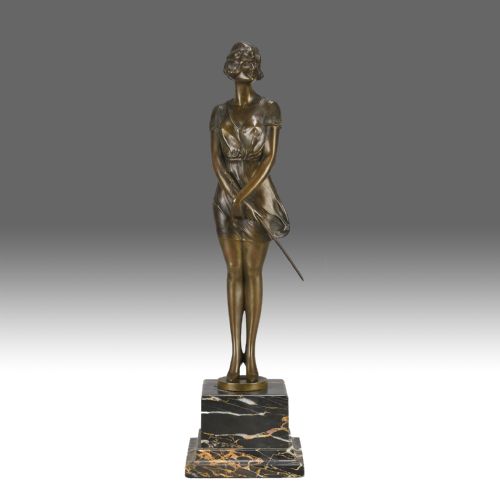
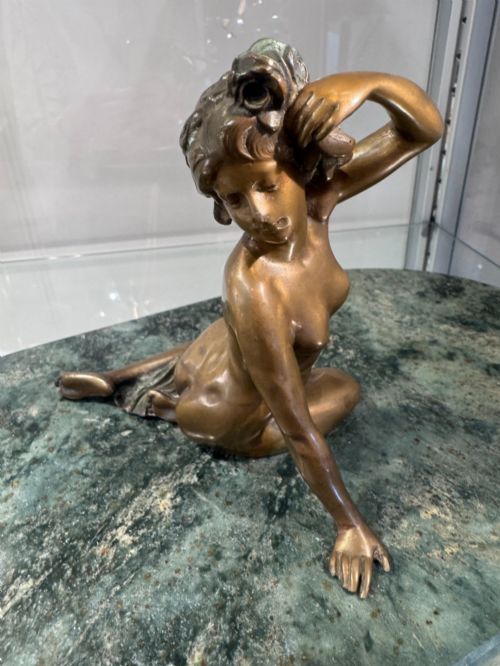
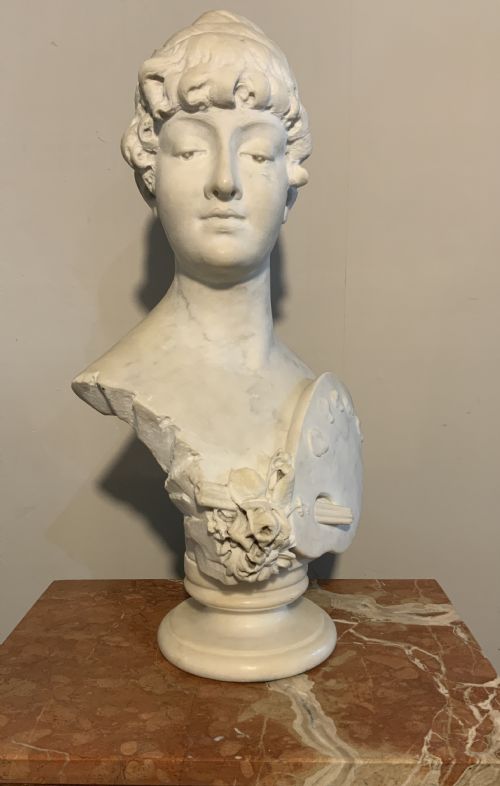
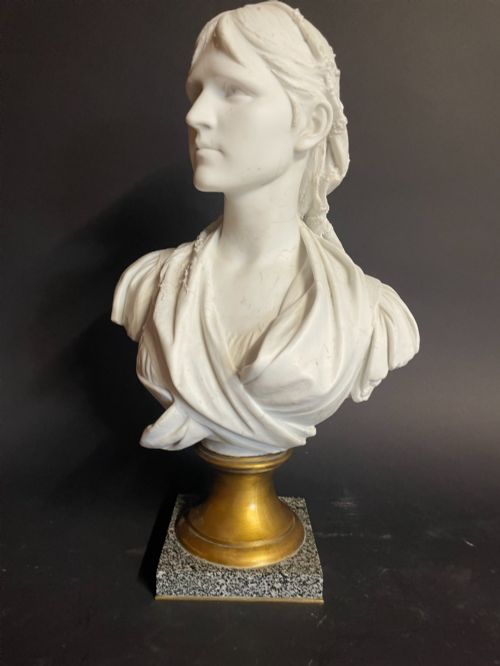
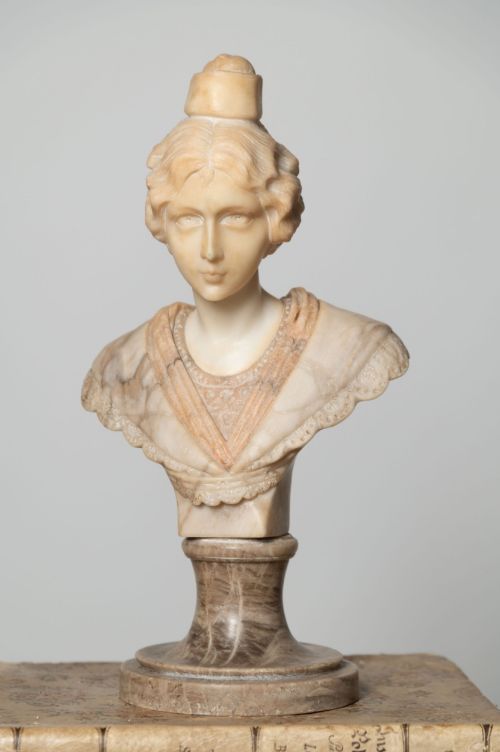
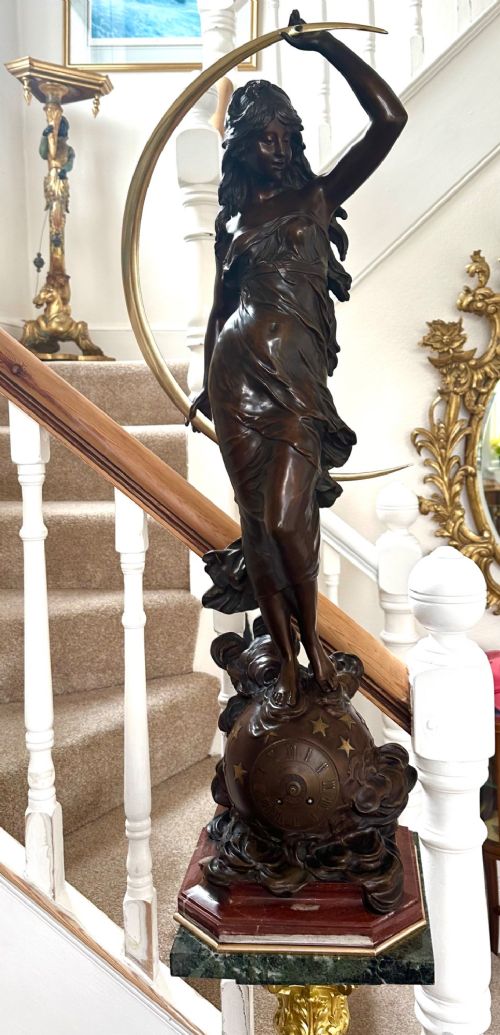
A female marble sculpture encompasses carved stone figures, portrait busts, and mixed-media works featuring bronze or alabaster elements. These pieces range from classical mythological subjects to sleek Art Deco dancers mounted on sturdy stone plinths.
The version most commonly met on this page is the nineteenth-century or early twentieth-century bust and figure, originating from French and Italian workshops. They frequently combine white or Carrara marble with contrasting coloured stone bases.
Examples span diverse periods from Victorian Neoclassical interpretations to modernist silhouettes, reflecting changing aesthetic ideals across Europe. Buyers select them to anchor a room with sculptural presence and historical depth.
Materials and methods of construction
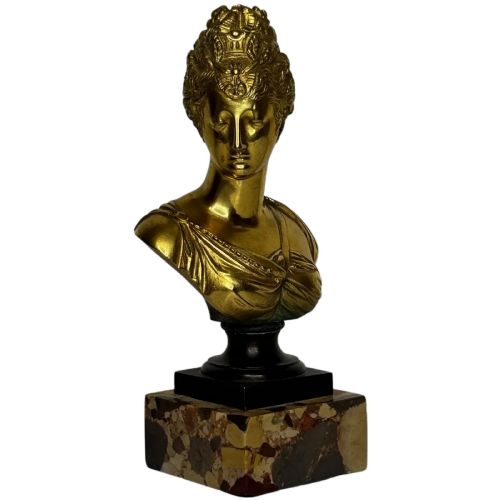
Carvers utilised fine-grained materials such as Carrara marble, white marble, and translucent alabaster, shaping the stone with chisels, rasps, and abrasive powders for smooth finishes. Many works integrate cast bronze, gilt bronze, or cold-painted details to accent garments and hair.
Figurative compositions often assemble multiple components, securing carved stone upper sections onto distinct marble or onyx plinths. Bronze elements were cast via the lost-wax method before being chased, patinated, and mounted to stone bases.
Materials recorded across the inventory include Carrara marble, white marble, alabaster, bronze, gilt bronze, brass, and onyx.
Distinctions in craftsmanship
Quality rests in the sensitivity of the carving, particularly in the rendering of drapery folds, facial expression, and hair texture. Superior pieces display fluid naturalism and subtle modulation across the stone surface rather than stiff mechanical symmetry.
The selection and combination of materials also determine distinction. Finely figured marble free of heavy veining in facial areas, paired with crisply chased bronze mounts or solid alabaster, marks the higher tier of production.
Bruno Zach·Pierre le Faguays·Ferdinand Preiss·August Moreau·Eugene Aizelin·Demetre Chiparus·Henri Godet·Auguste Henri Carli·Georges Van Der Straeten·Carrier-Belleuse·Zoldan Kovats·Georges-Charles Coudray·Fritz Kochendorfer
The Female Marble Sculpture Glossary
- Carrara marble
- A type of white or blue-grey marble quarried in the city of Carrara in Tuscany, widely prized for its fine grain and uniform appearance in classical sculpture.
- Cold-painted bronze
- A technique where bronze figures are painted with oil-based or tempera colours after casting, rather than undergoing heat-patination.
- Parian ware
- A type of bisquit porcelain developed in the nineteenth century to imitate carved marble, frequently used for portrait busts and literary figures.
- Grand Tour
- The nineteenth-century practice of cultural travel through Europe by young upper-class individuals, who frequently acquired small-scale marble and bronze sculptures as souvenirs.
Female Marble Sculpture: Frequently Asked Questions
Where should I place a marble sculpture?
These pieces require stable support due to their significant weight, making heavy pedestals, console tables, or sturdy mantels ideal locations. Positioning them away from direct sunlight and temperature fluctuations protects the stone and mixed-media elements.
Adequate lighting helps reveal the subtle contours and fine carving of the subject. Placing them at eye level allows the viewer to appreciate the facial expressions and detailed textures.
How do I clean carved marble?
Dusting regularly with a soft, dry microfiber cloth prevents particulate buildup on the porous surface. Avoid using chemical cleaning agents, abrasive pads, or excessive water, which can damage patinated bronze components or stain the stone.
For stubborn grime, a lightly dampened cloth with distilled water may be used sparingly, followed immediately by drying. Professional conservation is recommended for valuable or delicate pieces requiring deeper intervention.
What is the difference between alabaster and marble?
Alabaster is a softer, gypsum-based mineral that possesses a translucent quality allowing light to penetrate slightly beneath the surface. It is easily carved but more susceptible to moisture and scratching than harder stone.
Marble is a metamorphic rock formed from limestone, offering greater density and durability with distinctive veining patterns. While both materials appear frequently across these listings, marble handles structural weight with greater rigidity.
How can I identify the period of a bust?
Stylistic markers offer the primary clue for dating, shifting from nineteenth-century Neoclassical and Victorian historicism toward streamlined Art Deco geometries by the nineteen-twenties. Clothing styles, hairstyles, and foundry marks inscribed on the base also correspond to specific manufacturing eras.
Examining the underside and mounting hardware provides further context regarding assembly techniques used during particular decades. Comparing signatures against known records of active sculptors helps narrow down the production window.