





French Portrait Bust
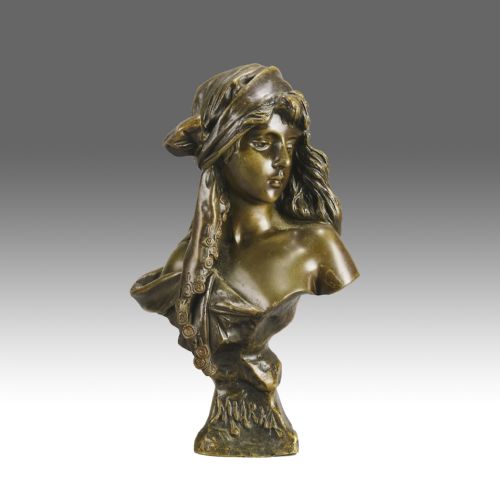
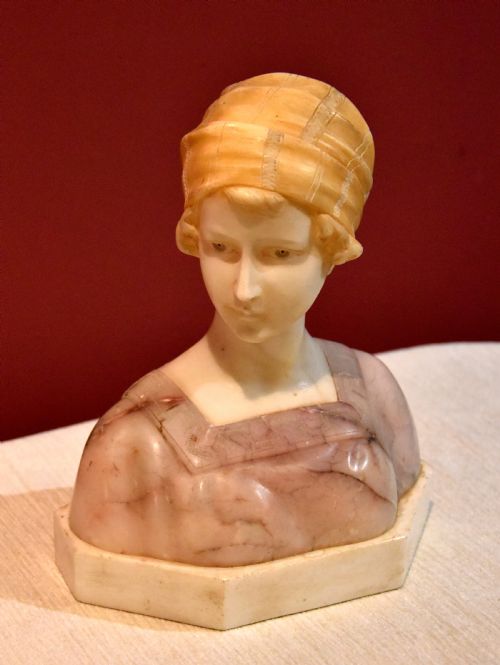
A french portrait bust captures character and likeness in bronze, marble, alabaster or terracotta, bringing sculptural presence to any room.
French Portrait Bust
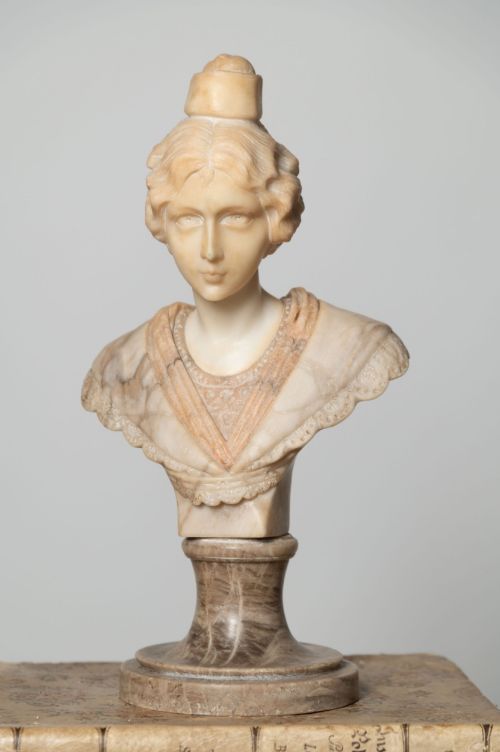
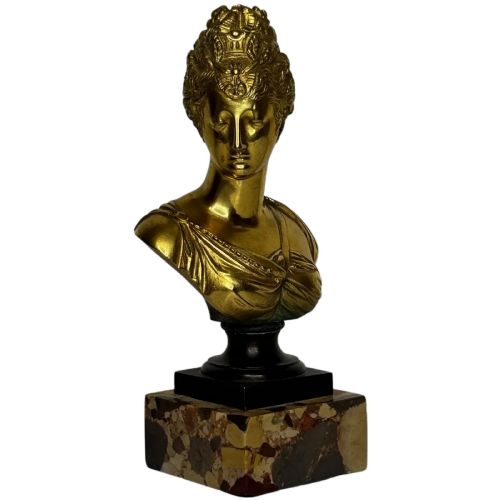
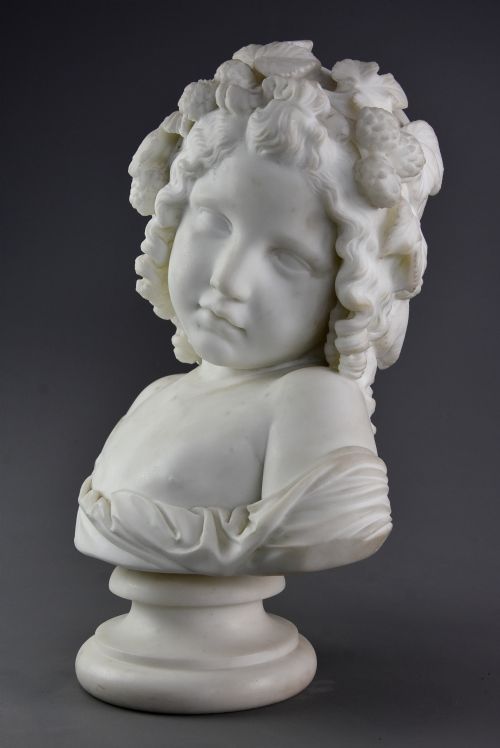
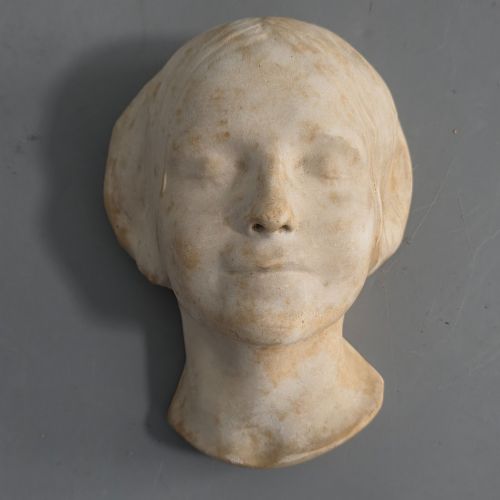
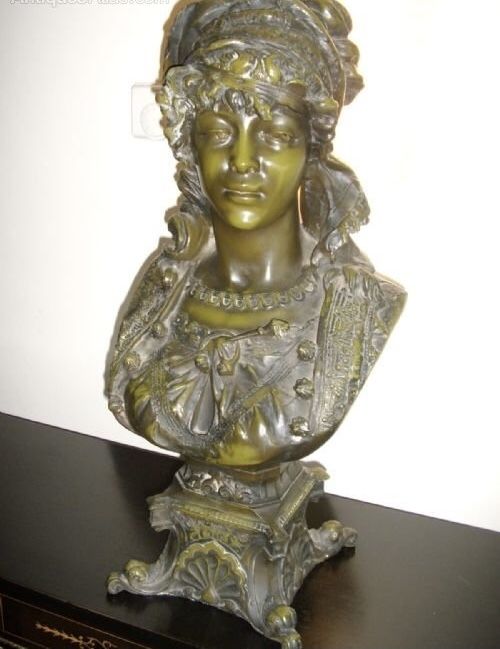
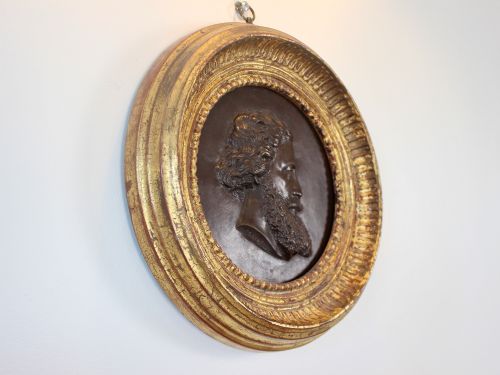
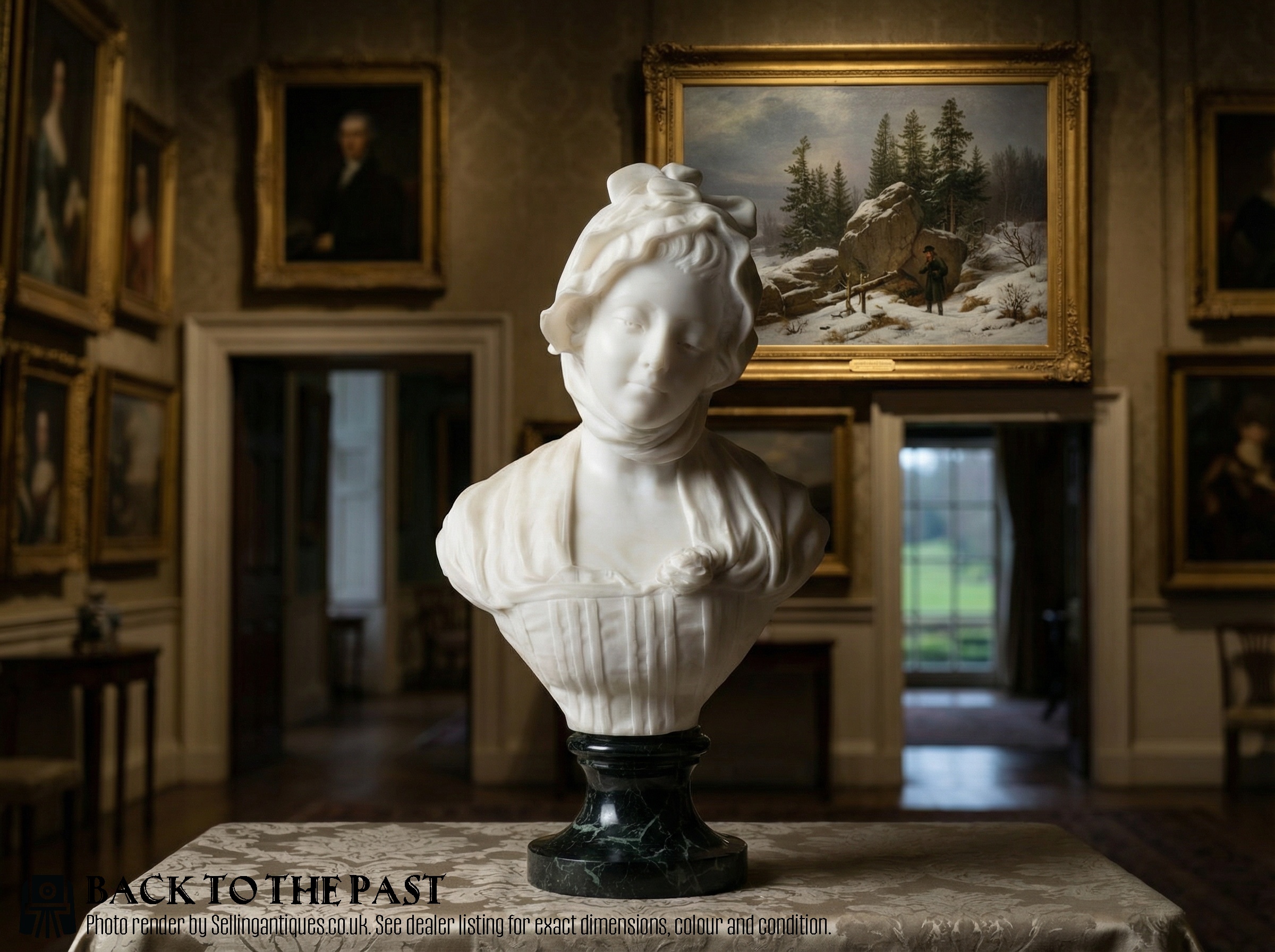
A french portrait bust represents historical figures, literary characters, classical deities, and unidentified women or men through sculpted likenesses. These works appear as standalone tabletop sculptures on marble bases, wall plaques, and occasionally large pedestals.
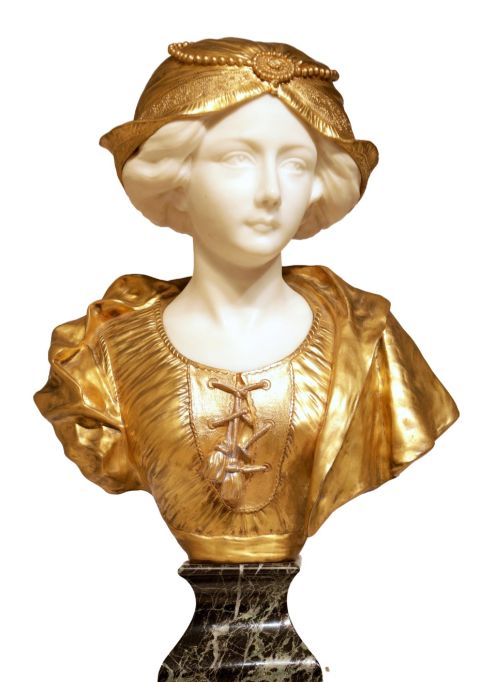
The pieces span the nineteenth century through the early twentieth century, encompassing Neoclassical, Victorian, and Art Nouveau styles. The version most commonly met on this page is the cabinet-sized bronze or alabaster female subject cast or carved during the late nineteenth century.
Materials and Methods
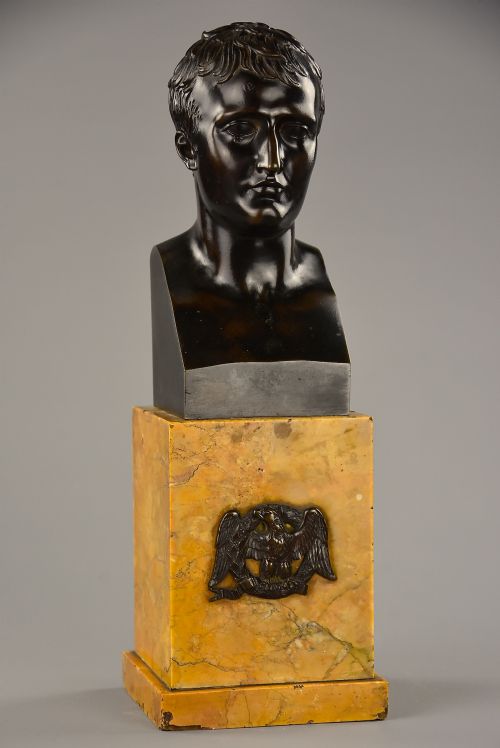
Foundry-cast bronze utilises traditional lost-wax methods, frequently finished with rich patination or gilt surfaces to accentuate garment folds and hair texture. Metal pieces often pair with turned marble or alabaster socles for stability and contrast.
Carved works employ soft alabaster, white carrara marble, or fine-grained terracotta that allows modellers to capture subtle facial expressions. Bisque porcelain and plaster also appear, shaped through ceramic moulding and hand-finishing.
French Portrait Bust Retail Price Guide 2026
Typical asking prices for french portrait bust among the pieces listed under this phrase on Sellingantiques today, from the lower quarter to the upper quarter. They describe what is for sale here now, not the wider market.
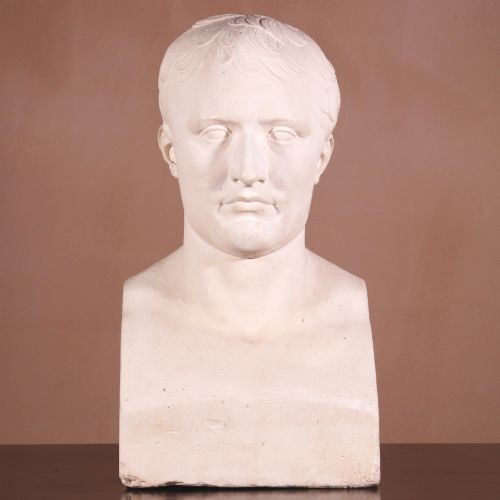
Napoleon Bonaparte appears multiple times across the listings, cast in bronze, carved in marble, and moulded in plaster.
Assessing Quality
The distinction between ordinary production and superior work rests on the crispness of the chisel work in marble or the sharpness of the foundry chase in bronze. Master modellers managed hair, drapery, and skin texture with a fluid realism that lesser hands missed.
Signatures by recorded sculptors or foundry stamps elevate an object, though unsigned period pieces still demonstrate excellence through weight, proportion, and the depth of the material's finish.
Affortunato Gory·E Villanis·Henry Wissen Senior·Auguste Henri Carli·Georges-Charles Coudray·Emile Laporte·George Van Der Straeten·Mathurin Moreau·J Camus·Adolphe Jean Lavergne·Georges Morin·Ernest-Eugène Hiolle
The French Portrait Bust Glossary
- Socle
- A short plinth or pedestal supporting a bust. This architectural base provides visual weight and elevates the sculpture.
- Patina
- The chemical or natural film on the surface of bronze. It alters the coloration and protects the metal underneath.
- Terracotta
- Baked red or buff clay. Sculptors frequently used this porous material for preliminary models or finished cabinet pieces.
- Spelter
- A zinc alloy utilised as a substitute for bronze. It offers a lighter weight and takes metallic paint finishes easily.
- Bisque
- Unglazed porcelain with a matte, marble-like texture. It gained popularity for delicate portrait figures.
French Portrait Bust: Frequently Asked Questions
How do I clean bronze busts?
Dust gently with a soft, dry cloth to prevent the accumulation of grit in crevices. Avoid water, oils, or chemical cleaners that can strip the original patina.
Allow a natural protective layer to remain on the metal surface rather than attempting to polish antique bronze to a bright shine.
Where should I display marble?
Place marble sculptures on sturdy, level surfaces away from direct heat sources and strong sunlight. Heavy stone requires a solid foundation such as a dedicated cabinet or heavy table.
Ensure the display area is stable so the sculpture remains safe from accidental knocks.
What is an alabaster bust?
Alabaster is a soft mineral stone prized for its translucent quality and fine grain. Carvers utilised it to give skin tones a lifelike glow.
Because the material is relatively soft, alabaster pieces require careful handling and protection from moisture.
Are these pieces signed?
Many sculptures feature artist signatures, foundry stamps, or cast titles directly into the material. Signatures often appear along the truncation line of the shoulder or on the base.
Some exceptional period works remain unsigned or carry pseudonyms while maintaining high artistic merit.