


French Planter Table
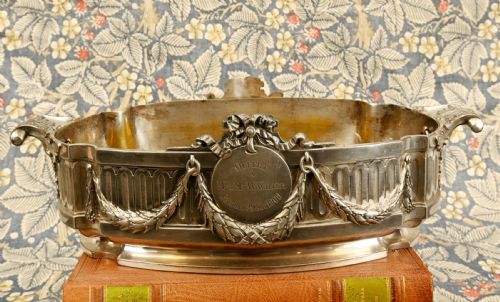
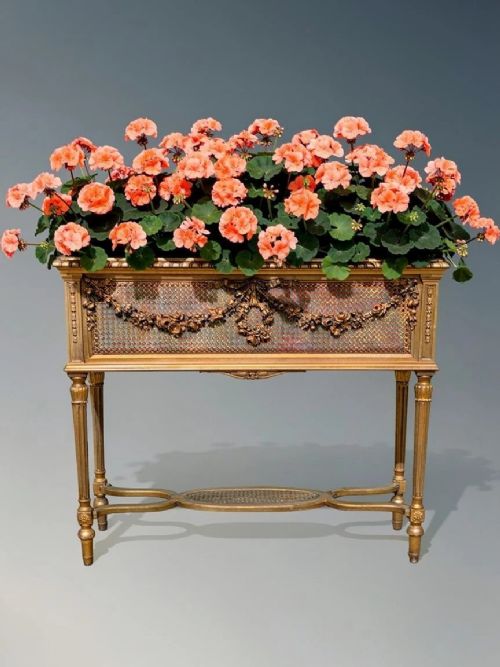
These French planter table pieces combine floral display with occasional furniture, bringing refined nineteenth-century planting stands into modern rooms.
French planter table forms and origins
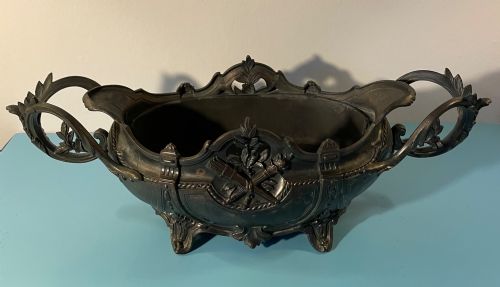
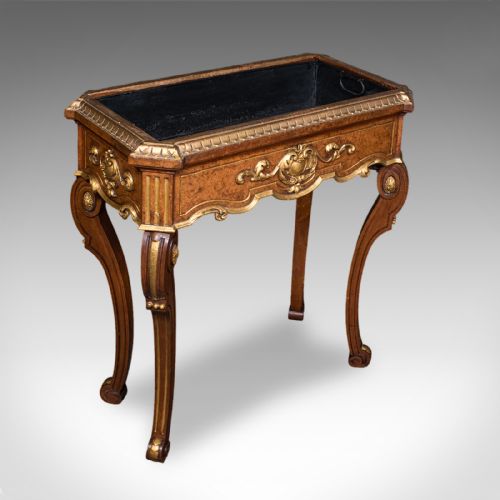
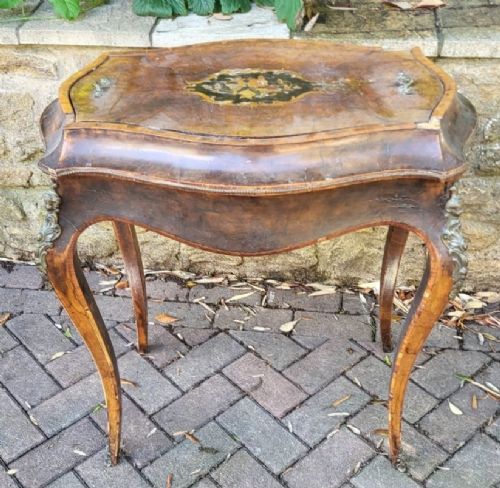
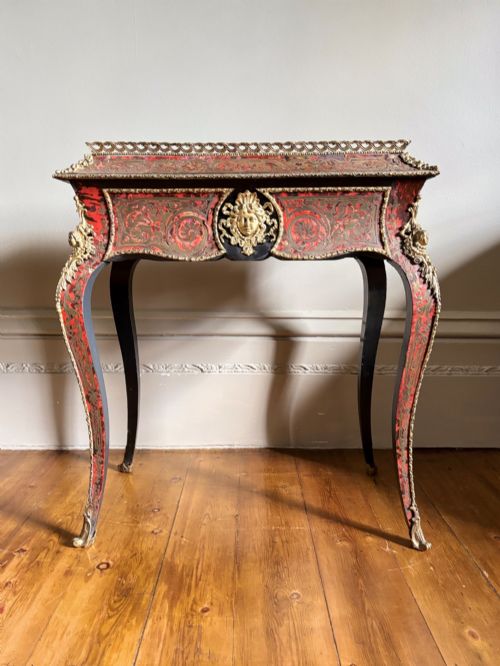
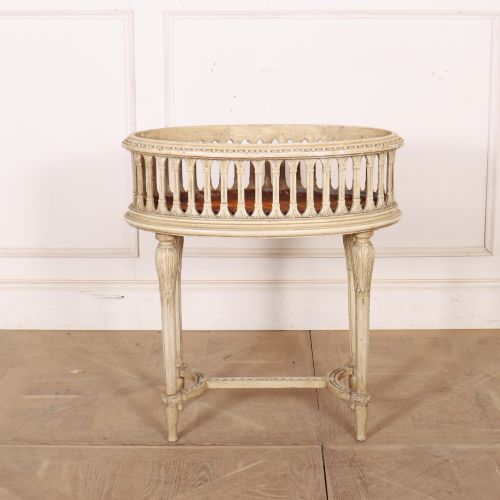
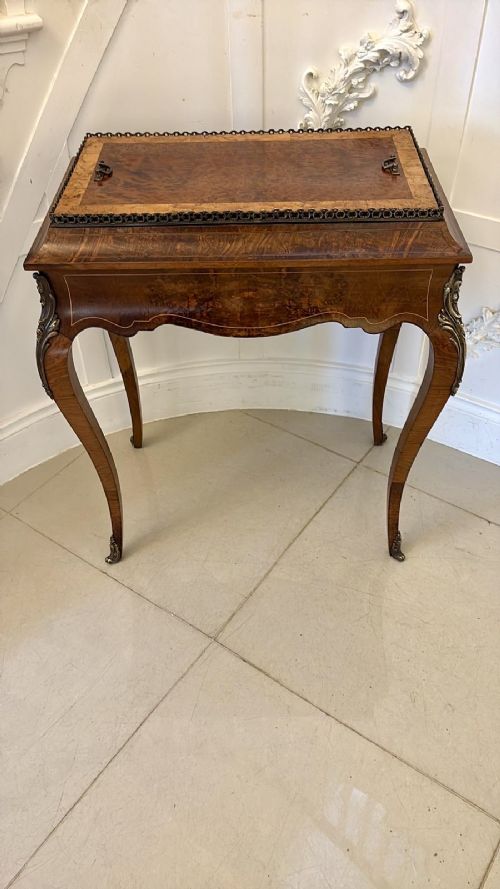
A french planter table merges a decorative side table or occasional table with an integrated basin or jardiniere for displaying plants and flowers. The pieces found here predominantly span the nineteenth century, including Victorian examples and items from the eighteen seventies and eighteen nineties.
Makers designed these items as functional furniture that doubled as indoor garden displays, often serving as wine coolers or cache pots alongside their primary botanical use. The forms range from compact side tables to elaborate display stands incorporating removable metal liners.
Materials and construction methods
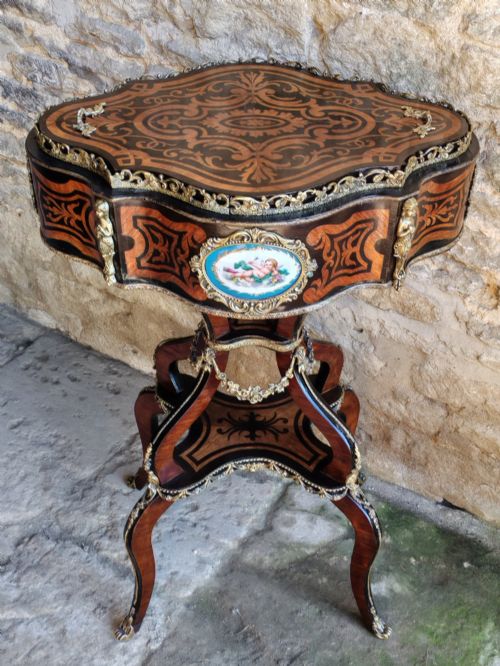
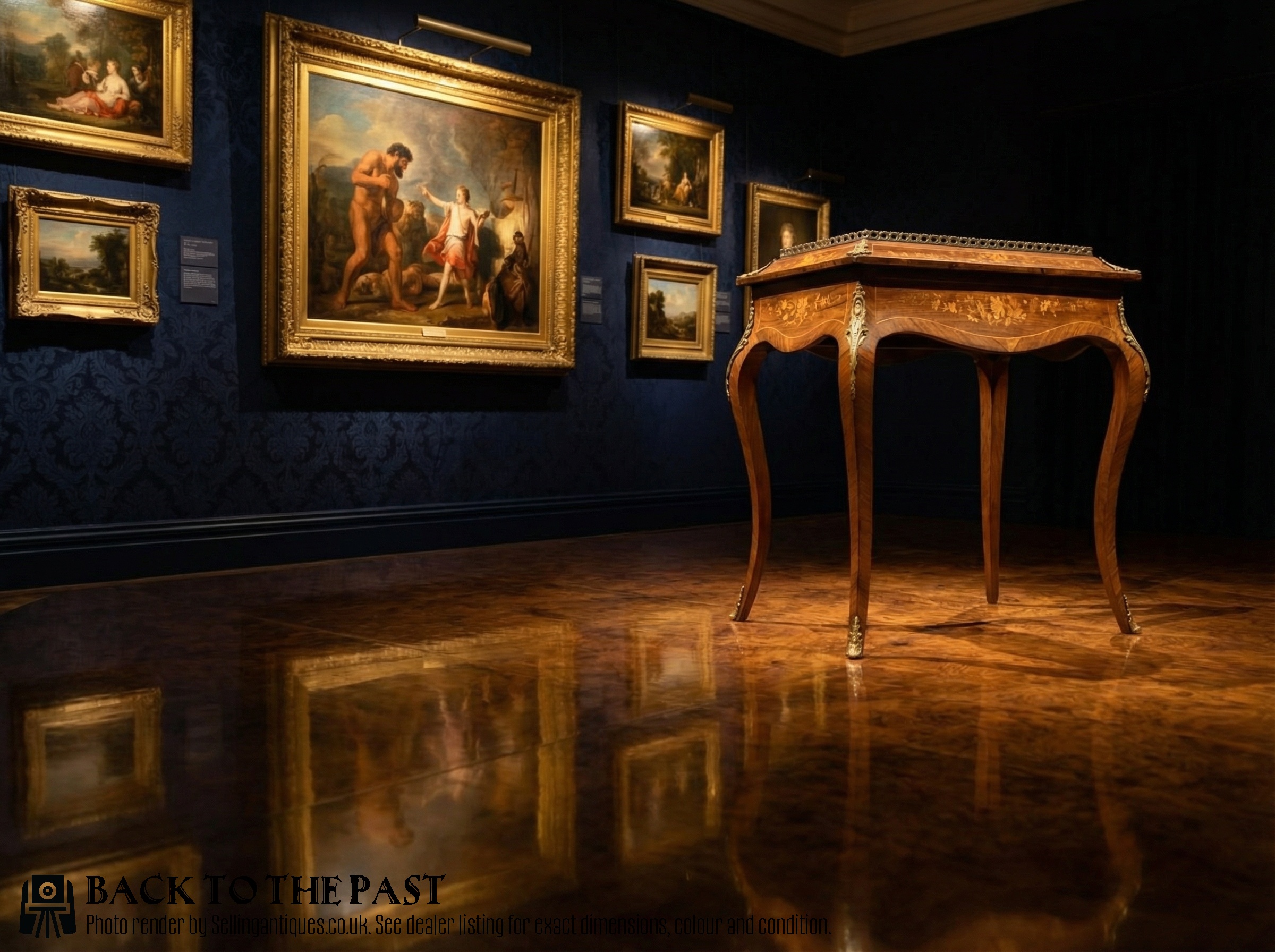
Cabinetmakers utilised exotic timbers including rosewood, amboyna, walnut, kingwood, tulipwood, mahogany, and ebonised wood to build the structural framework. Many examples incorporate intricate marquetry inlay and parquetry patterns across the surfaces to create geometric or floral motifs.
Retail Price Guide 2026
Typical UK retail prices for french planter table, calculated from the Sellingantiques database of over a million retail prices indexed since 2003. This retail price guide relies exclusively on Sellingantiques data; no external sources or auction records are used, so the figures do not describe the wider market.
Materials recorded across the archive include amboyna, rosewood, walnut, mahogany, tulipwood, kingwood, ebonised wood, and gilt bronze.
Distinctions in construction and design
The sophistication of the timber work and inlay dictates the distinction between standard items and exceptional pieces, particularly where complex parquetry or pictorial marquetry is present. Precision in the casting and hand-chasing of gilt bronze or ormolu mounts further separates simpler utilitarian models from high-status salon furniture.
Structural integrity depends on the preservation of delicate veneers and the condition of the internal metal liners, which frequently endure moisture exposure. The harmony between the French styling, such as Louis XV revival or Napoleon III aesthetics, and the quality of the timber selection determines the overall execution.
The French Planter Table Glossary
- Jardiniere
- An ornamental pot or stand for holding plants and flowers, often integrated directly into the centre of a table top.
- Ormolu
- Gilded bronze cast and finished with fine hand-chasing, commonly applied as decorative mounts to nineteenth-century furniture.
- Marquetry
- Decorative veneer work using pieces of wood, shell, or ivory to form detailed pictures and ornamental designs on furniture surfaces.
- Parquetry
- Geometric mosaic woodwork arranged in patterns such as cubes, chequers, or stripes across table tops and panels.
Frequently Asked Questions
What is a french planter table used for?
These tables served primarily to bring living plants, ferns, or floral arrangements directly into nineteenth-century reception rooms and drawing rooms. The waterproof internal basin allowed owners to display greenery safely without damaging the surrounding polished wood.
Beyond botanical displays, period households occasionally utilised the central well as a wine cooler during entertaining. Today, they function effectively as standalone occasional tables or unique display surfaces in modern interiors.
How do I identify nineteenth-century periods?
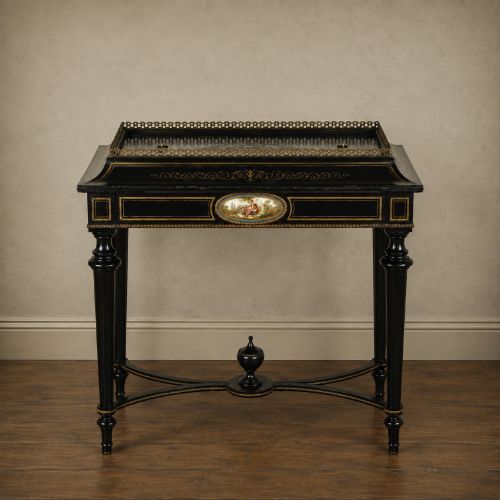
Identifying the date relies on examining the combination of timber selection, revival styles, and mounting techniques typical of the eighteen seventies through the end of the century. Napoleon III and Victorian examples frequently display dark ebonised finishes paired with heavy gilt bronze or ormolu.
Later nineteenth-century pieces often showcase lighter timbers like tulipwood and kingwood alongside refined parquetry. Examining the construction of the internal liner and the hand-cut dovetails beneath the top provides further clues to the exact era of manufacture.
Are the metal liners original?
Many surviving pieces retain their original metal liners, which show appropriate signs of age, oxidation, and water use from nineteenth-century gardening. Replacement liners also appear frequently due to the corrosive nature of damp soil and constant watering over decades.
Checking whether a liner fits the rebate of the table precisely helps determine its authenticity. Even with modern replacement inserts, the structural integrity and aesthetic value of the surrounding table remain intact.
How do I care for wood and ormolu?
Maintaining these surfaces requires keeping them away from direct sunlight and sudden humidity changes that can cause delicate veneers to lift or crack. Regular dusting with a soft, dry cloth preserves the polished finish of rosewood, walnut, and ebonised timber.
Ormolu and gilt bronze mounts should be cleaned very carefully without abrasive metal polishes that can strip the original fire-gilt surface. Treating the timber occasionally with appropriate wax helps nourish the antique grain without building up heavy residues.