




French Neoclassical Bust
A french neoclassical bust captures classical severity in marble, bronze and terracotta, offering the refined poise of antiquity for a formal interior.
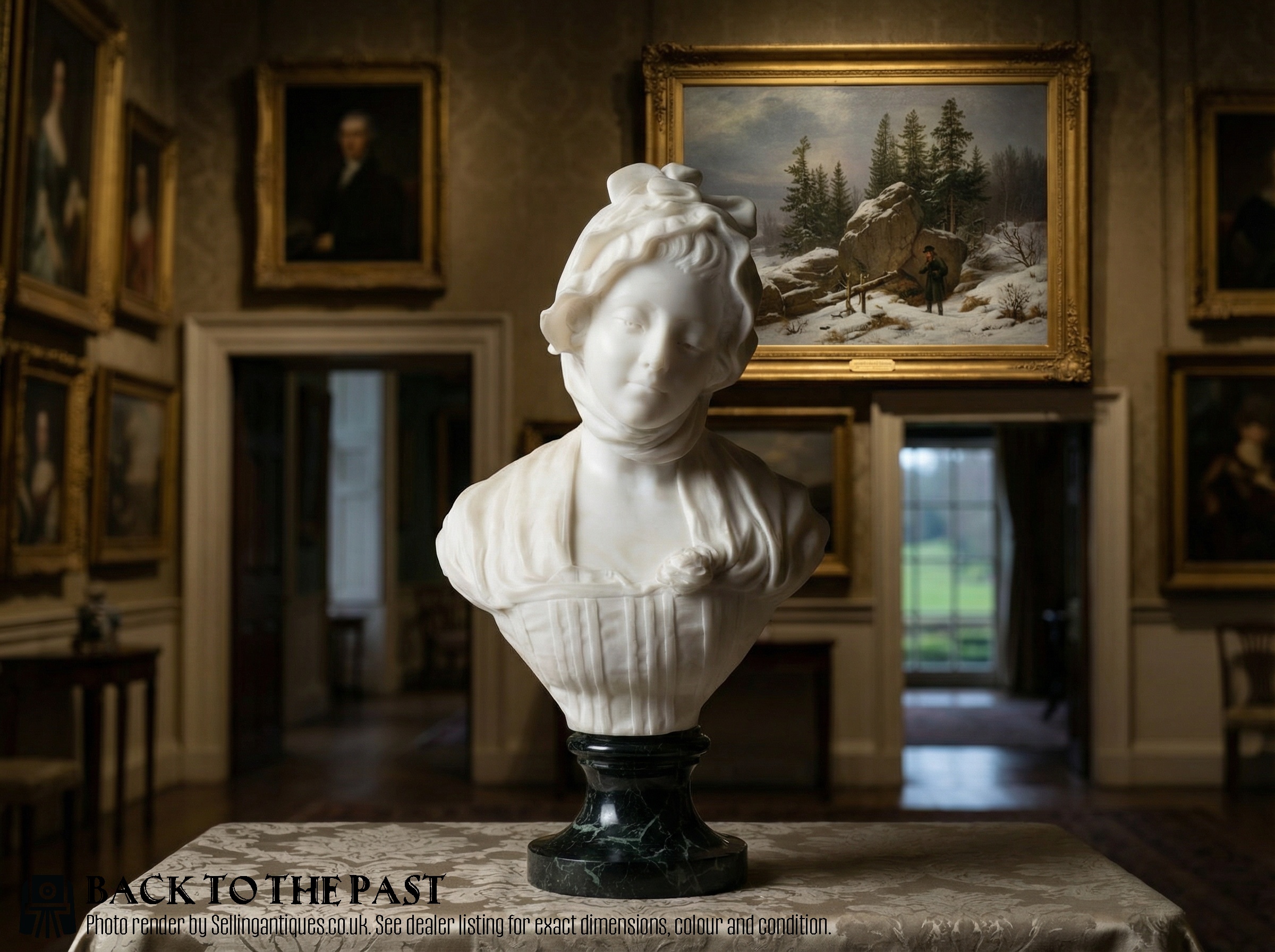
French Neoclassical Bust
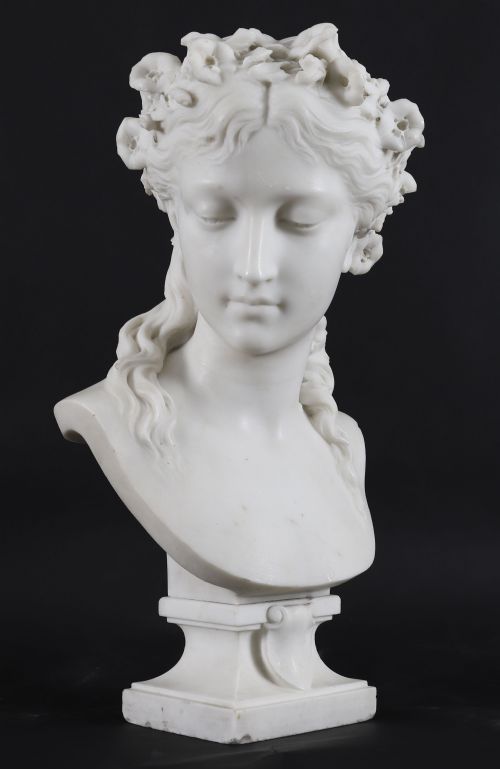
A french neoclassical bust draws upon Greek and Roman models, depicting historical figures, mythological subjects and classical nobility. These portrait sculptures emerge primarily from nineteenth century workshops, reflecting a sustained fascination with classical antiquity.
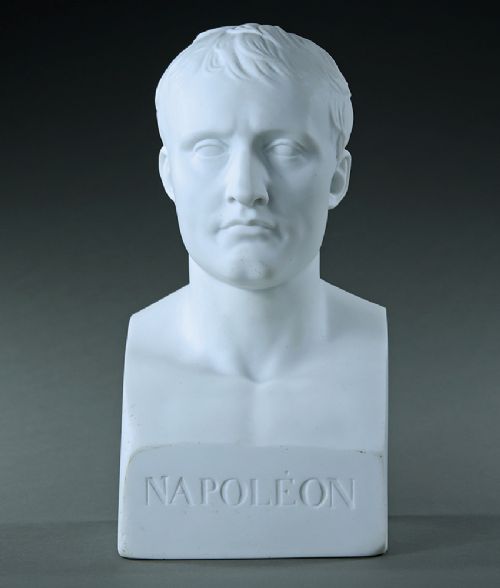
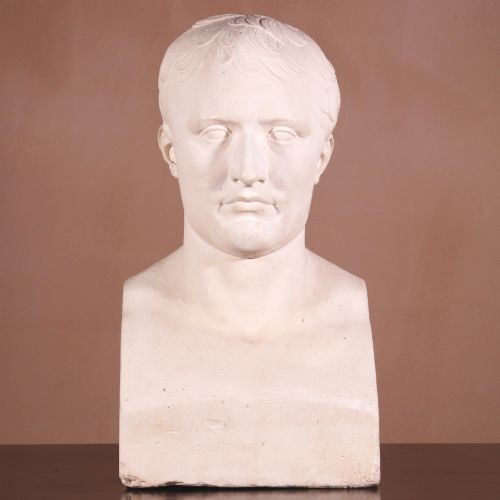
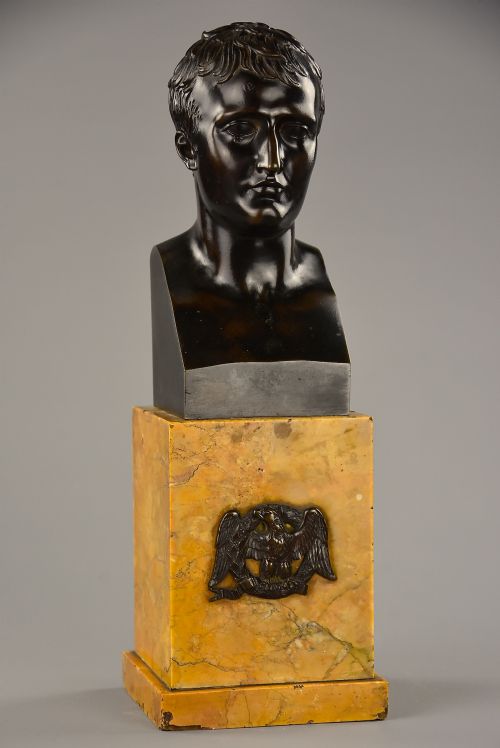
The most common interpretations on this page include depictions of Napoleon Bonaparte, Marie Antoinette and classical ladies. Sculptors render these subjects in materials ranging from carved carrara marble and cast bronze to bisque porcelain and plaster.
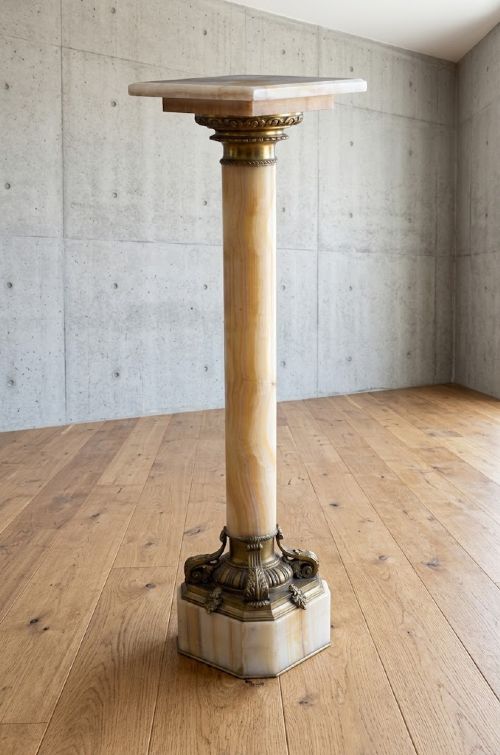
Many examples arrive paired with complementary pedestals, columns or plinths designed to elevate the sculpture in a room. The overall aesthetic prioritises calm dignity, balanced proportions and restrained ornamentation.
Materials and methods of construction
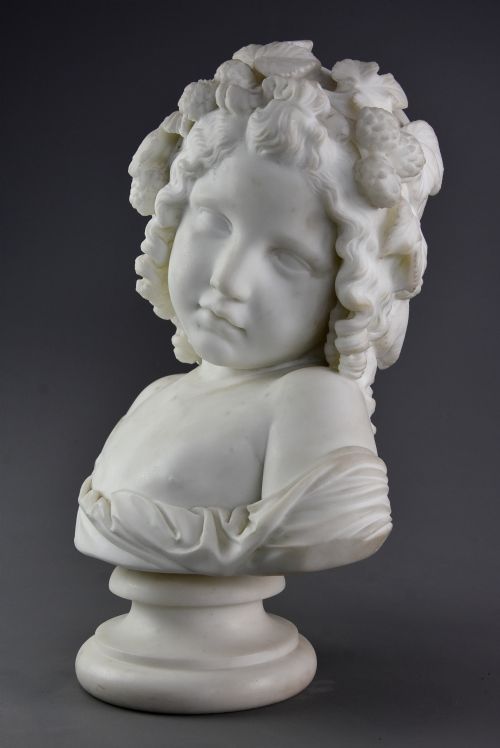
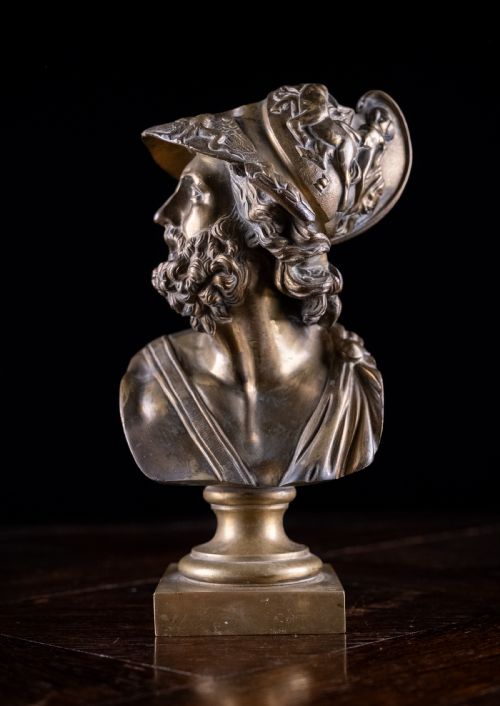
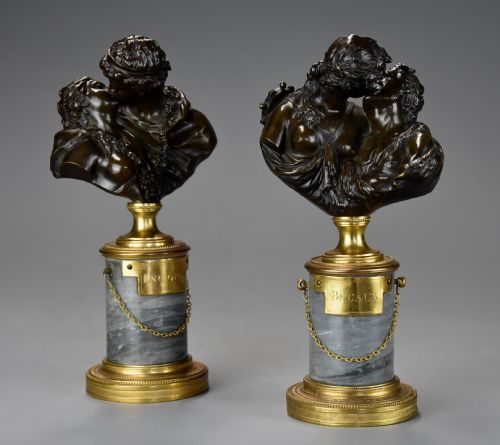
Carved marble and cast bronze form the principal material basis for these sculptures. Carrara marble allows for smooth, luminous flesh tones, while bronze and gilt bronze capture crisp details in hair, drapery and regalia.
Makers also utilise plaster, alabaster, onyx and terracotta, sometimes combining materials such as bronze mounts upon marble bases. Bisque porcelain and parian ware offer a matte, ceramic finish reminiscent of classical marble.
One curious offering even repurposes a bust of Napoleon as an inkwell.
Distinctions in quality and execution
The finesse of the chiselling and carving defines the upper tier of these pieces, particularly in the rendering of facial expression, hair texture and draped fabric. Softer materials like plaster rely on the crispness of the original cast.
Signatures by established sculptors or reputable factories elevate a piece beyond standard decorative production. The choice of mounting materials, such as heavy ormolu collars on onyx or marble pedestals, adds structural substance.
Eugene Aizelin·Mathurin Moreau·Jean Antoine Houdon
The French Neoclassical Bust Glossary
- Carrara marble
- A white or blue-grey marble quarried in Italy, prized for its fine grain and suitability for classical portraiture.
- Ormolu
- Gilt bronze ornamentation applied to furniture, sculpture bases and architectural elements.
- Terracotta
- Fired clay offering a warm, matte reddish-brown surface favoured for expressive portrait studies.
- Bisque porcelain
- Unglazed porcelain with a smooth, matte texture resembling white marble.
- Plinth
- A heavy base supporting a bust or sculpture, often raised on a matching column.
French Neoclassical Bust: Frequently Asked Questions
What subjects do these busts depict?
These sculptures represent historical figures like Napoleon and Marie Antoinette alongside mythological characters and classical portraits. Many pieces draw direct inspiration from antique sculpture.
Subjects also include Roman emperors and poetic figures, reflecting nineteenth century interests in history and classical drama.
How should I display a bust?
A heavy marble or bronze bust requires a sturdy surface or a dedicated pedestal to support its weight. Placing the piece at eye level allows the viewer to appreciate the facial expression and carving detail.
Pairing a sculpture with a column or plinth creates a formal display reminiscent of nineteenth century salon interiors.
Are these pieces strictly nineteenth century?
The majority of the pieces date from the nineteenth century, capturing the revival of neoclassical aesthetics during that period. Production spans from the early nineteenth century through to Edwardian interpretations around nineteen hundred.
Dates vary according to the specific workshop, material and stylistic revival underway at the time of creation.
What materials are most common?
Carrara marble and cast bronze appear frequently among the listings, often complemented by gilt bronze or ormolu mounts. These durable materials were chosen to emulate ancient Greek and Roman works.
Other examples utilise plaster, onyx, terracotta and porcelain to achieve different surface textures and finishes.